
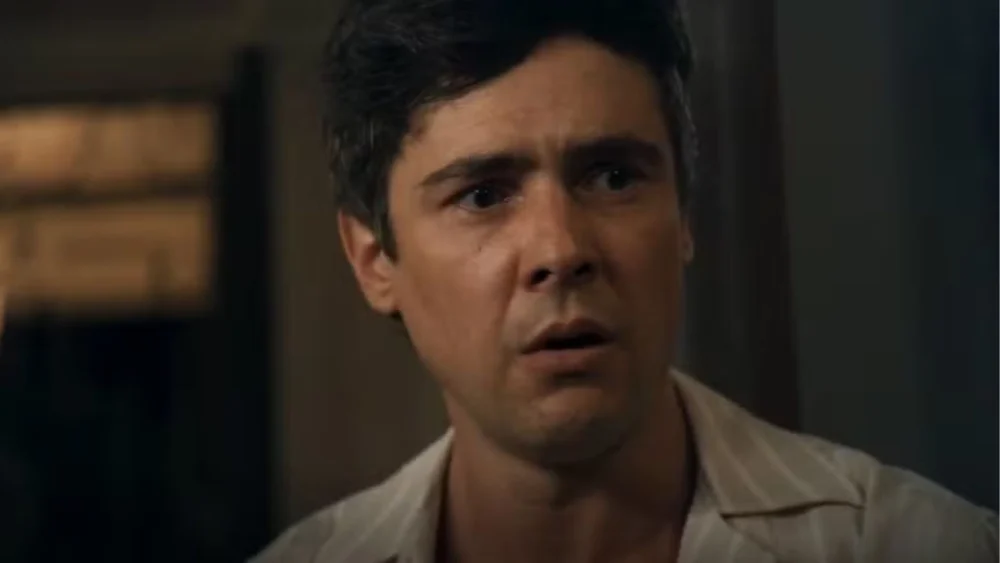
The emotional landscape for viewers of the popular Brazilian telenovela Êta Mundo Bom! is set to intensify dramatically as the narrative unfolds with a pivotal act of courage. Protagonist Candinho (portrayed by Sergio Guizé), a character grappling with profound personal dilemmas, is poised to undertake a heroic intervention to rescue his loyal companion, the donkey Policarpo, from a meticulously orchestrated and tragic fate. This audacious move will see the resilient countryman break free from the manipulative clutches of the cunning blackmailer Zulma (Heloisa Périssé), demonstrating a profound blend of desperation and unwavering bravery that underscores the series’ core themes of resilience and the triumph of good over evil. The forthcoming chapters promise to be a watershed moment, not only for Candinho’s personal journey but for the broader trajectory of the compelling storyline, significantly impacting the intricate web of relationships and power struggles that define this beloved production.
Background: The Enduring Appeal of Êta Mundo Bom!
Êta Mundo Bom!, a creation of renowned Brazilian screenwriter Walcyr Carrasco, first captivated audiences during its original run from January to August 2016 on TV Globo. Set in the idyllic countryside and bustling cityscapes of 1940s Brazil, the telenovela quickly garnered critical acclaim and impressive ratings, solidifying its place as one of the most successful productions of its decade. Its enduring popularity led to multiple reruns, most notably in 2020 during the "Vale a Pena Ver de Novo" slot, where it once again achieved record-breaking viewership, a testament to its timeless narrative and heartwarming message. The story centers on Candinho, an irrepressibly optimistic young man, expelled from his home by his strict foster mother, Cunegundes, and separated from his childhood sweetheart, Filomena. His overarching quest is to locate his biological mother, the wealthy Anastácia (Eliane Giardini), from whom he was separated at birth. Candinho’s journey is characterized by a series of misadventures, heartfelt encounters, and persistent challenges, all faced with an unwavering belief that "tudo o que acontece na vida da gente é para melhorar" (everything that happens in our lives is for the better). This philosophy, deeply ingrained in his character, resonates profoundly with audiences, offering a much-needed dose of hope and positivity amidst adversity.
Candinho’s Perilous Predicament: Love, Blackmail, and Sacrifice
At the heart of the current dramatic arc lies Candinho’s deeply unenviable situation. To secure the freedom of Dita (Jeniffer Nascimento), a close friend and confidante, who finds herself unjustly imprisoned, and to safeguard the well-being of his young son, Samir (Davi Malizia), Candinho has been coerced into a marriage of convenience with Zulma. This arrangement is a bitter pill for Candinho, who yearns for true love with Filomena and abhors the idea of a union devoid of genuine affection. Zulma, a calculating and opportunistic character, revels in her perceived victory, meticulously planning the details of her impending nuptials, blissfully unaware of the profound internal conflict tearing Candinho apart. Her motivations are purely self-serving, driven by a desire for social status and financial security, which she believes Candinho, as Anastácia’s heir, can provide. This forced engagement casts a long shadow over Candinho’s life, trapping him in a web of obligations and threats that seem insurmountable.
The Malicious Plot: Sandra and Ernesto’s Cruel Design
Adding another layer of sinister intrigue to Candinho’s already complex existence is the nefarious duo of Sandra (Flávia Alessandra) and her accomplice, Ernesto (Eriberto Leão). Sandra, the primary antagonist of the series and Anastácia’s deceitful niece, has consistently sought to usurp her aunt’s fortune and undermine Candinho’s rightful inheritance. Her cunning and manipulative nature knows no bounds, and she views Candinho’s emotional stability as a significant vulnerability. Ernesto, her equally unscrupulous partner, aids her in her schemes, driven by a shared greed and a thirst for power.
Their latest malevolent plot targets none other than Policarpo, Candinho’s faithful donkey. Policarpo is more than just an animal; he is a symbol of Candinho’s humble origins, his unwavering loyalty, and a constant source of comfort and companionship throughout his arduous journey. The bond between Candinho and Policarpo is one of the most endearing and emotionally resonant aspects of the telenovela, representing innocence, resilience, and unconditional love. Sandra and Ernesto, fully aware of this deep connection, devise a cruel plan to eliminate Policarpo, believing that such a devastating loss would completely destabilize Candinho emotionally, rendering him vulnerable and easily defeated in their ongoing battle for Anastácia’s inheritance. Their objective is to break Candinho’s spirit, leaving him unable to fight back and paving the way for their complete control over the family fortune. This act of targeting a beloved animal highlights the depths of their villainy, appealing to the audience’s sense of justice and intensifying the stakes for the protagonist.
A Race Against Time: The Heroic Intervention and Policarpo’s Rescue
The dramatic climax of this unfolding crisis begins to take shape when Candinho is struck by a powerful premonition, an inexplicable feeling of dread that something terrible is about to befall his cherished donkey. This innate connection to Policarpo serves as an early warning, a subtle stirring of his deep affection for the animal. His suspicions are tragically confirmed when he receives an urgent warning from Celso (Rainer Cadete), a character who, despite his initial misguided alliances, has gradually undergone a moral transformation and now seeks to aid Candinho. Celso, having become privy to Sandra and Ernesto’s wicked machinations, bravely informs Candinho that Policarpo is in grave danger, prompting an immediate and visceral reaction from the protagonist.
Driven by a surge of panic and an overwhelming sense of responsibility, Candinho makes a momentous decision: he abandons Zulma, leaving her stunned and furious on the eve of their forced wedding. This desperate act underscores the depth of his love for Policarpo and his unwavering moral compass, prioritizing the life of his loyal friend over a manipulative obligation. In a strategic and frantic escape, Candinho races against time, his heart pounding with fear and determination. His intuition, coupled with Celso’s crucial information, guides him to the secluded location where Sandra and Ernesto’s henchmen, the notoriously ruthless Cara de Gato and Pé de Cabra, are preparing to carry out their heinous deed. These two thugs, known for their cold efficiency, are in the final stages of administering a deadly poison to Policarpo, believing their mission is complete.
However, in a moment of sheer dramatic tension, Candinho bursts onto the scene, his arrival precisely timed to prevent the atrocity. With a powerful surge of adrenaline, he intervenes at the very last second, physically confronting the henchmen and disrupting their murderous plot. His timely arrival and courageous actions successfully prevent the poisoning, ensuring the survival of his best friend and loyal companion. This heroic intervention is not merely a physical act of defiance but a profound testament to Candinho’s character, his unwavering loyalty, and his innate goodness. The scene is a powerful display of his love for Policarpo, affirming the unbreakable bond they share and reinforcing the series’ central theme of love and compassion prevailing over malice.
Immediate Aftermath and Escalating Conflict: Justice and Retribution
The confrontation leaves Candinho in a state of righteous fury. Witnessing firsthand the cruel intentions orchestrated by the "Baroness" Sandra, his anger transforms into a resolute determination for justice. He wastes no time in denouncing the attempted animal cruelty, vowing to expose Sandra’s villainy to the authorities. This act of reporting the crime is a significant development, as it not only protects Policarpo but also serves as a direct challenge to Sandra’s power and influence, potentially leading to legal repercussions for her and Ernesto.
While Policarpo’s rescue is a monumental victory for Candinho, it also ignites a new and even more dangerous conflict. Zulma, abandoned at the altar and publicly humiliated, will undoubtedly not accept this affront lightly. Her meticulously planned marriage, which she believed would secure her future, has been shattered, and her vengeful nature will surely lead her to seek retribution against Candinho. This places the protagonist on a collision course with a vengeful Zulma, whose wrath could prove to be as formidable as Sandra’s machinations. The narrative thus transitions from one immediate crisis to a broader, more complex struggle, with Candinho now facing intensified opposition from multiple fronts. His act of heroism, while saving his beloved donkey, has simultaneously complicated his personal life and escalated his battles against the forces of greed and malice.
Broader Implications for the Narrative and Character Arcs
Policarpo’s salvation marks a critical turning point in the intricate narrative of Êta Mundo Bom! Beyond the immediate relief of his rescue, this event significantly alters the dynamics of the ongoing conflicts and propels the plot towards its much-anticipated resolution. With his loyal companion safe, Candinho’s primary focus can now shift more decisively towards securing the freedom of Dita and ensuring the long-term protection and well-being of his son, Samir. The emotional burden of the forced marriage to Zulma, though temporarily lifted, leaves a residue of unresolved tension, ensuring that her character will remain a significant antagonistic force.
The resumos (summaries) for the upcoming final chapters of the telenovela strongly suggest that this act of heroism is a precursor to a broader narrative arc focused on justice and redemption. Viewers can anticipate the eventual redemption of certain characters who may have initially strayed onto morally ambiguous paths, perhaps including Celso, whose warning proved crucial. Conversely, the summaries indicate that the series will deliver the "deserved punishment" for the principal villain, Sandra, and her accomplices. This suggests that Candinho’s courageous stand will empower him to expose their crimes more effectively, leading to their downfall.
The overarching theme of the telenovela, encapsulated in Candinho’s optimistic mantra, "tudo o que acontece na vida da gente é para melhorar," will be powerfully reinforced. The trials and tribulations he has endured, including the near-loss of Policarpo, serve to strengthen his resolve and refine his character, preparing him for the ultimate triumph. The eventual reunion of Candinho and his son, Samir, is positioned as a pivotal and deeply moving highlight of the final chapters. This reunion will symbolize the restoration of family bonds, the triumph of paternal love, and the fulfillment of Candinho’s personal journey, bringing his quest for happiness and stability to a heartwarming conclusion. The narrative expertly weaves together moments of peril, sacrifice, and ultimate vindication, ensuring that the audience remains deeply invested in the fate of its beloved characters and the ultimate triumph of good.
Thematic Resonance and Enduring Legacy
The storyline surrounding Policarpo is not merely a plot device; it resonates deeply with the core themes of Êta Mundo Bom! and contributes to its enduring legacy. The bond between Candinho and Policarpo symbolizes purity, loyalty, and the simple joys of life, contrasting sharply with the greed and malice of the villains. Candinho’s unwavering commitment to his animal companion highlights his innate goodness and his strong moral compass, reinforcing why he is such a beloved protagonist.
Furthermore, the episode serves as a powerful commentary on the importance of animal welfare, a theme that often finds resonance in popular culture. By showcasing the extreme lengths a protagonist will go to protect an animal, the telenovela subtly elevates the value of all living creatures and condemns cruelty. This thematic depth, combined with its engaging plot and memorable characters, is what distinguishes Êta Mundo Bom! as more than just entertainment. It is a narrative that champions optimism, resilience, and the belief that even in the face of immense adversity, there is always hope for a better tomorrow. The continued success of its reruns years after its original broadcast is a testament to its timeless appeal and its ability to inspire and uplift audiences across generations, solidifying its place as a classic in Brazilian television history.
Outlook: The Road Ahead for Candinho
As the narrative progresses, Candinho’s journey will undoubtedly face new challenges. The immediate aftermath of Policarpo’s rescue will involve dealing with the vengeful Zulma, potentially navigating legal battles stemming from his denouncement of Sandra, and continuing his efforts to free Dita. His relationship with Filomena, complicated by his forced engagement and past misunderstandings, will also require resolution. Ultimately, the saving of Policarpo marks Candinho’s full embrace of his role as a protector and a force for good. It is a definitive step towards reclaiming his destiny and ensuring that, indeed, "tudo o que acontece na vida da gente é para melhorar." Viewers can expect a gripping conclusion where justice is served, love triumphs, and the optimistic spirit of Candinho shines brightest.

0 Comments