
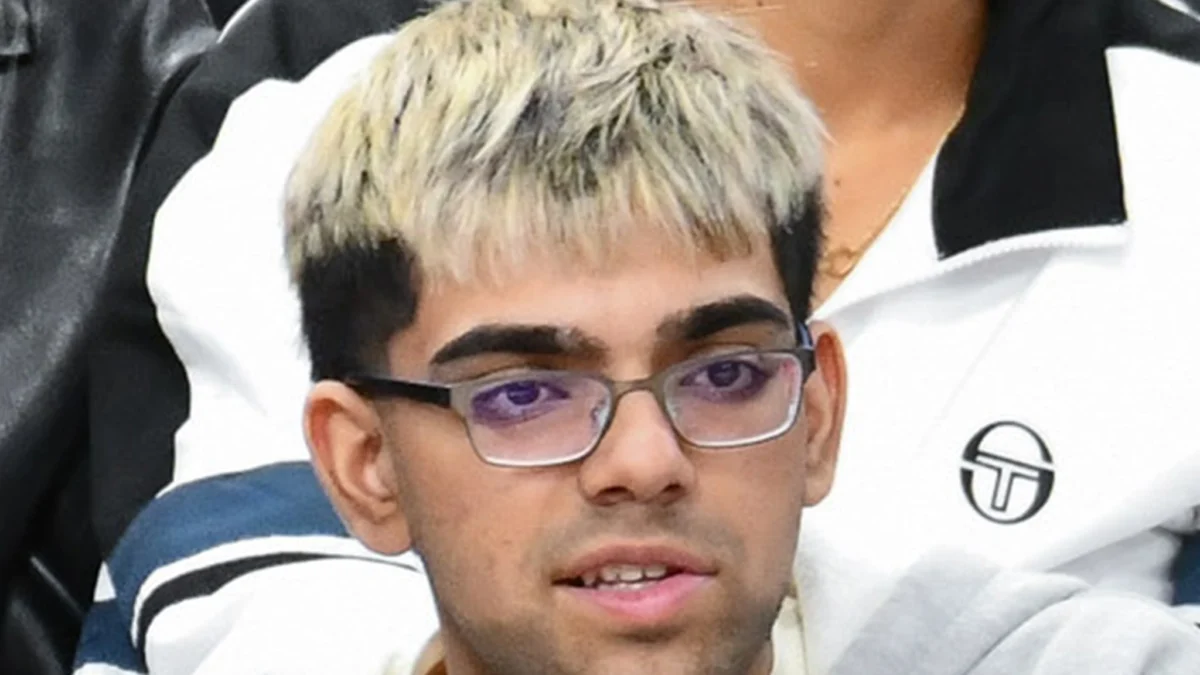
Kick streamer N3on, whose real name is Roberto N3on Lopez, found himself once again at the center of a "swatting" incident on Sunday, March 22, 2026, while broadcasting live from Melrose Avenue in Los Angeles. The alarming event saw law enforcement officers descend upon the streamer and his companion, Benjy Chavez, in response to a fabricated emergency call, forcing them to comply with police instructions in a high-stakes encounter that was captured in real-time by N3on’s audience. This marks a recurring pattern of malicious harassment targeting the prominent digital content creator, highlighting the persistent dangers faced by public figures in the online streaming sphere.
The incident unfolded on a bustling Sunday afternoon as N3on and Chavez were engaged in a typical street-side livestream, a common format for the streamer known for his candid, on-the-go content. Without warning, their broadcast was dramatically interrupted by the arrival of Los Angeles County Sheriff’s deputies, who, responding to an urgent and false report, immediately took control of the situation. Eyewitness accounts and video footage from the livestream show deputies instructing N3on and Chavez to halt their movements and drop to the ground. N3on, seemingly familiar with the protocol of such situations, promptly complied, kneeling with his hands behind his head. Chavez, visibly startled by the sudden escalation, also followed the deputies’ commands. The individual operating the camera, another member of N3on’s entourage, also appeared to recognize the nature of the event as a malicious hoax, as did N3on himself, who calmly confirmed his suspicion to those present.
Law enforcement sources later confirmed to various media outlets that the deputies were dispatched following a 911 call alleging that individuals were attempting to carry out a shooting in the area. Such calls are treated with the highest urgency, necessitating a rapid and robust police response to potential active threat scenarios. Upon locating N3on and Chavez, who matched the vague description provided in the false report, deputies briefly detained them. During this period, standard security procedures were likely followed, including a pat-down for weapons and questioning to ascertain the situation’s true nature. It was quickly determined by the responding officers that the call was a "swatting" incident—a dangerous prank designed to trick emergency services into deploying heavily armed teams to a specific location. Fortunately, once the situation was assessed and the threat was deemed non-existent, N3on and Chavez were released, and no arrests were made.
Understanding the Peril of Swatting
Swatting is a deeply malicious form of harassment that has plagued the online community for over a decade, evolving from a niche prank to a serious criminal offense with potentially fatal consequences. It involves deceiving emergency services, typically through a false 911 call, into dispatching a large-scale armed response—often a Special Weapons and Tactics (SWAT) team—to an unsuspecting victim’s location. The calls often involve elaborate and terrifying fabrications, such as hostage situations, bomb threats, or active shooters, designed to elicit the most aggressive police response possible.
The inherent dangers of swatting are multifaceted. Firstly, it places victims, law enforcement officers, and innocent bystanders in grave peril. Responding officers arrive on scene with the understanding that they are facing an extremely dangerous situation, leading to heightened stress, drawn weapons, and immediate commands for compliance. Any misstep, misunderstanding, or sudden movement by the victim can have tragic outcomes, as evidenced by past incidents where individuals have been injured or even killed. Secondly, swatting incidents represent a significant drain on public resources. Each deployment of a SWAT team or multiple patrol units involves considerable manpower, equipment, and financial cost, diverting critical resources away from genuine emergencies where they may be desperately needed. Thirdly, the psychological impact on victims can be severe, leading to lasting trauma, anxiety, and a profound sense of violation. The knowledge that one’s home or public location can be turned into a tactical scene at the whim of an anonymous online antagonist creates a pervasive sense of insecurity.
The motivations behind swatting are varied but typically stem from a desire to harass, intimidate, or simply cause chaos for public figures, particularly those in the streaming and gaming communities. Anonymity provided by the internet often emboldens perpetrators, who may act out of spite, rivalry, or a twisted sense of amusement. Legal frameworks, both at federal and state levels, have been strengthened in recent years to prosecute swatters, with penalties ranging from hefty fines to lengthy prison sentences. The interstate nature of many swatting calls, where perpetrators can be located thousands of miles from their victims, presents complex jurisdictional challenges for law enforcement agencies attempting to bring these individuals to justice.
A History of Being a Target
For N3on, this latest swatting incident on Melrose Avenue is far from an isolated event; it is a troubling continuation of a pattern of targeted harassment. In October 2024, just over a year prior to the recent incident, N3on was subjected to a similar swatting call while he was engaged in a 24/7 livestream from his Los Angeles home. That particular incident garnered significant attention and had direct repercussions for his content creation, leading to a temporary ban from filming within the city for a 30-day period. The repeated nature of these attacks underscores N3on’s vulnerability as a high-profile streamer whose activities and, by extension, approximate locations are often broadcast to a large audience.
The persistent targeting of N3on reflects a broader issue within the streaming community, where public exposure often comes with the unwelcome side effect of increased susceptibility to various forms of online and offline harassment, including doxing (the release of private information) and swatting. Other prominent streamers across platforms like Twitch, YouTube, and Kick have also reported being victims of swatting, creating a climate of fear and insecurity within the industry. This recurring phenomenon forces streamers to constantly balance their desire for authentic, engaging content with the critical need to protect their personal safety and privacy.
Law Enforcement Challenges and Responses
The Los Angeles Police Department (LAPD) and other law enforcement agencies face immense challenges in combating swatting. Every 911 call, especially those reporting violent crimes, must be treated as legitimate until proven otherwise. This immediate response protocol is crucial for genuinely saving lives but simultaneously makes agencies vulnerable to exploitation by malicious actors. Officers are trained to assess dynamic situations rapidly, but the initial moments of a potential active shooter or hostage scenario are inherently chaotic and dangerous.
The resources diverted by swatting incidents are substantial. A typical swatting call can involve multiple patrol cars, a SWAT team, K9 units, paramedics, and fire department personnel, all on standby. This not only incurs significant financial costs for the taxpayer but also pulls essential emergency services away from legitimate crises, potentially jeopardizing lives elsewhere in the city. For instance, a single swatting incident can cost thousands of dollars in personnel time and equipment deployment.
In response to the growing prevalence of swatting, law enforcement agencies across the country have begun implementing various strategies. These include establishing databases of individuals who have been frequently swatted, allowing dispatchers to flag calls to those addresses for additional verification. Some agencies have also developed specific protocols for responding to suspected swatting calls, attempting to verify information with the alleged victim or other contacts before a full-scale deployment. Furthermore, collaboration with internet service providers and social media platforms is increasing, aiming to trace the origin of false calls and identify perpetrators. However, the transient nature of online identities and the use of anonymizing technologies continue to pose significant hurdles to successful apprehension and prosecution. Officials routinely emphasize the seriousness of swatting, stating that "these false reports endanger lives and waste critical resources, and we are committed to bringing the perpetrators to justice."
Broader Implications for Digital Creators and Online Safety
The repeated swatting of streamers like N3on has far-reaching implications for the digital creator economy and the broader landscape of online safety. For streamers, the constant threat of such incidents can take a severe toll on their mental health. The psychological burden of knowing that a simple livestream could lead to a terrifying police raid creates immense stress and anxiety, potentially leading to burnout or even a complete withdrawal from public streaming. This undermines their ability to create content and connect with their audience, which is often their primary source of income and community.
Beyond individual creators, these incidents raise critical questions about the ethical responsibilities of streaming platforms like Kick, Twitch, and YouTube. While platforms often provide tools for reporting harassment and have terms of service prohibiting such behavior, the direct physical threat posed by swatting extends beyond their immediate digital purview. There is an ongoing debate about what more platforms can do to protect their creators, from enhancing privacy settings to actively collaborating with law enforcement in investigations. The role of the online community is also vital; a strong condemnation of swatting and a collective effort to report malicious users are crucial in fostering a safer online environment.
The issue of swatting also highlights the complexities of online anonymity versus accountability. While anonymity can foster free expression and protect individuals from legitimate threats, it also provides a shield for those who seek to cause harm. Legislative efforts and international cooperation are becoming increasingly necessary to address these challenges, ensuring that digital harassment can be effectively prosecuted regardless of geographical boundaries. Such incidents also shape public perception of streaming, sometimes portraying it as a lawless frontier rather than a legitimate and evolving form of entertainment and community building.
N3on’s Resilience and Future Outlook
Despite the alarming frequency of these incidents, N3on appears "undeterred from living life on the stream," as noted in reports. This resilience, while commendable, also reflects the intense pressure on digital creators to maintain their online presence, which is often inextricably linked to their livelihoods and public identity. Many streamers feel compelled to continue their work despite the risks, navigating a delicate balance between engaging their audience and safeguarding their personal security.
Moving forward, streamers like N3on may need to adopt even more stringent security measures, potentially including closer coordination with local law enforcement, the use of secure communication channels, and greater discretion about revealing real-time locations. The ongoing cat-and-mouse game between malicious actors and content creators continues to evolve, necessitating constant vigilance and adaptation. The hope remains that increased public awareness, stronger legal deterrents, and collaborative efforts between tech companies and law enforcement will eventually mitigate the threat of swatting, allowing streamers to pursue their passion without fear for their safety.
In conclusion, the repeated swatting of N3on serves as a stark reminder of the serious and persistent dangers lurking within the digital landscape. These malicious hoaxes not only endanger lives and squander valuable public resources but also inflict deep psychological trauma on their victims. Addressing this complex issue requires a concerted effort from law enforcement, streaming platforms, and the online community to enhance preventative measures, strengthen legal accountability, and foster a safer, more responsible environment for all digital creators. The incident on Melrose Avenue on March 22, 2026, reinforces the urgent need for comprehensive solutions to protect individuals from the escalating threats of online harassment.

0 Comments