
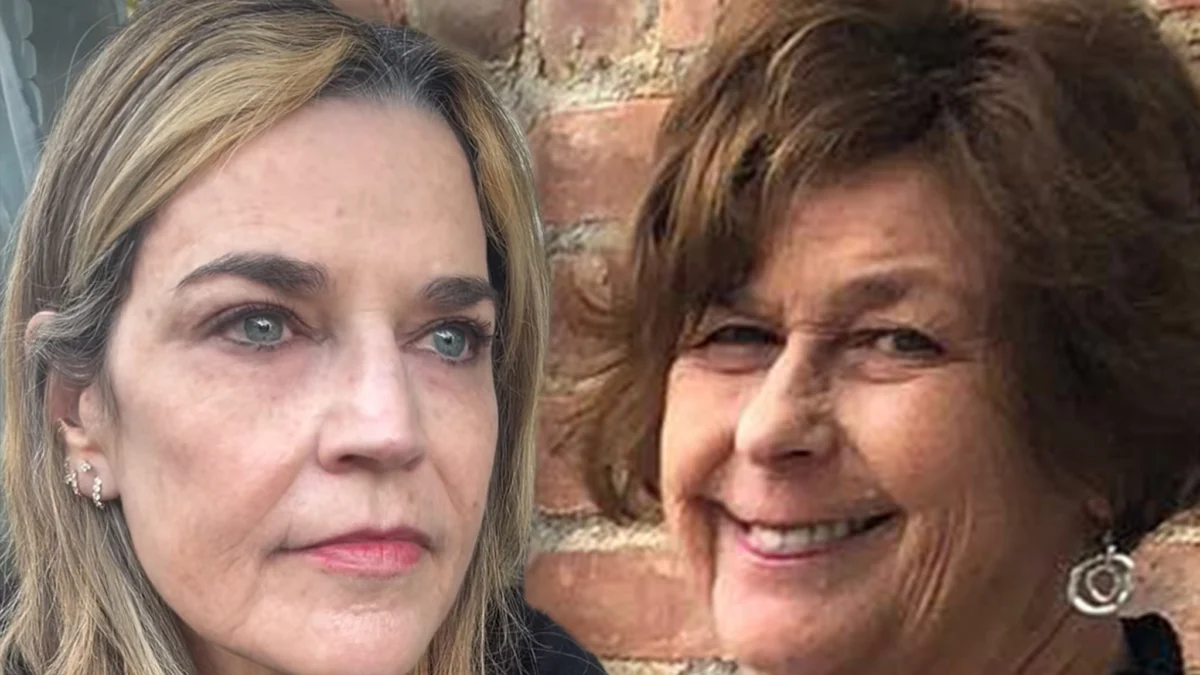
In a deeply emotional and candid interview, acclaimed journalist and television personality Savannah Guthrie broke her silence regarding the harrowing disappearance of her mother, Nancy Guthrie, expressing profound apologies to her family and, most notably, to her missing mother, over the agonizing possibility that her own public prominence may have inadvertently contributed to the crisis. The interview, conducted with her colleague Hoda Kotb, marked Guthrie’s first public statement since her mother vanished nearly two months ago, plunging the family into a vortex of uncertainty and fear. The raw vulnerability displayed by Guthrie underscored the immense psychological toll this ongoing ordeal has exacted on her and her loved ones, particularly as the investigation continues to yield no definitive answers.
The conversation, which aired on March 26, 2026, revealed the devastating moment Guthrie first learned of her mother’s disappearance. She recounted receiving a frantic call from her sister, Annie, who conveyed the alarming news that Nancy Guthrie could not be located. The initial shock quickly escalated into grave concern when her brother, a former military intelligence officer with a keen understanding of security threats, immediately suspected foul play. His professional assessment, informed by years of experience in high-stakes environments, pointed to the chilling possibility of a kidnapping for ransom. This hypothesis, while terrifying, immediately forced a stark re-evaluation of the family’s situation, introducing a layer of complexity and danger that had previously been unimaginable.
The Haunting Implication of Fame
It was during this harrowing initial discussion with her brother that a devastating realization struck Savannah Guthrie. Recalling the conversation with tearful candor, she recounted asking the question that had begun to fester in her mind: “I said, ‘Do you think because of me?’ And he said, ‘I’m sorry, sweetie, but yeah, maybe.’” This exchange, a brutal confirmation of her deepest fears, laid bare the terrifying burden of celebrity. For Guthrie, the notion that her public profile, built over decades of dedicated journalism, could have unwittingly rendered her beloved mother a target for malicious actors, proved almost unbearable. The weight of this potential connection to her mother’s plight was palpable throughout the interview, as Guthrie grappled with a guilt that transcended personal responsibility, touching upon the unforeseen perils of a life lived in the public eye.
"It’s too much to bear to think that I brought this to her bedside. That it’s because of me," Guthrie confessed, her voice thick with emotion, struggling to articulate the profound anguish of such a thought. This sentiment encapsulates the unique tragedy faced by public figures when their private lives intersect with grave public threats. The apology she issued was not just a conventional expression of regret but a visceral cry of remorse for a perceived indirect consequence of her career. "If it is me, I’m so sorry," she stated directly to her mother, and then extended it to her entire family, acknowledging the widespread suffering this situation has inflicted. This public act of contrition, even in the absence of conclusive evidence, highlights the immense personal responsibility and self-blame that can accompany such high-profile tragedies.
Chronology of a Disappearance: January 31, 2026
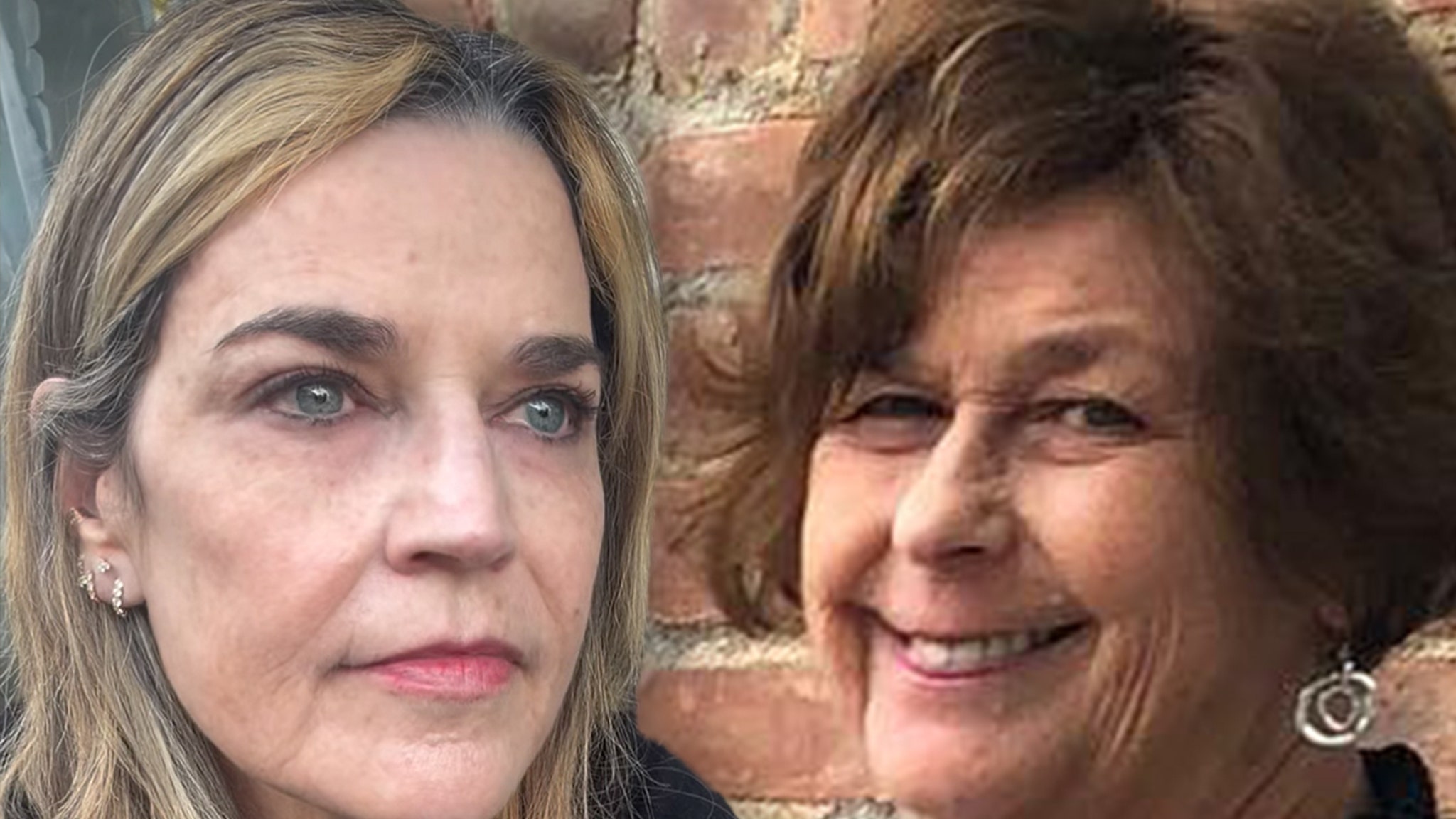
The timeline of Nancy Guthrie’s disappearance began on January 31, 2026. She was last seen after spending time with her daughter Annie and Annie’s husband, Tommaso Cioni. The specific circumstances leading up to her vanishing remain shrouded in mystery, intensifying the family’s torment and complicating investigative efforts. Initial reports indicated that Nancy had been enjoying a seemingly normal day, underscoring the sudden and inexplicable nature of her disappearance. The lack of immediate signs of struggle or forced entry at her last known location added to the confusion, initially leading to a period of anxious searching before the more sinister possibility of abduction gained traction within the family and subsequently, law enforcement.
Upon realizing Nancy was missing, the family initiated an urgent search, quickly escalating the matter to local authorities. Given the potential high-profile nature of the case, due to Savannah Guthrie’s celebrity status, the Federal Bureau of Investigation (FBI) was swiftly brought in to collaborate with local law enforcement agencies. This multi-agency response, typical in cases involving potential kidnapping or significant public interest, indicates the seriousness with which the situation was treated from the outset. The joint task force has since been working tirelessly, pooling resources and expertise in an attempt to locate Nancy Guthrie and ascertain the truth behind her disappearance.
The Investigation Unfolds: Leads and Challenges
The investigative efforts have been extensive, leveraging modern forensic techniques and traditional police work. One crucial piece of evidence obtained early in the investigation was doorbell camera footage. While specific details about the content of this footage have not been publicly disclosed by authorities, it reportedly captured images of a "potential suspect." The analysis of such footage is critical in identifying individuals of interest, tracking movements, and establishing a timeline of events. However, despite the promising lead, this evidence has yet to result in a breakthrough, indicating the complexity of the suspect’s movements or the difficulty in identifying them definitively.

Further complicating the investigation were alleged ransom notes that were reportedly passed along to the authorities. The existence of these notes, if confirmed and authenticated, would lend significant credence to the family’s fear of a kidnapping for ransom. Law enforcement agencies meticulously analyze such communications for forensic evidence, linguistic patterns, and specific demands that could lead to the perpetrators. However, as of March 26, 2026, these leads, including the alleged ransom notes, have so far come up empty. This lack of tangible progress, despite substantial effort, has only deepened the despair for the Guthrie family, leaving them in a agonizing state of limbo. The absence of concrete demands or actionable intelligence from these notes suggests either a sophisticated perpetrator intent on obfuscation or a potential misdirection, both of which pose significant challenges to investigators.
Broader Implications: Celebrity and Security Risks
The case of Nancy Guthrie’s disappearance highlights the often-unseen vulnerabilities faced by the families of high-profile individuals. While celebrity status brings privileges, it also introduces a unique set of security risks. Experts in personal security and crisis management often advise public figures to implement stringent security protocols not just for themselves but also for their immediate and extended families. These protocols can range from advanced home security systems and secure transportation to personal bodyguards and comprehensive threat assessments. The inference by Savannah Guthrie’s brother, a former military intelligence officer, that her fame might be a factor, underscores the very real threat of targeted abductions for financial gain or other nefarious purposes.
Such incidents often force public figures to re-evaluate their entire approach to privacy and security. The psychological burden of knowing that one’s professional success could inadvertently endanger loved ones is immense and profoundly isolating. For Savannah Guthrie, a journalist known for her composure and empathy, this personal tragedy has exposed a raw, human vulnerability that resonates deeply with the public. It serves as a stark reminder that beneath the polished veneer of television, there are individuals grappling with very real and devastating personal crises.
Community and Official Responses

Since Nancy Guthrie’s disappearance, there has been an outpouring of support from the public and the media community. Fellow journalists, celebrities, and fans have taken to social media to express their solidarity with Savannah Guthrie and her family, sharing missing person alerts and offering messages of hope. This collective sympathy, while comforting, also amplifies the public scrutiny surrounding the case, adding another layer of pressure on the investigative teams.
Official statements from law enforcement have been carefully worded, emphasizing the ongoing nature of the investigation and the commitment to finding Nancy Guthrie. The FBI, known for its expertise in complex criminal investigations, would be deploying resources such as behavioral analysis units, hostage negotiation teams (if applicable), and forensic specialists to process any and all potential evidence. Local police departments, familiar with the community and local intelligence, would be coordinating ground searches, interviewing witnesses, and following up on neighborhood tips. The collaboration between these agencies is paramount in cases of this magnitude, ensuring that no stone is left unturned. However, the tight-lipped nature of the investigation, while necessary to protect its integrity, often leaves the public and the family craving more information, intensifying the frustration.
The Enduring Hope Amidst Despair
Despite the lack of concrete breakthroughs, the family and authorities remain committed to finding Nancy Guthrie. Public appeals, though not explicitly detailed in the original report, would undoubtedly have been made, urging anyone with information, no matter how insignificant it may seem, to come forward. These appeals are often critical in generating new leads, especially in cases where initial investigative avenues have been exhausted. The emotional plea from Savannah Guthrie in her interview is, in itself, a powerful public appeal, leveraging her platform to keep her mother’s case in the public consciousness.
The long-term psychological impact on the family cannot be overstated. Living with the ambiguity of a missing loved one, particularly under such potentially sinister circumstances, is a form of prolonged trauma. Counseling and support networks become crucial for navigating the emotional landscape of grief, anxiety, and the relentless hope for a safe return. Savannah Guthrie’s decision to speak out, despite the immense personal pain, serves not only as a means of processing her own emotions but also as a powerful advocate for her mother, ensuring that the search for Nancy Guthrie remains a priority.
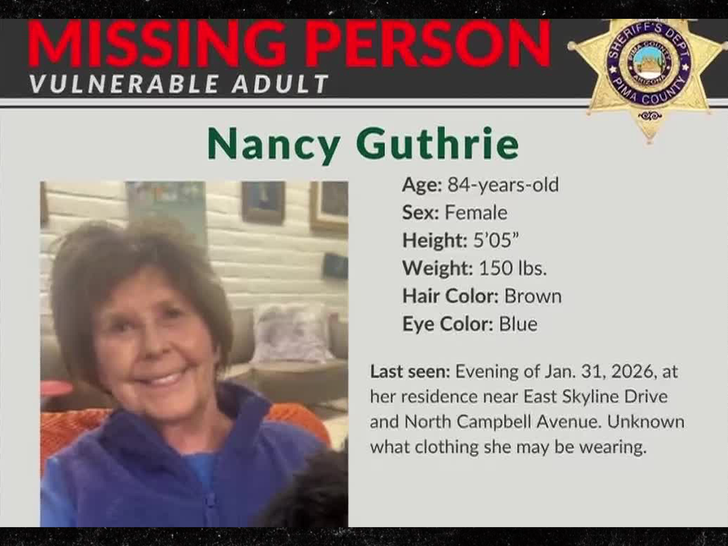
As the days turn into weeks and now months, the resolve of the investigative teams will be tested, but the commitment to bringing Nancy Guthrie home safely, or at least providing the family with answers, remains unwavering. Savannah Guthrie’s raw apology and the profound grief she openly shared serve as a poignant reminder of the human cost behind every headline, and the enduring strength of familial love in the face of an unimaginable ordeal. The world watches, waiting and hoping for a resolution to this distressing mystery.

0 Comments