
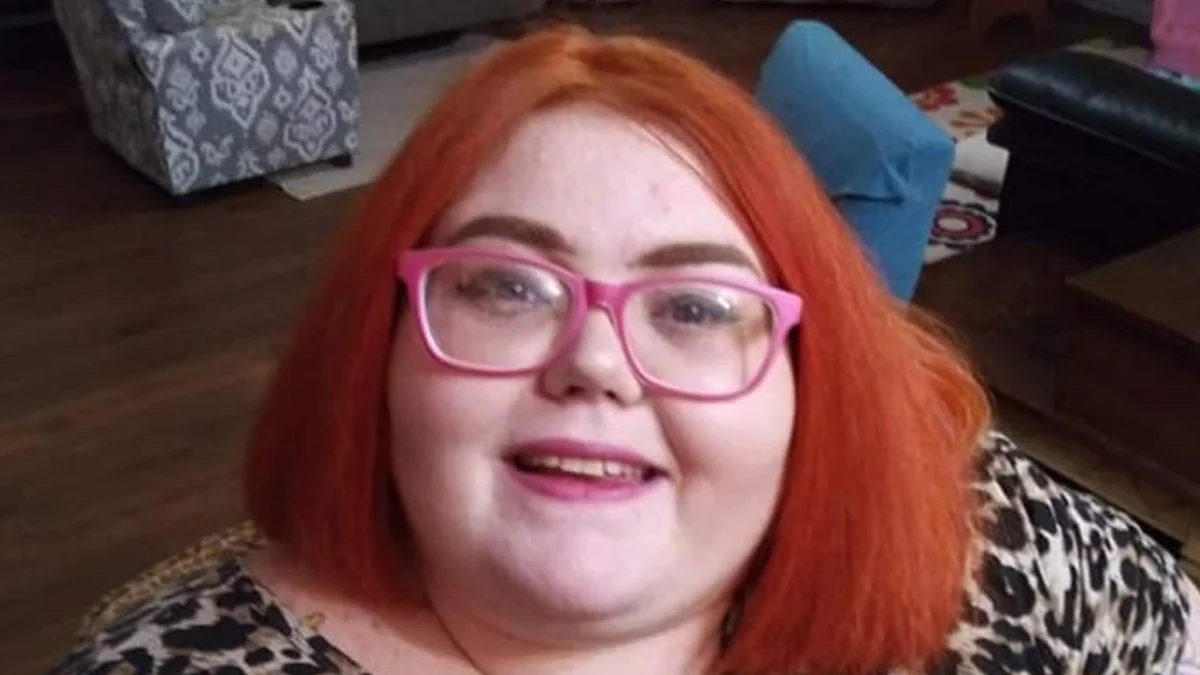
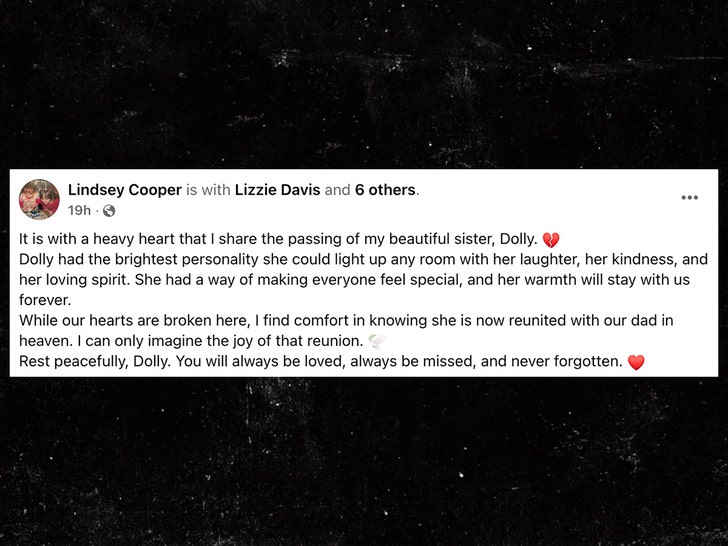
Dolly Martinez, a brave individual who shared her profound struggles with extreme obesity on TLC’s acclaimed series "My 600-Lb. Life," has tragically passed away at the age of 30. The heartbreaking news was confirmed by her sister, Lindsey, who posted an emotional tribute on Facebook this past Saturday, April 11, 2026. Lindsey remembered her sister as a person with the "brightest personality" whose laughter and inherent kindness had the power to illuminate any room she entered. The family, though deeply heartbroken by the sudden loss, takes solace in the belief that Dolly has been reunited with their father. Lindsey’s poignant message concluded with a heartfelt promise: "Rest peacefully… you will always be loved, always be missed, and never forgotten." As of the official announcement, the specific cause of Dolly Martinez’s untimely death has not been disclosed, leaving many fans and concerned viewers awaiting further information while mourning her passing.
The Impact of "My 600-Lb. Life" and Dolly’s Journey
"My 600-Lb. Life" has garnered significant attention and viewership since its debut, offering an unvarnished look into the lives of individuals battling morbid obesity. The series chronicles their often arduous and emotionally taxing journeys under the guidance of Houston-based bariatric surgeon Dr. Younan Nowzaradan, affectionately known as Dr. Now. Participants, typically weighing over 600 pounds, commit to a strict diet and exercise regimen, therapy, and significant lifestyle changes in hopes of qualifying for life-saving weight loss surgery. The show serves as a powerful, albeit sometimes controversial, platform to raise awareness about the severe health complications, psychological toll, and societal challenges faced by those living with extreme obesity.
Dolly Martinez appeared in Season 10 of the hit reality show, opening her life to millions of viewers and bravely detailing her struggles with food addiction and mental health. At the onset of her episode, Dolly’s weight was recorded at a critical 593 pounds. This extreme weight rendered her highly dependent on supplementary oxygen and required her to receive constant assistance with even the most basic daily tasks, highlighting the severe physical limitations imposed by her condition. Her narrative underscored the pervasive impact of morbid obesity, not just on physical health but also on independence, quality of life, and emotional well-being.
A Difficult Path Towards Health and Hope
Dolly’s commitment to transforming her health led her to make a significant life change, relocating from her home in Fort Worth, Texas, to Houston. This move was strategic, aimed at being closer to Dr. Nowzaradan’s medical practice, which is central to the "My 600-Lb. Life" program. The proximity was essential for regular appointments, medical evaluations, and intensive monitoring required for her weight loss journey and potential bariatric surgery. The process for qualifying for such a life-altering procedure is rigorous, demanding not only physical adherence to a strict diet but also profound psychological readiness and a demonstrated long-term commitment to a healthier lifestyle.
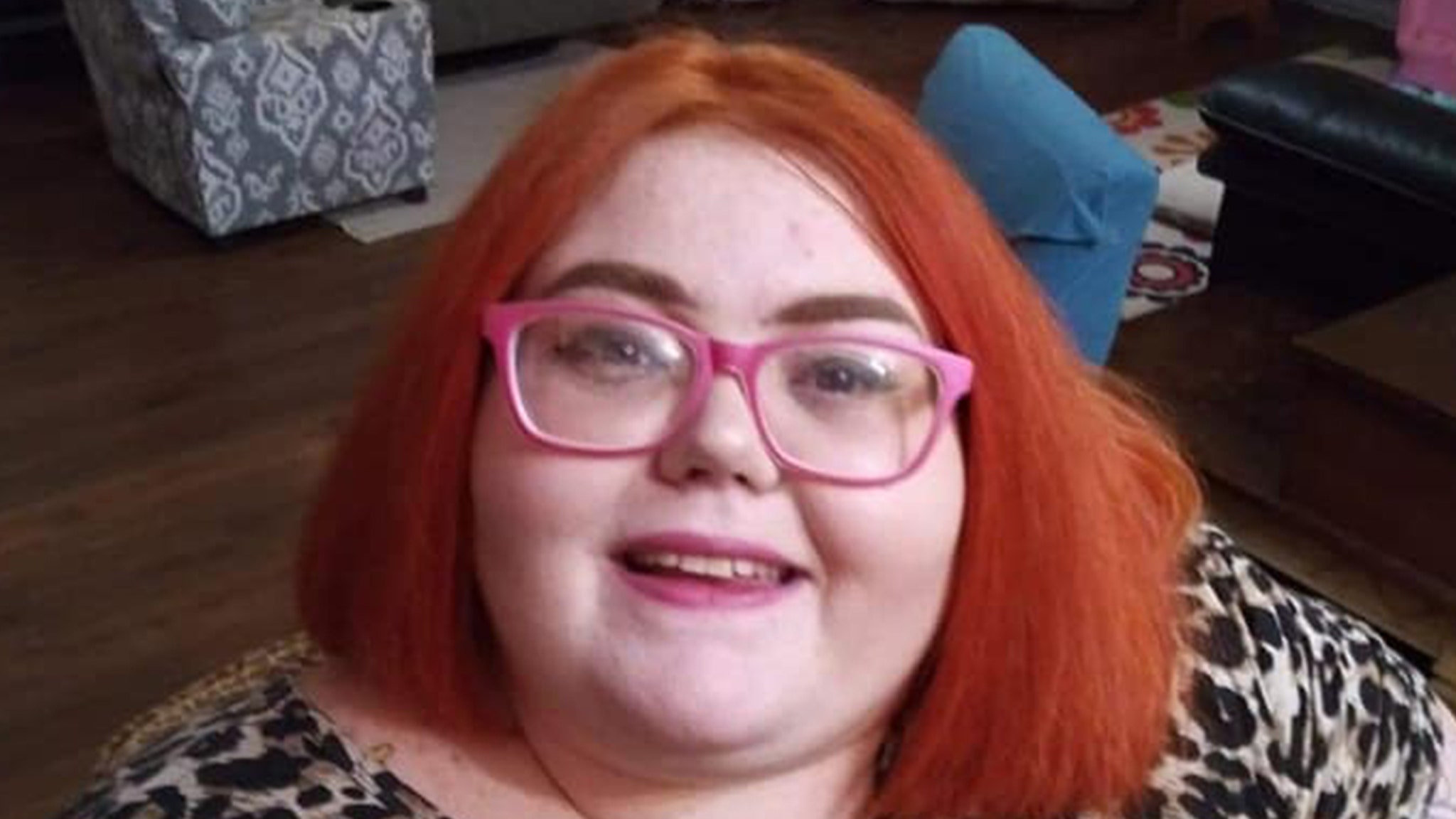
Throughout her documented journey on the show, Dolly showed commendable dedication, managing to lose approximately 40 pounds. While this was a significant achievement, particularly given the challenges she faced, it was not sufficient for her to be approved for weight loss surgery during her time on the program. Dr. Nowzaradan’s criteria for surgery are stringent, focusing on ensuring that patients are psychologically prepared for the massive changes ahead and have proven their ability to maintain a healthy diet and lifestyle post-operation. The denial of surgery can be a devastating setback for participants, yet it underscores the medical community’s cautious approach to bariatric procedures, which are not without risks and require unwavering patient commitment for successful long-term outcomes. Dolly’s story, therefore, became a poignant example of the immense hurdles individuals face, even with professional medical support, in overcoming severe food addiction and achieving sustainable weight loss.
Tributes and the Community’s Response
The announcement of Dolly Martinez’s death resonated deeply within the "My 600-Lb. Life" community, which includes past participants, dedicated viewers, and the show’s production team. Social media platforms, particularly Facebook, quickly became a space for an outpouring of grief and condolences. Lindsey’s tribute, emphasizing Dolly’s bright spirit and loving nature, painted a picture of a woman cherished by her family and friends, beyond her public persona on television. The collective sorrow highlights the emotional connection viewers often form with the show’s participants, witnessing their vulnerability, struggles, and moments of triumph.
While official statements from TLC or Dr. Nowzaradan have not yet been released regarding Dolly’s passing, it is anticipated that the news will undoubtedly send ripples through the tight-knit network of individuals who have participated in the show. Many former cast members maintain contact, offering mutual support and understanding born from shared experiences. The frequent tragedies that befall participants of "My 600-Lb. Life" serve as stark reminders of the severe health risks associated with morbid obesity and the ongoing, lifelong battle for health and survival. The online community’s reactions often reflect a mixture of sadness, empathy, and a renewed call for greater awareness and support for those facing similar struggles.
The Broader Implications: Health Risks and Morbid Obesity
Dolly Martinez’s death at such a young age tragically underscores the profound and often fatal health complications associated with morbid obesity. According to data from the Centers for Disease Control and Prevention (CDC), obesity is a serious, complex, and chronic disease that can lead to a multitude of severe health problems. Individuals with a Body Mass Index (BMI) of 40 or higher, classified as morbidly obese, face significantly increased risks of developing life-threatening conditions. These include, but are not limited to, Type 2 diabetes, severe cardiovascular diseases such as heart attack and stroke, various forms of cancer, sleep apnea and other respiratory disorders, debilitating joint problems, and non-alcoholic fatty liver disease.
The psychological toll is equally severe. Food addiction, as Dolly bravely discussed, is a complex behavioral and physiological condition that often co-occurs with mental health issues such as depression, anxiety, and trauma. The emotional comfort derived from food can create a vicious cycle, making weight loss incredibly challenging even with intensive medical intervention. The societal stigma surrounding obesity further exacerbates these mental health struggles, often leading to isolation and reduced access to social support networks, which are crucial for recovery.
Studies published in journals like The Lancet and JAMA have repeatedly demonstrated that severe obesity can reduce life expectancy by 5 to 10 years, and in some cases, even more significantly. For individuals with extreme obesity, the cumulative burden on the body’s systems can lead to premature organ failure, sudden cardiac events, and complications from pre-existing conditions. The struggle is not merely about weight; it is a battle for basic functionality, dignity, and ultimately, survival. Dolly’s passing serves as a somber reminder of this harsh reality and the urgent need for comprehensive, compassionate care for those grappling with this complex disease.
The Ongoing Legacy of Awareness and Compassion
The stories featured on "My 600-Lb. Life," including Dolly Martinez’s, play a crucial role in bringing the realities of extreme obesity and food addiction into the public consciousness. While the show has faced criticism regarding its portrayal of vulnerable individuals, it undeniably highlights the severe health crisis many face and the immense bravery required to confront it publicly. Dolly’s willingness to share her most personal struggles has undoubtedly resonated with countless viewers, offering a sense of understanding and validation to others who might be silently battling similar challenges.
Her journey, though cut short, contributes to a larger conversation about the systemic issues surrounding obesity: access to specialized healthcare, the availability of mental health support, and the need for greater empathy and less judgment towards individuals with weight-related issues. The tragic losses of participants from the show, including Dolly, serve as a potent call to action for increased research, more effective treatment modalities, and a more compassionate societal approach to a disease that continues to claim too many lives prematurely.
Dolly Martinez’s memory will endure not just within her grieving family but also among the many who witnessed her vulnerability, strength, and unwavering desire for a healthier life. Her story, like those of other participants, serves as a poignant reminder of the fragility of life and the profound challenges faced by those battling extreme obesity. At just 30 years old, her passing represents a profound loss, urging us all to reflect on the complexities of health, addiction, and the human spirit.
RIP.

0 Comments