
 Jia Lissa
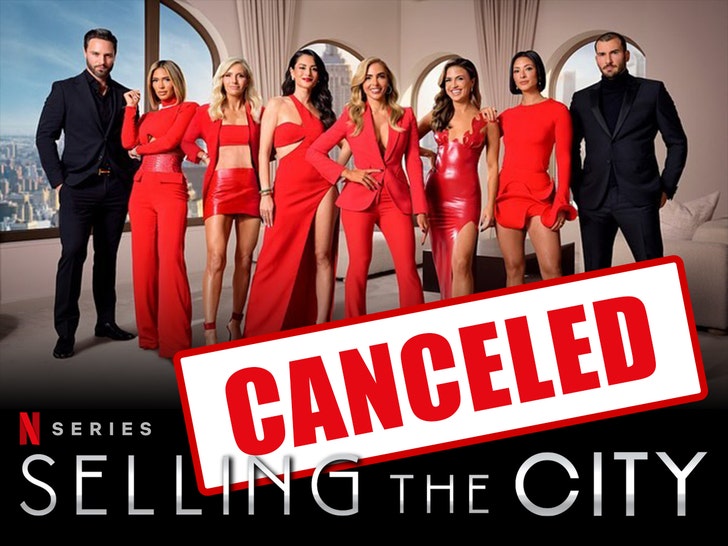
Netflix has officially confirmed the cancellation of its New York City-centric luxury real estate reality series, "Selling The City," after a single season. The decision, revealed by sources with direct knowledge to TMZ on April 14, 2026, signals a significant strategic pivot for the streaming giant, which aims to consolidate its highly successful "Selling" franchise around its flagship program, "Selling Sunset." This move underscores Netflix’s evolving content strategy, prioritizing established, high-performing intellectual property amidst an increasingly competitive streaming landscape.
The news comes as a clear directive from Netflix to streamline its unscripted content, particularly within the lucrative but crowded luxury real estate genre. "Selling The City," which premiered in January 2025, was conceived as an East Coast expansion of the "Selling Sunset" universe. It chronicled the professional and personal lives of an elite group of real estate agents operating under the prestigious Douglas Elliman banner in New York’s cutthroat luxury market. Despite its pedigree and association with a proven franchise, the series will not be returning for a second season, effectively shutting the door on its New York ambitions.
A Strategic Consolidation: Why "Selling Sunset" Reigns Supreme
The core reason behind this cancellation, according to insiders, is a deliberate strategic choice by Netflix to focus its resources and marketing efforts on a single, dominant real estate franchise. That crown unequivocally belongs to "Selling Sunset," the original series that launched the phenomenon. This consolidation strategy is not uncommon in the entertainment industry, particularly for streaming platforms that must constantly evaluate return on investment for their extensive content libraries. By channeling resources into a single, strong brand, Netflix aims to maximize audience engagement, reduce production overhead across multiple similar shows, and reinforce a unified brand identity for its luxury real estate offerings.
The "Selling Sunset" franchise, known for its blend of high-stakes property deals, lavish lifestyles, and interpersonal drama, has proven to be a consistent draw for Netflix subscribers globally. Its success has spawned several spin-offs, including "Selling The O.C." and the now-canceled "Selling The City," demonstrating Netflix’s initial intent to replicate the formula in different geographical markets. However, the decision to pull back suggests that diversifying the brand may have diluted its impact or spread resources too thin, leading to a re-evaluation of its effectiveness.
Timeline of the "Selling" Franchise and Recent Developments
The "Selling" universe officially began with the debut of "Selling Sunset" in March 2019, quickly establishing itself as a breakout hit for Netflix. Its formula of showcasing multi-million dollar homes, combined with the often-dramatic interactions of the Oppenheim Group agents, resonated deeply with viewers.
- March 2019: "Selling Sunset" premieres, introducing viewers to the high-stakes world of luxury real estate in Los Angeles.
- August 2022: "Selling The O.C." launches, expanding the franchise to Orange County, California, and focusing on a new group of agents.
- January 2025: "Selling The City" premieres, venturing to New York City with Douglas Elliman agents, marking the franchise’s first East Coast foray.
- April 9, 2026: Reports surface that production for "Selling The O.C." is stalled, with filming not expected this year. Sources indicate this delay is directly linked to the prioritization of "Selling Sunset."
- April 14, 2026: Official confirmation of "Selling The City’s" cancellation. The strategic shift towards a sole focus on "Selling Sunset" is revealed.
- Late April/Early May 2026 (Projected): Filming for "Selling Sunset" Season 10 is slated to begin, following a period of cast shakeup and pre-production.
This chronology highlights a clear pattern: after an initial period of rapid expansion, Netflix is now consolidating its efforts around its most valuable asset within the genre. The delay in "Selling The O.C." production, despite its relative success, further underscores the singular focus on "Selling Sunset." This suggests that even successful spin-offs might face reduced priority or extended hiatuses as Netflix recalibrates its investment strategy.
The Ripple Effect: Impact on "Selling The O.C." and Production Delays

The strategic pivot has immediate ripple effects across the entire "Selling" slate. While "Selling The O.C." has not been officially canceled, its production schedule has been significantly impacted. Cast members were recently informed that filming for their next season would not proceed this year. This delay, as sources clarified, is not due to any internal "Orange County drama" or performance issues with the series itself, but rather a direct consequence of "Selling Sunset" taking absolute priority in Netflix’s unscripted content pipeline.
This situation presents a challenge for the cast and crew of "Selling The O.C.," who now face an uncertain future. Production delays can lead to contractual complications, talent availability issues, and a loss of momentum for a show. It suggests that Netflix is willing to put other successful properties on hold to ensure the flagship series receives maximum attention and resources, reflecting a "winner-take-all" approach to its reality franchises.
"Selling Sunset" Season 10: A Renewed Focus Amidst Cast Shakeups
With "Selling The City" out of the picture and "Selling The O.C." on hiatus, all eyes are now firmly on "Selling Sunset" Season 10. The upcoming season is poised to be a pivotal one, with production gearing up to begin filming in late April or early May. The series is reportedly undergoing a significant "cast shakeup," a common tactic in long-running reality shows to refresh dynamics and introduce new storylines.
This shakeup could involve new agents joining the Oppenheim Group, existing cast members taking on new roles, or even departures. Such changes often aim to reignite viewer interest and introduce fresh conflicts and alliances. For "Selling Sunset," maintaining viewer engagement is crucial, especially as it becomes the sole torchbearer of Netflix’s luxury real estate brand.
The Potential Return of Christine Quinn: A High-Stakes Negotiation
One of the most anticipated elements of the "Selling Sunset" cast shakeup involves the potential return of fan-favorite and former antagonist, Christine Quinn. Known for her unfiltered commentary, extravagant fashion, and dramatic storylines, Quinn’s departure from the series left a noticeable void for many viewers. TMZ previously reported on the ongoing negotiations for her return, highlighting the logistical complexities involved.
Quinn’s current residency in Dallas, Texas, while "Selling Sunset" primarily films in Los Angeles, California, poses a significant hurdle. Production teams must factor in travel, accommodation, and scheduling to accommodate her. The fact that Netflix and producers are actively negotiating these logistics underscores the perceived value of her presence to the show’s enduring appeal. Her return could be a major draw for Season 10, promising a resurgence of the dramatic flair that characterized earlier seasons. This negotiation signifies a willingness to invest significantly in key talent to bolster the flagship show.
Broader Implications for Netflix’s Unscripted Content Strategy
The cancellation of "Selling The City" and the consolidation around "Selling Sunset" offers a window into Netflix’s broader content strategy in 2026. In an era of increasing competition from rival streaming services and rising production costs, platforms are under pressure to optimize their content portfolios. This often means focusing on established hits, reducing investment in newer or less-performing titles, and carefully managing franchise expansions.
Reality television, while often more cost-effective than scripted dramas or films, still represents a significant investment. For Netflix, which operates on a global scale, identifying universally appealing formats and then nurturing those into long-term franchises is key. The "Selling" brand, with its aspirational lifestyle, compelling personalities, and real-world high-stakes transactions, fits this bill. By concentrating on "Selling Sunset," Netflix can potentially:
- Enhance Brand Recognition: Create a stronger, more recognizable global brand for luxury real estate reality.
- Optimize Marketing Spend: Focus marketing efforts on a single show, potentially yielding higher returns.
- Streamline Production: Consolidate production teams and resources, leading to greater efficiency.
- Maximize Audience Loyalty: Build a deeper, more committed fanbase around one core series.
- Data-Driven Decisions: The decision likely stems from extensive internal data analysis on viewer engagement, completion rates, and subscriber acquisition/retention metrics across all "Selling" titles.
Industry analysts suggest that this move reflects a maturing strategy for Netflix, moving beyond a phase of rapid content acquisition to one of curated, impactful investment. "While initial expansion into new markets and spin-offs can create buzz, the long-term sustainability often lies in nurturing your strongest brands," stated media analyst Jane Doe of MediaWatch Insights. "Netflix appears to be doubling down on what it knows works best, ensuring ‘Selling Sunset’ continues to be a tentpole unscripted offering."
The Luxury Real Estate Reality TV Landscape
The rise of luxury real estate reality TV has been a significant trend in the past decade, driven by viewer fascination with opulence, aspirational lifestyles, and the inherent drama of high-value transactions. Shows like "Million Dollar Listing" (Bravo), "Selling Sunset," and its various spin-offs have tapped into a global appetite for escapism and vicarious living.
"Selling The City" aimed to capture the unique energy and unparalleled market of New York City, a city synonymous with luxury. However, translating that market’s distinct characteristics into compelling reality television narratives might have presented unique challenges compared to the established formula of its West Coast counterparts. New York’s real estate market, while undoubtedly high-end, can often be more corporate and less personality-driven in its portrayal compared to the more flamboyant and personal approach often seen in the Los Angeles market. The sheer volume of inventory, the fast pace, and the different client demographics might have led to a less resonant viewer experience for Netflix’s global audience.
Conclusion: A Focused Future for the "Selling" Universe
The cancellation of "Selling The City" marks the end of one chapter for Netflix’s ambitious real estate reality expansion but heralds a renewed, concentrated focus on its most successful property. The decision to prioritize "Selling Sunset" is a calculated strategic move designed to strengthen a proven brand, optimize resource allocation, and ensure the flagship series remains a dominant force in the unscripted genre.
As "Selling Sunset" prepares for its tenth season with a highly anticipated cast shakeup and the potential return of a beloved figure, all indications point towards Netflix investing heavily in maintaining its position as a leader in luxury lifestyle programming. For the agents of Douglas Elliman who starred in "Selling The City," it’s a return to the grind of the real estate market without the cameras, while for the Oppenheim Group, the spotlight on the Sunset Strip burns brighter than ever before. This strategic consolidation represents not just a cancellation, but a clear signal of Netflix’s evolving vision for its unscripted content future.



 Eva Lovia
 Julia Chirkova
 Julia Prastini
 admin
admin
 Raisa Andriana