
 Lana Rhoades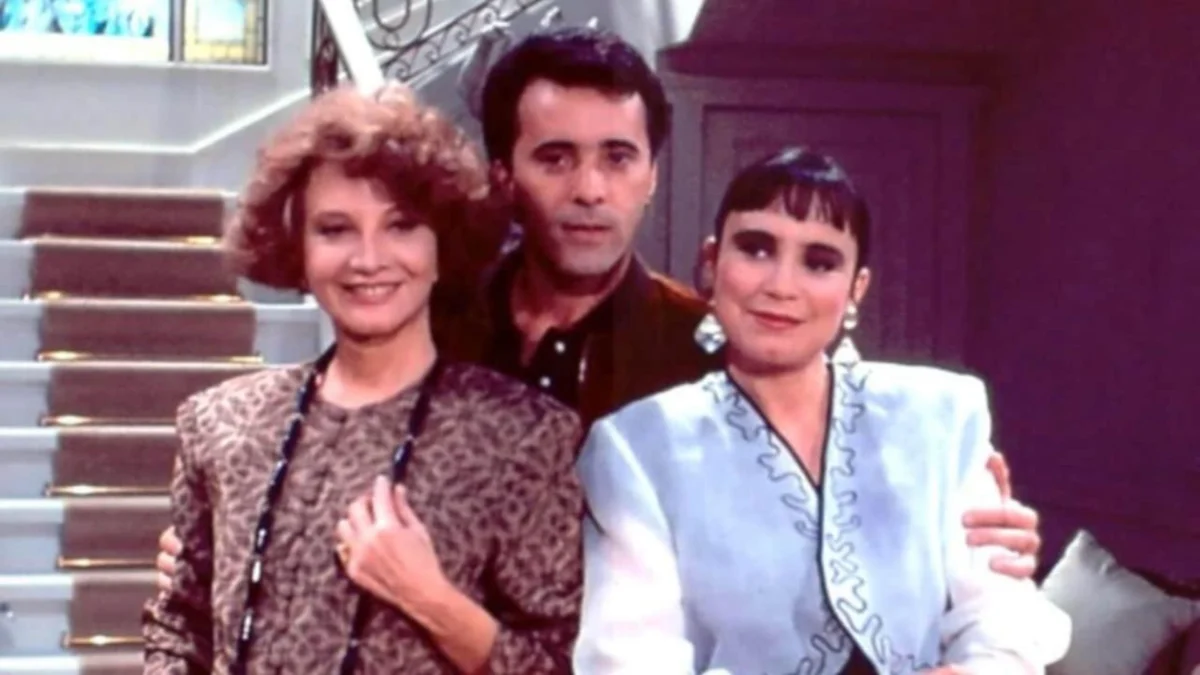
The passing of beloved Brazilian actress Thelma Reston on December 20, 2022, at the age of 73 in Rio de Janeiro, following a three-year battle with cancer, sent ripples of sorrow across the internet and the national artistic community. The news, confirmed by close friends and the press office of TV Globo, marked the end of a prolific career that spanned decades and encompassed theater, cinema, and television, leaving an indelible mark on Brazil’s cultural landscape. Her death brought an immediate outpouring of tributes and recollections, with many fans revisiting her extensive body of work, a testament to her enduring appeal and the profound impact she had on generations of viewers and fellow artists.
The resurgence of public interest in Thelma Reston’s career was particularly amplified by the recent re-airing of "Rainha da Sucata" (Queen of Scrap, 1990) on TV Globo’s "Vale a Pena Ver de Novo" (It’s Worth Watching Again) slot. In this iconic telenovela, Reston delivered a memorable performance as a nurse at the psychiatric clinic where Renato (Daniel Filho) commits Mariana (Renata Sorrah), showcasing her characteristic ability to imbue even supporting roles with depth and nuance. This timely re-exposure to her talent served as a poignant reminder of her significant contributions and reignited conversations about her multifaceted career, drawing new audiences and rekindling nostalgia among long-time admirers.
Early Life and Formative Years: A Journey from Piracanjuba to Rio’s Theatrical Heart
Born in Piracanjuba, a municipality in the interior of Goiás state, Thelma Reston embarked on her artistic journey far from the major cultural centers. Her early life in a smaller town provided a unique perspective, perhaps fueling her ambition to seek broader horizons. Recognizing her burgeoning talent and passion for the performing arts, she eventually made the pivotal decision to relocate to Rio de Janeiro, then and now a vibrant epicenter of Brazilian culture. This move proved to be a defining moment, placing her at the heart of an era of significant artistic ferment.
In Rio, Reston immersed herself in formal training, honing her craft under the tutelage of some of Brazil’s most revered theatrical figures. Her education included working with luminaries such as Adolfo Celi, an influential Italian theater and film director who significantly impacted Brazilian stagecraft; Dulcina de Moraes, a legendary actress and founder of one of the country’s most important theater schools, known for her rigorous classical training; and Maria Clara Machado, a celebrated playwright and founder of "O Tablado," a renowned children’s theater company and school that fostered countless talents. This diverse and rigorous education provided Reston with a robust foundation, equipping her with a versatile skill set that would allow her to navigate the varied demands of different artistic mediums and genres throughout her career. These masters instilled in her a deep appreciation for textual analysis, character development, and stage presence, elements that became hallmarks of her performances.
A Distinguished Career Across Mediums: From Stage to Silver Screen
Thelma Reston’s artistic journey began on the stage, where she quickly established herself as a formidable presence. The theater provided her initial platform to explore the depths of human emotion and master the art of live performance, an experience that undoubtedly shaped her subsequent work in film and television. Her stage work was characterized by a powerful command of presence and a keen interpretive ability, earning her respect within the theatrical community.
Her transition to the silver screen marked a new chapter in her career. Reston made her cinematic debut in 1964 with the film "Asfalto Selvagem" (Wild Asphalt), a role that immediately showcased her potential. The 1960s were a dynamic period for Brazilian cinema, marked by the emergence of Cinema Novo, a groundbreaking movement that sought to create a distinct national cinema rooted in social realism and political commentary. Reston demonstrated a rare adaptability, effortlessly moving between the artistic rigor and often stark realities depicted in Cinema Novo productions and the broader appeal of more commercially oriented films. This versatility allowed her to collaborate with a wide array of directors and explore diverse narratives, solidifying her reputation as a flexible and dependable actress. She was known for her dedication to each role, regardless of its size or the film’s budget, always striving for authenticity.
The critical recognition of her exceptional talent reached a significant peak in 1980 with her memorable performance in "Os Sete Gatinhos" (The Seven Kittens), an adaptation of Nelson Rodrigues’s iconic play. Her portrayal in the film garnered her the prestigious Best Actress award at the Festival de Gramado, one of Latin America’s most important film festivals. This accolade not only cemented her status as a leading actress but also highlighted her ability to interpret complex, psychologically rich characters, a hallmark of Rodrigues’s work. "Os Sete Gatinhos" is a dark comedy delving into bourgeois hypocrisy and sexual repression, and Reston’s performance was lauded for its nuanced portrayal of a character grappling with societal pressures and internal turmoil, demonstrating her profound understanding of the human condition.
Television’s Beloved Figure: A Gallery of Memorable Characters
While her contributions to theater and cinema were substantial, it was arguably in television that Thelma Reston became a household name for millions of Brazilians. Over several decades, she built an extensive gallery of unforgettable characters, showcasing her remarkable range and ability to balance profound drama with sharp, often acid, humor. Her consistent presence on TV Globo, Brazil’s largest television network, made her a familiar and cherished face in countless homes.
Reston became a particularly recurrent and beloved figure in the works of renowned writer and director Miguel Falabella. Falabella, known for his witty dialogue and keen observations of Brazilian society, frequently cast Reston in his productions, recognizing her unique ability to bring his characters to life with authenticity and comedic timing. Their collaboration resulted in several memorable roles, where Reston often played strong, independent women, sometimes with a quirky edge, sometimes with a deep emotional core, always captivating the audience. These roles further solidified her reputation as an actress capable of delivering performances that resonated deeply with the public.
Her television credits are extensive, reflecting her commitment to the medium. From early soap operas to miniseries and prime-time dramas, Reston consistently delivered impactful performances. She embodied characters across the social spectrum, from matriarchs to maids, professionals to eccentrics, always bringing a distinct human touch. Her last recorded appearance in a telenovela was as the charismatic and somewhat mischievous Dona Violante in "Aquele Beijo" (That Kiss, 2011-2012), another production by Miguel Falabella. In this role, she once again demonstrated her capacity to create a character that was both endearing and memorable, leaving a lasting impression on viewers before her eventual retreat from the screen due to health reasons.
The Final Battle and Public Remembrance
Thelma Reston’s final years were marked by a courageous three-year battle against cancer. Despite the immense physical and emotional toll of the illness, she faced it with the same quiet dignity that characterized her public life. Her hospitalization at Hospital São Lucas in Copacabana, Rio de Janeiro, during her last days, underscored the gravity of her condition. The news of her passing on December 20, 2022, was met with deep sadness across the country, as fans and colleagues alike mourned the loss of a truly exceptional talent.
The initial announcement, confirmed by close friends and the official channels of TV Globo, swiftly spread across social media platforms, triggering a wave of tributes. The internet, which the original article noted was moved by her passing, became a virtual memorial, with countless posts sharing memories, photographs, and clips from her most iconic performances. This digital outpouring of grief highlighted the personal connection many Brazilians felt with Reston, who, through her roles, had become an honorary member of their families.
Industry Reactions and Tributes
The news of Thelma Reston’s death prompted immediate and heartfelt reactions from the Brazilian artistic community. Colleagues, directors, writers, and fellow actors took to social media and gave interviews expressing their sorrow and admiration. Many spoke of her professionalism, her warmth, and her unwavering dedication to her craft. Tributes often highlighted her versatility and the ease with which she transitioned between comedic and dramatic roles, always delivering authentic and compelling performances.
Miguel Falabella, a frequent collaborator and admirer, likely shared poignant words, reflecting on their long professional relationship and friendship. Actresses who had shared the stage or screen with her, such as Renata Sorrah (her co-star in "Rainha da Sucata"), would have offered condolences and fond memories of working alongside such a talented individual. The general sentiment was one of profound respect for her artistic contributions and a deep sense of personal loss for her kind and generous spirit. TV Globo, her long-time professional home, would have undoubtedly dedicated segments in its news programs and entertainment shows to honor her memory, showcasing highlights from her illustrious career. The artistic unions and associations would also have issued official statements, recognizing her immense contribution to Brazilian culture.
The Broader Impact and Enduring Legacy
The passing of Thelma Reston not only marked the end of a remarkable individual career but also prompted a broader reflection on the legacy of Brazilian acting. Her trajectory, from a small town in Goiás to the national stage and screen, serves as an inspiration for aspiring artists. Her commitment to diverse roles, her ability to embody characters from various social strata, and her mastery of different performance styles underscore the depth and richness of her artistic contribution.
Reston’s legacy is multifaceted. She was an actress who embraced the nuances of her roles, whether in the gritty realism of Cinema Novo, the emotional intensity of the stage, or the widespread appeal of television. Her performances were characterized by authenticity and a profound understanding of human nature, making her characters relatable and memorable. The revival of "Rainha da Sucata" and the subsequent surge in public remembrance serve as a powerful testament to the enduring impact of her work. It highlights how classic television productions continue to introduce new generations to the talents of past artists, ensuring their contributions are not forgotten.
In an industry often focused on fleeting fame, Thelma Reston’s career stood as a beacon of consistent quality and artistic integrity. She was a true professional who dedicated her life to the arts, leaving behind a rich tapestry of performances that will continue to educate, entertain, and move audiences for years to come. Her memory will undoubtedly be preserved in the annals of Brazilian cultural history, not just as an actress of great skill, but as a beloved figure who touched the hearts of many. Her contributions paved the way for future generations of actors and helped shape the identity of Brazilian performing arts. Thelma Reston may have departed, but her artistic spirit and the characters she brought to life will continue to resonate, reminding us of the power of art to transcend time.



 Eva Lovia
 Julia Chirkova
 Julia Prastini
 Nila Kartika Wati
 Lina Irawan
 Jia Lissa