
 Pevita Pearce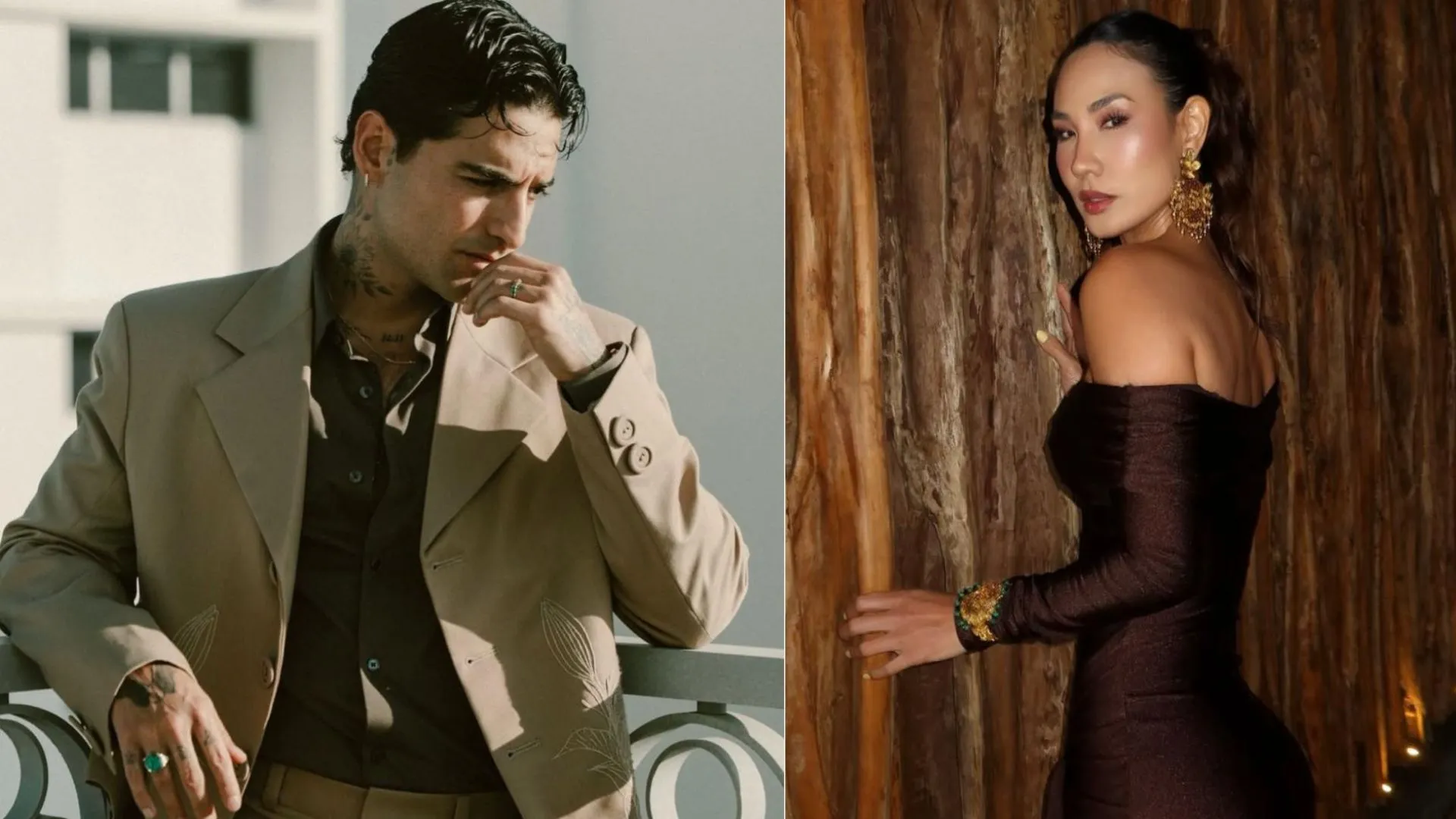
The long-rumored past relationship between Colombian superstar Maluma, real name Juan Luis Londoño Arias, and Japanese-Colombian model and actress Akemi Nakamura has resurfaced dramatically, with Nakamura publicly detailing emotional turmoil and accusations of disloyalty against the reggaeton artist during her participation in a Chilean reality television show. The candid revelations, delivered through a poignant letter read aloud on air, have ignited a firestorm of discussion across social media and entertainment news outlets, prompting a closer examination of the singer’s personal life and the lingering impact of his past relationships.
A Model’s Unburdening: Accusations Surface on "Tierra Brava"
Nakamura, a contestant on the popular Chilean reality program "Tierra Brava," utilized a segment designed for contestants to address letters to individuals they missed or had unresolved feelings towards. Her chosen recipient was Maluma, with whom she reportedly maintained a discreet relationship for approximately eight years, concluding around 2018. The letter, far from a simple expression of nostalgia, became a platform for Nakamura to articulate deep-seated hurt and disappointment, painting a starkly different picture of their connection than the public persona often portrayed by the Grammy-winning artist.
The core of Nakamura’s emotional outpouring revolved around what she described as a profound lack of loyalty and gratitude from Londoño. She explicitly stated that the pain inflicted was not solely due to infidelity, a common theme in romantic relationships, but rather the perceived deliberate undermining of her emotional and personal foundations. "The fact that you ridiculed me, humiliated me, and trampled on everything I had built," she confessed, her voice reportedly filled with emotion during the broadcast, directly addressing Londoño. This phrasing suggests a pattern of behavior that went beyond mere romantic indiscretions, hinting at a more calculated and damaging approach that left lasting scars.
A Chronicle of a Discreet Romance and Its Bitter End
The relationship between Nakamura and Maluma, though apparently significant in duration, was maintained with considerable privacy. Sources close to the situation, who prefer to remain anonymous due to the sensitive nature of the topic, indicate that the couple navigated their romantic involvement away from the intense glare of the public eye for nearly a decade. This discretion, while potentially aimed at protecting their private lives, has now contributed to the public’s fascination with the details Nakamura has chosen to reveal.
The timeline provided by Nakamura places the end of their relationship in 2018. This timing is particularly noteworthy as it coincided with Maluma’s brief public romance with another model shortly thereafter. Nakamura’s letter alludes to this period, suggesting that the abruptness and circumstances of their separation contributed to a lingering sense of humiliation. "This stage influenced how I experienced the breakup, leaving me with a feeling of humiliation that still accompanies me," she shared, indicating that the public and personal aftermath of their split was a deeply painful experience for her.
More Than Just Infidelity: The Weight of "Disloyalty"
Nakamura’s articulation of "disloyalty" extends beyond typical romantic transgressions. She implied a deeper betrayal, suggesting that Londoño’s actions not only impacted their relationship but also his perception of her. The phrase "for me you were everything, while I was nothing to you" encapsulates this sentiment of unequal investment and emotional disparity. This suggests a feeling of being used or devalued, despite her significant commitment to the relationship.
While her letter conveyed significant pain, Nakamura also acknowledged the positive aspects of their shared past. She admitted to missing certain elements of their relationship, expressing a desire for a connection that "makes me vibrate" and longing for "the Juan Luis I knew." This duality—acknowledging past affection while confronting present hurt—adds a layer of complexity to her narrative, suggesting that her revelations are not driven by malice but by a need for closure and perhaps a desire for acknowledgement of the pain she endured.
Furthermore, she revealed a poignant detail about their shared life: Maluma’s culinary skills. "No one cooks like Juancho cooks," she confessed, reportedly in tears, highlighting a tender and domestic aspect of their former life together. This intimate detail humanizes both individuals and underscores the personal nature of the relationship that Nakamura is now discussing on a public platform.
Maluma’s Ascendancy and the Silence from "Pretty Boy"
During the period of his relationship with Nakamura, Juan Luis Londoño Arias was steadily building his international music career. By 2018, Maluma was already a formidable force in Latin music, with hits like "Corazón" and "Felices los 4" dominating charts worldwide. His global appeal and subsequent collaborations with international artists solidified his status as a leading figure in the reggaeton and Latin urban music genres. His career trajectory has been meteoric, marked by sold-out tours, numerous awards, and a significant social media presence, all contributing to the immense public interest in his personal life.
Despite the significant revelations made by Akemi Nakamura, Maluma has remained conspicuously silent on the matter. As of the reporting of this article, neither Maluma nor his representatives have issued any public statement or comment regarding Nakamura’s declarations on "Tierra Brava." This lack of response is not unusual in the entertainment industry, where public figures often opt to avoid engaging with personal controversies through the media. However, in this instance, Maluma’s silence has only amplified the speculation and debate surrounding Nakamura’s claims.
The Current Landscape: Maluma’s Family Life and Public Perception
In stark contrast to the tumultuous past relationship now being brought to light, Maluma is currently in a stable and public relationship with Susana Gómez. The couple welcomed their first child, a daughter named Paris, in March 2024. This current chapter of his life, characterized by domesticity and family, stands in sharp relief to the romantic entanglements and alleged betrayals from his earlier years. His public image is largely that of a devoted partner and father, which makes Nakamura’s revelations particularly striking and potentially disruptive to his carefully curated persona.
The impact of Nakamura’s statements is already evident across digital platforms. Social media feeds are awash with divided opinions. Some users have expressed solidarity with Nakamura, commending her bravery in speaking out and validating her experiences of hurt and betrayal. These supporters often highlight the power dynamics inherent in celebrity relationships and emphasize the importance of holding public figures accountable for their actions.
Conversely, a significant segment of Maluma’s fanbase has rallied in his defense. These individuals often question the timing and motivations behind Nakamura’s disclosures, suggesting that she may be seeking attention or capitalizing on Maluma’s fame. They point to his current family life as evidence of his maturity and commitment, implying that past actions, if true, are irrelevant to his present circumstances. This division in public opinion underscores the polarized nature of celebrity gossip and the difficulty in discerning objective truth when personal narratives are involved.
Broader Implications: The Scrutiny of Celebrity Relationships
Akemi Nakamura’s televised revelations serve as a potent reminder of the intense scrutiny that celebrity relationships undergo. The public’s fascination with the private lives of stars often leads to intense speculation and judgment, particularly when personal histories intersect with public personas. Nakamura’s narrative, by bridging the gap between a private past and a public present, has reignited discussions about loyalty, respect, and the emotional toll that romantic relationships can take, especially within the high-pressure environment of the entertainment industry.
The incident also highlights the evolving nature of reality television as a platform for personal expression and, at times, catharsis. What began as a segment for expressing longing has transformed into a public forum for airing deeply personal grievances, blurring the lines between entertainment and genuine emotional unburdening. The long-term implications of Nakamura’s disclosures remain to be seen, but they have undoubtedly added a complex and emotionally charged chapter to the ongoing public narrative surrounding Maluma and his past. The conversation continues, fueled by the inherent drama of a star’s personal history being brought into the spotlight by someone who claims to have been profoundly affected by it.

 Eva Lovia
 Julia Chirkova
 Julia Prastini
 Jia Lissa
 admin
admin
 Raisa Andriana