
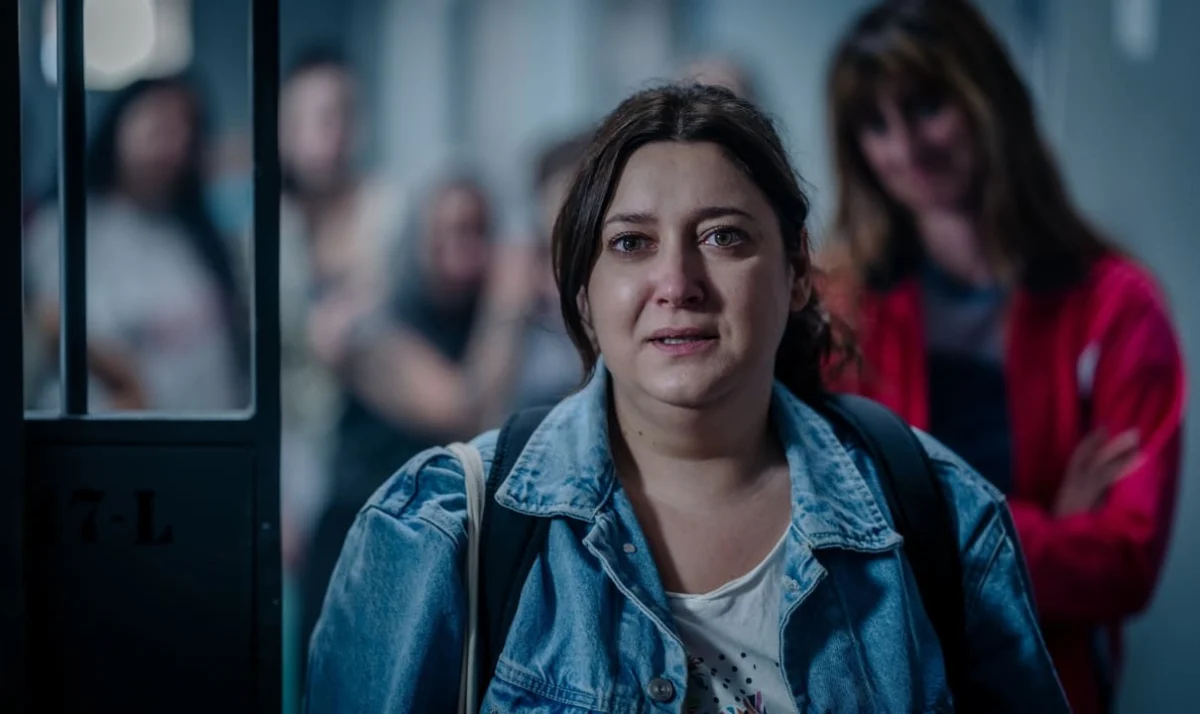
Madrid, Spain – April 15, 2026 – Radiotelevisión Española (TVE) has unveiled its carefully orchestrated launch strategy for its new fictional series, "Barrio Esperanza," a move that signifies more than a standard premiere. The public broadcaster is positioning the drama with a significant programming maneuver, dedicating a special evening on La 1 this Sunday, April 19th, aiming to transform the series’ debut into a prominent television event and a dedicated appointment for viewers.
This strategic decision places "Barrio Esperanza" squarely in the Sunday prime time slot, a period of high viewership and considerable importance for TVE. The broadcaster intends to leverage this prime position to ensure maximum visibility for the series from its inception, underscoring its status as a flagship fiction offering. The ambition behind this programming choice is to not only introduce the series effectively but also to reinforce one of the most potent nights in TVE’s broadcasting schedule.
A Multi-Faceted Premiere Event
The programming strategy for "Barrio Esperanza" extends beyond a singular episode premiere. TVE has meticulously crafted a thematic evening designed to immerse the audience in the world of the series, aiming to create a cohesive and engaging experience that transcends the fiction itself. This approach seeks to elevate the premiere from a mere introduction to a broader programming event, with the objective of retaining viewer attention for an extended period and amplifying the social resonance of the narrative.
The decision to dedicate an entire evening to "Barrio Esperanza" suggests a calculated effort to build momentum and generate substantial buzz. This could involve pre-show content, behind-the-scenes glimpses, or discussions related to the series’ themes, all designed to enhance audience engagement before the main drama unfolds. By extending the series’ universe thematically, TVE aims to cultivate a deeper connection with its audience, fostering a sense of community and shared experience around the new drama.
Uncertainty Regarding Long-Term Scheduling
This elaborate launch strategy naturally raises questions about the series’ future programming. A significant unknown is whether Sunday, April 19th, will serve as an exclusive showcase or if TVE has contingency plans for schedule adjustments based on the initial audience response. Historically, public broadcasters have sometimes utilized high-visibility launch platforms like prime-time Sundays to introduce new content before potentially shifting it to a more consistent, mid-week slot once initial traction is established. Such a move would allow for a more stable viewing habit to develop over the subsequent weeks.
The success of this initial push hinges on the effectiveness of its long-term execution. While a strong premiere can undoubtedly capture attention and initiate conversation, sustaining that momentum requires a well-defined and adaptable broadcasting plan. The critical question for "Barrio Esperanza" will be whether its initial impact translates into sustained viewership and audience loyalty.
Analyzing the Emission Model: Impact vs. Sustainability
The choice of emission model presents a key challenge for the series’ longevity. A powerful launch can be instrumental in generating initial curiosity and placing the series at the forefront of public discussion. However, maintaining this high-impact approach after the premiere is a different matter entirely. The long-term trajectory of "Barrio Esperanza" will likely be shaped by TVE’s ability to balance immediate attention-grabbing tactics with a sustainable broadcasting strategy.
There exists a delicate equilibrium between an attention-grabbing debut and a strategy that ensures lasting appeal. If TVE accelerates the pace too aggressively, the series’ narrative arc might feel compressed, potentially limiting its long-term impact. Conversely, opting for a more conventional, perhaps weekly, emission model could provide greater flexibility to cultivate viewing habits and allow the fiction to evolve organically with its audience. This approach would offer more room for gradual audience growth and deeper engagement with the characters and storylines.
Contextualizing the Sunday Prime Time Slot
The specific choice of the Sunday prime time slot carries significant contextual weight. Sundays are traditionally associated with broader family viewing and are often seen as a period for "event" programming. This makes it an ideal slot for a major series launch, aiming for a wide demographic reach. However, this also means competing with established Sunday night programming on other networks, which often includes popular films, long-running series, or major sporting events.
In contrast, a mid-week slot, while potentially offering more consistent audience availability due to fewer competing "event" programs, presents its own set of challenges. Weekday evenings often have tighter viewing windows, and the competitive landscape can be fierce, demanding precise scheduling and compelling content to capture and retain viewers. TVE’s decision on whether to prioritize a significant initial impact or long-term broadcasting stability will be crucial in determining the ultimate success of "Barrio Esperanza."
Data and Industry Trends in Fiction Launches
Recent years have seen a trend among broadcasters to invest heavily in the launch of new fictional series, recognizing the increasing competition from streaming platforms. Data from industry analysis firms, such as Kantar Media, has consistently shown that a strong premiere can significantly influence a series’ overall performance, with initial viewership often correlating with sustained audience engagement. For example, series that achieve a consolidated audience share above 15% in their premiere episode in Spain often demonstrate a higher propensity for long-term success.
Furthermore, the integration of thematic content surrounding a series premiere is a growing tactic. Broadcasters are increasingly aware that simply airing an episode is insufficient. Creating a multi-platform experience, including social media engagement, interactive elements, and supplementary programming, has become a crucial component of modern television launches. This strategy aims to build a loyal fanbase and generate ongoing conversation, essential in an era of fragmented media consumption.
"Barrio Esperanza": A Significant Investment for TVE
The comprehensive strategy surrounding "Barrio Esperanza" unequivocally signals that TVE views this series not as just another addition to its programming slate, but as a significant investment. The meticulous attention to its presentation, from the prime-time slot to the surrounding thematic programming, underscores the broadcaster’s commitment to giving this fiction the prominence it deserves. The launch itself is a clear indicator of the weight TVE intends to place on this new drama.
The core question that remains is whether this initial, powerful impetus will be sufficient to transform nascent curiosity into genuine, lasting audience loyalty. The success of "Barrio Esperanza" will ultimately depend on its narrative strength, the quality of its production, and TVE’s ability to adapt its programming strategy based on audience reception and evolving market dynamics. The detailed planning of its debut suggests a strong belief in the series’ potential, but the true measure of its success will unfold in the weeks and months to come. The broadcaster’s calculated approach highlights a strategic effort to reclaim and solidify its position in the competitive landscape of Spanish television drama.

0 Comments