
A Son’s Public Plea Amidst Legal Battles
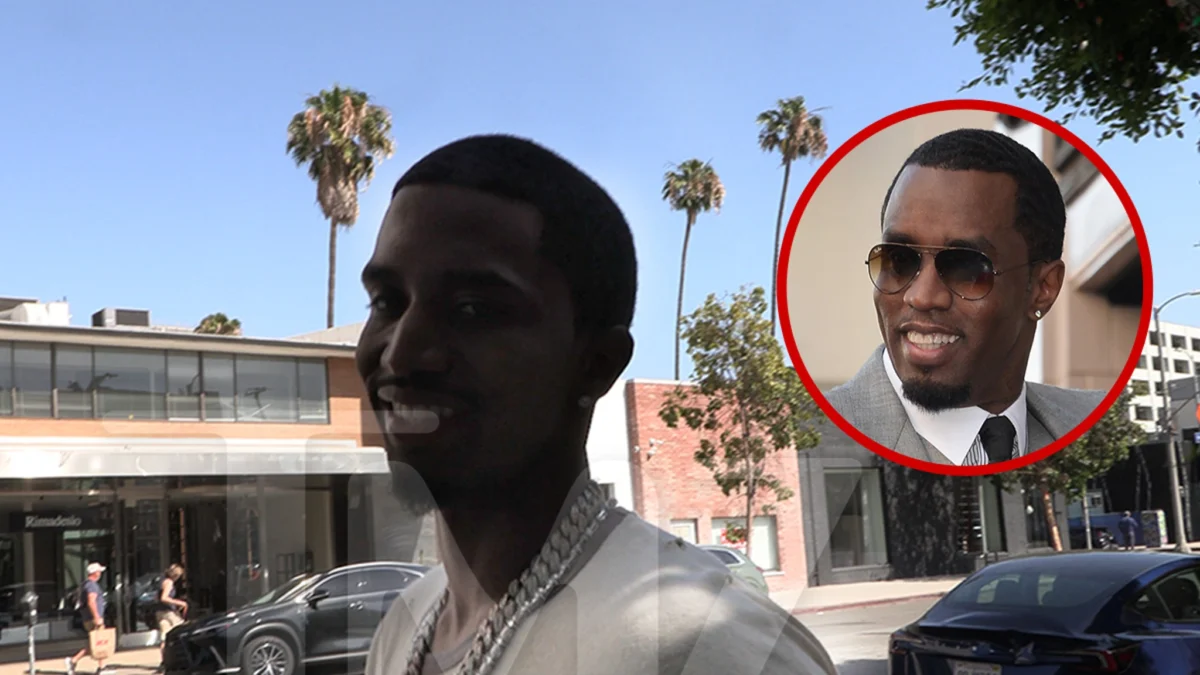
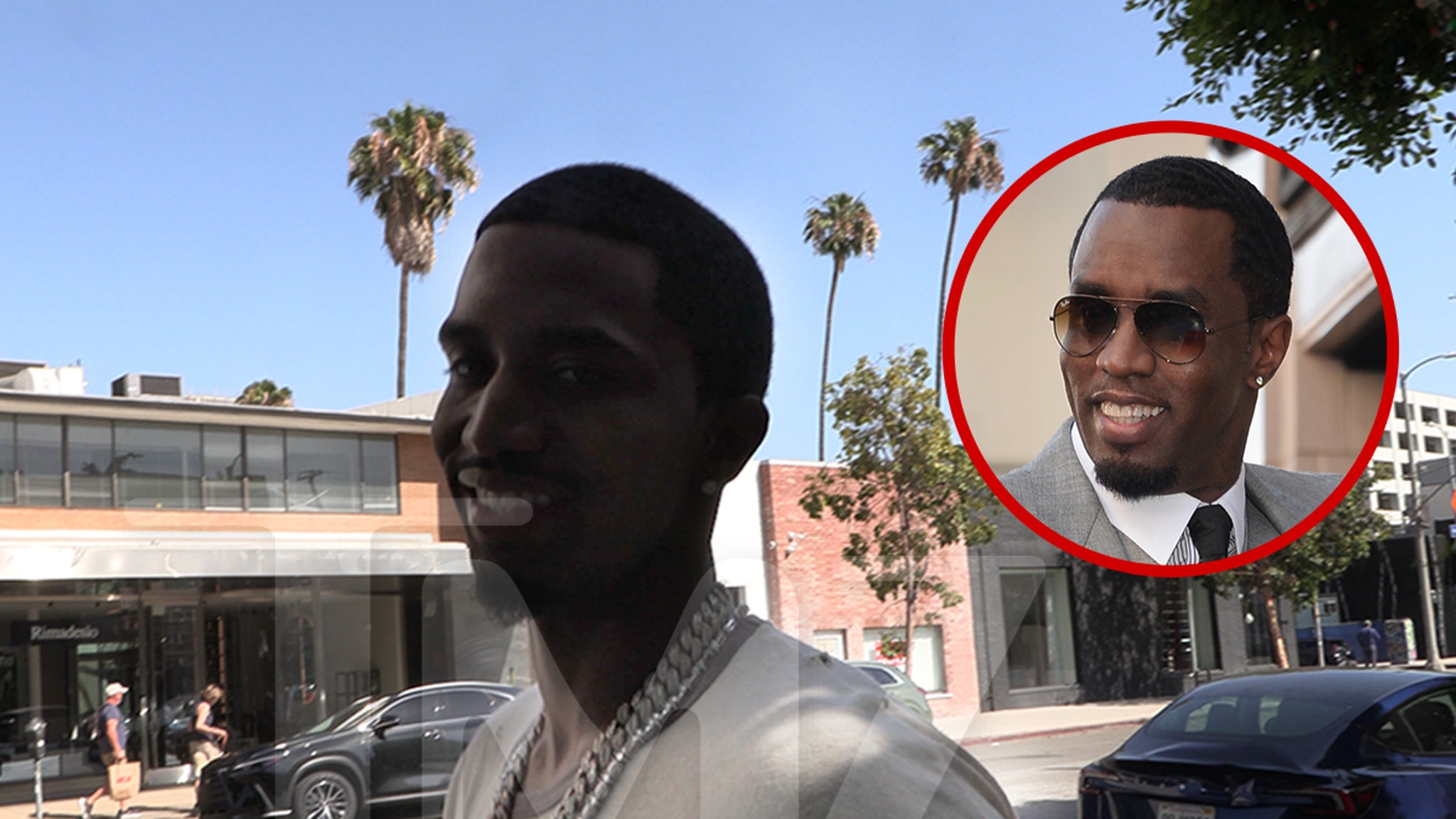
Christian Combs, known professionally as King Combs, was approached by reporters in Los Angeles, where he confirmed that his father was "holding up just fine" despite the challenging circumstances of his imprisonment. He also took the opportunity to express gratitude to fans for their unwavering support during this tumultuous period. However, the most direct and impactful message from King Combs was his unequivocal call to "free pops," a sentiment that resonated with the backdrop of a police siren, creating an almost cinematic commentary on the situation. His demeanor was described as relaxed and genuine, indicating a clear and deliberate intent behind his words to garner public sympathy and support for his father’s release. This public appeal highlights the emotional toll and determined advocacy from Diddy’s immediate family as they navigate the complex legal landscape.
The Chronology of Diddy’s Legal Downfall
Sean "Diddy" Combs, once an undisputed titan of the music industry and a multifaceted entrepreneur, has seen his empire crumble under the weight of severe legal challenges. The path to his current incarceration began with a series of escalating allegations and investigations that ultimately led to federal charges.
Early Allegations and Investigations: While the specific timeline of preliminary investigations is often shielded from public view, reports of alleged misconduct and a lavish lifestyle involving illicit activities had circulated in various forms for years. These whispers intensified into concrete legal actions with the filing of several civil lawsuits in late 2023 and early 2024, notably a high-profile suit by his former girlfriend, Cassie Ventura, which alleged sexual assault, trafficking, and other abuses. Although that suit was settled out of court, it opened a floodgate for other accusers to come forward, detailing similar claims. These civil filings likely spurred or accelerated federal scrutiny into Diddy’s activities.
Federal Intervention and Charges: The culmination of these investigations led to federal authorities taking a keen interest in Diddy’s operations. The charges against him specifically centered on two felony counts of transporting individuals across state lines to engage in prostitution. These charges fall under federal statutes, often involving the Mann Act or similar legislation designed to combat human trafficking and interstate prostitution. The focus on "interstate transportation" indicates that federal prosecutors built their case around instances where individuals were moved across state lines specifically for illegal sexual activities, rather than merely engaging in such activities within a single state.
The Trial and Conviction (July 2, 2025): The trial, which concluded on July 2, 2025, captivated public attention due to Diddy’s high profile. While specific details of courtroom testimony remain under wraps outside of official records, the conviction implies that federal prosecutors presented compelling evidence to a jury. This evidence would have demonstrated beyond a reasonable doubt that Diddy orchestrated or facilitated the movement of individuals across state borders with the explicit intent for them to engage in prostitution. The conviction on two felony counts underscores the gravity of the offenses and the legal system’s determination to address such serious allegations, regardless of the defendant’s celebrity status.
Sentencing and Incarceration: Following his conviction, Diddy was handed a 50-month sentence. This sentence, just over four years, reflects the federal sentencing guidelines for such offenses, which consider factors like the nature of the crime, the number of victims, and any prior criminal history. On April 17, 2026, Diddy was confirmed to be serving this sentence at Federal Correctional Institution (FCI) Fort Dix in New Jersey. His current scheduled release date, factoring in good behavior and other considerations, is April 15, 2028.
Life at Federal Correctional Institution Fort Dix
Federal Correctional Institution Fort Dix is a low-security federal correctional institution located within Joint Base McGuire-Dix-Lakehurst in New Jersey. As a low-security facility, it houses inmates who are deemed to pose a minimal risk to the community and other inmates. Conditions at such facilities, while restrictive, are generally less severe than those in medium or high-security prisons. Inmates typically reside in dormitory-style housing, participate in work assignments, and have access to educational programs, recreational activities, and religious services.
While specific details of Diddy’s daily life within FCI Fort Dix are not publicly disclosed, he would be subject to the standard routines and regulations governing all federal inmates. This includes a structured daily schedule, limited contact with the outside world, and adherence to institutional rules. The transition from a life of immense wealth and influence to the stark realities of federal incarceration is undoubtedly a profound challenge, irrespective of the security level of the facility. King Combs’ assurance that his father is "holding up just fine" suggests a degree of resilience, though the psychological impact of such a drastic change in circumstances can be immense for anyone, let alone a figure accustomed to global recognition and personal freedom.
The Federal Appeals Process: A Bid for Reversal
A significant development in Diddy’s legal battle occurred on April 9, 2026, when his legal team appeared before a federal appeals court. This appearance marked a crucial step in challenging his conviction and sentence. The federal appeals process is a complex legal avenue where a defendant can seek to overturn a lower court’s decision based on alleged errors in law or procedure during the trial.
Grounds for Appeal: Diddy’s lawyers presented two primary arguments:
- Legality of "Freak-Offs": The defense contended that the activities referred to as "freak-offs" – a term often used to describe parties or gatherings involving sexual activity – were not a violation of any law. This argument likely hinges on the interpretation of consent, the specific nature of the activities, and whether they legally constituted "prostitution" as defined by federal statutes, especially when individuals were transported across state lines. They would need to demonstrate that the prosecution failed to prove the essential elements of the crime, particularly the intent to engage in commercial sex acts.
- Excessive Sentence: The legal team also argued that Diddy’s 50-month sentence was "way out of line," suggesting it was disproportionate to the crime or that the sentencing judge made errors in applying federal sentencing guidelines. They might contend that mitigating factors were not adequately considered, or that the sentence imposed was harsher than typically applied in similar cases.
Potential Outcomes of the Appeal: The federal appeals court now holds Diddy’s immediate future in its hands. There are several possible outcomes:
- Affirmation: The appeals court could uphold the lower court’s conviction and sentence, finding no reversible errors. In this scenario, Diddy would continue to serve his sentence as scheduled.
- Reversal: The court could reverse the conviction, meaning they found significant legal errors that prejudiced Diddy’s right to a fair trial. A reversal could lead to Diddy’s immediate release, a new trial, or a dismissal of charges, depending on the nature of the error.
- Remand for Resentencing: The court could affirm the conviction but find that the sentence was improperly imposed. In this case, they would send the case back to the trial court for resentencing, potentially leading to a shorter or different sentence.
- Modification of Sentence: In rare instances, an appeals court might directly modify a sentence, though this is less common than remanding for resentencing.
As of April 17, 2026, the judges are still deliberating, and a decision could take weeks or even months. The outcome will profoundly impact Diddy’s life and the legal precedents surrounding celebrity accountability.
Legal Precedents and the Mann Act
The charges against Sean Combs, specifically concerning the transportation of individuals across state lines for prostitution, invoke federal legislation, most notably the Mann Act. Officially known as the White-Slave Traffic Act of 1910, the Mann Act was originally enacted to combat forced prostitution and trafficking of women and girls. Over time, its scope has expanded through judicial interpretation to include voluntary prostitution and other forms of illicit sexual activity when interstate commerce is involved.
Purpose and Application: The Mann Act prohibits transporting any woman or girl in interstate or foreign commerce for the purpose of prostitution, debauchery, or any other immoral purpose. While the "immoral purpose" clause has been subject to various interpretations and challenges over the decades, the core prohibition against interstate transportation for prostitution remains a potent tool for federal prosecutors. In Diddy’s case, the prosecution successfully argued that his actions met the criteria for violating this statute, demonstrating intent to facilitate prostitution by moving individuals across state lines.
The "Freak-Offs" Defense in Context: The defense’s argument that "freak-offs" were not a violation of any law attempts to challenge the legal definition and application of "prostitution" in this context. They might argue that consensual sexual activities, even if part of a lavish lifestyle, do not necessarily constitute commercial prostitution unless there is clear evidence of direct payment for sex acts or coercion. However, federal law can interpret "prostitution" broadly, especially when there’s an exchange of significant financial benefits, gifts, or opportunities in return for sexual favors, even if not a direct cash transaction. The appeals court’s decision will likely hinge on whether the trial court correctly interpreted and applied these complex legal definitions and whether the jury was adequately instructed on them.
Impact on Diddy’s Empire and Legacy
Sean Combs’ conviction and incarceration have sent shockwaves through the entertainment industry, severely impacting his once-formidable empire and tarnishing his carefully cultivated legacy. Diddy, through Bad Boy Records, Sean John, Revolt TV, and various other ventures, built a multi-billion-dollar brand that spanned music, fashion, media, and spirits.
Bad Boy Records and Music Industry: Bad Boy Records, the label Diddy founded, was instrumental in shaping hip-hop culture and launching the careers of numerous iconic artists. His absence and the cloud of scandal have cast a long shadow over the label and its future. The artists associated with Bad Boy and Diddy himself face reputational challenges, and the brand’s commercial viability could suffer significantly. His own music catalog and publishing rights, once highly lucrative, may see diminished value or face boycotts.
Business Ventures: Beyond music, Diddy’s extensive business portfolio, including his fashion line Sean John, Revolt TV, and his liquor ventures, has been severely compromised. Investors, advertisers, and corporate partners are likely to distance themselves, leading to financial losses and potentially the dismantling of parts of his business empire. The reputational damage is immense, making it difficult for these brands to maintain consumer trust and market presence.
Reputational Damage and Legacy: Diddy’s public image has undergone a drastic transformation from an influential mogul and cultural icon to a convicted felon facing serious allegations. His legacy, once defined by innovation, entrepreneurship, and philanthropy, is now inextricably linked to charges of exploitation and abuse. This fall from grace serves as a stark reminder of the consequences of alleged misconduct, even for individuals at the pinnacle of power and influence. The cultural impact of this shift is profound, prompting broader conversations about accountability, power dynamics, and ethics within the entertainment industry.
Family’s Public Stance and Support System
The public comments from King Combs underscore the deep impact of Diddy’s legal troubles on his family. As one of Diddy’s six biological children, King Combs (Christian Combs), along with his siblings Justin Dior Combs, Quincy Taylor Brown (Diddy’s adopted son), Chance Combs, D’Lila Star Combs, and Jessie James Combs, form a close-knit family unit that has largely presented a united front of support.
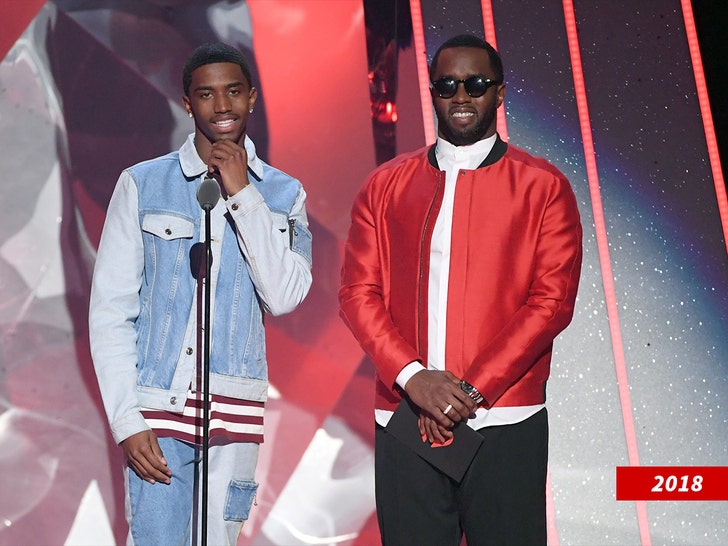
King Combs’ role as a public advocate is significant. His willingness to speak out, despite the intense media scrutiny, demonstrates a strong sense of loyalty and a desire to influence public perception. His casual yet firm plea to "free pops" attempts to humanize Diddy and evoke empathy from the public, portraying him as a father deserving of freedom, rather than solely as a convicted figure.
The family’s support extends beyond public statements. They are likely providing emotional and logistical support, navigating the complexities of prison visits, legal expenses, and maintaining communication. The financial strain of ongoing legal battles and the emotional toll of seeing a loved one incarcerated, especially one as prominent as Diddy, can be immense. The younger members of the Combs family, some of whom are still in their formative years, are growing up under the shadow of this high-profile scandal, which adds another layer of complexity to their lives. Their collective efforts highlight the powerful family bonds that endure even in the face of public disgrace and severe legal consequences.
Broader Societal Implications
The case of Sean "Diddy" Combs transcends the individual, raising significant questions about celebrity accountability, the exercise of power in the entertainment industry, and the application of justice.
Celebrity Accountability: Diddy’s conviction reinforces the principle that no one is above the law, regardless of their fame, wealth, or influence. It contributes to a growing trend of high-profile individuals facing legal consequences for alleged misconduct, particularly in the post-#MeToo era, where there is a heightened demand for accountability concerning sexual offenses and abuse of power. This case sends a clear message that celebrity status does not grant immunity from legal repercussions for serious criminal acts.
Power Dynamics in Entertainment: The allegations and subsequent conviction against Diddy shed light on the often-opaque power dynamics within the entertainment industry. They highlight how individuals in positions of immense power can allegedly exploit others, particularly those aspiring to careers in a competitive field. The industry is being forced to confront its own structures and cultural norms that might have enabled such behavior for years, prompting calls for greater transparency, stronger ethical guidelines, and better protections for vulnerable individuals.
Evolving Discourse on Consent and Exploitation: Diddy’s case, alongside others, contributes to an ongoing societal conversation about consent, exploitation, and the definition of prostitution. The defense’s argument regarding "freak-offs" versus legally defined prostitution underscores the nuances and complexities involved in these discussions. It pushes legal frameworks and public understanding to grapple with situations where the lines between consensual adult activity and exploitative practices can become blurred, particularly when power imbalances and significant financial incentives are at play. The outcome of Diddy’s appeal will further shape this discourse and potentially set legal precedents for future cases involving similar allegations.
Conclusion
As Sean "Diddy" Combs serves his 50-month sentence at FCI Fort Dix, the legal battle for his freedom continues in the federal appeals court. King Combs’ public affirmation of his father’s well-being and his plea to "free pops" injects a poignant human element into a complex legal and public relations crisis. The appeals court’s decision, expected in the coming months, will be a pivotal moment, determining whether Diddy’s conviction stands, his sentence is modified, or if he is granted a new trial or even immediate release. Regardless of the outcome, the events surrounding Diddy’s legal troubles have irrevocably altered his legacy and sparked broader conversations about justice, power, and accountability within the highest echelons of the entertainment world. His scheduled release date of April 15, 2028, remains contingent upon the appeals court’s forthcoming judgment, making the waiting period a tense and critical phase for both Diddy and his family.

0 Comments