
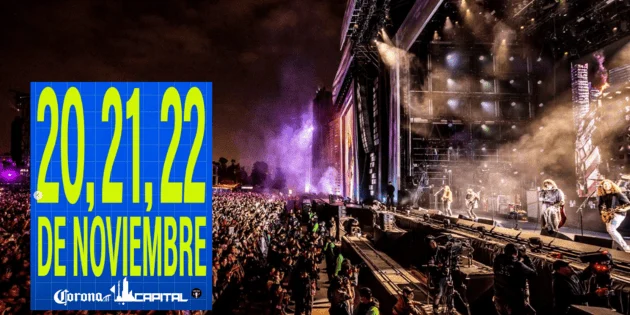
Mexico City’s highly anticipated Corona Capital festival has officially announced its rescheduled dates for 2026, confirming that the sixteenth edition will now take place on November 20, 21, and 22. The iconic Autódromo Hermanos Rodríguez will once again serve as the venue for this premier music event, a decision that comes after a strategic calendar adjustment. The initial announcement of the new dates has already sparked considerable excitement across social media platforms, with music enthusiasts and concert-goers eagerly discussing potential headliners and the overall shape of next year’s festival. This rescheduling highlights the complex logistical landscape of large-scale event planning in major metropolitan areas, particularly when accommodating multiple high-profile attractions within a limited timeframe.
Navigating Scheduling Conflicts: The Karol G Factor
The decision to shift the dates of Corona Capital 2026 was a direct response to a significant scheduling conflict involving a major international artist. Colombian superstar Karol G recently unveiled her "Viajando Por el Mundo Tropitour," with a confirmed performance slated for November 13 at the Estadio GNP Seguros. This date precisely overlapped with the initially planned weekend for Corona Capital. Faced with the prospect of two monumental events competing for audience attention, infrastructure, and potentially even security resources within the same city, organizers made the prudent decision to move the festival to the subsequent weekend. This adjustment ensures that both events can proceed without direct competition, allowing fans the opportunity to attend both, and alleviating logistical pressures on city services and venue operations. Such conflicts are not uncommon in the global entertainment industry, especially in vibrant cultural hubs like Mexico City, where the demand for live music experiences is consistently high. The swift resolution by festival organizers underscores their commitment to providing an optimal experience for attendees and artists alike, while also respecting the broader entertainment calendar.
A Legacy of Sound: The Evolution of Corona Capital
Since its inception in 2010, Corona Capital has cemented its status as one of Latin America’s most significant and influential music festivals. Born from a vision to bring leading international alternative, indie, and rock acts to Mexico, the festival quickly grew from a niche event into a cultural behemoth. Its inaugural edition, held at the Curva 4 del Autódromo Hermanos Rodríguez, featured a lineup that included Pixies, Interpol, and Regina Spektor, setting a high standard for the caliber of artists it would attract. Over the years, Corona Capital has consistently delivered diverse and cutting-edge lineups, featuring global headliners such as The Strokes, Foo Fighters, Arctic Monkeys, The Killers, Radiohead, and Red Hot Chili Peppers, alongside a curated selection of emerging talent.
The festival’s growth trajectory has been remarkable. What began as a two-day event has expanded to three days in recent editions, accommodating an ever-increasing number of artists and a surging fan base. Attendance figures have soared, with recent editions reportedly drawing over 250,000 unique attendees across the festival weekend. This growth is not merely in numbers but also in the festival’s overall production value, stage design, and ancillary experiences, transforming it into a full-fledged cultural phenomenon. The Autódromo Hermanos Rodríguez, a world-class motorsport facility, has proven to be an ideal canvas for this expansion, offering vast open spaces, established infrastructure for large crowds, and accessibility within Mexico City. Its ability to host multiple stages, diverse food and beverage options, and interactive installations has been crucial to the festival’s sustained success.
The Economic Engine of Entertainment
Beyond its cultural impact, Corona Capital serves as a significant economic driver for Mexico City and the surrounding region. Major events of this scale generate substantial revenue across various sectors, contributing millions of dollars (or billions of Mexican pesos) to the local economy annually. The influx of tens of thousands of attendees, both domestic and international, translates into increased demand for accommodation, including hotels, Airbnb rentals, and other lodging options. Restaurants, bars, and local eateries experience a surge in business, as do transportation services such as taxis, ride-sharing platforms, and public transit. Retailers, particularly those selling merchandise, apparel, and convenience items, also see a boost in sales.
Furthermore, the festival creates thousands of temporary jobs, from stagehands and security personnel to vendors, hospitality staff, and event managers. This temporary employment provides vital income streams for many individuals and contributes to the overall economic vitality of the city. The event also indirectly supports a wider ecosystem of suppliers, contractors, and service providers, demonstrating the far-reaching economic ripple effect of large-scale cultural events. For Mexico City, which actively promotes itself as a global tourism and cultural destination, Corona Capital is an invaluable asset, enhancing its international profile and attracting significant tourist expenditure. The meticulous planning required for such an event, including the recent date adjustment, underscores the importance placed on its successful execution and its continued positive impact on the local economy.
Anticipation Builds: The Lineup Reveal Cycle
The absence of an official lineup has not deterred enthusiastic fans from engaging in widespread speculation across social media platforms, a customary prelude to the official announcement. Discussions often revolve around artists recently touring, those with new album releases, or significant acts that have not graced the Corona Capital stage in recent years. This active theorizing, driven by a passionate and informed fan base, reflects the deep engagement of the festival’s audience and their keen understanding of global music trends. While specific names remain unconfirmed, the sheer volume of discussion highlights the pervasive excitement for what is consistently one of the most anticipated musical events in Mexico.
Historically, the official lineup for Corona Capital is unveiled between the months of May and June, typically accompanied by crucial information regarding ticket sales. This includes the various phases of ticket releases, such as early bird, general sale, and VIP packages, along with their respective pricing tiers. The phased release strategy is designed to reward early commitment from fans and manage the immense demand for tickets, which often sell out within minutes or hours of going live. The announcement of the lineup and ticket details is a highly choreographed event, often preceded by cryptic social media teasers that further fuel public excitement. For many attendees, securing tickets requires careful planning and quick action, particularly for those traveling from other parts of Mexico or internationally. The timing of this reveal is critical, allowing ample time for fans to make travel and accommodation arrangements, especially considering the festival’s attraction to a global audience.
Logistical Complexity and Operational Excellence
Organizing an event of Corona Capital’s magnitude at the Autódromo Hermanos Rodríguez involves an intricate web of logistical challenges and operational demands. The venue itself, while vast, requires extensive transformation to accommodate multiple stages, food courts, art installations, medical facilities, and robust security checkpoints. This involves months of planning, coordination with numerous vendors, city authorities, and emergency services. The recent date change, while necessary, adds another layer of complexity, requiring renegotiations with contractors, re-evaluation of staffing schedules, and adjustments to transportation and public safety plans.
Security is paramount at any large-scale gathering, and Corona Capital is no exception. Comprehensive security protocols, including bag checks, metal detectors, and a significant presence of private security and public law enforcement, are standard. Medical services are strategically placed throughout the venue, equipped to handle a range of emergencies. Furthermore, sustainability initiatives have become an increasingly important aspect of festival planning, with efforts to minimize waste, promote recycling, and reduce the environmental footprint of the event. The seamless execution of these operational elements is crucial to ensuring a safe, enjoyable, and environmentally responsible experience for hundreds of thousands of attendees over three intense days.
Broader Impact and Future Outlook
The enduring success of Corona Capital has solidified Mexico City’s position as a major player in the global music festival circuit. It attracts not only top-tier international talent but also a diverse audience, fostering cultural exchange and showcasing the vibrant spirit of Mexican hospitality. The festival’s ability to consistently deliver high-quality lineups, coupled with its efficient organization, has built a strong reputation that extends far beyond national borders.
Looking ahead to 2026, the anticipation for the sixteenth edition remains exceptionally high. The date adjustment, handled with transparency and efficiency, demonstrates the organizers’ adaptability and commitment to the festival’s long-term success. As the countdown to the May-June lineup announcement begins, fans will continue their eager discussions, fueled by the promise of another unforgettable weekend of music. Corona Capital is more than just a series of concerts; it is a cultural institution, a significant economic contributor, and a powerful symbol of Mexico City’s dynamic and thriving arts scene, continually pushing boundaries and setting new standards for live music experiences in Latin America. The upcoming edition is poised to further enhance this legacy, reinforcing its status as an indispensable event on the global festival calendar.

0 Comments