
 Candice Horbacz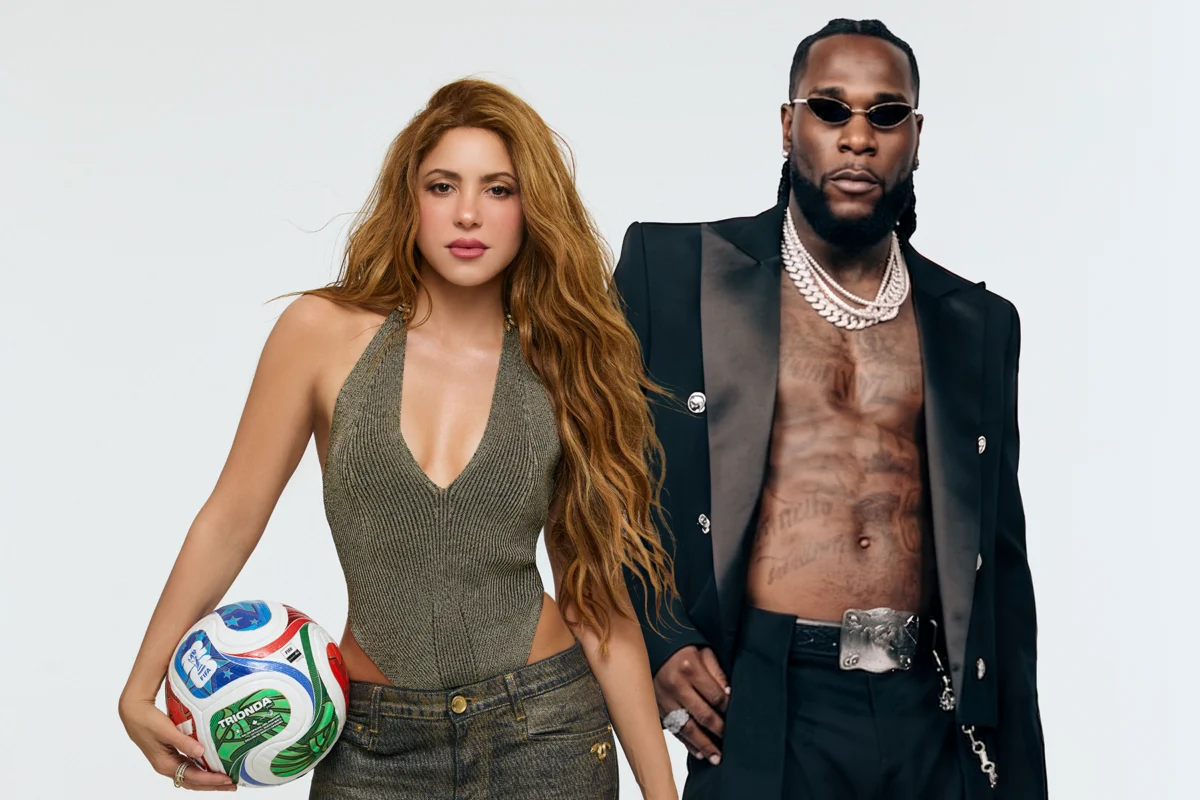
A global poll conducted by Billboard has declared "Dai Dai," the latest official FIFA World Cup song by Colombian superstar Shakira and Nigerian Afro-fusion artist Burna Boy, as the greatest anthem in the tournament’s history. The song, released in anticipation of the 2026 World Cup, garnered over 31 percent of the votes in a reader poll that sought to identify the most impactful and memorable songs associated with the quadrennial football spectacle. This decisive victory places "Dai Dai" ahead of a storied catalogue of FIFA World Cup anthems, reflecting its immediate resonance with fans worldwide.
The poll, which closed on June 1, invited Billboard readers to cast their votes for the best official FIFA World Cup song since 1990. The selection spanned a diverse range of musical styles and eras, from the inaugural official song, "Un’estate italiana (To Be Number One)" by Edoardo Bennato and Gianna Nannini for the 1990 Italian World Cup, to the current contender. The results underscore the powerful connection between music and the FIFA World Cup, a tournament that transcends geographical and cultural boundaries.
Close Behind: The Enduring Legacy of "Waka Waka"
Trailing "Dai Dai" by a narrow margin, Shakira’s iconic 2010 World Cup anthem, "Waka Waka (This Time for Africa)," recorded in collaboration with South African band Freshlyground, secured a strong second place with over 26 percent of the vote. The enduring popularity of "Waka Waka" speaks volumes about its lasting impact. Released for the World Cup hosted in South Africa, the song became a global phenomenon, celebrated for its infectious rhythm, uplifting message, and its role in bringing the vibrant spirit of African music to a worldwide audience. Its continued ability to captivate listeners nearly a decade and a half after its release highlights its status as a truly timeless piece of sports music.
The poll’s results for "Waka Waka" suggest that while new anthems may capture the current zeitgeist, songs that have become deeply ingrained in the collective memory of World Cup fans retain significant sentimental and cultural value. The fact that Shakira features prominently in both the first and second-place songs of this poll further emphasizes her profound connection to the FIFA World Cup’s musical legacy.
Third Place: Ricky Martin’s "Cup of Life" Ignites Passion
Claiming the third spot with almost 25 percent of the vote was Ricky Martin’s electrifying "Cup of Life (La Copa de la Vida)." This song, the official anthem for the 1998 FIFA World Cup in France, is widely credited with revitalizing interest in World Cup music and becoming a defining moment for the Puerto Rican artist. Its high-energy Latin beat and rousing chorus captured the excitement and passion of the tournament, propelling it to become a global hit. "Cup of Life" not only reached No. 60 on the Billboard Hot 100 but also earned a Grammy Award for Best Latin Pop Performance, cementing its place in music and sports history. The sustained popularity of this track underscores the power of Latin music to energize and unite fans during major sporting events.
A Look at the Contenders and the Evolution of World Cup Anthems
The Billboard poll showcased a diverse array of official FIFA World Cup songs, each representing a unique musical and cultural moment in the tournament’s history. Beyond the top three, other fan favorites that garnered significant attention included Pitbull, Jennifer Lopez, and Claudia Leitte’s "Ole Ola (We Are One)" from the 2014 World Cup in Brazil, and "The Time of Our Lives" by Il Divo and Toni Braxton, the official song for the 2006 tournament held in Germany. These songs, while not reaching the top positions, are remembered for their distinct styles and contributions to the World Cup soundtrack.
The evolution of official World Cup songs since 1990 reflects broader shifts in global music trends. From the more traditional rock and pop influences of "Un’estate italiana" to the incorporation of Afrobeats, dance-pop, and reggaeton in "Dai Dai," the anthems have increasingly embraced a global fusion of sounds. This reflects FIFA’s evolving vision for the tournament as a truly international celebration, with its music mirroring this diversity.
"Dai Dai": A Fusion of Global Rhythms for the Future
Shakira and Burna Boy’s collaboration on "Dai Dai" is a testament to their individual global appeal and their ability to create music that resonates across diverse audiences. The song itself is a vibrant tapestry of musical styles, blending Afrobeats, dance-pop, world beats, and reggaeton. This sonic amalgamation aims to capture the spirit of unity and celebration that defines the World Cup. Lyrically, "Dai Dai" not only conveys an uplifting message in line with the spirit of the sport but also pays homage to football legends, name-checking icons such as Maradona, Maldini, Romário, Cristiano Ronaldo, Beckham, Kaká, and Messi. This inclusion of footballing heroes further amplifies the song’s connection to the sport’s rich history and its global appeal.
The choice of "Dai Dai" as the winner, particularly for the 2026 World Cup which will be jointly hosted by the United States, Canada, and Mexico, suggests a forward-looking approach by both FIFA and the fans. It signals an embrace of contemporary musical genres and a continued commitment to featuring artists with significant international reach. The song’s release ahead of the tournament allows ample time for it to embed itself within the global consciousness, much like its predecessors.
Historical Context: The Rise of the Official World Cup Song
The concept of an official FIFA World Cup song gained significant traction in the late 20th century. While earlier tournaments had associated songs, the 1990 World Cup in Italy marked a deliberate effort to create a singular anthem. "Un’estate italiana" set a precedent for what would become a crucial element of the World Cup experience. The subsequent decades saw a consistent release of official songs, each aiming to encapsulate the energy and global appeal of the tournament.
- 1990 Italy: "Un’estate italiana (To Be Number One)" by Edoardo Bennato and Gianna Nannini. This song introduced the concept of an official, widely promoted anthem.
- 1994 USA: "Gloryland" by Daryl Hall. While less impactful globally than some later songs, it marked a continued effort to create a distinct musical identity for the tournament.
- 1998 France: "La Copa de la Vida (The Cup of Life)" by Ricky Martin. This became a watershed moment, establishing the potential for World Cup songs to achieve massive global commercial success and cultural significance.
- 2002 South Korea/Japan: "Boom" by Anastacia. A more contemporary pop-rock offering that reflected the music trends of the early 2000s.
- 2006 Germany: "The Time of Our Lives" by Il Divo featuring Toni Braxton. This featured a more operatic and ballad-like style, aiming for broad appeal.
- 2010 South Africa: "Waka Waka (This Time for Africa)" by Shakira featuring Freshlyground. This song achieved unprecedented global success, celebrated for its African roots and infectious rhythm.
- 2014 Brazil: "We Are One (Ole Ola)" by Pitbull featuring Jennifer Lopez and Claudia Leitte. This song embraced a strong Latin and samba influence, reflecting the host nation’s musical heritage.
- 2018 Russia: "Live It Up" by Nicky Jam featuring Will Smith and Era Istrefi. This featured a blend of Latin trap and pop, with a star-studded cast.
- 2022 Qatar: "Tukoh Taka" by Nicki Minaj, Maluma, and Myriam Fares. This song aimed to incorporate regional sounds while maintaining global pop appeal.
- 2026 North America: "Dai Dai" by Shakira and Burna Boy. This latest anthem continues the trend of global fusion and features artists with significant international followings.
The Billboard poll’s results, placing "Dai Dai" at the pinnacle, suggest a strong fan endorsement for its contemporary sound and the star power of its performers. It also highlights the enduring appeal of Shakira’s contributions to the World Cup’s musical canon.
Analysis of Implications: Music as a Unifying Force
The selection of "Dai Dai" as the best World Cup song of all time by Billboard readers carries several implications. Firstly, it underscores the growing influence of Afrobeats and global fusion genres in mainstream music, mirroring the increasing global reach of the FIFA World Cup itself. Secondly, it reaffirms the power of music to connect people from diverse backgrounds, a core tenet of the World Cup’s ethos.
The success of "Dai Dai" also points to the strategic importance of artist selection for official anthems. By choosing artists with established global fan bases and the ability to blend different musical styles, FIFA and its partners can ensure that the official song resonates with a wide demographic. The lyrical content, which celebrates footballing history, further solidifies the song’s thematic relevance.
For Shakira and Burna Boy, this recognition represents a significant career milestone, further solidifying their status as global music icons. Their ability to create a song that not only tops polls but also captures the spirit of a major international event speaks to their artistry and cultural impact.
The close competition between "Dai Dai" and "Waka Waka" is particularly noteworthy. It suggests a segment of the audience that prioritizes nostalgia and the emotional connection forged by past anthems, while another segment is more drawn to fresh, contemporary sounds. This dynamic reflects the evolving nature of music consumption and the diverse tastes of the global fanbase.
Looking ahead, the success of "Dai Dai" sets a high bar for future World Cup anthems. It demonstrates that a successful song needs to be more than just a catchy tune; it must be a cultural touchstone that embodies the spirit of unity, celebration, and the shared passion for the beautiful game. The 2026 World Cup promises to be a monumental event, and its official anthem, now crowned the greatest of all time by a significant portion of the fanbase, is poised to play a central role in amplifying its global resonance. The poll results serve as a powerful indicator of how music continues to be an indispensable element in the grand spectacle that is the FIFA World Cup, weaving a soundtrack for memories that last a lifetime.

 Eva Lovia
 Julia Chirkova
 Julia Prastini
 Jia Lissa
 admin
admin
 Raisa Andriana