
 Jia Lissa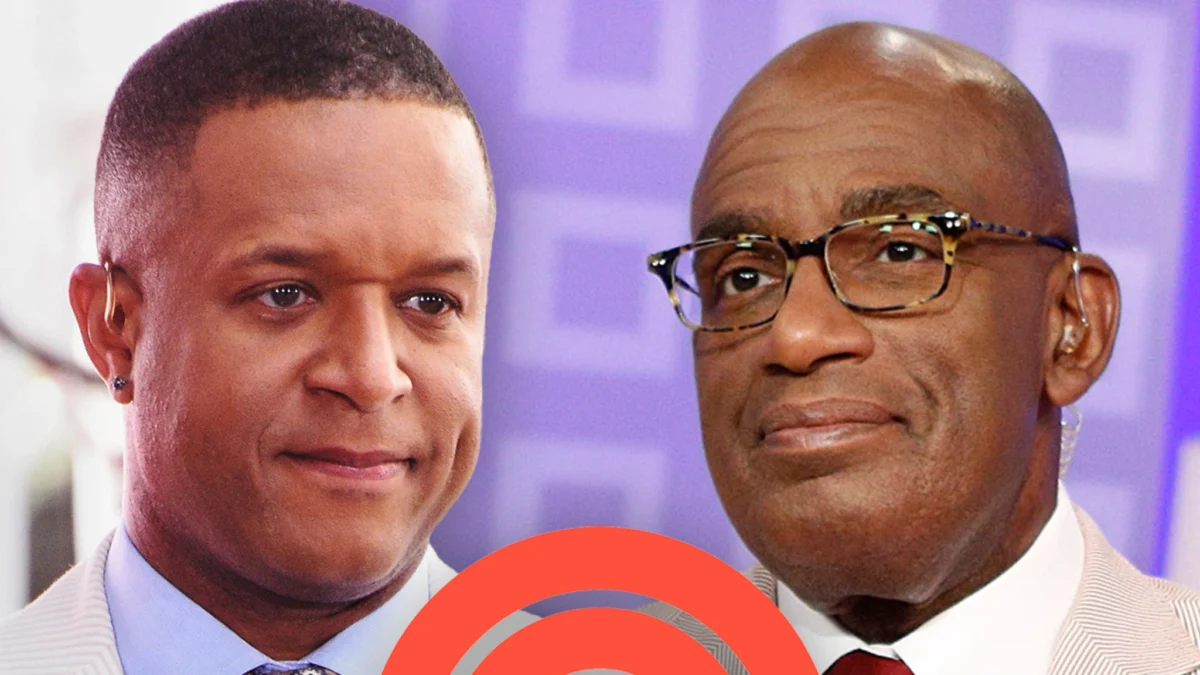
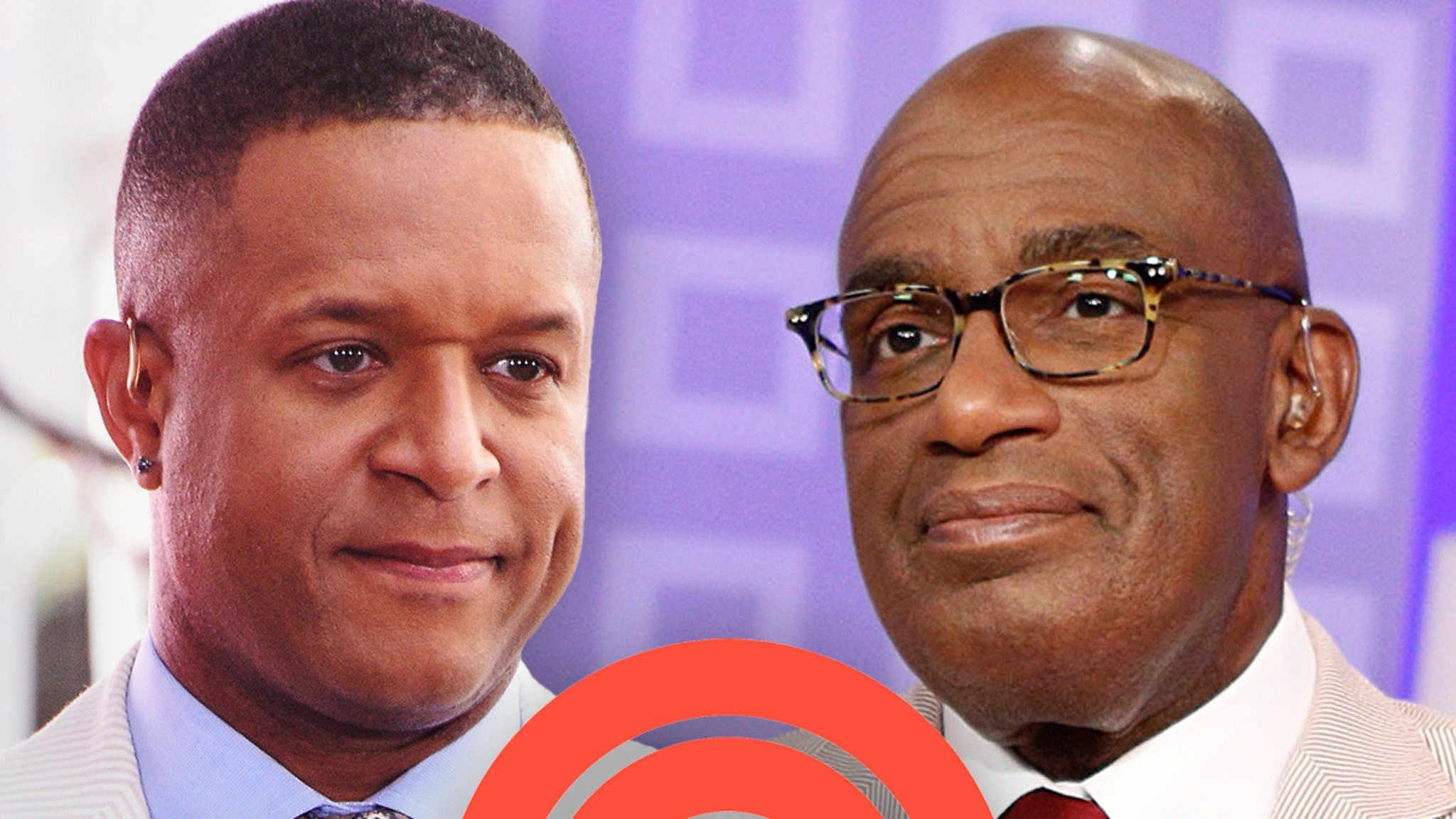
A security guard employed by NBC has been terminated following a significant security lapse at the "TODAY" show’s iconic Studio 1A, which culminated in an intruder confronting anchor Craig Melvin and allegedly uttering a racial slur. The incident, which sent shockwaves through the broadcast industry, prompted an immediate internal investigation and raised critical questions about the safety protocols protecting high-profile media personalities and their production environments. The firing, confirmed on Thursday, July 16, 2026, underscores the severe consequences for security personnel when such breaches occur, particularly within a live broadcast setting.
The Anatomy of a Breach: A Critical Security Failure
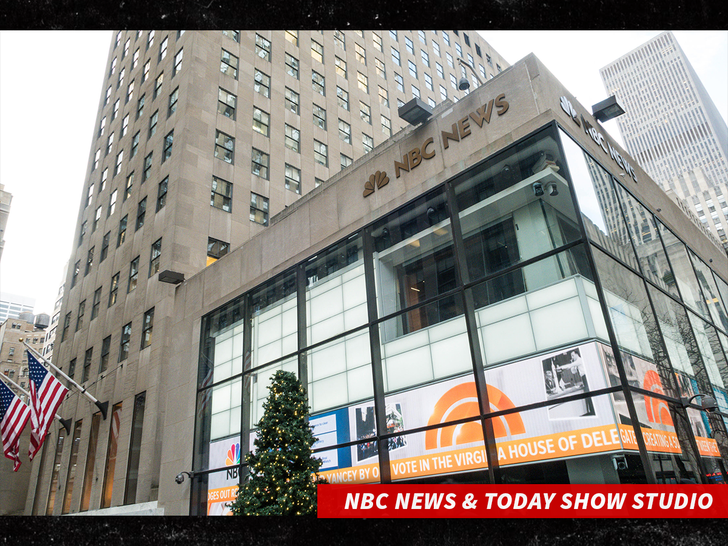
Sources with direct knowledge of the investigation have revealed that the security guard was dismissed after allegedly enabling the suspect, later identified as Andrew Truelove, to circumvent established security checkpoints and gain unauthorized access to the restricted studio area. The breach, which occurred at 30 Rockefeller Plaza, a bustling hub in Midtown Manhattan, highlights potential vulnerabilities in what is widely considered one of the most secure broadcast facilities in the world.
According to reports from Page Six, security camera footage captured the moments leading up to the incident. The surveillance reportedly showed two guards stationed at the entrance where the breach took place. Crucially, one of these guards is said to have briefly left their post, while the other failed to detect or intervene as Truelove entered the restricted zone. This momentary lapse, compounded by a lack of immediate detection, allowed the intruder to penetrate multiple layers of security designed to safeguard NBC’s talent, staff, and operations. Such a failure at a public-facing entrance of a major news organization’s headquarters is particularly alarming, given the constant flow of visitors, employees, and the general public in the vicinity of the "TODAY" plaza.
NBC representatives for the "TODAY" show have, thus far, declined to comment specifically on the firing of the individual guard, adhering to standard corporate policy regarding personnel matters. However, the swift action taken internally signals the network’s grave concern over the incident and its commitment to reinforcing security measures.
Chronology of an Alarming Incident
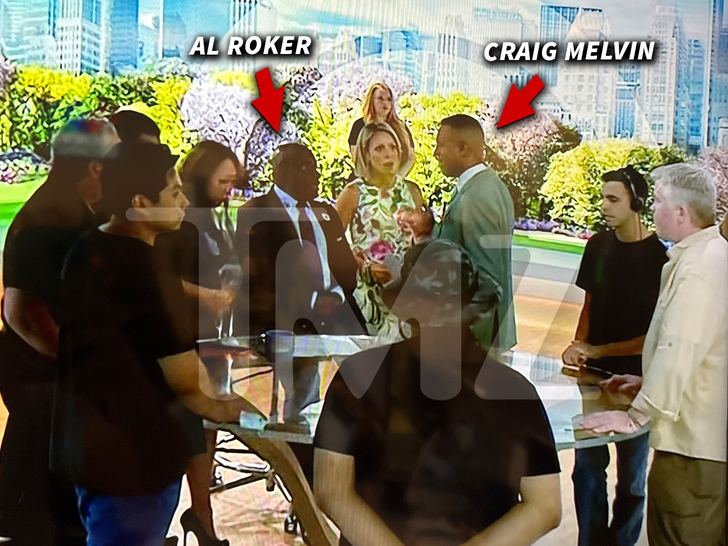
The sequence of events unfolded rapidly, creating a tense and dangerous situation within the live broadcast environment. Andrew Truelove reportedly entered 30 Rockefeller Plaza through the publicly accessible "TODAY" plaza, which is typically open to visitors and fans hoping to catch a glimpse of the show’s anchors. Law enforcement sources detailed that Truelove initially inquired about the whereabouts of beloved meteorologist Al Roker, indicating a premeditated intent to locate specific talent.
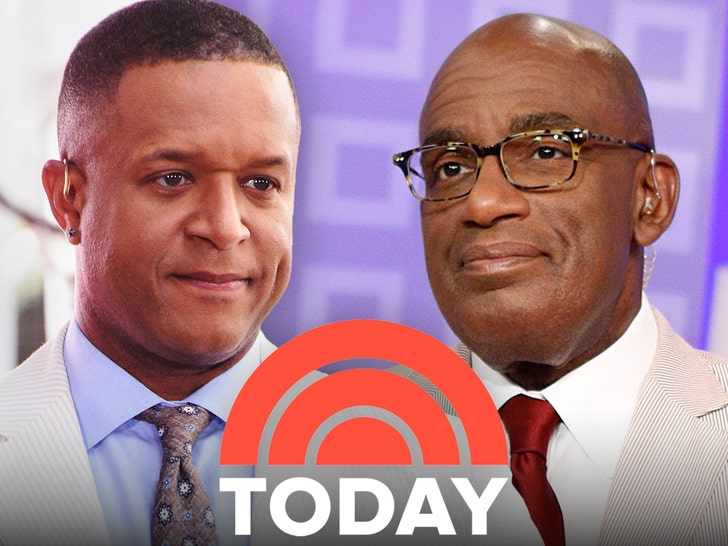
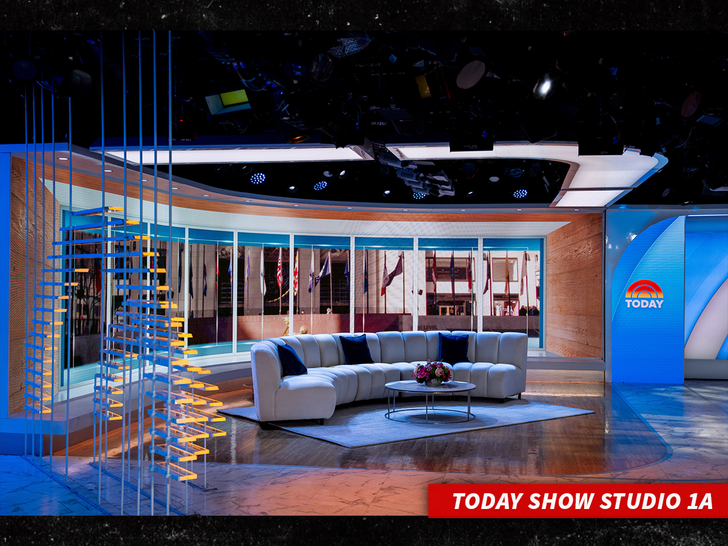
Failing to find Roker, Truelove allegedly made his way into Studio 1A, where he confronted Craig Melvin. During this alarming encounter, Truelove is reported to have lunged at Melvin while shouting a racial slur, escalating the incident from a mere trespass to a potential hate crime. The quick actions of on-site security and staff were paramount in containing the situation. Truelove was swiftly detained by NBC’s security personnel until officers from the New York Police Department (NYPD) arrived on the scene.
Despite the frightening nature of the confrontation, fortunately, no one was physically injured during the incident. Demonstrating remarkable composure and professionalism, both Craig Melvin and Al Roker were back on the air approximately 15 minutes after the breach, a testament to the resilience of live television professionals and the "show must go on" ethos. This rapid return to broadcast also aimed to reassure viewers and maintain the program’s continuity amidst the disruption.
In the immediate aftermath, a heavy police presence was observed outside 30 Rockefeller Plaza. Investigators meticulously scoured the area, examining entry points and reviewing surveillance footage to understand precisely how Truelove managed to penetrate so deeply into the building. The thoroughness of this investigation is crucial not only for the ongoing legal proceedings against Truelove but also for identifying and rectifying any systemic vulnerabilities in NBC’s security infrastructure.
Andrew Truelove has since been formally charged with multiple offenses, including hate crime burglary, hate crime menacing, hate crime criminal trespass, and harassment. The inclusion of "hate crime" designations underscores the serious nature of his alleged actions and the discriminatory intent behind the verbal assault on Craig Melvin.
The Significance of 30 Rockefeller Plaza and Broadcast Security
30 Rockefeller Plaza, often referred to as 30 Rock, is more than just an office building; it is a cultural landmark and a symbol of American media. Housing NBC Studios, including the "TODAY" show, "Saturday Night Live," and various other productions, it is a high-profile location that attracts millions of tourists annually. The building’s public accessibility, particularly the "TODAY" plaza, creates a unique security challenge. While designed to foster a connection between the public and the network’s talent, this accessibility must be meticulously balanced with robust security measures to prevent unauthorized entry into sensitive areas.
Live broadcast studios, by their very nature, present a complex security landscape. The need for open sets, audience interaction, and a dynamic environment can sometimes create perceived vulnerabilities. However, leading networks like NBC typically employ multi-layered security protocols that include armed guards, access control systems, metal detectors, bag checks, and extensive surveillance. A breach of this magnitude suggests that one or more of these layers failed, or that the human element, in this case, a security guard, did not adhere strictly to established protocols.
Security experts, speaking generally about broadcast facility safety, emphasize that the human factor remains the most critical component. Even with advanced technology, well-trained and vigilant personnel are indispensable. "Any security system is only as strong as its weakest link, and often that link can be human error or complacency," stated a hypothetical security consultant, Dr. Eleanor Vance, specializing in corporate and media security. "In environments like 30 Rock, where public interaction is part of the brand, the vigilance of every guard, every staff member, is paramount. A momentary lapse can have profound consequences, as evidenced by this incident."
Implications and Broader Impact
The firing of the security guard is an immediate and direct consequence, but the ripple effects of this incident extend much further. For NBC, it necessitates a comprehensive review of all security protocols, not just at 30 Rockefeller Plaza, but potentially across all its major facilities. This could involve retraining programs for security staff, updating technology, re-evaluating staffing levels, and tightening access control procedures for both public and restricted areas. The network’s reputation for ensuring the safety of its personnel and guests is on the line, and a visible, decisive response is crucial.
The incident also has significant implications for the morale and psychological well-being of the "TODAY" show staff and on-air talent. Working in a live environment, especially one that is publicly accessible, inherently carries a certain level of risk. However, a direct confrontation with an intruder, particularly one involving hate speech, can be deeply unsettling. Ensuring that employees feel safe and protected in their workplace is a fundamental responsibility of any organization, and this breach will undoubtedly prompt internal discussions about support systems and enhanced protective measures for talent.
Beyond NBC, this event serves as a stark reminder for the entire broadcast industry about the persistent threats faced by public figures and media organizations. Other networks and production companies will likely review their own security arrangements in light of the "TODAY" show incident. The balance between public engagement and impenetrable security is a constant challenge, but incidents like this underscore that security must always take precedence when safety is at stake.
Moreover, the charges against Andrew Truelove, particularly the hate crime designations, highlight a broader societal concern regarding targeted harassment and violence against individuals based on race or other protected characteristics. The fact that such an act occurred in a prominent public forum, broadcast live to millions, amplifies the message of intolerance and underscores the importance of robust legal responses to such acts. The legal proceedings against Truelove will be closely watched, not only for the justice it seeks to deliver but also for the precedent it sets in addressing hate-motivated acts within public spaces and workplaces.
In conclusion, the security breach at the "TODAY" show and the subsequent firing of a security guard represent a serious incident with wide-ranging ramifications. It is a powerful reminder that vigilance, strict adherence to protocols, and continuous evaluation of security measures are not just administrative tasks but essential components of protecting individuals and maintaining the integrity of public institutions like broadcast media. The full impact of this event will likely unfold over the coming months as NBC implements changes, legal proceedings advance, and the industry as a whole grapples with evolving security challenges in an increasingly complex world.


 Eva Lovia
 Julia Chirkova
 Julia Prastini
 Candice Horbacz
 admin
admin