
 Julia Prastini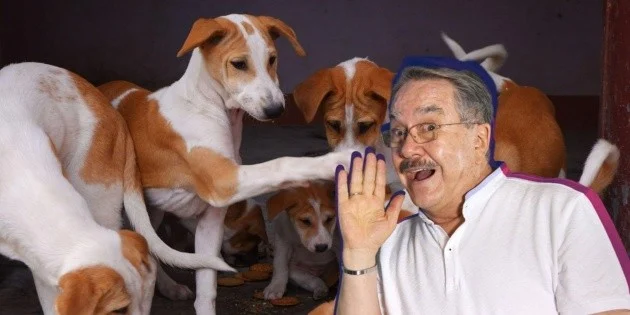
The recent controversy surrounding television host Pedro Sola, ignited by his highly inflammatory remarks regarding animal welfare, culminated in a televised visit to an animal rehabilitation center, marking a pivotal moment in the ongoing public discourse on media responsibility and animal rights in Mexico. This Friday, during an episode of the popular program "Ventaneando," Sola, known for his long-standing career in entertainment journalism, engaged with rescued animals, a move widely perceived as an attempt to address the severe backlash his earlier comments provoked. The incident has not only put Sola’s career under intense scrutiny but has also triggered a broader conversation about the ethical obligations of public figures and media corporations in shaping societal attitudes towards vulnerable populations, including animals.
The Genesis of a Media Firestorm: Unpacking Pedro Sola’s Controversial Remarks
The controversy originated from comments made by Pedro Sola, a veteran presenter on TV Azteca’s "Ventaneando," where he openly expressed his profound discomfort and hostility towards the presence of dogs in public spaces. His remarks, broadcast to a wide national audience, escalated quickly from a general dislike to an alarming advocacy for violence. Specifically, Sola stated, "I do not tolerate dogs in the store, dogs in the supermarket, dogs defecating in the restaurant. Listen, what is that? Did they go crazy or what? One feels like throwing a piece of poisoned meat… or those who carry three in a stroller. One feels like shooting… the owners." These statements, delivered with a casual air, immediately sparked outrage across various sectors of society.
The choice of words, particularly phrases like "poisoned meat" and "shooting the owners," transcended mere opinion, entering the realm of explicit incitement to harm and violence. Coming from a public figure with decades of influence on a prominent national television show, the comments were not dismissed as isolated gaffes but were interpreted as a dangerous normalization of animal cruelty and an attack on pet owners. The incident underscored the significant power of media personalities to influence public opinion and the critical responsibility that comes with such platforms.
Immediate Fallout: Public Condemnation and Brand Exodus
The reaction to Sola’s comments was swift and overwhelmingly negative. Social media platforms became a crucible of public indignation, with hashtags condemning his statements quickly trending. Animal welfare organizations, both local and national, were among the first to voice their condemnation, highlighting the severe problem of animal abandonment and abuse in Mexico and emphasizing that such rhetoric only exacerbated these issues. These groups frequently advocate for stronger legal protections for animals and work tirelessly to change societal perceptions, viewing Sola’s remarks as a significant setback.
Beyond individual outcry, the controversy quickly escalated into an economic and reputational crisis for "Ventaneando" and its parent company, TV Azteca. Several prominent brands, whose advertising revenue is crucial for the program’s sustenance, began to withdraw their sponsorship. This unprecedented move by advertisers signaled a clear message: alignment with content that condones violence, even rhetorical, against animals was no longer acceptable in an increasingly socially conscious marketplace. The withdrawal of advertising served as a powerful testament to the growing consumer demand for corporate social responsibility and ethical conduct from the media outlets they support.
Public figures and celebrities also weighed in, with many expressing solidarity with animal rights causes and denouncing Sola’s words. The collective pressure from the public, advocacy groups, and commercial partners created an undeniable imperative for a formal response from both Pedro Sola and TV Azteca.
A Public Apology and Corporate Intervention
In the face of mounting pressure, Pedro Sola issued a public apology for his comments. While the initial apology was met with mixed reactions – some viewing it as sincere, others as a damage-control measure – it marked the beginning of a series of actions aimed at mitigating the fallout.
Subsequently, TV Azteca, a major player in Mexican media, released a comprehensive statement distancing itself from Sola’s remarks. During the July 16th broadcast of "Ventaneando," Pati Chapoy, the show’s veteran host, read the official communication, asserting that Sola’s declarations did not represent the values of the company. More significantly, TV Azteca announced the implementation of a new "sensitization and education program on animal welfare" specifically designed for its corporate and production teams. This initiative, framed within the company’s belief in "animal protection and respect for all living beings," was presented as a proactive step towards fostering a more responsible and empathetic approach to animal-related content across its platforms. This corporate response highlighted the significant leverage public opinion and commercial interests can exert on media conglomerates, compelling them to re-evaluate their internal policies and public messaging.
Chronology of a Crisis:
- Early July 2026 (Inferred): Pedro Sola makes controversial comments on "Ventaneando" expressing hostility towards dogs in public spaces and suggesting violence against them and their owners.
- Mid-July 2026: Widespread public outrage erupts, amplified across social media platforms. Animal welfare organizations issue condemnations.
- Mid-July 2026: Several brands begin withdrawing advertising from "Ventaneando" due to the controversy.
- July 16, 2026 (Thursday): TV Azteca issues an official statement through Pati Chapoy on "Ventaneando," disavowing Sola’s comments and announcing a new animal welfare sensitization program for its staff.
- July 17, 2026 (Friday): "Ventaneando" airs a segment featuring Pedro Sola, Linet Puente, Ximena Pérez "La Choco," and Mónica Castañeda visiting an animal rehabilitation center. Sola particularly emphasizes his first-time experience.
- This Week (following the initial comments): The organization Va por sus Derechos files a formal complaint against Pedro Sola and others responsible, citing potential "apología del maltrato animal" (apology for animal cruelty) and "provocación pública para cometer un delito" (public incitement to commit a crime) before the Attorney General’s Office.
A Visit to Yaakunah: Pedro Sola’s Encounter with Rescued Animals
The most recent development in this unfolding narrative was Pedro Sola’s visit to an animal rehabilitation center, Yaakunah, aired during the July 17th episode of "Ventaneando." Accompanied by fellow presenters Linet Puente, Ximena Pérez "La Choco," and Mónica Castañeda, Sola’s experience was prominently featured, with particular emphasis on his personal reflections.
Sola himself confessed that this was his inaugural visit to such a facility, a revelation that underscored his previous lack of direct engagement with rescued animals. He described the experience as "very peculiar," noting, "curiously, when there are dogs around me, first of all, they don’t approach me. I don’t know why. I think they smell that I am not affectionate." This statement offered a glimpse into his prior relationship with animals, suggesting a personal distance rather than outright fear, but certainly an unfamiliarity with their behavior and needs.
He acknowledged his lack of accustomedness to coexisting with dogs, admitting that being in a place dedicated to their care evoked "strange" sensations. The segment captured a notable moment where Sola, guided by one of the center’s caretakers, cautiously approached and touched a small dog being held. Mónica Castañeda reportedly instructed him on how to interact with the animals, advising him to allow the dogs to smell him and familiarize themselves with his presence. Sola recounted, "They were all very affectionate, calm. They didn’t even bark."
During his visit, Sola was also exposed to the extensive work involved in running an animal shelter, learning about the arduous process of rescuing and rehabilitating animals that have endured abandonment or mistreatment. He expressed deep emotional resonance with the stories of these resilient creatures, stating, "It gave me a lot of emotion, I was on the verge of crying twice, but I held back." This vulnerability, broadcast nationally, aimed to demonstrate a shift in his perspective and a deeper understanding of animal welfare issues. Reflecting on the entire controversy, Sola conceded that the situation "has been tremendous" for him, hinting at the personal toll of the public outcry.
Broader Implications: Animal Welfare in Mexico and Media Ethics
The "Pedrito Sola" controversy transcends a single incident, shedding light on several critical societal issues.
Animal Welfare in Mexico: Mexico, like many nations, grapples with a significant problem of animal abandonment and cruelty. Organizations such as Yaakunah, which Sola visited, are at the forefront of addressing these challenges, often operating with limited resources but immense dedication. According to various reports from animal welfare organizations, thousands of animals are abandoned each year in major Mexican cities, facing malnutrition, disease, and violence. Laws regarding animal protection exist at federal and state levels, but enforcement can be inconsistent. The Federal Law for Animal Protection, along with state-specific regulations, prohibits cruelty and mistreatment, establishing penalties ranging from fines to imprisonment for severe cases. However, public awareness and consistent application of these laws remain crucial for effective change. The incident with Sola has inadvertently amplified these conversations, bringing the plight of rescued animals and the efforts of shelters into the national spotlight.
The Rise of Pet-Friendly Culture: Sola’s initial comments were rooted in his disdain for the growing "pet-friendly" movement, where animals, particularly dogs, are increasingly welcomed in public spaces like restaurants, shops, and parks. This cultural shift reflects a changing perception of pets as integral family members rather than mere animals. While proponents celebrate the inclusivity and emotional benefits of integrating pets into daily life, critics, like Sola initially, often cite concerns about hygiene, noise, and potential disturbances. The controversy highlights the ongoing negotiation of space and etiquette in an evolving urban landscape where human-animal companionship is gaining new prominence.
Media Responsibility and Celebrity Influence: The incident serves as a stark reminder of the immense power and responsibility held by media personalities and the platforms they inhabit. Celebrities often shape public opinion, and their words, especially on sensitive topics, can have far-reaching consequences. The quick and decisive response from brands and TV Azteca underscores the increasing demand from the public for ethical content and corporate social responsibility. It signals that media companies are under greater pressure than ever to monitor the messaging of their talent and align with contemporary social values. The "sensitization program" announced by TV Azteca, while a corporate response, could potentially set a precedent for other media organizations to implement similar initiatives, fostering a more conscious approach to representation and discourse on their platforms.
Legal Ramifications: The Complaint by Va por sus Derechos
Adding a serious legal dimension to the controversy, the organization "Va por sus Derechos" filed a formal complaint against Pedro Sola and other potentially responsible parties before the Fiscalía General de Justicia. The complaint alleges "apología del maltrato animal" (apology for animal cruelty) and "provocación pública para cometer un delito" (public incitement to commit a crime).
"Apología del maltrato animal" refers to the act of publicly defending or promoting animal cruelty, while "provocación pública para cometer un delito" implies encouraging others to commit a crime, in this case, acts of violence against animals or their owners. These are serious accusations that, if pursued, could lead to legal proceedings and potential penalties under Mexican law, which has increasingly strengthened its stance against animal abuse. The formal complaint indicates that civil society organizations are willing to leverage legal avenues to hold public figures accountable for their statements, particularly when those statements are perceived as harmful or incite violence. This legal action underscores the gravity of Sola’s initial comments and the commitment of animal welfare advocates to ensure justice.
Conclusion: An Ongoing Dialogue
The controversy surrounding Pedro Sola’s comments and the subsequent actions taken by him and TV Azteca represent more than a fleeting scandal; they symbolize a significant moment in Mexico’s ongoing dialogue about animal welfare, media ethics, and corporate accountability. While Sola’s visit to the animal shelter was a visible step towards reconciliation and perhaps personal growth, the broader implications of the incident will likely continue to unfold. The episode has undoubtedly heightened public awareness regarding animal rights, reaffirmed the power of consumer advocacy, and set a precedent for how major media corporations respond to public outcry over controversial content. The long-term impact on Pedro Sola’s public image and career, as well as the effectiveness of TV Azteca’s new animal welfare program, will be closely watched as the conversation around respecting all living beings continues to evolve.


 Eva Lovia
 Julia Chirkova
 Jia Lissa
 admin
admin
 Raisa Andriana