
 Eva Lovia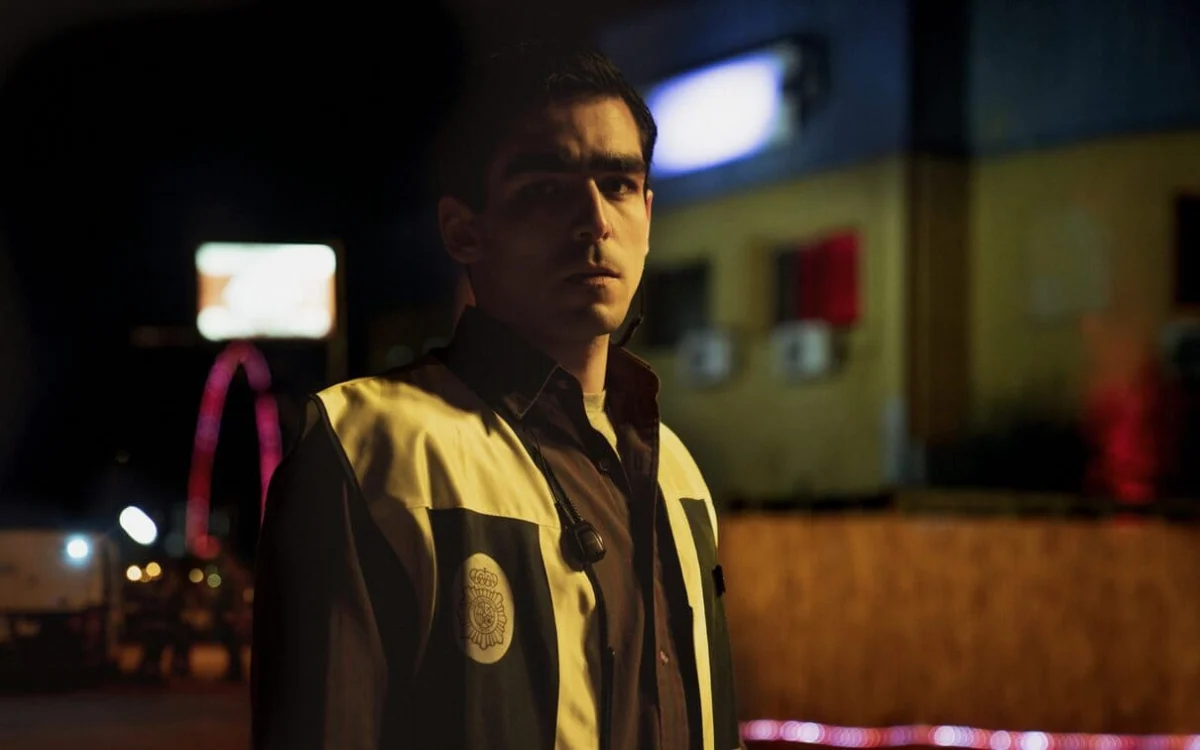
The 74th edition of the San Sebastián International Film Festival, scheduled to run from September 18th to 26th, will host the out-of-competition premiere of "El Castillo" (The Castle), a six-episode original series from Movistar Plus+. This compelling new drama reconstructs the rise of organized prostitution in Spain, drawing from real-life events and offering a stark look into a hidden, yet pervasive, aspect of the country’s recent history. "El Castillo" is one of three significant titles from Movistar Plus+ selected for this prestigious festival, alongside "La bola negra" and "5 minutos más," underscoring the platform’s growing influence in Spanish and international cinema.
A Deep Dive into a Dark Reality
"El Castillo" delves into the complex and often brutal world of human trafficking and sexual exploitation that has plagued Spain for decades. The series is based on the non-fiction book "El Proxeneta" (The Pimp) by Mabel Lozano, a renowned activist and filmmaker who has dedicated much of her career to shedding light on the realities faced by victims of prostitution. Lozano’s work provides a crucial foundation of factual accuracy and empathy, ensuring that the series respects the gravity of its subject matter.
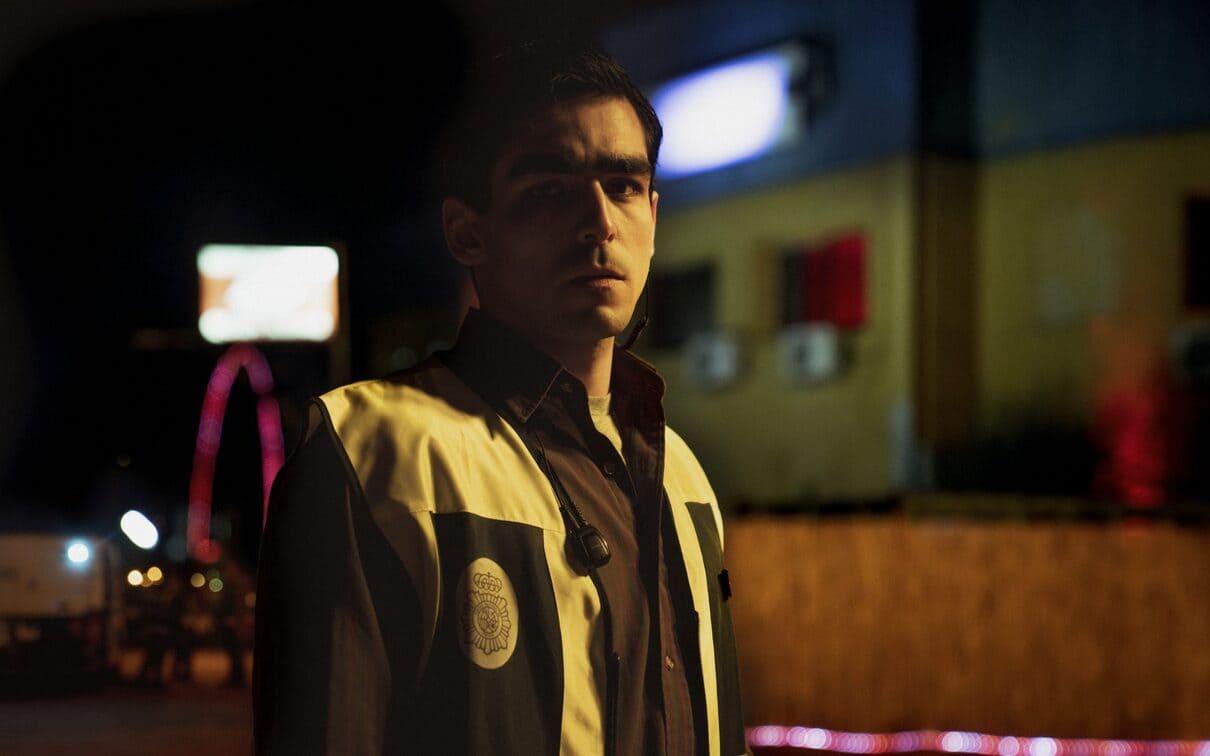
The narrative follows Gerardo Liesa, a young inspector newly assigned to UCRIF (Central Unit for Illegal Immigration Networks and Document Forgery), and his colleague Carmen Osé. As they immerse themselves in their roles, they begin to sense a disturbing shift within the brothels across Spain. Their investigation uncovers a sophisticated network of organized crime, led by a figure known only as "Suizo" (Swiss) and his associates, who operate numerous roadside clubs. These establishments serve as fronts for the systematic sexual exploitation of women from around the globe.
Central to the unfolding drama is Claudia, an 18-year-old woman from Colombia. Driven by the desperate hope of a better future for herself and her young son back home, she arrives in Spain only to find her dreams shattered by the grim reality of forced prostitution. Her story, and those of countless others like her, forms the emotional core of "El Castillo," highlighting the devastating human cost of this illicit trade.
The Creative Force Behind "El Castillo"
The series is the brainchild of screenwriters Isabel Peña and Eduardo Villanueva, two respected figures in contemporary Spanish fiction. Peña is a celebrated co-writer known for her contributions to critically acclaimed projects such as "Que Dios nos perdone" (God Forgive Us), "As Bestas" (The Beasts), "Antidisturbios" (Riot Police), and "El ser querido" (The Loved One). Villanueva, a producer and co-writer, also has "Antidisturbios" to his name, a series that explored the societal impact of police intervention. Their combined experience in crafting complex, character-driven narratives with a gritty, realistic edge is evident in "El Castillo." Together, they have constructed a police procedural that evokes a sense of scorched earth, desolate highways, and a systemic rot that permeates society.
The primary direction of "El Castillo" is helmed by Elena Martín Gimeno, an accomplished filmmaker whose directorial credits include the feature films "Júlia ist" and "Creatura." Her work is characterized by an intimate and unflinching gaze at human experiences. She is joined by Sandra Romero, who recently presented her debut feature, "Por donde pasa el silencio" (Where Silence Passes), in the New Directors section of the San Sebastián Festival in 2024. This directorial pairing promises a nuanced and visually compelling portrayal of the series’ sensitive themes.
"El Castillo" is a production of Movistar Plus+ in collaboration with Caballo Films and Mafalda Entertainment. The fact that a six-episode series is being screened out of competition in the Official Selection at San Sebastián is a notable occurrence, signaling the festival’s considerable confidence in the project’s artistic merit and its potential to spark important conversations. The pedigree of its creative team—combining Lozano’s documentary rigor, Peña and Villanueva’s sharp-edged writing, and Martín Gimeno’s insightful direction—suggests that "El Castillo" is poised to be one of the most impactful and uncomfortable fictions of the season.
Movistar Plus+ Dominates San Sebastián Selections
The inclusion of "El Castillo" marks a significant presence for Movistar Plus+ at the 74th San Sebastián Festival. The platform has secured three distinct selections across different sections, showcasing its diverse cinematic output.
"5 minutos más" (5 More Minutes), a film written by and starring Berto Romero, alongside Javier Cámara and Belén Cuesta, will compete in the Official Selection. This film represents a more comedic and perhaps lighter fare compared to "El Castillo," demonstrating the platform’s breadth of storytelling.
Further adding to Movistar Plus+’s strong showing is "La bola negra" (The Black Ball), a project from acclaimed directors Javier Calvo and Javier Ambrossi. This film boasts an impressive cast, including Penélope Cruz and Glenn Close, and has already garnered recognition, having won the award for Best Direction at the Cannes Film Festival. "La bola negra" is set to premiere in the Pearls section, a curated program that showcases some of the most significant films from other major international festivals.
These three selections—each in a different festival section—underscore Movistar Plus+’s ambition and its success in carving out a significant territory at Spain’s most important film event. The platform’s commitment to producing high-quality, diverse content is clearly resonating with festival programmers and audiences alike.
A Deeper Impact: Confronting a National Taboo
While "La bola negra" and "5 minutos más" bring star power and established festival accolades, "El Castillo" might be the title that leaves the most profound and lasting impression. It does not arrive with Hollywood A-listers or the fanfare of previous festival triumphs. Instead, it brings a raw, unflinching account of a reality that Spain has, for too long, preferred to ignore.
The history of organized prostitution in Spain is deeply intertwined with issues of immigration, poverty, gender inequality, and organized crime. For decades, the country served as both a destination and a transit point for women trafficked from Eastern Europe, Latin America, and Africa. These women were often lured by false promises of work or a better life, only to be trapped in exploitative situations with little recourse. The "clubs de carretera," or roadside brothels, became notorious symbols of this hidden industry, operating in plain sight yet often overlooked by authorities and society at large.
The rise of this organized prostitution was fueled by a complex interplay of factors, including lax enforcement of anti-trafficking laws in certain periods, a persistent demand for commercial sex, and the vulnerability of marginalized communities. The crackdowns and investigations that began to gain traction in the late 20th and early 21st centuries gradually peeled back the layers of this clandestine world, revealing the extent of the exploitation and the criminal networks profiting from it.
"El Castillo" promises to bring this uncomfortable history to the forefront. By grounding its narrative in real events and drawing from the extensive research of Mabel Lozano, the series aims to humanize the victims and expose the machinations of the perpetrators. The choice to present this series at a major film festival like San Sebastián is significant. It elevates a difficult social issue to the level of cinematic discourse, encouraging reflection and dialogue.
Implications and Future Considerations
The screening of "El Castillo" at San Sebastián has several important implications:
- Raising Public Awareness: The series has the potential to significantly increase public awareness about the realities of organized prostitution and human trafficking in Spain. By presenting this sensitive subject matter through a compelling narrative, it can reach a broader audience than traditional awareness campaigns.
- Catalyst for Social Change: By shining a light on systemic failures and the human cost of exploitation, "El Castillo" could serve as a catalyst for policy changes and improved support systems for victims. It may prompt renewed scrutiny of law enforcement efforts and judicial responses to trafficking cases.
- Artistic Merit and Festival Recognition: The selection of "El Castillo" for San Sebastián, even out of competition, signifies its artistic merit and its ability to engage with complex social issues through high-quality filmmaking. This recognition can encourage further investment in socially relevant storytelling.
- Movistar Plus+’s Position: The platform’s strong showing at San Sebastián, particularly with a series as impactful as "El Castillo," solidifies its reputation as a producer of ambitious and socially conscious content, capable of competing on the international stage.
While the series does not offer easy answers, its power lies in its commitment to presenting a difficult truth. The San Sebastián International Film Festival, known for its embrace of challenging cinema, provides an ideal platform for "El Castillo" to confront audiences with a story that has long been relegated to the shadows. The hope is that by witnessing these stories on the big screen, Spain can continue to grapple with this painful chapter of its past and work towards a future where such exploitation is eradicated. The series, with its powerful narrative and esteemed creative team, is poised to be a significant cultural event, prompting reflection and, potentially, contributing to meaningful societal change.



 Julia Chirkova
 Julia Prastini
 Jia Lissa
 admin
admin
 Raisa Andriana