
 Jia Lissa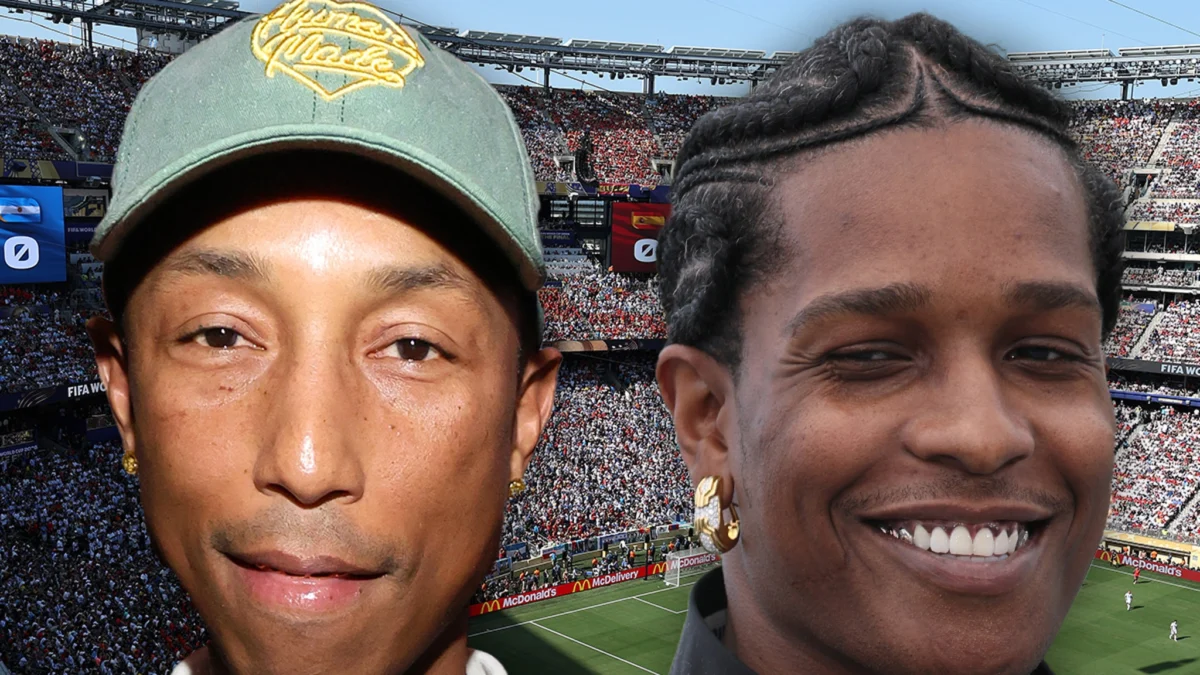
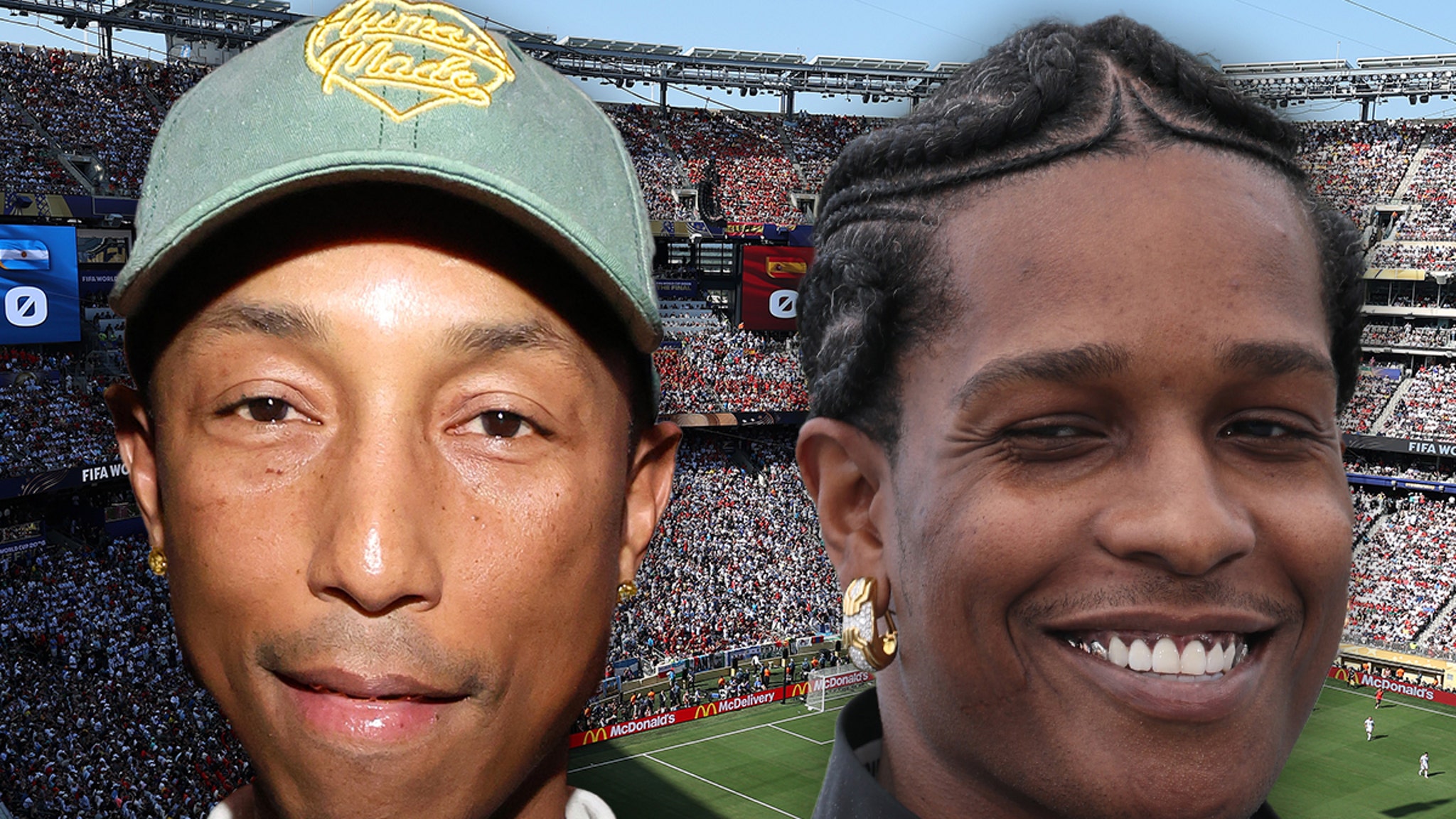
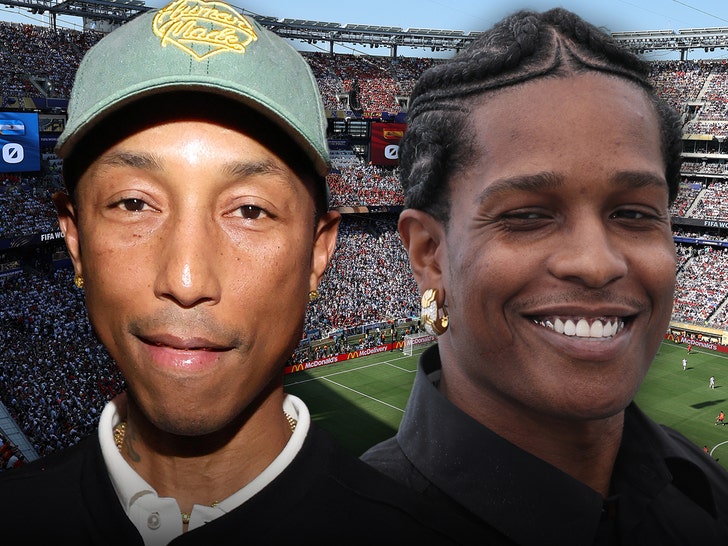
The global spectacle of the 2026 FIFA World Cup Final, held on July 19, 2026, at MetLife Stadium in East Rutherford, New Jersey, was momentarily overshadowed by a notable gaffe from a seasoned BBC commentator, Guy Mowbray. During the highly anticipated clash between Spain and Argentina, Mowbray, known for his incisive play-by-play, found himself adrift in the sea of celebrity faces, hilariously mistaking music icon Pharrell Williams for rapper A$AP Rocky and further mispronouncing Rocky’s moniker. The incident, occurring approximately 15 minutes into the final match, quickly went viral, becoming a defining, albeit humorous, sidebar to the monumental sporting event.
The pivotal moment unfolded as broadcast cameras panned across the star-studded stands of MetLife Stadium. Amidst the roaring crowd and the palpable tension of a World Cup Final, a familiar figure appeared on screen: Pharrell Williams, instantly recognizable to many despite his backward cap and sunglasses. It was at this juncture that Mowbray, attempting to provide an engaging layer of celebrity commentary, ventured into unfamiliar territory. His initial identification was a hesitant, "I think that is AKA Rocky," followed by a swift, albeit still incorrect, self-correction: "Or A$AP Rocky, sorry." The double misstep – identifying the wrong person and then fumbling the name of the intended celebrity – was immediately picked up by eagle-eyed viewers and exploded across social media platforms.
The irony of the situation was compounded by the fact that A$AP Rocky was indeed present at the stadium, albeit in a separate luxury suite, accompanied by his partner Rihanna, fellow artist Future, and New York Knicks star Jalen Brunson. Pharrell, meanwhile, appeared blissfully unaware of the momentary identity crisis he had caused in the broadcast booth, seemingly engrossed in the unfolding drama on the pitch. His calm demeanor, contrasted with the commentator’s frantic attempt at recognition, only added to the comedic value for millions watching worldwide. This human error underscored the unique pressures faced by live broadcasters during events of such immense scale and cultural crossover.
The 2026 FIFA World Cup was a historic tournament, marking the first time the prestigious event was co-hosted by three nations: the United States, Canada, and Mexico. This expanded geographical footprint contributed to an unprecedented scale, both in terms of logistical complexity and global viewership. The tournament, culminating in the final at MetLife Stadium, was a celebration of international football, drawing an estimated global audience of billions. The choice of MetLife Stadium, a venue renowned for hosting major sporting and entertainment events, further solidified the event’s grandiosity. The final match itself, a gripping encounter between two footballing giants, Spain and Argentina, was a testament to the sport’s enduring appeal. Spain ultimately clinched the title with a decisive 1-0 victory in extra time, a historic win that will be etched in the annals of football history.
Such a high-profile event inevitably attracts a constellation of A-list celebrities, dignitaries, and influential personalities, transforming the stadium into a microcosm of global pop culture and power. The stands at MetLife Stadium were a testament to this, teeming with an eclectic mix of luminaries. Among those spotted were former President Donald Trump, Hollywood superstar Tom Cruise, rock legend Mick Jagger, reality television mogul Kylie Jenner, acclaimed actor Timothée Chalamet, and the iconic Beckham family. This unprecedented gathering of stars presented a unique challenge for commentators like Mowbray, who are often tasked with identifying prominent figures in the crowd to add an extra layer of human interest to the broadcast. The sheer volume of recognizable faces, coupled with the rapid-fire nature of live television, can lead to what some might term a "celebrity-recognition circuit overload."
The role of a play-by-play commentator in a major sporting event extends far beyond merely describing the action on the field. They are expected to be cultural navigators, capable of weaving in relevant anecdotes, historical context, and indeed, celebrity sightings, all while maintaining a smooth, engaging narrative. This multi-faceted demand places immense pressure on individuals like Guy Mowbray, a veteran commentator whose extensive experience typically ensures precision. However, even the most seasoned professionals are susceptible to human error, especially when operating under the intense scrutiny of a global live broadcast. The incident served as a vivid reminder of the fine line between informed commentary and accidental gaffes that can instantly be amplified by the digital echo chamber of social media.
The immediate aftermath of Mowbray’s commentary blooper was a torrent of online reactions. Social media platforms, particularly X (formerly Twitter) and TikTok, were inundated with clips, memes, and humorous commentary. Viewers dissected the "double whiff," with many debating whether the initial misidentification of Pharrell or the subsequent fumbling of A$AP Rocky’s name was funnier. Phrases like "confidently slapping that name on Pharrell" became instant taglines for the viral moment. The incident trended globally, cementing its place as one of the memorable non-sporting moments of the 2026 World Cup.
While there was no immediate official statement from Guy Mowbray or the BBC regarding the specific incident, the nature of live broadcasting implies a rapid internal debriefing and, likely, a moment of self-deprecating humor from the commentator himself. Mowbray’s professional integrity and extensive career speak to his commitment to accuracy, making this particular misstep an isolated, albeit highly public, anomaly. For the artists involved, Pharrell Williams and A$AP Rocky, there was no public reaction or acknowledgment of the gaffe. It is plausible that Pharrell remained genuinely unaware during the game, while A$AP Rocky, immersed in the World Cup atmosphere with his own entourage, may have either not noticed or found the situation too trivial to comment on publicly. In the fast-paced world of celebrity and sports, such fleeting viral moments are often quickly absorbed and then superseded by the next news cycle.
The broader impact of such an incident, while seemingly minor, reflects several contemporary trends in media and public consumption. Firstly, it underscores the increasing convergence of sports, entertainment, and pop culture, especially at mega-events like the World Cup. These events are no longer just about the game; they are cultural festivals where various facets of global society intersect. Secondly, the rapid virality of Mowbray’s misstep highlights the pervasive and unforgiving nature of social media, where every word and action of public figures and broadcasters is subject to immediate, widespread scrutiny and commentary. A single slip-up can instantly become a global talking point, immortalized in countless shares and memes. This constant digital vigilance places an unprecedented burden on live broadcasters, demanding not just accuracy in their primary field but also a broad, up-to-the-minute awareness of popular culture.
Finally, while the celebrity identification blunder provided a moment of lighthearted amusement, it ultimately served as a minor footnote in a truly historic World Cup Final. Spain’s hard-fought victory over Argentina was the true highlight, a testament to athletic prowess and strategic brilliance. Guy Mowbray, despite his brief celebrity confusion, delivered an otherwise stellar commentary on the match itself, accurately calling the plays and conveying the drama of the game. The incident, therefore, becomes a poignant example of the human element in broadcasting – a brief, relatable moment of fallibility amidst a meticulously planned and executed global spectacle. It reminds us that even at the pinnacle of professional sports commentary, the unexpected can always happen, providing not just news, but also a healthy dose of shared laughter and viral content for the digital age.


 Eva Lovia
 Julia Chirkova
 Julia Prastini
 Candice Horbacz
 admin
admin