
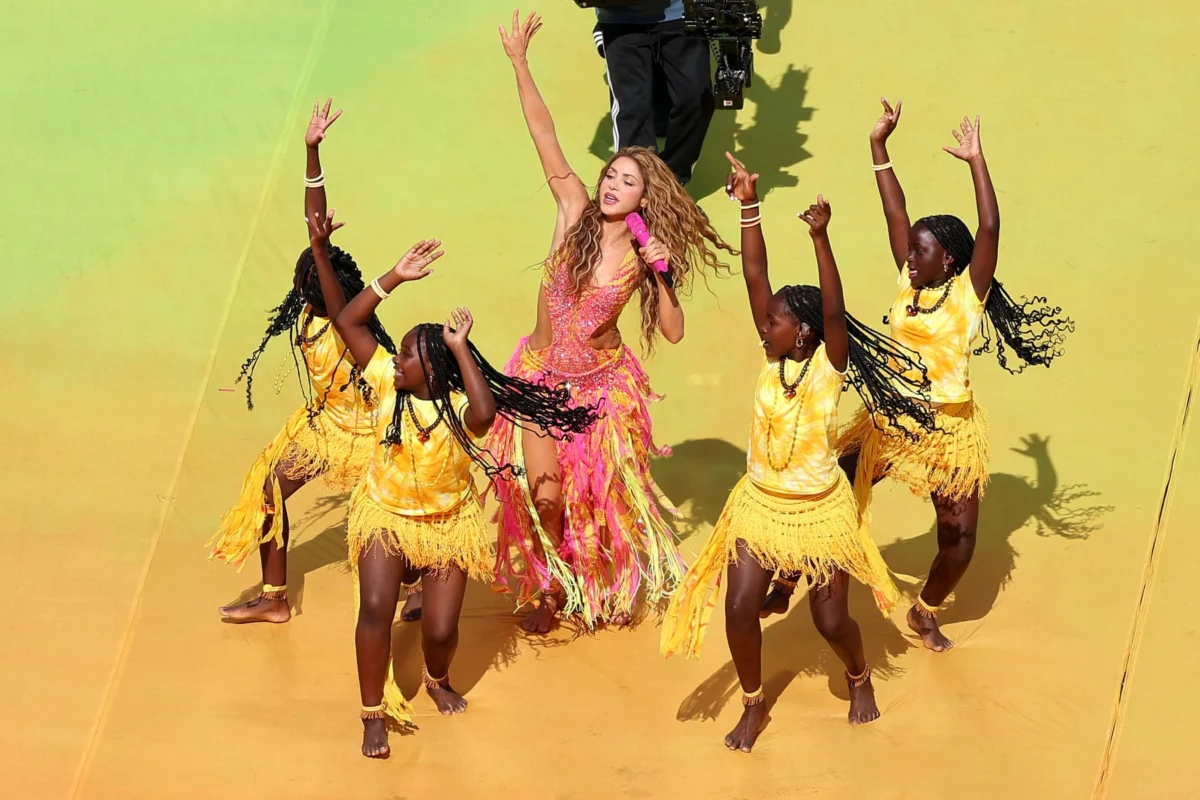
Staged Sunday, July 19, at the New York New Jersey Stadium, the first-ever halftime spectacle in the championship match moved with the logic of a playlist on shuffle and the pace of a caffeine rush, squeezing an unprecedented lineup of global superstars into a blink-and-you-missed-it production that still somehow felt gigantic. The show’s greatest success was understanding that subtlety had no place in this high-stakes, globally televised event, aiming to captivate a diverse audience of billions.
A Spectacle Unfolds on the World Stage
The 2026 FIFA World Cup Final, a culmination of a month-long tournament that captivated the globe, reached a fever pitch not just on the pitch but also during its inaugural halftime show. The match itself, a fiercely contested final between perennial rivals Spain and Argentina, held millions in suspense. However, the interval transformed the hallowed turf of the New York New Jersey Stadium into a dynamic stage for a meticulously crafted, high-octane performance that aimed to be as memorable as the sporting drama unfolding.

The sheer ambition of the production was evident from its inception. FIFA, in an effort to elevate the World Cup Final to an even grander cultural phenomenon, partnered with leading entertainment figures to curate a halftime show that transcended traditional sporting intermissions. This move, while potentially alienating some traditionalists, was designed to broaden the appeal of the tournament, integrating the passion of football with the universal language of music and pop culture. The result was an 11-minute and 30-second explosion of sound, light, and star power, meticulously designed to generate viral moments and global conversation.
Madonna Sets the Tone with an Unforgettable Entrance
The spectacle kicked off with a flourish, as global pop icon Madonna, a veteran of numerous high-profile performances, made a dramatic entrance. Accompanied by her long-time collaborator DJ Stuart Price, she commanded the stage, instantly setting a tone of extravagant entertainment. Adding a layer of footballing royalty to the proceedings, legendary Brazilian World Cup winners Ronaldo and Ronaldinho made a surprise appearance, arriving in a stylized jeep emblazoned with the license plate "Maestro." This unexpected cameo, steeped in footballing history, served as a nod to the sport’s rich legacy while seamlessly blending it with contemporary entertainment. The visual of these two titans of the game sharing the stage with a pop superstar underscored the event’s aim to bridge sporting and entertainment worlds.
Orchestral Power Meets Rock Anthem

Following Madonna’s electrifying opening, the show pivoted to a more symphonic yet powerful segment. Esteemed conductor Gustavo Dudamel took the helm, leading a formidable ensemble that included musicians from the New York Philharmonic and the Simón Bolívar Symphony Orchestra of Venezuela. Their rendition of The White Stripes’ iconic anthem, "Seven Nation Army," was a masterclass in reimagining a rock classic with classical instrumentation. The performance was amplified by dramatic visual elements, including a cascade of flags and vibrant lighting, and even featured the whimsical presence of the Muppets, adding an element of playful surrealism to the grand performance. This fusion of orchestral might and unexpected characters demonstrated the show’s commitment to creating a truly unique and engaging experience.
BTS Delivers a High-Energy Performance
The K-Pop phenomenon BTS followed, bringing their signature high-energy performance to the World Cup stage. Dressed in matching red, motorcycle-inspired outfits, the group delivered a turbocharged rendition of their global hit "Dynamite." The performance was a visual and auditory feast, showcasing the group’s impeccable choreography and their ability to command a stadium audience. The inclusion of BTS, a group with a massive international fanbase that often transcends language barriers, was a strategic move to connect with younger demographics and further solidify the World Cup’s global appeal. Their infectious energy and global reach ensured that this segment resonated with millions of viewers worldwide.
Justin Bieber’s Unexpected Serenade

In a moment that surprised many, actor Jason Sudeikis, reprising his beloved character Ted Lasso, introduced a notably subdued Justin Bieber. Shedding his usual high-energy persona, Bieber delivered a stripped-down, acoustic rendition of "Everything Hallelujah." This unexpected shift in tone provided a moment of poignant reflection amidst the show’s otherwise frenetic pace. The choice to feature Bieber in a more intimate setting, even within the vast stadium, offered a different facet of contemporary music, showcasing vocal talent and emotional depth. This segment demonstrated the show’s willingness to incorporate diverse musical styles and performance approaches.
Shakira and Burna Boy Ignite the Stage
The halftime show reached a natural stadium-pop peak with the electrifying collaboration between Colombian superstar Shakira and Nigerian artist Burna Boy. The dynamic duo tore into their Billboard Global 200 chart-topper, "Dai Dai," a track that has dominated airwaves and streaming platforms worldwide. Their performance was further amplified by the infectious energy of the Ghetto Kids, whose vibrant choreography added an irresistible rhythm to the presentation. This collaboration was a testament to the power of global music, bringing together artists from different continents and genres to create a unified, celebratory moment. The synergy between Shakira’s iconic stage presence and Burna Boy’s Afro-fusion sound captivated the audience, reinforcing the song’s global appeal.
A Grand Finale of Love and Fireworks

As the halftime show drew to a close, the diverse cast united for a grand finale. The PS22 Chorus, a renowned children’s choir, joined forces with Coldplay’s Chris Martin, and beloved Muppet characters including Kermit the Frog and Miss Piggy. Together, they created a touching tableau spelling out "LOVE," illuminated against a backdrop of a spectacular fireworks display that painted the night sky. This closing sequence was designed to be a unifying message, bringing together disparate elements of the show in a moment of shared humanity and celebration. The combination of a children’s choir, established musicians, and iconic characters, all culminating in a dazzling pyrotechnic display, left a lasting impression of joy and wonder.
Global Reach and Impact
The 2026 FIFA World Cup Final halftime show was not merely an entertainment interlude; it was a carefully orchestrated global marketing and cultural event. The inclusion of artists from North America, South America, Europe, and Africa, alongside K-Pop, underscored FIFA’s commitment to a truly international celebration. The estimated viewership for the halftime show alone was projected to surpass 1.5 billion people worldwide, according to preliminary reports from media analytics firms. This dwarfs the typical viewership of even the most popular music award shows, highlighting the unparalleled reach of the World Cup Final.
The financial implications of such a spectacle are also significant. While specific figures for the halftime show’s budget were not released, industry insiders estimate that productions of this scale can cost upwards of $10 million to $15 million, factoring in artist fees, staging, technical production, and global marketing. This investment is expected to yield substantial returns through increased viewership, merchandise sales, and global brand exposure for FIFA and its sponsors.

Analysis and Implications
The integration of such a star-studded, genre-bending halftime show into the FIFA World Cup Final represents a significant evolution for the tournament. For years, the halftime entertainment at major sporting events has steadily grown in scope and ambition. The success of this year’s show suggests a new benchmark has been set, one that will likely influence future major sporting and cultural events.
The decision to lean heavily into popular music and entertainment, while thrilling for many, did raise some debate. Purists argued that the focus of the halftime interval should remain on the sport itself, providing a brief respite for players and fans to reflect on the game. However, the overwhelming positive reaction on social media, with hashtags related to the performers trending globally within minutes of the show’s commencement, indicated a strong public appetite for this kind of expansive entertainment.
This approach by FIFA can be seen as a strategic move to solidify the World Cup as not just a sporting event, but a global cultural phenomenon. By aligning with artists who have immense international followings and cultural relevance, FIFA aims to engage a broader audience, including those who may not be ardent football fans. This strategy is crucial in an increasingly fragmented media landscape, where capturing and retaining audience attention is paramount.

The inclusion of diverse artists like Burna Boy and BTS also reflects a growing trend of global music integration in major events. These artists have built massive fanbases that transcend geographical and linguistic boundaries, offering FIFA a direct connection to significant demographic segments. The success of "Dai Dai," a song that has topped global charts, exemplifies the power of cross-cultural musical collaborations.
Furthermore, the event provided a significant platform for the artists involved. For performers like Burna Boy, this was an unprecedented opportunity to reach a global audience of billions, potentially catapulting their international careers to even greater heights. The exposure gained from performing on such a monumental stage is invaluable, solidifying their status as global superstars.
Looking ahead, this approach by FIFA is likely to be emulated. Organizers of major global events, from the Olympics to other international sporting championships, will undoubtedly study the success of this halftime show. The challenge for future events will be to replicate this level of star power and production value while also finding ways to innovate and surprise an audience that has now witnessed an unprecedented fusion of sport and entertainment. The 2026 FIFA World Cup Final halftime show has not only provided a memorable interlude to a thrilling final but has also redefined the possibilities for entertainment on the world’s biggest sporting stage.

0 Comments