
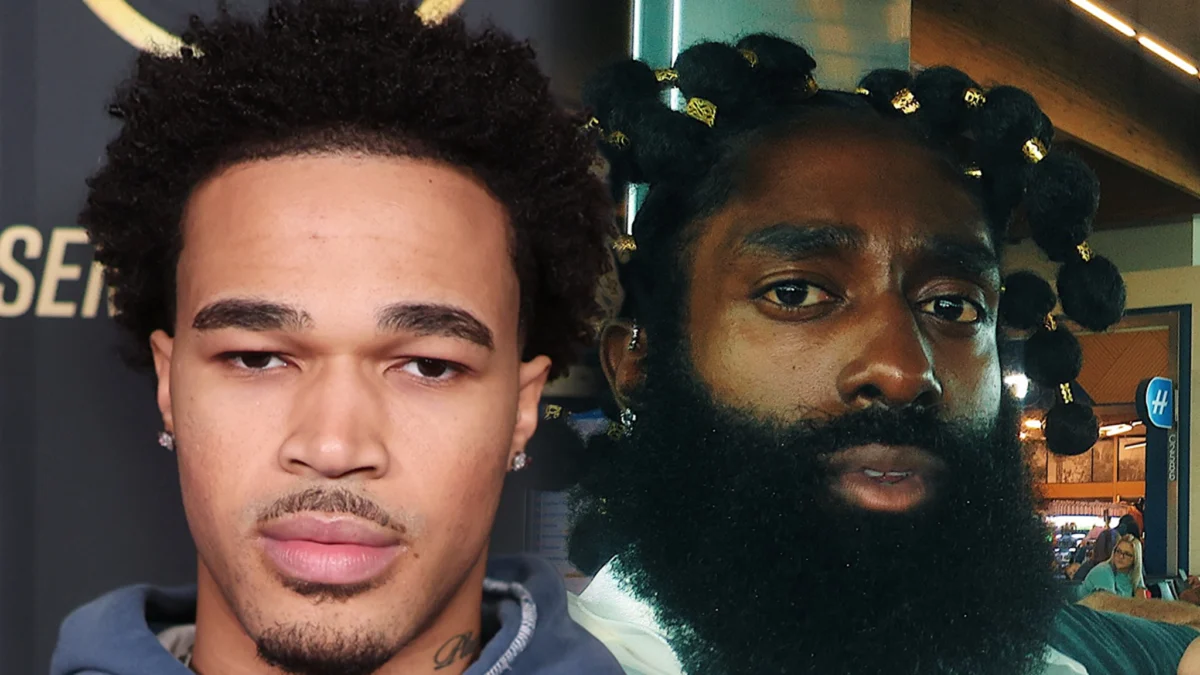
The vibrant, often volatile, ecosystem of Kai Cenat’s "Streamer University" witnessed a dramatic cessation of its continuous broadcast on Saturday night, July 19, 2026, when prominent participant PlaqueBoyMax abruptly concluded his 24/7 stream following a deeply personal and heated confrontation with fellow streamer OjaySuave. The incident, which unfolded live before thousands of viewers, centered on OjaySuave’s scathing critique of PlaqueBoyMax’s burgeoning "Diva" persona, accusing him of compromising his authenticity and "selling out for clicks." This public exchange not only brought Max’s stream to an emotional halt but also ignited a broader discussion within the Streamer University campus and the wider streaming community regarding authenticity, personal expression, and the often-blurring lines between entertainment and genuine interpersonal conflict in the high-stakes world of live content creation.
The Genesis of ‘Streamer University’ and its Unique Environment
"Streamer University," the brainchild of colossal Twitch and YouTube personality Kai Cenat, has rapidly established itself as a groundbreaking experimental platform designed to cultivate the next generation of internet stars. Launched with considerable fanfare, the initiative brings together a curated group of aspiring and established streamers, housing them in a mock collegiate campus environment. The premise is innovative: participants live, collaborate, compete, and learn the intricate nuances of content creation under the relentless gaze of 24/7 cameras. This immersive, reality-TV-style format offers an unprecedented look into the daily lives, creative processes, and interpersonal dynamics of streamers, all while providing a fertile ground for organic content generation and audience engagement.
The appeal of Streamer University lies in its raw, unscripted nature, offering viewers an intimate, voyeuristic experience akin to a digital Big Brother house. Participants are tasked with various challenges, attend "lectures" from industry veterans, and are encouraged to develop their unique brands and on-screen personas. This constant surveillance, while a catalyst for compelling content, inherently places immense pressure on individuals to maintain an engaging presence, manage personal relationships, and navigate conflicts, often without the luxury of privacy. It is within this high-pressure, intensely public crucible that the recent confrontation between PlaqueBoyMax and OjaySuave reached its boiling point, exposing the delicate balance streamers must strike between persona and genuine self.
The Heated Exchange Unfolds: A Public Scrutiny of Persona
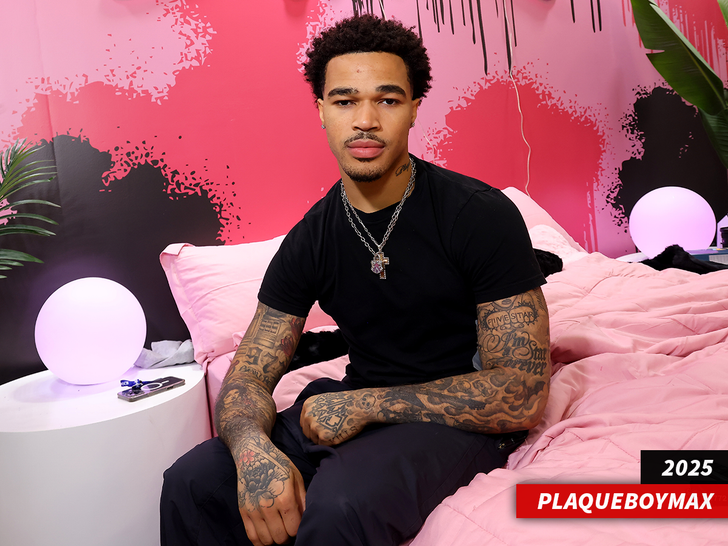
The catalyst for Saturday’s dramatic events was a mock lecture delivered by OjaySuave, ironically titled "How to be a Diva." What began as an ostensibly instructional segment quickly devolved into a pointed, personal attack directed at PlaqueBoyMax. OjaySuave, known for his direct communication style, leveraged the segment to address Max’s recently adopted "Diva" persona, specifically referencing a new tattoo Max had acquired symbolizing this very identity. Ojay began by suggesting Max needed "guidance" and even a "church bath," implying a spiritual cleansing was required to shed what Ojay perceived as a negative, inauthentic affectation.
The critique rapidly escalated beyond constructive criticism. OjaySuave repeatedly emphasized that Max was a "grown man" and "not no Diva," directly challenging the validity and sincerity of Max’s chosen on-screen identity. He accused Max of "clip farming," a term used to describe the practice of intentionally creating controversial or exaggerated moments designed to go viral and generate short, shareable clips, thereby boosting engagement and potential earnings. Ojay warned Max against "losing himself" and, more gravely, against "selling his soul" for the sake of online popularity. The tone, initially seemingly one of tough love, became increasingly confrontational and accusatory, turning the mock lecture into a very real, public interrogation of Max’s character and career choices. The exchange was broadcast live across various platforms, ensuring a vast audience witnessed every escalating word and emotional nuance.
The ‘Diva’ Persona Under Scrutiny
The concept of a "persona" is central to streaming. Many successful streamers cultivate exaggerated, distinct characters that resonate with their audience. The "Diva" persona, in particular, often implies an individual who is flamboyant, demanding, and unapologetically self-centered, often used for comedic effect or to project an image of untouchable star power. For PlaqueBoyMax, this persona appeared to be an intentional evolution of his brand, marked by the recent tattoo as a physical embodiment of this new identity. However, OjaySuave’s critique suggested a deeper concern: that Max’s adoption of this persona was not merely an act but a genuine transformation that was leading him away from his authentic self, driven by a cynical pursuit of viral content. This public questioning of Max’s authenticity struck at the very heart of his professional integrity and personal identity.
Max’s Emotional Response and Stream Closure
PlaqueBoyMax, visibly affected by the severity and public nature of OjaySuave’s accusations, initially attempted to defend himself. He passionately articulated his right to express himself and urged viewers to embrace what made them unique. His defense underscored a fundamental aspect of individuality and creative freedom, suggesting that his persona was an extension of his evolving self, not merely a calculated marketing ploy. However, the emotional toll of the confrontation quickly became apparent. Max countered Ojay’s public critique by questioning his motives: if Ojay truly cared about him, Max argued, why would he choose to air such deeply personal concerns in front of "hundreds of people" rather than addressing them privately, away from the cameras and the scrutinizing eyes of the internet? This pointed question highlighted the ethical dilemma inherent in the Streamer University format – the constant trade-off between generating compelling public content and maintaining genuine, respectful interpersonal relationships.
As the tension became unbearable, an emotional PlaqueBoyMax made the unprecedented decision to pull the plug on his around-the-clock stream. The abrupt cessation of the broadcast, a rare occurrence in the 24/7 format of Streamer University, signaled the depth of his distress and his immediate need to disengage from the public spectacle. He left the set to "cool off," leaving viewers and fellow participants in a state of shock and uncertainty. The act of ending his stream was not merely a technical shutdown; it was a powerful, public statement of his emotional state and a direct response to what he perceived as a betrayal of trust and a violation of personal boundaries.
Post-Confrontation: Reactions and Repercussions
The immediate aftermath of the incident saw swift reactions from within the Streamer University community. Fellow streamer Wardrobe quickly intervened, confronting OjaySuave directly. Wardrobe accused Ojay of bullying Max, demanding a public apology for the harsh and personal nature of his critique. This intervention underscored the palpable tension on campus and reflected a segment of the community that viewed Ojay’s actions as beyond the bounds of acceptable "tough love" or comedic banter.
OjaySuave, in his defense, insisted that his comments were intended as a joke and that he did not realize PlaqueBoyMax would take his remarks so seriously. He claimed his intentions were not malicious but rather an attempt at lighthearted guidance that was misconstrued. This explanation, however, failed to fully placate critics who argued that the context of a public broadcast, combined with the deeply personal nature of the accusations, negated any claim of mere jest. The incident quickly became a trending topic across social media platforms, with viewers and other streamers weighing in, dividing into camps supporting either Ojay’s "tough love" approach or Max’s right to self-expression and privacy. The debate raged, highlighting the differing interpretations of acceptable behavior and critique within the often-unfiltered world of live streaming.
Authenticity, Performance, and the Pressures of Live Streaming
The confrontation between PlaqueBoyMax and OjaySuave serves as a poignant case study in the complex dynamics of authenticity versus performance in live streaming. In an industry where personal brand is paramount and engagement often hinges on perceived genuineness, the line between an adopted persona and one’s true self can become dangerously blurred. Streamers operate under the immense pressure of constant content creation, often feeling compelled to push boundaries or adopt personas that might generate more "clicks" or viral moments. This pressure is amplified in an environment like Streamer University, where competition is fierce, and every interaction is a potential piece of content.
The incident also brings to the forefront the psychological toll of continuous public scrutiny. Operating a 24/7 stream means living a significant portion of one’s life under the microscope, leaving little room for private moments or unfiltered emotional processing. Conflicts that might otherwise be resolved privately between individuals are instead amplified into public spectacles, with real-time reactions from a global audience. This can severely impact mental well-being, fostering environments where perceived slights or critiques can escalate rapidly due to the lack of a safe, private space for resolution. The expectation for streamers to constantly be "on" and to convert personal experiences into engaging content raises ethical questions about the responsibilities of platforms and fellow creators to protect the mental health of participants.
Furthermore, the incident sparked a wider conversation about the ethics of public criticism among peers in the content creation space. While constructive criticism is vital for growth, the manner and forum in which it is delivered are equally crucial. Max’s question about why Ojay chose a public platform over a private conversation resonated with many who believe that genuine concern should be expressed with discretion and respect, not as a performance for an audience. This highlights a recurring tension in the creator economy: the desire for authentic, raw content often clashes with the need for boundaries and humane interaction.
Looking Ahead: Lessons from the Campus
The dramatic end to PlaqueBoyMax’s stream and the subsequent fallout have undoubtedly left an indelible mark on Streamer University. While the immediate future for Max, OjaySuave, and the nature of their relationship remains uncertain, the incident offers invaluable, albeit harsh, lessons for all involved. For Kai Cenat and the organizers of Streamer University, it underscores the inherent risks and complexities of their innovative format, prompting a potential re-evaluation of guidelines concerning interpersonal conflict and the boundaries of "content creation."
The event has inadvertently provided a real-world "lesson in keeping some conversations off-camera," as the original article pithily noted. It illustrates the delicate balance between cultivating an engaging, unscripted environment and ensuring the well-being and privacy of its participants. Whether this incident leads to reconciliation, further estrangement, or a shift in how personal conflicts are handled within the Streamer University ecosystem, it has certainly provided a stark reminder of the human element at the heart of digital entertainment and the profound impact of public scrutiny in the lives of those who choose to live theirs in the constant glare of the internet. The streaming world, much like a real university, continues to offer both triumphs and tribulations, serving as a dynamic, if sometimes brutal, classroom for its participants and its global audience alike.

0 Comments