
 Nila Kartika Wati
In an era dominated by the convenience of high-speed fiber optics and the near-infinite libraries of subscription-based platforms, an unexpected demographic is spearheading a revival of a format once consigned to the scrapheap of technological history. Generation Z, the first cohort to grow up as true digital natives, is increasingly turning away from the ephemeral nature of streaming in favor of the permanence and tactile satisfaction offered by DVDs and Blu-ray discs. What began as a niche interest in "retro" aesthetics has evolved into a significant market shift, characterized by record-breaking rentals at independent video stores and a notable stabilization in the sales of physical media. This trend mirrors the "vinyl renaissance" previously led by millennials, but with a distinct cinematic focus that emphasizes ownership, curation, and a rejection of the algorithmic curation that defines modern media consumption.
The State of Physical Media: From Decline to Stabilization
For over a decade, the narrative surrounding physical media was one of inevitable obsolescence. Following the bankruptcy of Blockbuster in 2010 and the subsequent pivot of Netflix from a DVD-by-mail service to a streaming titan, the market for silver discs plummeted. Industry data from 2023 and 2024 showed a staggering decline in physical disc sales, with annual drops exceeding 20% as consumers migrated to digital lockers and monthly subscriptions. However, the trajectory shifted unexpectedly in 2025.
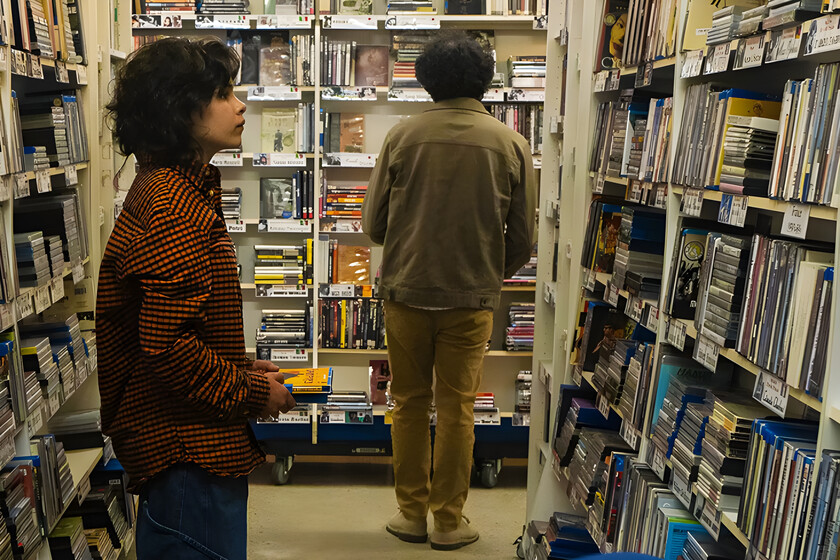
According to reports from the Digital Entertainment Group (DEG) and market analysts cited by the Los Angeles Times, the decline in physical media sales slowed to a mere 9% in 2025. More tellingly, premium formats like 4K Ultra HD (UHD) Blu-ray saw a 12% increase in consumer spending during the same period. This stabilization is being largely attributed to younger consumers who are discovering the format for the first time or reclaiming it as a form of cultural identity. In Los Angeles, the non-profit video store and cinema hub Vidiots reported its most successful month in history in January 2026, averaging 170 movie rentals per day—a figure that would have been enviable even during the height of the rental era twenty years ago.
A Chronology of the Physical Media Revival
The return to physical media did not happen in a vacuum. It is the result of a multi-year buildup of consumer frustrations and changing cultural values:
- 2019–2021: The Streaming Wars Begin: The launch of Disney+, Apple TV+, and the rebranding of HBO Max led to a fragmented market. Consumers were forced to manage multiple subscriptions to access a complete library of content.
- 2022–2023: Content Volatility: Streaming services began removing original content and licensed titles without warning—often for tax write-offs or licensing shifts—leaving fans unable to access movies and shows they had previously enjoyed.
- 2024: The Quality Realization: Enthusiasts began highlighting the technical superiority of physical media, noting that 4K Blu-rays offer significantly higher bitrates and superior audio quality compared to compressed 4K streams.
- 2025: The Gen Z Pivot: Social media platforms like TikTok and Instagram saw a surge in "shelfies" and collection videos, as Gen Z influencers began treating DVD collections as a form of home decor and personal branding.
- 2026: The New Golden Age of Niche Labels: Companies like The Criterion Collection, Arrow Video, and Vinegar Syndrome reported record-breaking sales, catering to a younger audience hungry for high-quality, curated physical editions.
Drivers of the Trend: Ownership, Quality, and Subscription Fatigue
The motivation behind Gen Z’s embrace of DVDs and Blu-rays is multifaceted, blending economic pragmatism with a philosophical desire for "authentic" experiences. One of the primary drivers is the growing phenomenon of "subscription fatigue." With the cost of major streaming services rising annually and the introduction of ad-supported tiers, the value proposition of streaming has diminished. For many young adults, the realization that they can own a favorite film for the price of one month’s subscription—and never lose access to it—has become a powerful incentive.

Furthermore, the "fragility" of digital libraries has created a sense of urgency. In the digital age, a "purchase" on a platform like Amazon or iTunes is often merely a long-term license that can be revoked if the platform loses distribution rights. Physical media offers a level of security that digital formats cannot match. "Having a DVD means security," noted one collector interviewed by AOL. "The movie will always be there, regardless of corporate mergers or licensing disputes."
Beyond the economics, there is a technical argument for the format. While streaming services advertise 4K resolution, the data is heavily compressed to allow for internet transmission. A 4K UHD Blu-ray provides a bitrate that is often four to five times higher than a stream, resulting in a clearer picture, more accurate colors, and lossless audio. For a generation that values high-end home theater setups and gaming monitors, the difference in quality is palpable.
The Social and Cultural Significance of the Video Store
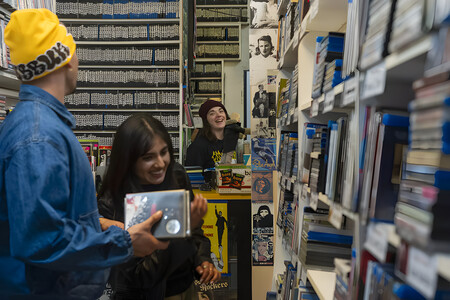
The revival of physical media has also breathed new life into the concept of the video store as a community hub. Unlike the sterile, algorithm-driven interface of a streaming app, physical video stores offer a tactile and social experience. Stores like Vidiots in Los Angeles or Scarecrow Video in Seattle have become "third places" where young people gather on Friday nights to browse aisles, discuss directors, and receive human recommendations.
This social aspect is a direct response to the isolation often associated with digital consumption. For Gen Z, the act of "going to the video store" is an event—a deliberate choice to engage with the world outside of a screen. It reflects a broader cultural shift toward "slow" consumption, similar to the rise of independent bookstores and the preference for print over e-books. Industry experts suggest that the curated nature of these stores provides a sense of discovery that algorithms, which tend to suggest more of the same, cannot replicate.
Industry Reactions and the "Criterion Effect"
Mainstream studios have taken note of this shift, albeit cautiously. While major retailers like Best Buy have largely exited the physical media market, boutique labels have stepped in to fill the void. The Criterion Collection, a company dedicated to publishing "important classic and contemporary films," told the Los Angeles Times that the surge in interest from younger viewers has exceeded all expectations. These boutique labels treat films as art objects, providing extensive supplemental materials, high-quality cover art, and meticulously restored transfers.
Amy Jo Smith, president of the Digital Entertainment Group, highlighted that the growth is particularly concentrated in high-end formats. "The viewers are spending more on 4K UHD titles because they want a premium experience," Smith stated. This suggests that while the mass market may remain digital, a significant and vocal segment of the population is willing to pay a premium for physical excellence and ownership.
Broader Implications: A Rebellion Against the "All-Digital" Future
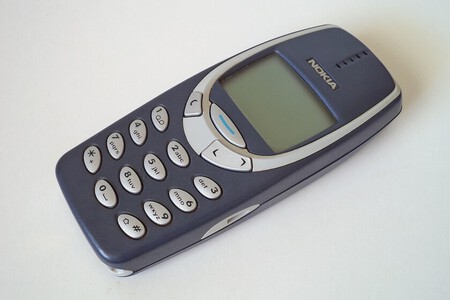
The return to DVDs is part of a larger "analog" trend among Gen Z that includes the use of film cameras, the purchase of vinyl records, and even the adoption of "dumb phones" to limit screen time. This movement is often described as a form of cultural rebellion against the "Everything-as-a-Service" (EaaS) model. By choosing physical media, Gen Z is reclaiming a sense of agency over their personal culture.
This shift has significant implications for the future of media preservation. As streaming services become more selective about what they host, physical discs serve as a vital archive of cinematic history. The enthusiastic participation of the younger generation ensures that these formats—and the films they contain—will not disappear into the digital ether.
Conclusion: A Lasting Change or a Passing Fad?
While skeptics may dismiss the DVD revival as a temporary bout of nostalgia, the data suggests a more permanent shift in consumer behavior. The combination of technical superiority, the security of ownership, and the social appeal of physical curation has created a robust foundation for the format’s survival.
Streaming will undoubtedly remain the primary method of media consumption due to its sheer convenience. However, physical media is successfully repositioning itself not as a direct competitor to streaming, but as a complementary, premium alternative for those who truly care about the films they watch. Just as the Kindle did not kill the printed book and Spotify did not kill the vinyl record, the "streaming era" is finding that there is still plenty of room on the shelf for a well-curated collection of discs. For Generation Z, the DVD is more than just a piece of plastic; it is a statement of intent in an increasingly intangible world.



 Eva Lovia
 Julia Chirkova
 Julia Prastini
 Lina Irawan
 Jia Lissa