
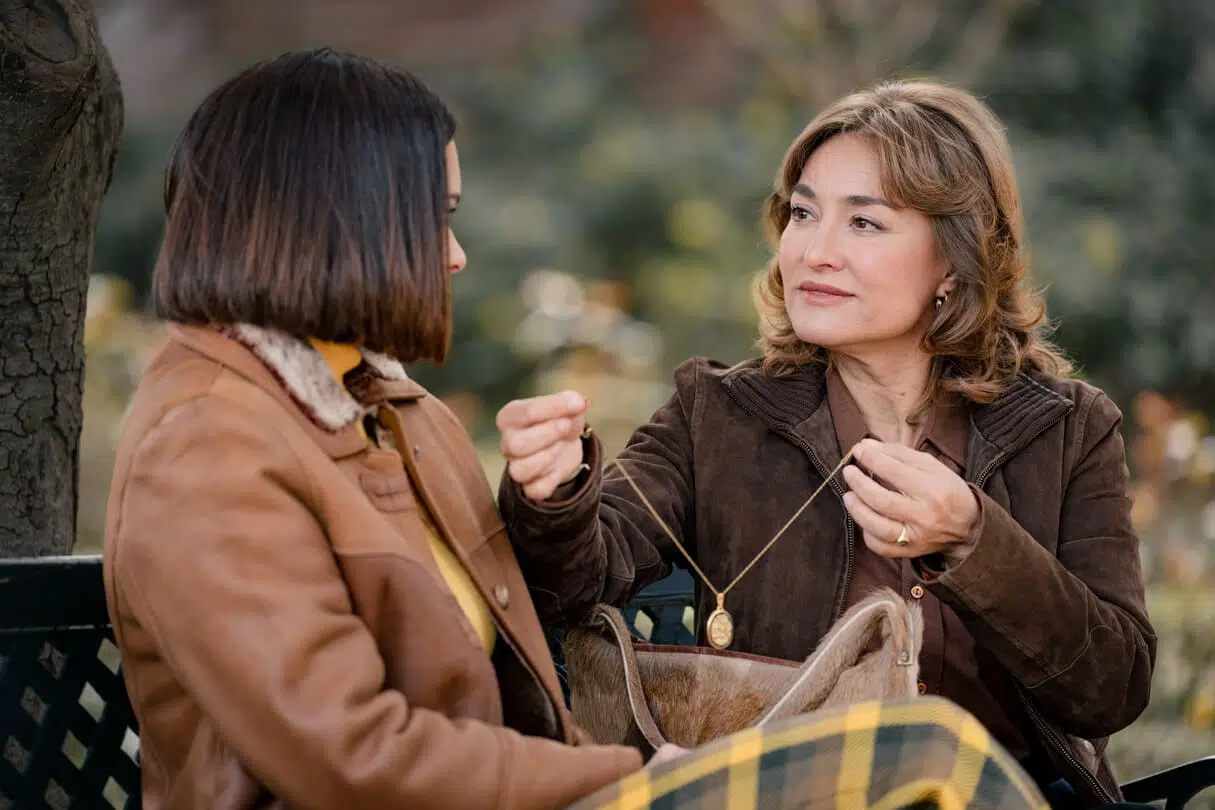
The popular Spanish daily drama "Sueños de Libertad," a flagship series from Atresmedia that has captivated a significant audience, is set to welcome a dynamic new character with the arrival of Bianca, portrayed by Argentine actress Carolina Román. In an exclusive interview, Román delves into her portrayal of Bianca, a fiercely independent artist whose presence promises to disrupt the established dynamics of the series, particularly for the characters Marta and Fina. Her entry into the narrative marks a significant turning point, introducing themes of liberation, artistic expression, and a clash of cultural perspectives within the meticulously crafted world of the series.
Carolina Román, born in Formosa, Argentina, in 1972, brings a rich and multifaceted career to her role as Bianca. With a background encompassing acting, directing, and playwriting, Román has established herself as a prominent figure in both Argentine and Spanish entertainment industries. Her recent television credits include appearances in Netflix’s "La chica de nieve 2" and Atresplayer’s "El gran salto," demonstrating her versatility and appeal to a broad audience. However, her early career in Argentina, marked by iconic roles in beloved series such as "Chiquititas," "Gasoleros," and "Cebollitas," laid the foundation for her enduring presence in the performing arts. Beyond acting, Román’s directorial and dramatic work, including acclaimed stage productions like "Juguetes rotos," "Chavela," and "Amaeru," highlights her profound understanding of storytelling and character development.
The character of Bianca is described by Román as a "topadora," a force of nature designed to shake up the existing order. Bianca is not merely an addition to the cast; she is a catalyst for change, arriving in Toledo with a mission that is deeply rooted in her personal life and artistic philosophy. Her history with Fina, played by Alba Brunet, dates back to their time together in Argentina, a past that has clearly left an indelible mark on both women. Bianca’s arrival signifies a reawakening for Fina, and the dynamic between them is poised to become a central focus of the upcoming narrative arcs.
Román articulates Bianca’s essence as that of a "woman who is free, absolutely feminist, absolutely passionate about life, about love, about sex, and she is a very free spirit." This description immediately sets Bianca apart from the societal norms likely prevalent in the series’ 1960s Spanish setting. Her character is presented as an embodiment of liberation, a stark contrast to the potential constraints and expectations of the era. "She approaches Fina’s character from many very nourishing places, but of course, it’s a cultural clash. For Fina, it’s new; for Bianca, it’s habitual," Román explains, underscoring the inherent conflict and intrigue that Bianca’s perspective will introduce.

The series "Sueños de Libertad" has cultivated a substantial and devoted following, often referred to as a "fandom brutal." Román acknowledges the weight of joining such a project, stating, "The responsibility I feel for any of my work is the same, but knowing that it is a series that is liked, that has a brutal fandom, I must say that my character is a risk." This admission suggests that Bianca’s unconventional nature and disruptive potential might challenge the established preferences of the existing fanbase, creating an element of anticipation and potential controversy.
Román’s perspective on the fandom is overwhelmingly positive. "I think the fandom is crazy, but at the same time, I love that there are people who live this with passion, with this thing of being unconditional, and they make this series what it is. Long live the fandom! I love them," she expresses, emphasizing her appreciation for the audience’s dedication and emotional investment in the show. This sentiment suggests a desire to engage with the audience, even as her character introduces elements that might be perceived as challenging.
The cultural juxtaposition between Bianca’s modern, liberated worldview and the more traditional environment of 1960s Toledo is a key element of her character’s narrative. Román likens this encounter to a "train wreck," a powerful metaphor for the inevitable collision of two vastly different realities. Bianca’s arrival is framed as an infusion of "this elixir, this poison of freedom," a force that encourages the defense of liberty in all its forms: expression, identity, sexuality, and creativity. This emphasis on liberation is central to Bianca’s purpose within the narrative, pushing the boundaries of what was acceptable and understood during that historical period.
Beyond her complex relationship with Fina, Bianca is also set to interact with Marta, played by Marta Belmonte. Román describes their dynamic as one of "discord." However, she adds a layer of intrigue by stating, "Marta is a worthy opponent. In fact, Bianca loves having this dispute because she admires her. She is a woman who seems sexy, attractive, confident, and who could perfectly be with her too." This revelation hints at a potentially multifaceted relationship between Bianca and Marta, suggesting romantic or at least deeply personal undertones that could further complicate the existing relationships within the series. This introduces a new layer of interpersonal drama and potential romantic entanglement that could resonate with viewers.
The process of constructing such a distinctive character was deeply personal for Román. "From the casting, I looked for characteristics. Some had to do with me, others had nothing to do with me at all, and it was very enriching, because when one goes to the extreme, something almost magical happens, which is that one appropriates an energy that is not the one one inhabits." This suggests a profound immersion into the character, allowing Román to tap into aspects of herself and explore new facets of her own being through Bianca’s persona.
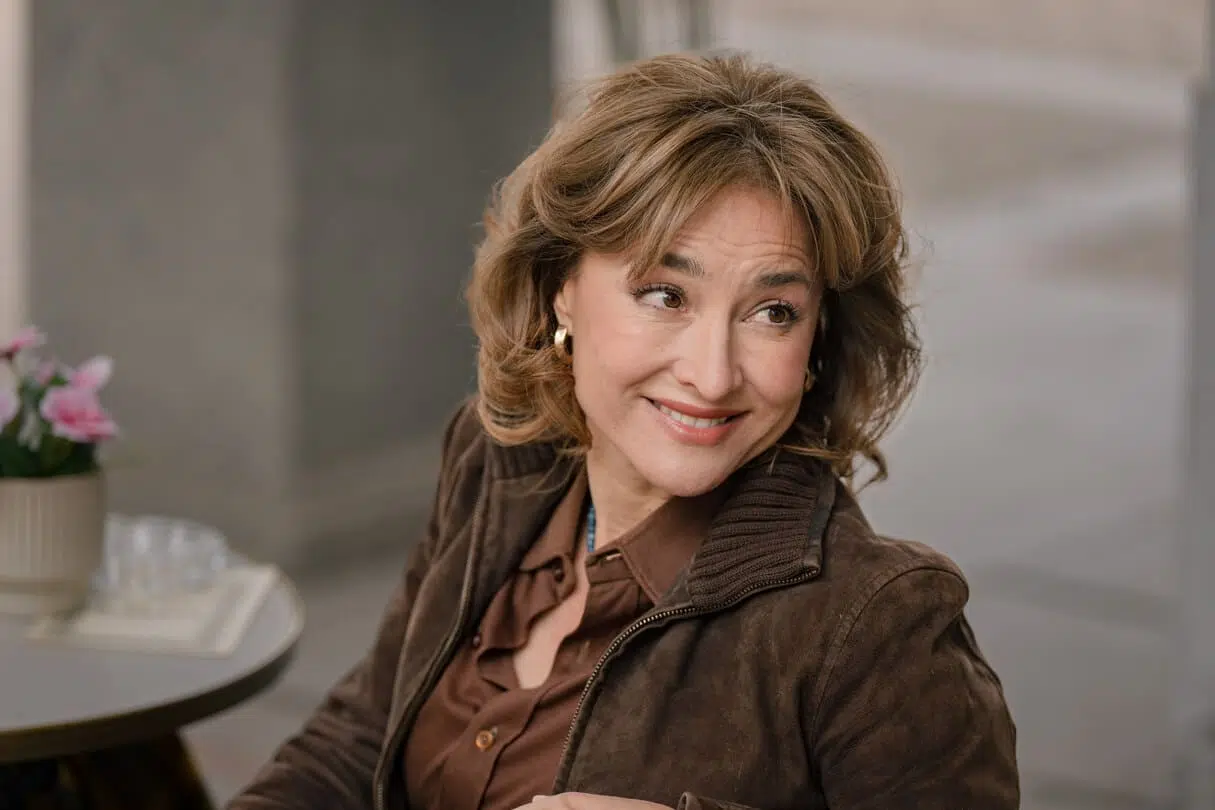
Román expresses a personal admiration for Bianca, stating, "It is a character I wish I were in real life. I would love to be Bianca. She fills me with security, with life, with determination." This personal connection highlights the empowering nature of the character, particularly in the context of her historical setting. Román draws a parallel between Bianca and the pioneering female artists of the 1960s who had to forge their own paths in a male-dominated world. "If it is difficult now, in that era it was a myth, and yet they existed, so I could not be happier with everything that Bianca gives me." This historical context adds significant weight to Bianca’s portrayal, positioning her as a figure who embodies resilience and trailblazing spirit.
"Sueños de Libertad" is recognized for its portrayal of diverse female characters, especially for its time. Román sees her role as Bianca as a significant opportunity to contribute to this narrative. "For me, it is a stroke of luck, it is a character bomb from beginning to end. Besides, I like it because this series has great media power, and I like that my character also serves to refresh this memory of very powerful and very forgotten women." This statement underscores the series’ commitment to exploring complex female identities and giving voice to those who may have been overlooked by history.
The series’ rapid production pace, characteristic of daily dramas, does not detract from Román’s dedication. "They are intelligent scripts, and it is a daily, we go at full speed, but I come with my homework done and I often stay thinking about this, about how important it is to defend a character from all angles." Her commitment to her craft and her thorough preparation are evident in her approach to Bianca.
Román acknowledges that Bianca will not be a universally beloved character. "Bianca has many shadows, she is going to be a character who will not leave anyone indifferent, who will bring a lot of controversy, and I try not to judge characters. I don’t judge them, I simply defend them, I inhabit them, and what characters decide always has a reason behind it." This approach to character development, focusing on understanding and defending rather than judging, is crucial for portraying complex individuals with both strengths and weaknesses.
Despite the potential for Bianca to challenge the established dynamics and loyalties of the "Mafin" fandom (referring to the pairing of Marta and Fina), Román is confident in the audience’s capacity for understanding and connection. "Yes, of course, they will connect. We are human: we all have achievements, virtues, horrendous things… in a single day we are many things, we go through many emotions, and we have many contradictions." Her belief that audiences will recognize the multifaceted nature of human experience, mirrored in Bianca’s character, suggests a hope for empathy and acceptance. She humorously clarifies her own identity, stating, "But know that I am a person who has children, who does other characters, who directs, writes, I am not Bianca! But I am delighted."
Given "Sueños de Libertad’s" significant following in Argentina, Román extends a heartfelt message to her compatriots. "That they support me, that they don’t leave me alone with the people who hate me (laughs), that we make our country proud. I would like them to feel proud. I am very happy to represent Argentine women, in a certain way, and I love it because my country is very passionate. You only have to look at a World Cup, and if there is passion here, I love being part of this River-Boca. Go Argentina, go!" This passionate closing statement encapsulates her pride in her heritage and her enthusiasm for contributing to a narrative that resonates with her cultural identity, likening her role in the series to a spirited sports rivalry.
The addition of Bianca, with her uninhibited spirit and artistic sensibility, promises to inject a potent dose of drama, introspection, and cultural commentary into "Sueños de Libertad." Carolina Román’s nuanced portrayal is poised to explore themes of freedom, passion, and the enduring impact of personal histories, further solidifying the series’ reputation for compelling storytelling and complex character development. As Bianca navigates the intricate social landscape of 1960s Spain, her journey is set to challenge conventions, redefine relationships, and undoubtedly captivate the show’s dedicated audience.

0 Comments