
 Rifan Muazin
The highly anticipated Turkish drama, Hidden Destiny, originally titled Can Borcu (Debt of Life/Life’s Debt), made its debut on ATV on December 21, 2024, promising a gripping narrative woven around the intricate lives of two families irrevocably linked by tragedy, secrets, and an undeniable "debt of life." Produced by NTC Medya and helmed by director Semih Bagci with a screenplay by Onur Ugras, the series is set to explore profound themes of loss, betrayal, the corrosive nature of hidden truths, and the arduous journey toward forgiveness and redemption, all against the vibrant backdrop of Istanbul. With its initial run projected for at least 22 episodes, each spanning a substantial 140-150 minutes, Hidden Destiny is positioned to be a significant addition to ATV’s prime-time lineup, a network renowned for its successful, emotionally charged family sagas and dramas.
Production and Broadcast Details
Hidden Destiny represents a collaborative effort by established names in the Turkish television industry. NTC Medya, the production house behind the series, has a reputation for delivering high-quality, emotionally resonant dramas that often captivate both domestic and international audiences. Their track record suggests a commitment to compelling storytelling and strong production values, which bodes well for Can Borcu. The choice of ATV as the broadcast network further solidifies the series’ potential for broad appeal. ATV is one of Turkey’s leading national broadcasters, known for its extensive reach and a programming strategy that frequently features popular long-running dramas. Its prime-time slot ensures maximum viewership, tapping into an audience segment that consistently engages with intricate family narratives and intense emotional conflicts.
The series benefits from the creative vision of director Semih Bagci, who is tasked with translating the nuanced script into a visually engaging and emotionally impactful experience. Paired with screenwriter Onur Ugras, who crafts the intricate plotlines and character arcs, the team aims to deliver a narrative that is both thought-provoking and deeply moving. Filmed entirely in Istanbul, the series leverages the city’s iconic landscapes and vibrant atmosphere, allowing the urban environment to serve as more than just a setting but an integral part of the storytelling, reflecting the characters’ internal turmoil and external struggles. The considerable runtime of each episode, typical for Turkish dramas, provides ample opportunity for deep character development and the gradual unfolding of complex plot threads, allowing viewers to immerse themselves fully in the protagonists’ journeys.
Synopsis: A Tapestry of Intersecting Tragedies
At its core, Hidden Destiny unravels the intertwined destinies of two seemingly disparate families, each grappling with its own profound emotional struggles, which are tragically brought together by a single, fateful event.
The narrative introduces Mehmet Musluoglu (Bulent Inal), a successful 50-year-old lawyer whose professional achievements starkly contrast with his personal agony. Seven years prior, his life was irrevocably shattered by the suicide of his wife. This devastating event has left Mehmet emotionally distant and burdened by a secret he has kept from his children, particularly his teenage daughter, Doga (Dora Dalgic). Doga, consumed by grief and resentment, blames her father for her mother’s death. Her anger manifests in a rebellious and self-destructive streak, pushing her further away from Mehmet and exacerbating the already fractured family dynamic. She feels abandoned not only by her mother but also by her father and elder brother, Cinar (Oktay Cubuk), who appears to be absent from their lives. The chasm between Mehmet and Doga deepens, reaching a critical point when Doga, in a desperate cry for attention and a profound expression of her pain, attempts to take her own life, forcing Mehmet to confront his guilt and the dire consequences of his prolonged emotional withdrawal.
Parallel to Mehmet’s crisis, the series introduces Handan Cakir (Ebru Ozkan Saban), a woman whose life appears idyllic on the surface. She shares a 25-year marriage with Celal (Ragip Savas), a union that has produced three children: Yasemin (Cagla Boz), Ruzgar (Ilber Kaboglu), and Defne (Berna Cindil). Handan believes her marriage to be perfect, a testament to enduring love and unwavering loyalty. However, this carefully constructed facade begins to crumble when Handan, who runs a small wedding dress business, receives an anonymous phone call suggesting her husband’s infidelity. Driven by a desperate need for truth, she investigates, leading her to a hotel where she uncovers a shocking betrayal. Celal is indeed having an affair, not with a stranger, but with Emel (Mine Tugay), a long-time family friend and, more disturbingly, Celal’s boss. The revelation is further complicated by the fact that Emel’s son, Ferit (Demircan Kacel), and Handan’s daughter, Yasemin, are deeply in love and planning to marry, creating a web of relationships that are now agonizingly entangled.
Faced with the devastating truth, Handan is plunged into a profound dilemma: should she attempt to salvage her marriage and rebuild her family despite the profound breach of trust, or should she walk away from a relationship built on lies? Before Handan can make a decision, Celal, overwhelmed by shame and unable to face the repercussions of his infidelity, makes a tragic choice: he commits suicide. His death, however, comes with a final, selfish request to Handan: to conceal his affair from their children, adding another layer of burden and moral complexity to her already shattered world.
The lives of Mehmet and Handan, previously separate, converge dramatically and tragically. While rushing to save his suicidal daughter, Doga, Mehmet, driving frantically and attempting to reason with her, unintentionally strikes Celal, who has deliberately stepped onto the road in his final act. In his desperate urgency to reach Doga and prevent her suicide, Mehmet makes the agonizing decision to leave the accident scene without rendering aid, prioritizing his daughter’s life above all else. He succeeds in saving Doga, but his actions at the accident scene leave him with a profound "debt of life" – a Can Borcu – to Celal’s grieving family, unknowingly intertwining his fate with Handan’s in a way neither could have ever imagined. The series then promises to explore the far-reaching consequences of these choices, examining how betrayal, loss, and regret will shape the destinies of everyone involved.
Character Deep Dive: The Human Cost of Secrets
The strength of Hidden Destiny lies in its meticulously crafted characters, each embodying complex human emotions and moral dilemmas.

-
Mehmet Musluoglu (Bulent Inal): A successful lawyer, Mehmet is depicted as a man of principle in his professional life, yet deeply flawed in his personal realm. His 50 years have been marked by a success that masks profound internal pain. The suicide of his wife seven years ago left him emotionally scarred and burdened by a secret about her death, which he guards fiercely to protect his children from further pain. This well-intentioned but ultimately damaging act of concealment has created a significant emotional distance between him and his children, particularly Doga. Bulent Inal, known for his ability to portray nuanced characters grappling with internal conflict, brings gravitas to Mehmet, illustrating the silent suffering of a man trapped between past tragedy and present crisis. His journey will involve confronting his guilt, rebuilding trust with his daughter, and potentially revealing the truth about his wife’s past.
-
Doga Musluoglu (Dora Dalgic): Mehmet’s teenage daughter, Doga, is a raw embodiment of adolescent angst and unprocessed trauma. She views her father as responsible for her mother’s death, a belief that fuels her resentment and leads to self-destructive behaviors, including a suicide attempt. Her isolation from family and friends, coupled with her desire to hurt her father, paints a picture of a young woman desperately seeking connection and understanding, albeit through destructive means. Dora Dalgic’s portrayal will likely capture the vulnerability and volatile emotions of a teenager struggling with immense grief and a perceived abandonment.
-
Handan Cakir (Ebru Ozkan Saban): Handan is initially presented as the epitome of a devoted wife and mother, strong yet vulnerable. Her 25-year marriage, which she believed to be perfect, shatters with the discovery of Celal’s long-standing infidelity. This betrayal plunges her into a profound crisis of confidence and identity. Celal’s subsequent suicide, coupled with his dying wish to keep his affair a secret, forces Handan to navigate a new reality alone, burdened by a heavy secret and the responsibility of her children’s emotional well-being. Ebru Ozkan Saban, celebrated for her powerful dramatic performances, is expected to deliver a compelling portrayal of Handan’s resilience, her journey of rebuilding, and the emotional fortitude required to face such immense personal challenges. Her character’s arc will likely involve finding her inner strength, developing a stronger bond with her children, and navigating the complexities of a new life.
-
Celal Cakir (Ragip Savas): Handan’s husband, Celal, is introduced as a man who maintains a facade of a perfect family man while secretly engaging in a seven-year affair with Emel, his boss and a family friend. His inability to confront his mistakes and the shame of his infidelity ultimately drive him to suicide. His final act, including the request to keep his affair secret, places an immense burden on Handan, highlighting his ultimate cowardice and the lasting impact of his deceit. Ragip Savas’s role, though potentially short-lived in the series, is crucial in setting the tragic chain of events in motion and establishing the "debt of life" that binds the families.
-
Emel (Mine Tugay): As the "other woman," Emel’s character is pivotal in the unfolding drama. Her long-standing affair with Celal, compounded by her position as his boss and a family friend, adds layers of betrayal and moral ambiguity. The romantic relationship between her son, Ferit, and Handan’s daughter, Yasemin, further complicates the narrative, ensuring that the adults’ transgressions have profound and devastating effects on the younger generation’s innocent dreams.
-
Cinar Musluoglu (Oktay Cubuk): Mehmet’s elder son, Cinar, is mentioned as being absent from the family unit. His eventual return to Istanbul and potential reconciliation with his sister, Doga, and father, Mehmet, will likely form a significant subplot, exploring themes of familial responsibility and healing.
Thematic Resonance and Societal Context
Hidden Destiny delves into universal themes that resonate deeply with audiences, particularly within the Turkish drama landscape.
- Guilt and Redemption: The series profoundly explores the weight of guilt, both for Mehmet’s perceived responsibility in his wife’s death and his actions at the accident scene, and for Celal’s infidelity. It will likely track the arduous paths characters take to seek redemption, both from themselves and from those they have wronged.
- Infidelity and Betrayal: A common yet powerful trope in Turkish dramas, infidelity here serves as a catalyst for a chain of devastating events, highlighting its destructive impact on trust, family bonds, and individual well-being. The long duration of Celal’s affair and the involvement of a family friend amplify the sense of betrayal.
- Parent-Child Relationships: The complexities of familial love, communication breakdowns, and the struggle to connect across generations are central to the narrative. Mehmet and Doga’s fractured relationship, Handan’s efforts to protect her children, and Celal’s dying wish all underscore the profound and often challenging dynamics within families.
- Secrets and Lies: The series emphasizes the corrosive nature of hidden truths. Mehmet’s secret about his wife’s suicide and Celal’s concealed affair both act as ticking time bombs, eventually exploding to cause immense pain and reshape destinies. The narrative suggests that while secrets may be kept with good intentions, their eventual revelation often leads to greater suffering.
- The Concept of "Can Borcu": The original Turkish title, "Can Borcu," literally translates to "Debt of Life" or "Life’s Debt." This concept is central to the series, referring to the moral obligation Mehmet feels towards Celal’s family after inadvertently causing his death and leaving the scene. It implies a profound responsibility that transcends legal ramifications, delving into spiritual and ethical accountability. This thematic core promises a deeply philosophical exploration of consequences and moral duty.
Turkish dramas are known for their ability to weave intricate family sagas with intense emotional narratives, often reflecting societal values and challenges. Hidden Destiny appears to follow this tradition, offering a blend of high-stakes drama, romantic entanglement (albeit complicated by betrayal), and profound social commentary on the impact of individual choices on an entire community. The popularity of such themes in Turkey and across the globe indicates a strong potential for the series to resonate with a wide audience.
Anticipated Impact and Viewer Engagement
With its compelling premise, strong cast, and established production team, Hidden Destiny is poised to generate significant viewership and discussion. ATV’s robust social media presence, including active Instagram, Twitter, Facebook, and YouTube channels for "Can Borcu atv," will play a crucial role in fostering viewer engagement. Fans of Turkish drama are highly active online, sharing theories, reactions, and emotional responses to each episode. The intricate plot, with its numerous twists and turns, is likely to fuel intense online debate and speculation, further boosting the series’ profile.
The series is expected to appeal not only to a domestic Turkish audience but also to the vast international fanbase of Turkish dramas, particularly in the Middle East, Latin America, and parts of Europe, where such emotionally charged narratives have found immense success. The comparisons to other successful dramas, such as Deception (Aldatmak), suggest that Hidden Destiny fits into a proven formula for captivating audiences.
In conclusion, Hidden Destiny (Can Borcu) is more than just another drama; it is an exploration of the human condition under duress, a testament to the enduring power of secrets, and a journey into the heart of what it means to carry a "debt of life." With its powerful storytelling, compelling characters, and deep thematic resonance, the series is set to become a notable fixture in Turkish television, inviting viewers to ponder the profound questions of guilt, forgiveness, and the hidden forces that shape our destinies.




 Eva Lovia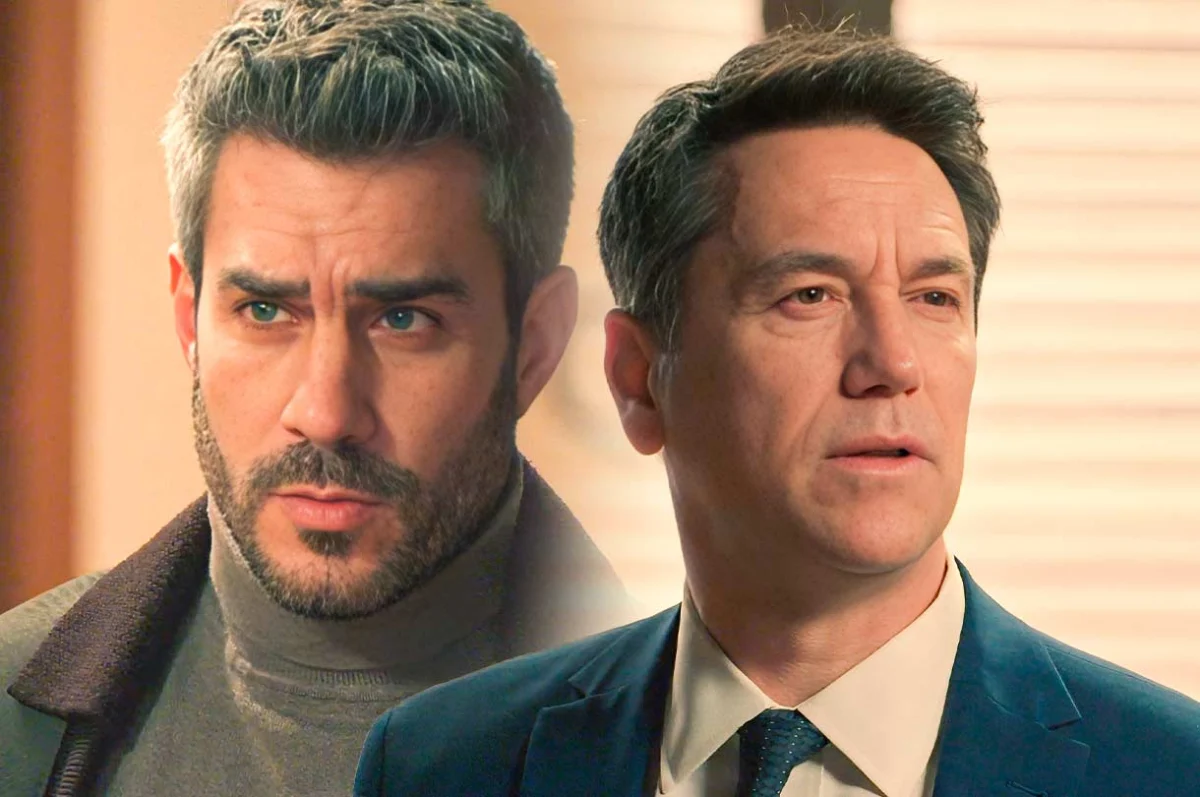
 Julia Chirkova
 Julia Prastini
 Nila Kartika Wati
 Jia Lissa
 admin
admin