
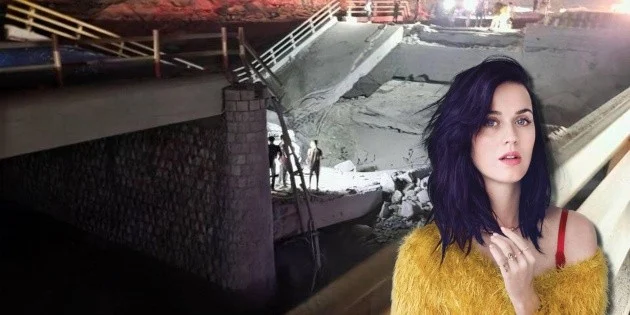
Pop superstar Katy Perry has vehemently criticized the White House for the unauthorized use of her anthem "Firework" as background music in a TikTok video depicting U.S. military strikes against Iran. The incident, which unfolded over the past weekend, ignited a firestorm of debate over intellectual property rights, the weaponization of pop culture, and the ethics of government communication on social media platforms, particularly in the context of international conflict. Perry’s strong condemnation underscores a growing trend of artists pushing back against political entities co-opting their work for purposes antithetical to their original intent.
The controversy erupted when the White House’s official TikTok account published an eight-second video on Thursday, showcasing footage of U.S. bombing campaigns in Iran. Disturbingly for Perry and her millions of fans, the video was soundtracked by a prominent excerpt from her 2010 hit single, specifically the lyrics "Boom, boom, boom, even brighter than the Moon." The caption accompanying the video, which remained online through Saturday morning with Perry’s music intact, ominously stated, "Iran received warnings," followed by a fireworks emoji. This juxtaposition of a celebratory pop song with imagery of military destruction immediately drew ire and attention.
Katy Perry took to X (formerly Twitter) to express her profound dismay and outrage. Her statement, which quickly went viral, left no room for ambiguity regarding her stance. "I am deeply appalled and angry to see ‘Firework’ used on the @WhiteHouse TikTok account as a backing track for video footage of military strikes. I did not approve this, I was not asked, and I absolutely do not condone it," Perry wrote. She further elaborated on the song’s intrinsic meaning, explaining, "I wrote this song to be an anthem of hope, healing, and inner strength for people going through their darkest personal moments." The artist emphasized the profound violation she felt, stating, "To see a message of self-esteem and overcoming instrumentalized as a soundtrack for destruction and violence is an absolute violation of everything my song stands for. My music is for uniting people, not for celebrating war." Her words resonated widely, highlighting the stark contrast between the song’s inspirational message and its perceived militaristic appropriation.
The geopolitical backdrop to this incident is critical. The U.S. military strikes depicted in the TikTok video occurred amidst a significant escalation of tensions between the United States and Iran. Just prior to these strikes, President Donald Trump had reportedly terminated a memorandum of understanding (MOU) for a ceasefire that he himself had signed in June. This abrupt reversal signaled a renewed aggressive posture from the U.S. administration towards Tehran, intensifying an already volatile relationship. The ongoing friction between the two nations has deep historical roots, marked by sanctions, proxy conflicts, and a complex web of regional rivalries. The use of a popular song like "Firework" in a promotional video for military action, therefore, adds a layer of cultural insensitivity and political messaging complexity to an already delicate international situation.
From a legal and ethical standpoint, the White House’s use of "Firework" without authorization raises several important questions. Copyright law in the United States grants creators exclusive rights to reproduce, distribute, perform, and display their works. Unauthorized use, especially for governmental or political messaging, typically constitutes infringement. While there might be arguments about "fair use" in certain contexts, using a copyrighted song as the primary soundtrack for a government-produced video promoting military action is generally not covered under such exemptions. Artists like Perry have the right to issue cease-and-desist orders, request DMCA (Digital Millennium Copyright Act) takedowns, or even pursue legal action for damages. Beyond the legalities, the ethical implications are substantial. Governments, particularly democratic ones, are expected to uphold ethical standards in their communications. Exploiting a piece of art whose message is diametrically opposed to the context in which it’s used can be perceived as manipulative, disrespectful to the artist, and potentially misleading to the public. It blurs the lines between entertainment and propaganda, eroding trust in official communications.
Perry’s objection is far from an isolated incident. Over recent years, numerous high-profile artists have publicly condemned political figures, particularly those associated with the Donald Trump administration and his campaigns, for using their music without permission. The list includes global icons such as ABBA, who famously rejected Trump’s use of "Dancing Queen"; Beyoncé, whose music has been used without her consent at rallies; Céline Dion, who expressed her disapproval of her songs being used in political contexts; and Sabrina Carpenter, who described the use of her song "Juno" in a video about immigration raids as "evil and disgusting." These repeated instances highlight a systemic issue where political campaigns and government entities appear to disregard intellectual property rights and artistic intent in their pursuit of public engagement, often underestimating the potential backlash from both the artists and their fan bases. The pattern suggests either a deliberate strategy to appropriate popular culture regardless of artist wishes or a significant oversight in legal and ethical vetting processes for digital content.
The incident also underscores the evolving and often problematic role of social media platforms like TikTok in modern political communication. Governments and political campaigns are increasingly leveraging these platforms to reach younger demographics and disseminate messages rapidly. While social media offers unparalleled reach and immediacy, it also presents challenges related to content control, accuracy, and the potential for misinterpretation or misuse of cultural elements. The White House’s decision to use TikTok for announcing military actions, coupled with the inclusion of pop music, reflects a broader trend of informalizing official communications, which can be a double-edged sword. While it might increase engagement, it risks trivializing serious matters and alienating segments of the public and key cultural figures. The platform’s algorithm-driven virality means that unauthorized content can spread globally before any official redress can be sought, making quick and decisive artist responses crucial.
Public and media reception to Perry’s statement was swift and largely supportive. Social media was flooded with comments praising Perry for standing up for her art and condemning the White House’s actions. News outlets globally picked up the story, framing it as a clash between artistic integrity and political expediency. This widespread attention amplified Perry’s message and put additional pressure on the White House, which, as of this reporting, had not issued an official response to Perry’s specific complaint. The silence from the administration, in such instances, can be interpreted in various ways: either as a tacit acknowledgment of error, a deliberate ignoring of the controversy, or an indication that they do not believe they have acted improperly. Regardless, the incident sparked broader conversations about the intersection of pop culture, politics, and warfare in the digital age.
The implications of this event are far-reaching. For artists, it reinforces the need for vigilance in protecting their intellectual property and a willingness to speak out against unauthorized political use, even when it involves powerful governmental bodies. It may lead to more proactive measures from artists and their legal teams to prevent such appropriations. For political entities, it serves as a potent reminder of the potential public relations pitfalls and legal liabilities associated with disregarding copyright and artistic intent. It could, ideally, prompt a review of internal policies regarding content creation and licensing for social media campaigns. More broadly, the incident contributes to the ongoing debate about the ethical boundaries of government communication in the digital era, particularly when dealing with sensitive topics like military conflict. It highlights the importance of maintaining clarity, respect, and authenticity in official messaging, rather than resorting to potentially misleading or culturally insensitive tactics that dilute the seriousness of geopolitical events. As the world becomes increasingly interconnected through digital platforms, the responsibility to wield cultural symbols with care and respect becomes ever more critical for all actors, state and non-state alike.

0 Comments