
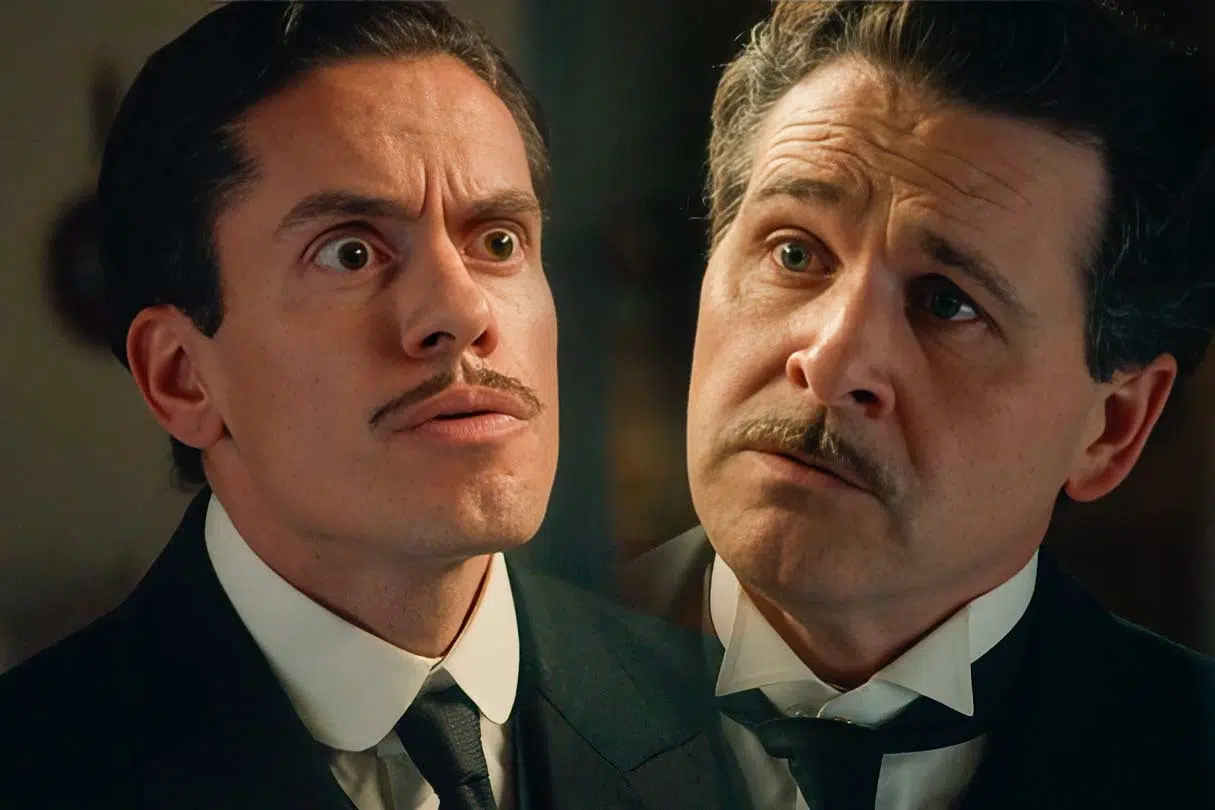
The tranquil facade of the La Promesa palace has been significantly disturbed since the arrival of Julio and Tomasa, two new members of the diplomatic entourage accompanying the esteemed diplomat Máximo de Buenaventura. Their ostentatious demeanor and incessant demands have progressively eroded the patience of the palace staff, culminating in a direct confrontation that marks a turning point in the domestic hierarchy. This article delves into the events leading up to this significant challenge to authority and explores its potential ramifications for the established order within the esteemed household.
The Unfolding Crisis: A Pattern of Disruption
The arrival of Julio and Tomasa, ostensibly as part of Máximo de Buenaventura’s retinue, has been characterized by a series of disruptions that have rippled through the palace’s daily operations. Their presence, initially perceived as a temporary addition to the household’s dynamics, has quickly devolved into a source of persistent friction. Reports indicate a consistent pattern of behavior from Julio and Tomasa that has been widely interpreted as overbearing and disrespectful.
Initial incidents included what sources describe as "unnecessary inspections" in the palace kitchens, a space typically governed by strict protocols and overseen by experienced culinary staff. These inspections were reportedly not constructive critiques but rather attempts to impose unfamiliar and often impractical standards, causing significant disruption to meal preparation schedules and the morale of the kitchen team.
Furthermore, the dining experiences of the service staff, a customary period of respite and camaraderie, have also been subjected to Julio and Tomasa’s scrutiny. Allegations suggest instances of "desplantes" – perceived slights or dismissive gestures – during these communal meals, further alienating them from the broader household. This consistent disregard for established customs and the feelings of the existing staff has been a slow burn, gradually igniting a collective sense of resentment.
The Breaking Point: A Confrontation Over a Duke’s Shirt
The simmering discontent boiled over into a direct confrontation, highlighting the specific nature of Julio’s overreach and Ricardo’s unexpected defiance. The incident, which has become the focal point of this internal crisis, revolved around a seemingly simple task: the ironing of a shirt intended for the Duke.
The scene began with Julio issuing a peremptory command to Ricardo, the second butler, regarding the urgent need for the Duke’s shirt to be ironed. Julio’s tone, as described by observers, was immediately dismissive and laden with an air of superiority. "Let’s get to it, hurry up, I need the shirt for the Duke right now," Julio reportedly stated, setting a confrontational tone from the outset.
Ricardo, already laboring under the pressure of numerous duties and evidently frustrated by the incessant demands, attempted to comply. However, his efforts were met with Julio’s condescending interjections and unsolicited "corrections." Julio proceeded to offer unsolicited ironing advice, detailing a step-by-step process that was perceived not as helpful guidance but as a deliberate attempt to belittle Ricardo’s competence. "First the collar, from the tips towards the center. Then the cuffs," Julio instructed with evident disdain, a lesson that sounded more like a provocation than assistance.
Ricardo’s Defiance: A Stand Against Incompetence and Abuse
It was at this juncture that Ricardo’s long-simmering frustration erupted. In a display of candor that reportedly left Julio momentarily speechless, the second butler directly challenged the aide-de-camp’s authority and implicit assumptions. Ricardo confessed his lack of experience with the task, stating unequivocally, "I don’t know how to iron, I’ve never ironed in my life and I’m not going to learn in five minutes, especially with your yelling."
This confession was not an admission of weakness but a bold assertion of his limitations and a refusal to be coerced into a task for which he was unprepared. Ricardo emphasized that it was more prudent to acknowledge his inexperience than to risk ruining a valuable garment. "It’s better than ruining this shirt. So, if you want it ironed, you iron it yourself," he declared with uncharacteristic firmness.

Julio, accustomed to having his commands obeyed without question, immediately resorted to hierarchical threats, stating his intention to escalate the matter to Señor Vallestero. However, Ricardo remained undeterred. Far from backing down, he responded with a calculated blend of irony and resolute practicality, effectively disarming Julio’s leverage.
"I think that’s perfectly fine. Just remember where your office is, because if you don’t, I’ll escort you there," Ricardo replied with remarkable composure. He then delivered a pragmatic warning that underscored the futility of Julio’s current focus: "You wouldn’t waste your time with that if you want to get to dressing your lord, because you won’t make it. You won’t make it!" This final remark served as a pointed reminder that Julio’s current approach was counterproductive and jeopardized his own responsibilities.
Analysis: A Cracks in Julio’s Authority
This confrontation is a significant development within the La Promesa narrative, as it exposes the inherent weaknesses in Julio’s strategy of asserting dominance through aggressive orders and intimidation. Ricardo’s refusal to comply, coupled with his articulation of the absurdity of the situation – being tasked with a skill he lacked and expected to execute perfectly under duress – represents a fundamental challenge to Julio’s established method of control.
The situation highlights a broader pattern of Julio’s behavior since his arrival with Tomasa as part of Máximo de Buenaventura’s delegation. His actions have consistently sown discord among the palace staff, creating an environment of unease and resentment. The consistent pressure and perceived disrespect have reached a critical mass, and Ricardo’s stand appears to be the catalyst for a more unified resistance.
Emerging Solidarity: Beyond Ricardo’s Stand
Ricardo’s bold defiance is not an isolated incident but signals a growing solidarity among the palace staff. Sources suggest that other members of the household, including Teresa, have also expressed their readiness to confront Julio and Tomasa’s continued humiliations. This collective sentiment indicates a broader movement to push back against the perceived abuses of power by the newcomers.
The arrival of Julio and Tomasa was intended to bolster the diplomatic mission, but their conduct has inadvertently galvanized the existing staff, transforming them from passive recipients of demands into active resistors. This shift in dynamic suggests that the days of unchecked authority for Julio and Tomasa may be numbered.
Broader Impact: Repercussions for Household Dynamics
The implications of this confrontation extend beyond the immediate incident. It sets a precedent for how staff members can respond to perceived mistreatment and raises questions about the effectiveness of authority figures who rely on intimidation rather than respect and competence.
The incident also underscores the importance of clear communication and realistic expectations within any hierarchical structure. Assigning tasks that are beyond an individual’s capabilities, particularly under intense pressure, is a recipe for failure and resentment.
The future of Julio and Tomasa’s tenure at La Promesa remains uncertain. However, Ricardo’s courageous stand has undeniably shifted the power dynamic, empowering other staff members to voice their concerns and resist further impositions. The palace service has found its voice, and it appears to have been found with an iron and a firm resolve to uphold dignity and respect within the household. The narrative arc of La Promesa has thus taken a significant turn, with the staff no longer content to passively endure, but actively shaping their own working environment.

0 Comments