
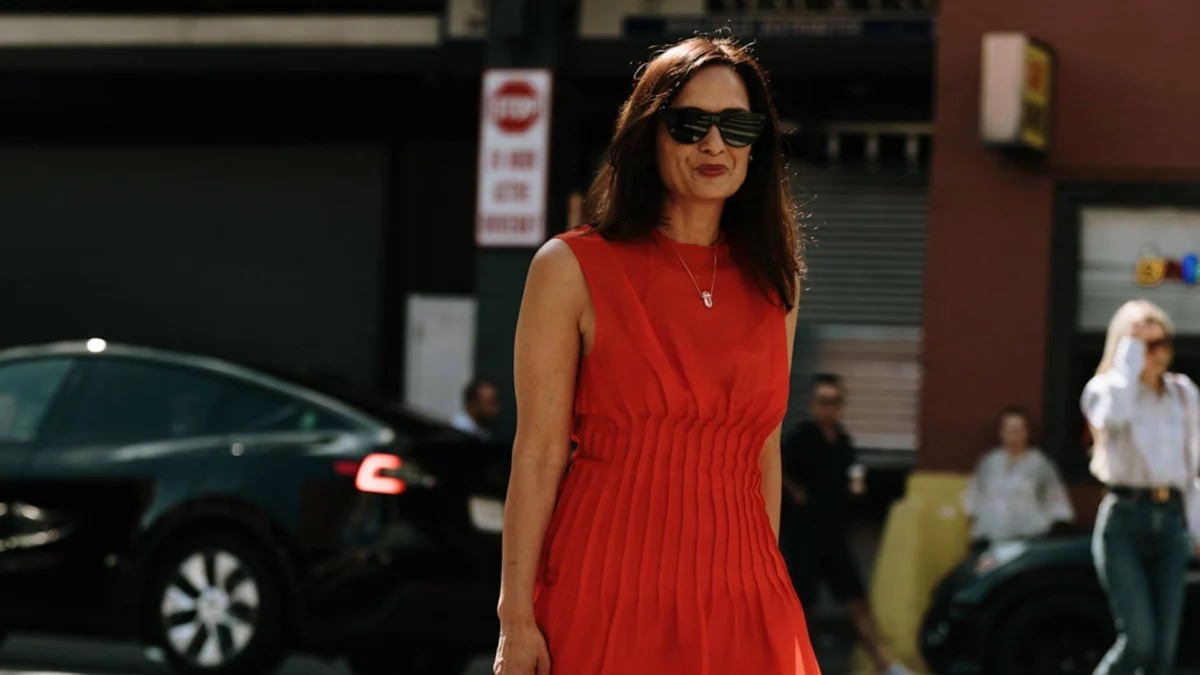
The Historical Evolution of Pleating: From Ancient Civilizations to Modern Couture
The concept of pleating is far from a modern innovation; it is a technique that has been refined over millennia. Historical records indicate that pleats were utilized in Ancient Egypt, where linen garments were painstakingly folded and pressed to denote status and divinity. However, the true elevation of the pleated dress into the realm of high-art fashion occurred in the early 20th century. In 1907, designer Mariano Fortuny created the "Delphos" gown, a revolutionary piece made of finely pleated silk. Fortuny’s method was so secretive and intricate that even today, historians and designers struggle to replicate the exact process. The Delphos gown was significant because it discarded the restrictive corsetry of the era, allowing the fabric to drape naturally over the human form, a principle that remains the cornerstone of modern pleated dress design.

Throughout the mid-20th century, pleats were popularized by icons such as Marilyn Monroe, whose white halter-neck dress in The Seven Year Itch became one of the most recognizable garments in cinematic history. In the 1980s and 90s, designers like Issey Miyake further revolutionized the field with the "Pleats Please" line, utilizing heat-pressing technology on polyester fabrics to ensure that pleats would never lose their shape, regardless of washing or wear. This technological milestone is what informs the current retail landscape, where high-street brands can offer durable, elegant pleated options at accessible price points.
The Practicality of Travel-Ready Fashion in the Post-Pandemic Era
The modern consumer prioritizes efficiency, a trend reflected in the rising demand for "wrinkle-resistant" clothing. Industry data suggests that the global travel apparel market is projected to grow substantially as travelers seek "one-bag" solutions—outfits that can be compressed into a suitcase and worn immediately upon arrival. Pleated dresses are uniquely suited for this requirement. Unlike linen or heavy cotton, which require steam or electric irons to look professional, the synthetic blends typically used in modern pleating (such as high-grade polyester or triacetate) are engineered to retain their memory.

Fashion analysts note that the "no-iron" feature is not merely a convenience but a sustainable choice for many. By reducing the reliance on high-energy appliances like irons and steamers, and often requiring less frequent or intensive laundering, these garments align with a growing preference for eco-conscious wardrobe management. Furthermore, the longevity of the pleated style ensures that these pieces are not viewed as disposable "fast fashion" but as long-term investments that remain relevant across multiple seasons.
Technical Design and Silhouettes: Maximizing the Flattering Effect
The architectural nature of pleats provides several aesthetic advantages that contribute to their popularity. The primary benefit is the creation of vertical lines. In fashion design, verticality is used to draw the eye upward, creating an illusion of height and a more streamlined silhouette. This "lengthening" effect is enhanced when combined with specific necklines and hem lengths.

The Role of the V-Neck and Straight Cuts
Designers frequently pair pleated textures with V-necklines to elongate the neck and balance the volume created by the folds. For those who prefer a more relaxed fit, straight-cut pleated dresses offer a "column" effect that provides elegance without clinging to the body. This is particularly advantageous in summer, as it allows for better airflow between the fabric and the skin.
Color and Texture Integration
Current trends indicate a preference for solid, monochromatic tones in pleated wear, as they highlight the shadow and light play within the folds. However, digital printing on pleated surfaces has also become a sophisticated technique, allowing patterns to expand and contract with the movement of the wearer, creating a dynamic visual experience that static fabrics cannot replicate.

Market Analysis: Key Offerings from Leading Fashion Houses
The summer 2026 season has seen several prominent brands release iterations of the pleated dress that cater to different price points and stylistic preferences. These selections highlight the versatility of the garment across the retail spectrum.
Zara: Accessibility and Detail
Zara has introduced a midi-length pleated dress featuring a V-neckline and delicate beaded straps. Priced at 39.95 euros, this piece exemplifies the brand’s ability to merge high-fashion aesthetics with affordability. The inclusion of beads adds a tactile, decorative element that elevates the dress from a simple daytime garment to a viable option for formal summer events.

Sandro: The Intersection of Structure and Flare
The French label Sandro has focused on a long pleated dress with a fitted bodice and a flared skirt. This design, currently retailing at a discounted price of 241.50 euros (down from 345 euros), emphasizes the "A-line" silhouette. The structured upper half provides the formality required for professional settings, while the expansive skirt offers the movement desired for evening galas.
Adolfo Domínguez: Avant-Garde Prints
Adolfo Domínguez, known for his "wrinkles are beautiful" philosophy, has released a pleated maxi dress featuring a bold black-and-white print. Available at El Corte Inglés for 164 euros (a 50% reduction from its original 329 euros), this garment focuses on the artistic potential of pleats. The print is designed to interact with the folds, creating a shifting geometric pattern as the wearer moves.

Maje and Massimo Dutti: Refined Minimalism
Maje’s contribution to the trend is a fluid, backless maxi dress priced at 295 euros. This piece targets the luxury resort market, prioritizing sensuality and breathability. Conversely, Massimo Dutti offers a ruffled midi dress at a highly competitive price of 39.95 euros (reduced from 89.95 euros). Massimo Dutti’s approach focuses on "quiet luxury," utilizing muted tones and refined finishes to appeal to a demographic that values understated elegance.
Economic and Sustainable Implications of Versatile Dressing
The retail performance of pleated dresses suggests a broader economic trend: the rise of the "multi-hyphenate" garment. As the cost of living increases, consumers are less likely to purchase "one-off" outfits for specific events. Instead, they are investing in pieces that can serve multiple purposes. A pleated dress that works for the office, a wedding, and a beach holiday represents a high "cost-per-wear" value.

Official responses from retail executives indicate that the inventory turnover for pleated items is significantly higher during the second and third quarters of the year. This seasonal surge is attributed to the wedding and graduation season, where the dress code demands a level of formality that pleats naturally provide. Furthermore, the durability of heat-set pleats means these garments have a robust secondary market value. Resale platforms have reported a steady demand for vintage pleated pieces from brands like Issey Miyake and Fortuny, suggesting that the style holds its value over decades.
Broader Impact and Future Outlook: The Role of Textural Innovation
Looking forward, the fashion industry is expected to continue experimenting with "smart" pleating. Research into shape-memory polymers and 3D-knitting technology may soon allow for pleats that can adjust their depth based on ambient temperature or body moisture, further enhancing the comfort of the wearer.

The enduring success of the pleated dress is a testament to the marriage of ancient craftsmanship and modern engineering. It addresses the fundamental needs of the contemporary woman: the desire to look refined, the need for practical functionality, and the requirement for garments that can withstand the rigors of a globalized, mobile lifestyle. As long as the "no-iron" requirement remains a priority for the modern traveler, the pleated dress will remain an indispensable component of the global fashion dialogue.
In conclusion, the pleated dress is more than a fleeting trend; it is a sophisticated response to the complexities of modern life. By providing a solution that is as aesthetically pleasing as it is logistically sound, it has secured its place in the pantheon of timeless fashion. Whether through the high-street accessibility of Zara or the avant-garde designs of Adolfo Domínguez, the pleat continues to offer a unique blend of history, science, and style that resonates across cultures and generations.

0 Comments