
 Pevita Pearce
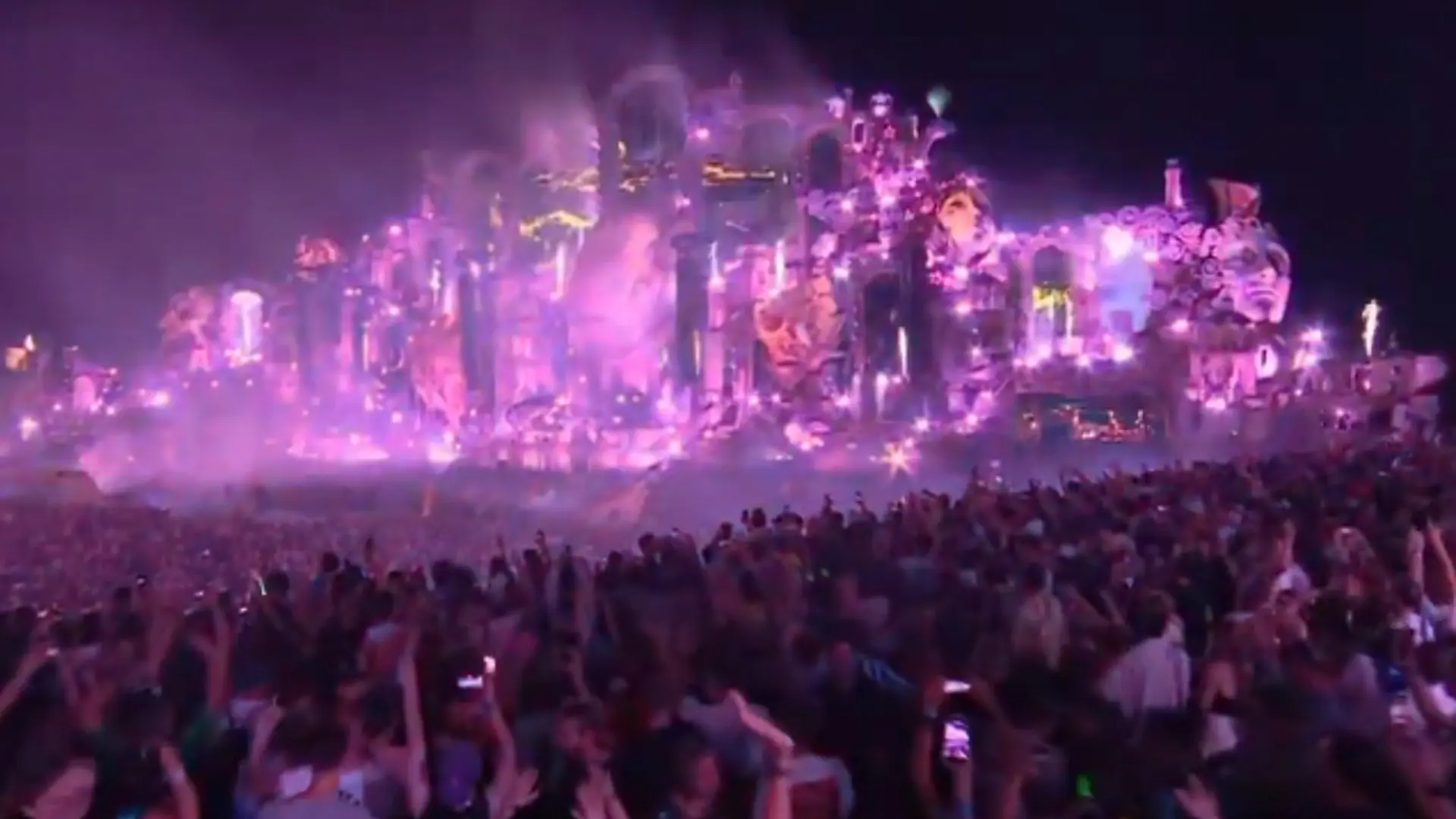
The 20th anniversary edition of Tomorrowland, the world’s largest electronic music festival, concluded not only with a spectacular display of lights and a roster of over 500 artists but also with a significant judicial crackdown. Belgian Federal Police reported hundreds of arrests for drug consumption and trafficking during the festival, held in Boom, north of Brussels. This year’s event, which attracted an estimated 400,000 attendees over two weekends, underscored the persistent challenges of drug enforcement at massive public gatherings, revealing an alarming evolution in the methods employed by traffickers.
What was anticipated as a weekend of pure musical euphoria on Tomorrowland’s iconic stages transformed into a stark demonstration of law enforcement’s efforts to maintain order and safety. On Tuesday, the Antwerp Public Prosecutor’s Office released the official figures from operations conducted during the festival’s two weekends, from July 17-19 and July 24-26. The scale of the operation and the sheer volume of substances seized highlight the complex logistical and security considerations inherent in managing an event of Tomorrowland’s magnitude.
Comprehensive Security Operations Yield Significant Results
Belgian authorities implemented stringent controls both within and outside the festival grounds, leading to a substantial number of detentions. These were broadly categorized into two groups, each with distinct legal ramifications:
-
Expelled and Fined for Personal Consumption: A total of 403 attendees were apprehended with small quantities of drugs intended for personal use. These individuals were immediately removed from the festival premises and subjected to financial penalties. This measure reflects a policy aimed at deterring casual drug use by imposing swift and tangible consequences, disrupting the experience for those who violate the festival’s strict no-drug policy. The financial sanctions serve as a deterrent and contribute to the costs associated with increased security presence.
-
Prosecuted for Narcotrafficking: In a more serious development, 32 individuals were arrested on charges of commercializing narcotics within the festival. These individuals are scheduled to appear before a special court in Antwerp on November 25th. The distinction between personal use and trafficking is critical, as the latter carries significantly harsher penalties and indicates a more organized criminal element attempting to exploit the festival environment for profit.
A particularly noteworthy detail emerged from the trafficking arrests: a repeat offender from the Netherlands was apprehended. This individual had previously been convicted for similar offenses during the 2024 edition of the festival, highlighting the persistent nature of drug trafficking rings and the challenges in preventing their return to such high-profile events. The reappearance of convicted traffickers underscores the need for robust intelligence sharing and surveillance across different jurisdictions and event seasons.
Innovative Smuggling Tactics Raise Alarm Bells
Beyond the sheer number of arrests, the nature of the seized substances and the methods used to conceal them have particularly concerned health and security officials. The official report details the confiscation of a wide array of drugs, including traditional substances and high-risk synthetic mixtures, indicating a sophisticated and adaptive approach by drug dealers.
The seized items included:
-
Ecstasy (MDMA) and Cocaine: These remain prevalent substances, often found in pill form or as powders. Their ubiquitous presence at large-scale music festivals is a well-documented phenomenon, reflecting their popularity within certain subcultures.
-
Ketamine and Methamphetamines: These substances, known for their potent psychoactive effects, also appeared frequently in the seizures. Their inclusion indicates a diverse drug market catering to various user preferences and desired experiences.
-
"Pink Powders": This category refers to dangerous mixtures of synthetic drugs that are increasingly gaining traction in the global electronic music scene. The term "pink powder" is often used as a street name for various designer drugs, which can be particularly unpredictable and hazardous due to their unknown composition and potency. The rise of such novel psychoactive substances (NPS) poses a significant challenge for law enforcement and forensic analysis, as their chemical makeup can be rapidly altered to evade detection.
Perhaps the most concerning revelation from the authorities is the ingenuity of the traffickers in attempting to circumvent security protocols. Traffickers not only introduced substances in their usual forms, such as pills and powders, but also utilized nasal sprays to attempt to evade police controls at the event. This novel method of concealment represents a significant escalation in the tactics employed by drug smugglers. Nasal sprays, often innocuous in appearance, could potentially contain liquid or powdered drugs, making them harder to detect through standard pat-downs or metal detectors. The implications of this innovation are far-reaching, potentially requiring security forces to re-evaluate their screening procedures and invest in new technologies to detect such cleverly disguised methods.
The Global Context of Tomorrowland and Drug Enforcement
Tomorrowland, founded in 2005, has grown exponentially to become a global phenomenon, attracting hundreds of thousands of attendees from virtually every country. Its reputation for elaborate stage designs, immersive experiences, and a diverse lineup of world-class DJs has cemented its status as a premier destination for electronic music enthusiasts. However, this immense popularity also makes it a prime target for individuals and groups involved in illicit activities, including drug trafficking.
The festival’s multi-weekend format, spanning two consecutive weekends, amplifies the logistical challenges for security personnel. The sheer volume of people, the extensive grounds, and the constant flow of attendees create a dynamic environment where maintaining comprehensive surveillance is an ongoing battle. Belgian authorities have consistently worked to enhance security measures, collaborating with international law enforcement agencies to share intelligence and coordinate efforts. This year’s operation, involving hundreds of police officers, security staff, and forensic experts, demonstrates the significant resources dedicated to ensuring the safety and security of festival-goers.
Broader Implications and Future Challenges
The events at Tomorrowland serve as a microcosm of the broader challenges faced by authorities worldwide in managing drug use and trafficking at large-scale public events. The festival’s success in apprehending a significant number of individuals and disrupting drug operations is a testament to the effectiveness of their integrated security approach. However, the emergence of novel smuggling methods like the use of nasal sprays points to a continuous cat-and-mouse game between law enforcement and criminal elements.
The implications of these findings extend beyond Tomorrowland:
-
Technological Advancement in Detection: The need for more sophisticated detection technologies that can identify a wider range of substances and concealment methods will likely increase. This could involve investments in advanced scanning equipment, chemical trace detection, and potentially even artificial intelligence-driven surveillance systems.
-
Public Health Initiatives: While law enforcement focuses on interdiction, public health organizations continue to advocate for harm reduction strategies. These can include educational campaigns about the risks associated with drug use, the availability of drug checking services (where legal), and accessible support for individuals struggling with substance abuse. The intersection of entertainment and potential drug exposure necessitates a multi-faceted approach that addresses both enforcement and public well-being.
-
International Cooperation: The presence of a Dutch national among those arrested for trafficking underscores the transnational nature of drug networks. Continued and strengthened international cooperation between law enforcement agencies is crucial for dismantling these organizations and preventing them from operating across borders. Information sharing on known offenders and emerging trafficking trends is vital.
-
Festival Policy and Management: Festivals like Tomorrowland face the ongoing challenge of balancing an inclusive and celebratory atmosphere with the need for strict safety regulations. The policies implemented, from entry screening to on-site security patrols, are continuously reviewed and adapted in response to evolving threats. The financial penalties and immediate expulsion for personal use at Tomorrowland represent one approach to managing this delicate balance.
In conclusion, the 20th anniversary of Tomorrowland, while a triumph for the electronic music community, also served as a stark reminder of the persistent challenges posed by illicit drug activities. The record number of detentions, coupled with the alarming ingenuity of traffickers in employing methods such as nasal sprays, signals a need for continued vigilance, innovation in security measures, and robust international collaboration. As the festival circuit continues to thrive globally, the lessons learned from Tomorrowland’s security operations will undoubtedly inform future strategies aimed at safeguarding attendees and maintaining the integrity of these landmark events. The Antwerp Public Prosecutor’s Office will continue to monitor these cases, with the upcoming court dates expected to shed further light on the operations of drug trafficking networks within the vibrant, yet vulnerable, landscape of global music festivals.




 Eva Lovia
 Julia Chirkova
 Julia Prastini
 Nila Kartika Wati
 Jia Lissa
 admin
admin