
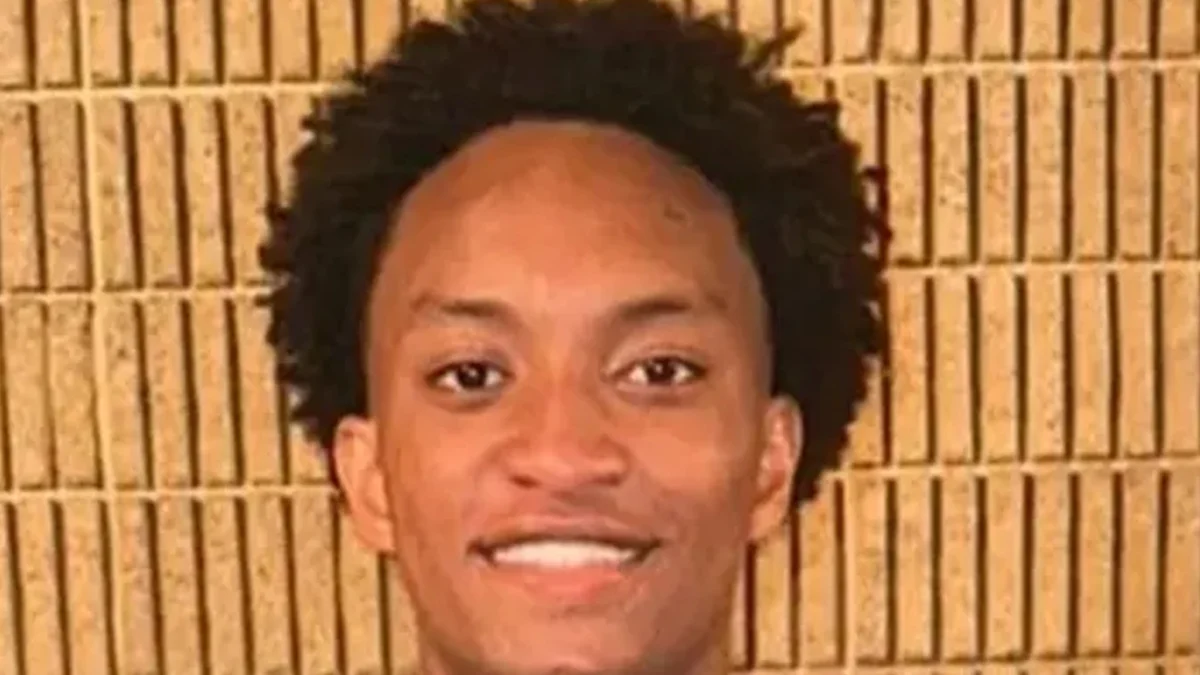
Christine Wells-Wonsley, the grieving mother of the late Nolan Wells, has initiated comprehensive legal proceedings to gain access to her son’s extensive digital footprint, a move that underscores the complex and evolving landscape of digital legacy and post-mortem privacy. On Tuesday, July 28, 2026, court documents obtained by TMZ revealed that Wells-Wonsley dispatched a series of subpoenas to some of the world’s largest social media and communication platforms, demanding the full spectrum of data associated with Nolan’s accounts. This concerted effort by a parent seeking answers in the wake of a tragic loss highlights the critical role digital information plays in understanding the final moments of an individual’s life and the ongoing challenges families face in navigating the virtual world their loved ones leave behind.
The Quest for Digital Footprints
The subpoenas, meticulously crafted and far-reaching in their scope, were directed at the parent companies of Facebook (Meta Platforms, Inc.), Instagram, WhatsApp, Life360, Snapchat, and TikTok. These platforms collectively represent a significant portion of modern digital communication and social interaction, making them potential repositories of crucial information regarding Nolan Wells’ activities, connections, and state of mind leading up to his disappearance and subsequent death. The breadth of platforms targeted suggests a thorough and determined effort by Wells-Wonsley to leave no digital stone unturned in her pursuit of understanding.
The information requested from these tech giants is exceptionally detailed and comprehensive. Christine Wells-Wonsley is seeking all current and prior usernames, email addresses, phone numbers, and display names associated with Nolan’s accounts. Beyond basic identification, the subpoenas demand all IP addresses tied to any actions on the accounts, including logins, password resets, and metadata. This level of detail could potentially reveal geographical locations, device usage patterns, and security events that might offer insights into who was accessing the accounts and from where. Furthermore, the requests extend to IP addresses linked to "friend events," which could indicate interactions, additions, or deletions of contacts, potentially mapping out Nolan’s social circle and their activities around critical times.
Perhaps most critically, the subpoenas demand the full content of Nolan’s digital communications and stored media. This includes information that identifies or may be used to identify any party messaging in a conversation with the account, alongside all posts, stories, chats, messages, and direct messages (DMs). The request also encompasses all photos, video recordings, contents, text files, GPS data, friend-list history, and any other information stored across these platforms. Such data, if obtained, could provide an intimate look into Nolan’s personal life, his conversations, plans, and whereabouts, offering potentially vital clues that might shed light on the circumstances surrounding his death. The sheer volume and sensitive nature of the requested data underscore the profound implications of this legal battle, not just for the Wells family but for the broader discussion on digital privacy, inheritance, and the role of tech companies in post-mortem investigations.
A Tragic Disappearance and Discovery
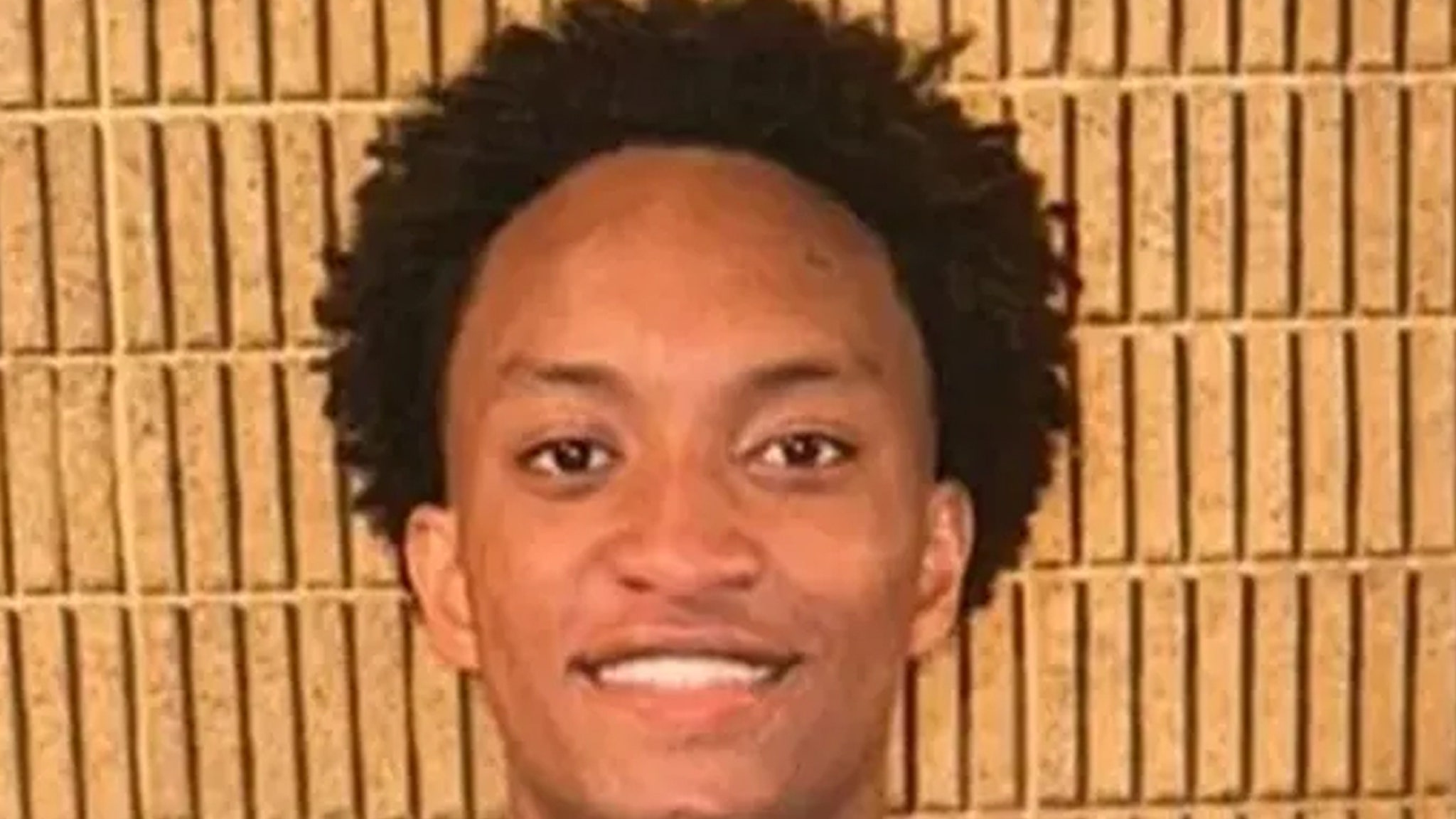
Nolan Wells, an 18-year-old, was tragically found dead after going missing on July 4, 2026. The initial reports indicated that Nolan had been partying with friends at Horn Island, a detail that immediately raised questions about the events leading up to his disappearance. According to statements given by his friends to investigators, Nolan did not leave the island with them. Instead, they claimed he had made plans to stay behind with a girl. This account, while providing an initial narrative, left many details unaddressed, prompting an ongoing search for clarity and a deeper understanding of what transpired on the island.
The period between Nolan’s reported disappearance on July 4 and the discovery of his body was undoubtedly a harrowing time for his family and loved ones. While the exact date of his body’s discovery was not immediately specified in the initial reports, the subsequent legal action by his mother suggests that the official investigation either stalled or failed to provide sufficient answers to the family’s questions. The friends’ claims, while serving as a starting point, may not have fully satisfied the family’s need for comprehensive information, leading Christine Wells-Wonsley to pursue an independent avenue for truth through legal means. The emotional toll of such uncertainty, coupled with the profound grief of losing a child, often compels families to explore every possible resource, and in the digital age, social media platforms have become indispensable, albeit challenging, sources of potential evidence.
Horn Island, a typical setting for recreational gatherings, now carries the somber weight of being the last known location where Nolan was seen alive. The dynamics of a group of friends, the details of the party, and the precise timing of events on that day are all critical components that the requested digital data could potentially illuminate. GPS data from Life360, for instance, could corroborate or contradict the friends’ statements regarding Nolan’s whereabouts. Messages and DMs from Snapchat, TikTok, Instagram, and WhatsApp could reveal conversations about his plans, who he was with, and any concerns or incidents that may have occurred. The absence of Nolan from the group leaving the island, coupled with the friends’ explanation, forms the immediate backdrop against which his mother’s determined legal efforts are now unfolding, highlighting the desperate search for a complete and accurate picture of his final moments.
Navigating the Digital Afterlife: Legal Precedents and Challenges
Christine Wells-Wonsley’s legal action thrusts her into a complex and often murky area of law: access to digital assets of deceased individuals. While the desire of grieving families to access a loved one’s digital life for closure, practical reasons, or even to aid investigations is understandable, it often clashes with strict privacy policies and user agreements of social media companies. In the United States, some states have adopted variations of the Revised Uniform Fiduciary Access to Digital Assets Act (RUFADAA), which aims to provide fiduciaries (like executors or personal representatives) with legal authority to manage a deceased person’s digital assets. However, the application of RUFADAA can vary, and its effectiveness often depends on how a user’s will or estate plan addresses digital assets, or if a court specifically grants access.
Social media companies typically operate under their own terms of service, which often prioritize user privacy, even after death. These policies generally require a valid legal order, such as a subpoena or court order, to release sensitive user data. Without such legal compulsion, companies are usually hesitant to grant access, citing privacy concerns, the potential for misuse of data, and the legal ambiguities surrounding digital inheritance. The specific types of data requested by Wells-Wonsley – including IP addresses, private messages, and GPS information – are considered highly personal and sensitive, making the companies’ compliance a significant legal and ethical challenge.
The legal battle over digital assets also raises fundamental questions about data ownership and the "digital afterlife." While physical possessions are straightforwardly passed down through inheritance, digital accounts are often treated as licensed services rather than owned property. This distinction creates a legal gray area, requiring courts to balance the rights of the deceased (and their privacy expectations) with the rights of their heirs or fiduciaries seeking information. Furthermore, data retention policies vary significantly across platforms. While some data might be permanently stored, other types, especially ephemeral content like Snapchat stories or certain message histories, might be automatically deleted after a set period, potentially complicating the retrieval process even with a valid subpoena. Wells-Wonsley’s subpoenas will test the limits of these policies and legal frameworks, potentially setting a precedent or at least drawing significant attention to the ongoing need for clearer guidelines in this rapidly evolving domain.
The Scope of the Digital Probe
The sheer breadth of information Christine Wells-Wonsley is seeking underscores the comprehensive nature of her quest for answers. Beyond just messages, the request for "all IP addresses tied to actions on the account, including logins, password resets, and metadata" could potentially piece together a timeline of Nolan’s online activity, revealing patterns of usage, geographical locations where accounts were accessed, and any unusual login attempts that might indicate unauthorized access or suspicious activity. Metadata, often overlooked, can contain crucial details such as the time a message was sent, the device used, and even the approximate location from which it originated, providing context that might not be evident in the message content itself.
The inclusion of "all IP addresses tied to friend events on the account" is particularly insightful. This could help map out Nolan’s social interactions, identifying new connections or disconnections around the time of his disappearance. For platforms like Life360, which provides real-time location sharing, the GPS data could be instrumental in tracking Nolan’s movements on July 4 and beyond, offering a precise record of his whereabouts that could either confirm or contradict existing witness statements. Similarly, photos and video recordings, often geotagged, could provide visual evidence of his activities and the people he was with.
The challenge for the social media companies lies not only in the legal obligation to comply but also in the technical and logistical complexities of extracting such a vast amount of granular data. User data is often stored across multiple servers and databases, sometimes in different formats, and anonymized or encrypted. Fulfilling such an extensive request requires significant resources and expertise to ensure that all relevant data is identified, retrieved, and presented in a coherent, legally admissible format, while simultaneously safeguarding the privacy of other users involved in Nolan’s communications. This monumental task highlights the intricate relationship between personal data, technological infrastructure, and the legal system in the digital age.
Broader Implications for Digital Legacy and Investigations
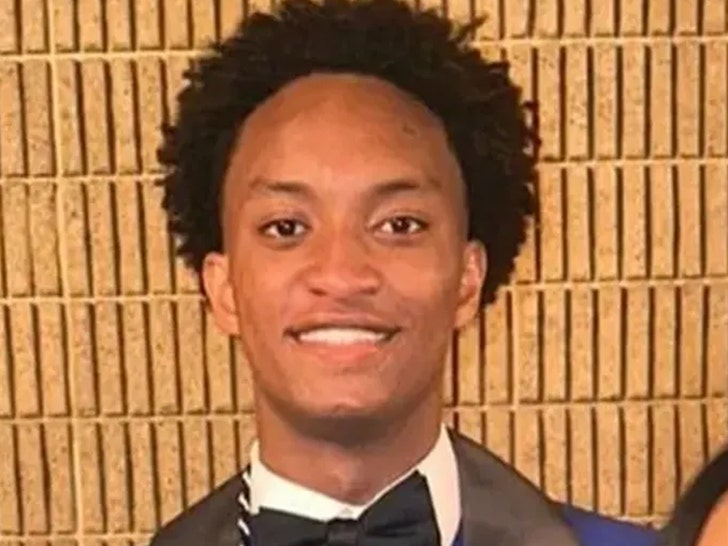
Nolan Wells’ case, and his mother’s determined legal action, stands as a stark reminder of the increasing significance of digital footprints in modern investigations and the profound impact of a person’s online life after their death. In an era where individuals live increasingly digital lives, their online presence often holds keys to understanding their relationships, activities, and even their mental state. For grieving families, accessing this digital legacy can be crucial for closure, for understanding the circumstances of a death, or even for uncovering evidence of foul play or a struggle that traditional investigative methods might miss.
The legal fight also shines a spotlight on the evolving responsibilities of social media companies. As custodians of vast amounts of personal data, they face growing pressure to balance user privacy with the legitimate needs of law enforcement and grieving families. Their responses to these subpoenas will be closely watched by legal experts, privacy advocates, and families navigating similar situations. The outcome could influence future policies regarding post-mortem data access, potentially encouraging clearer guidelines or even legislative changes that better address the complexities of digital inheritance and privacy in the context of tragedy.
Beyond the legal and corporate implications, this case resonates deeply with broader societal conversations about digital legacy. Many individuals do not consider what happens to their digital assets after they pass away, often leaving their families in a legal and emotional labyrinth. Cases like Nolan Wells’ underscore the importance of digital estate planning, encouraging individuals to make explicit provisions for their online accounts and data, either through wills, trusted contacts on platforms, or other legal instruments. Such foresight could alleviate much of the burden and uncertainty faced by loved ones like Christine Wells-Wonsley, who are forced to engage in arduous legal battles simply to understand the final chapter of their child’s life.
Expert Perspectives on Digital Rights
Legal experts and digital rights advocates consistently emphasize the delicate balance inherent in cases involving post-mortem access to digital data. On one hand, there is the fundamental right to privacy, which many argue should extend beyond death, protecting the intimate details of an individual’s life from unwarranted intrusion. Social media platforms, in their terms of service, often reflect this stance, making it difficult for anyone other than the account holder to gain access. On the other hand, there is the undeniable human need for closure, for answers, and for justice, particularly when a death is sudden, unexplained, or potentially suspicious.
"The digital realm has become an extension of our physical lives, and naturally, when a tragedy occurs, families turn to these digital spaces for answers," stated a prominent legal analyst specializing in digital law. "The challenge is that current laws often lag behind technological advancements. While RUFADAA provides a framework, its implementation is inconsistent, and it doesn’t always account for the unique characteristics of every social media platform or the specific nature of every request."
Another digital privacy expert added, "This case highlights the ongoing tension between individual autonomy and familial rights. While users expect their private messages to remain private, even posthumously, a parent’s desire to understand their child’s last days, especially in the context of a mysterious death, is a powerful motivator that the legal system must grapple with. The outcome of these subpoenas could provide valuable insights into how courts weigh these competing interests." The consensus among legal observers is that while privacy is paramount, there are circumstances, particularly those involving potential foul play or unexplained deaths, where the public interest and the family’s right to seek truth may necessitate a temporary override of standard privacy protocols, provided robust legal safeguards are in place.
As Christine Wells-Wonsley awaits the responses from the targeted tech companies, the Wells family’s legal battle serves as a poignant and high-profile example of the intersection of personal tragedy, cutting-edge technology, and evolving legal principles. The potential for Nolan’s digital footprint to unlock critical information about his final hours holds immense significance for his grieving mother, while also contributing to the broader discourse on digital legacy, privacy, and the role of tech giants in the pursuit of justice in the modern age. The outcome of these subpoenas will undoubtedly have ramifications that extend far beyond this singular, heart-wrenching case.

0 Comments