
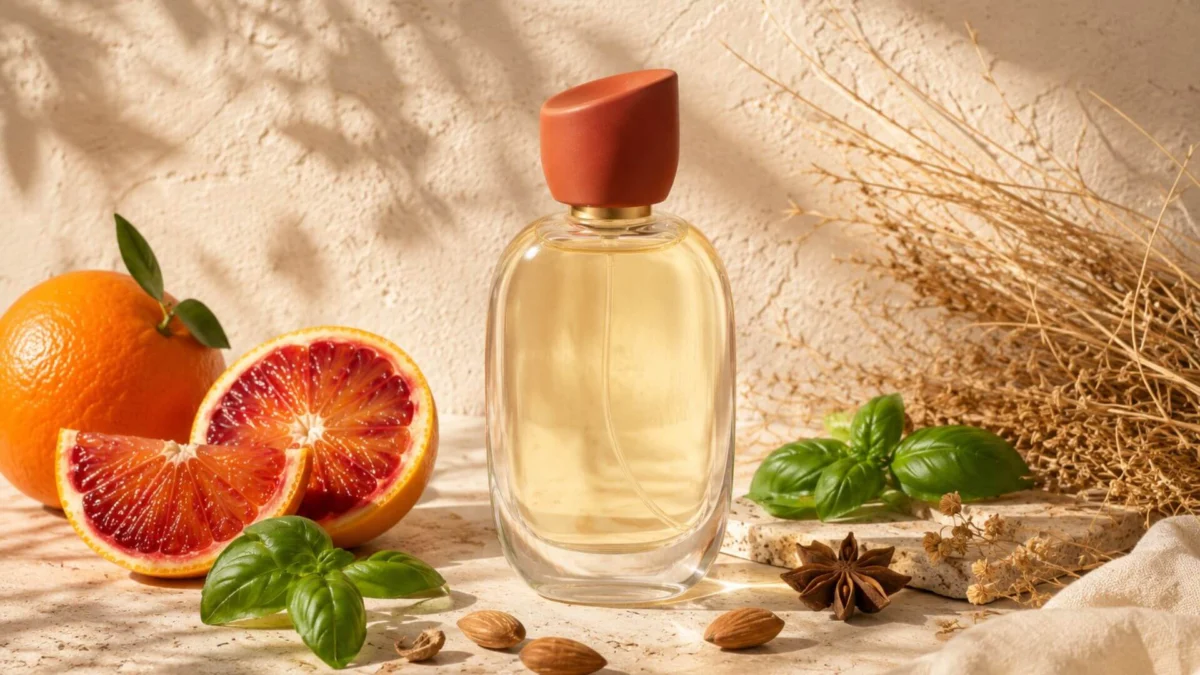
The global fragrance industry is witnessing a significant shift in the composition of summer scents, moving away from traditional, linear citrus notes toward complex, multi-layered olfactory profiles that prioritize depth and "skin-like" textures. At the center of this transformation is the strategic pairing of blood orange and anise, a combination that challenges the conventional "fresh and clean" archetype of seasonal colognes. Leading this movement is the artisanal house Parfums de la Bastide with its latest offering, Espiègle Orange & Basil, a fragrance that exemplifies the modern demand for "bitter-sweet" complexity. By utilizing the unique chemical properties of blood orange and the cooling, spicy architecture of anise, perfumers are creating a new category of summer scents that bridge the gap between high-end mixology and traditional French perfumery.
The Chemistry of Contrast: Blood Orange and Anethole
To understand the appeal of these modern compositions, one must examine the molecular structure of the primary ingredients. The blood orange (Citrus sinensis) differs from the common sweet orange due to the presence of anthocyanins—the same antioxidant pigments found in raspberries and blueberries. In perfumery, the essential oil is typically extracted via cold-pressing the peel. Unlike the bright, sugary profile of standard orange oil, blood orange essence retains a distinct bitterness and a "red" olfactory facet that borders on the jammy quality of forest fruits. This duality allows the scent to maintain a high degree of luminosity while providing a sophisticated edge that prevents the fragrance from becoming overly juvenile or functional.

Complementing this citrus profile is anise, an ingredient characterized by the molecule anethole. Anethole is responsible for the signature "cool-spicy" sensation associated with star anise and fennel. In a fragrance composition, anise acts as a thermal regulator; it introduces a sensation of "coldness" that is not dependent on traditional mint or menthol. When paired with the acidity of blood orange, anise creates an effect reminiscent of macerated fruit served over ice. This chemical synergy provides a structural "spine" to the fragrance, ensuring that the citrus notes do not dissipate immediately upon application—a common failure of traditional Eaux de Cologne.
Parfums de la Bastide: A Case Study in Provencal Modernism
Based in Grasse, the historic heart of the perfume world, Parfums de la Bastide has positioned itself as a defender of "slow perfumery." Their creation, Espiègle Orange & Basil, serves as a primary example of how niche brands are rethinking the citrus genre. The fragrance does not rely on a single "hero" note but rather a carefully orchestrated pyramid designed to evolve over several hours.
The olfactory journey begins with a sharp, invigorating burst of bergamot, lemon, and mandarin, which provides the initial "hook." However, the heart of the fragrance is where the innovation lies. As the top notes evaporate, the blood orange emerges, supported by the green, peppery facets of basil. This herbal-citrus heart is then anchored by an unexpected base of almond milk and flouve (sweet vernal grass). The inclusion of almond milk introduces a "lactonic" or creamy texture, mimicking the scent of high-end skincare or sun-warmed skin. The flouve, which contains natural coumarin, adds a hay-like, dry warmth that balances the initial coolness of the anise.

Priced at approximately 81 euros for 50ml, Espiègle Orange & Basil occupies the "accessible niche" segment of the market. This pricing strategy reflects a broader industry trend where consumers are increasingly willing to pay a premium for artisanal storytelling and ingredient transparency over mass-market celebrity endorsements.
A Chronology of the Citrus Evolution
The current popularity of complex citrus scents is the result of a decades-long evolution in consumer preferences and chemical capabilities:
- The Traditional Era (1700s – 1900s): The original Eau de Cologne, pioneered by Giovanni Maria Farina and later popularized by brands like 4711, focused on a simple blend of citrus oils (lemon, orange, neroli) and herbs. These were designed for hygiene and immediate refreshment, with almost no staying power.
- The Synthetic Revolution (1960s – 1990s): The discovery of molecules like Hedione (used famously in Dior’s Eau Sauvage) allowed perfumers to add a "watery" and airy quality to citrus. This led to the "clean" movement of the 1990s, epitomized by unisex scents like CK One.
- The Niche Renaissance (2010 – Present): As consumers became fatigued by "laundry detergent" freshness, niche houses began experimenting with "dirty" or "realistic" citrus. This era saw the rise of bitter citrus (bitter orange, grapefruit) and the pairing of fruit with unexpected gourmand or balsamic base notes.
Comparative Market Data: The Rise of the Niche Citrus
The success of fragrances like Espiègle Orange & Basil is mirrored by established luxury houses. Acqua di Parma, a titan in the citrus category, recently released Mandarino di Sicilia. While Parfums de la Bastide leans into the creamy, herbal side of the spectrum, Acqua di Parma’s offering (priced at 165 euros for 100ml) focuses on the "green" aspects of the citrus grove, utilizing petitgrain and spearmint to enhance the blood orange’s vibrancy.

Market analysis from firms like Grand View Research suggests that the niche fragrance market is expected to grow at a CAGR of 8% through 2030. Within this segment, "fresh" scents remain the most popular category, but the definition of "fresh" is shifting. Data indicates that 65% of niche consumers now look for "unique ingredient pairings" and "longevity" as their primary purchasing drivers. The inclusion of base notes like almond milk, vetiver, and moss in citrus colognes is a direct response to the demand for fragrances that last through an entire workday.
Industry Implications and the "Aperitif" Trend
The specific use of anise and blood orange also taps into a broader cultural trend: the "Aperitif Aesthetic." Influenced by Mediterranean lifestyle branding, modern consumers are drawn to scents that evoke the social rituals of Southern Europe. The olfactory profile of Espiègle Orange & Basil—bitter, herbal, and icy—directly mimics the sensory experience of a Spritz or a glass of Pastis.
Industry analysts suggest that this "lifestyle-based" perfumery is more effective at building brand loyalty than traditional marketing. By associating a scent with a specific mood or time of day—in this case, the "sobremesa" or the golden hour of a summer evening—brands create an emotional anchor for the consumer.

Furthermore, the move toward ingredients like flouve and almond milk represents a push toward "olfactory comfort." In a post-pandemic market, there is a measurable preference for scents that feel "grounding." The sharp acidity of the lemon and blood orange provides the necessary energy for the summer months, while the creamy, hay-like finish offers a sense of security and softness.
Future Outlook: The Sustainability of Citrus
As the demand for high-quality citrus oils like blood orange continues to rise, the industry faces challenges related to climate change and crop yields. Sicily, the primary source for the world’s finest blood oranges, has seen fluctuating harvests due to extreme weather patterns. This has led many niche houses, including Parfums de la Bastide, to emphasize sustainable sourcing and the use of high-quality synthetic alternatives where necessary to protect natural ecosystems.
The success of Espiègle Orange & Basil and Mandarino di Sicilia indicates that the "new citrus" is here to stay. By rejecting the simplicity of the past and embracing the contradictions of the present—bitter and sweet, cold and creamy, acidic and lactonic—perfumers have successfully revitalized the oldest category in fragrance history. For the modern consumer, the goal is no longer just to smell "clean," but to smell "curated," carrying the scent of a sun-drenched, sophisticated summer wherever they go.

0 Comments