
In a strategic pivot following a premiere week that fell short of anticipated viewership figures, Spanish media conglomerate Atresmedia has made a significant adjustment to its Thursday night programming. Beginning July 30th, the network will dedicate the entirety of its prime-time slot to "Padre No Hay Más Que Uno, La Serie," featuring two new episodes each week. This move replaces the previously scheduled reruns of "Allí Abajo" with the initial two installments of the new series, aiming to create a comprehensive comedy block and lure new viewers into the narrative from its inception.
This programming overhaul signifies a clear intention to consolidate the series’ presence and maximize its potential audience reach. The strategy is a familiar one in the television industry, employed when a new show struggles to gain traction and time is of the essence. With a limited run of just 12 episodes, each approximately 25 minutes in length, the series faces a compressed timeline for success. At the current pace of two new episodes weekly, the season finale is slated for August 27th, leaving a mere month for this television adaptation of Santiago Segura’s successful film franchise to carve out a significant viewership niche.
Disappointing Debut Figures Prompt Strategic Shift
The urgency behind this programming decision is underscored by the modest performance of the series’ inaugural broadcast on July 23rd. The debut episode garnered a 8.3% market share, translating to 677,000 viewers. The subsequent episode saw a slight dip, securing a 7.9% share and attracting 549,000 viewers. These figures represent one of Antena 3’s weakest fiction premieres in recent years. While not an outright disaster, the performance falls considerably short of the strong viewership expected for a television series linked to a film franchise that has consistently drawn millions of viewers across four successful installments. The underlying expectation was that the established brand recognition and the popular "Padre No Hay Más Que Uno" moniker would translate into immediate audience engagement.
A Reshuffled Schedule and Favorable Competitive Landscape
Despite the less-than-ideal start, Atresmedia appears committed to its current broadcast plan for the series, with no indications of further alterations to the emission schedule beyond the announced adjustments. The network’s roadmap remains intact through the end of the season, a decision that may be bolstered by an opportune shift in the competitive television landscape.
This Thursday marks the conclusion of "El Perro Andaluz" on La 1, a program that had previously outperformed the "Padre No Hay Más Que Uno" series during its premiere. Simultaneously, the science fiction program "Horizonte" is also ceasing its broadcast on Cuatro. The withdrawal of these competing shows creates a less crowded environment for "Padre No Hay Más Que Uno, La Serie" precisely at a time when increased viewership is most crucial. This reduction in direct competition could provide the series with a much-needed boost.

Introducing a New Chapter in the "Padre No Hay Más Que Uno" Universe
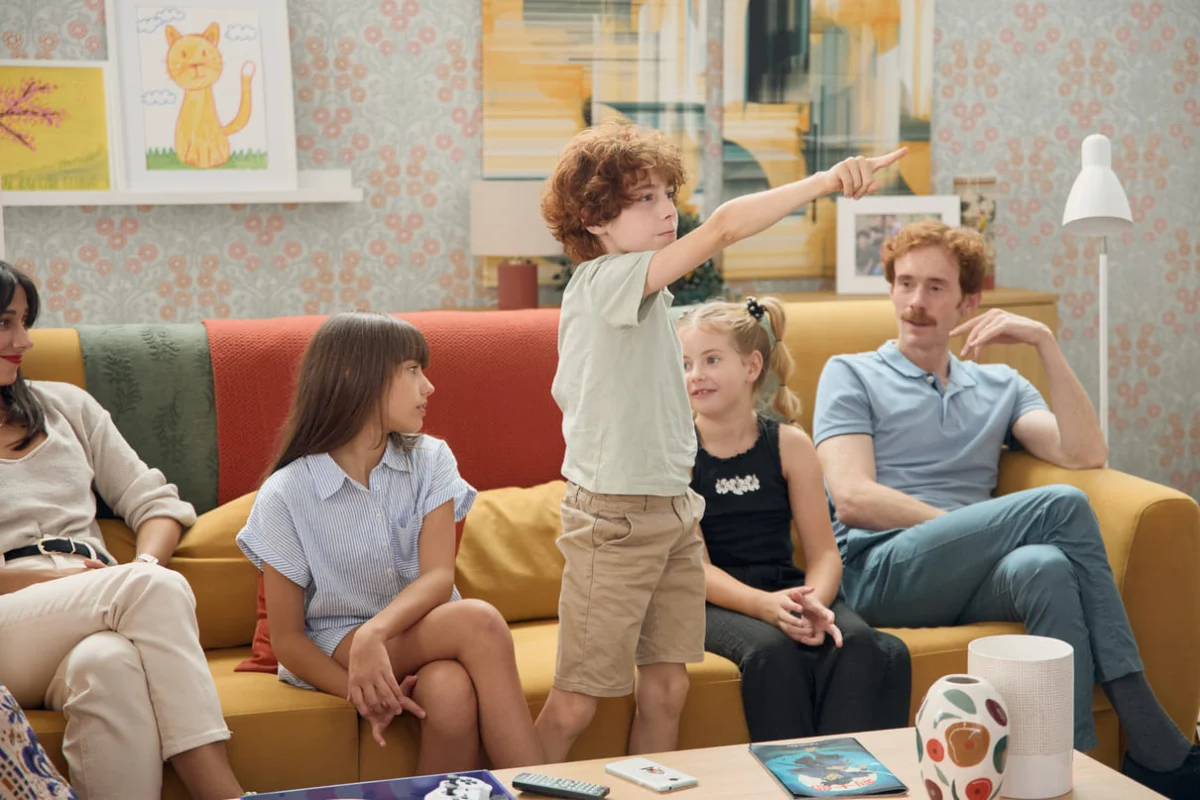
The series, conceptualized by Inés León and co-written by Raúl Navarro and Juan Manuel de Vega, ventures into a new narrative territory within the established "Padre No Hay Más Que Uno" universe. Significantly, it does not feature the characters from the popular film saga. Instead, the focus shifts to Mateo and Helena, portrayed by Dani Pérez Prada and Mariam Hernández, respectively. This new central couple navigates the complexities of raising five children. Their established family routine is disrupted when Helena receives a significant career opportunity, prompting Mateo to take on the primary role of managing the household.
The supporting cast is rounded out by Claudio Gallego, Amanda Cárdenas, Alberto Almodóvar, Naia de las Heras, and Olivia Cahen, who collectively embody the five children. Adding established comedic and dramatic talent, Miriam Díaz-Aroca and Rosario Pardo are cast as the maternal figures, the two grandmothers, providing a strong ensemble to support the new narrative. This deliberate choice to introduce a fresh cast and storyline suggests an ambition to expand the franchise beyond its original cinematic confines and explore new thematic possibilities.
A Bold Commitment: Doubling Down on Comedy
Antena 3’s decision to dedicate the entire Thursday evening to a single series, "Padre No Hay Más Que Uno, La Serie," underscores a significant investment and a strong belief in its potential. The network is not hiding the series, nor is it attempting to reposition it to less competitive time slots or reduce its episode count. The response to the initial viewership dip is not one of retreat, but rather a determined insistence on its current trajectory. The success of this strategy hinges on whether the familiar brand can resonate with audiences in a television series format, particularly during the summer months when viewing habits can be unpredictable, and in the absence of the direct competition that previously challenged its debut.
The Crucial Question: Can the Franchise Thrive Without its Cinematic Star?
With a finite run of twelve episodes and a tight one-month broadcast window, Atresmedia faces a critical juncture. The core question remains: can the "Padre No Hay Más Que Uno" brand successfully translate to a television format and capture a significant audience without the on-screen presence of Santiago Segura, the driving force and main actor behind the successful film adaptations? The network’s commitment to this new iteration suggests an answer they are determined to find. The coming weeks will be pivotal in determining whether this bold programming strategy can revitalize the series’ performance and solidify its place in the competitive television landscape. The outcome will be closely watched as a test case for franchise expansion in the Spanish television market.

0 Comments