
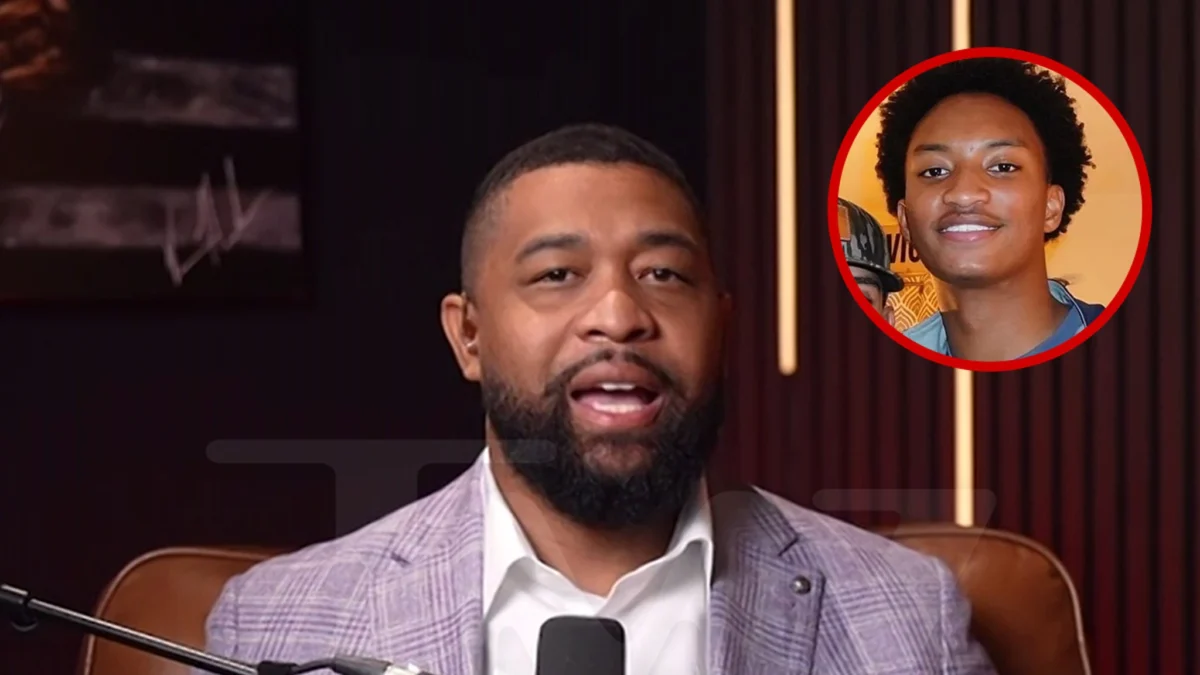
Journalist Brandon Tatum, host of "The Officer Tatum Show," has publicly addressed and firmly denied allegations of a pre-existing relationship with Mississippi Chancery Court Judge Ashlee Cole or the family of Warren Hudson prior to conducting a high-profile interview concerning the death of Nolan Wells. These assertions come in response to growing speculation that Tatum was deliberately chosen as an interviewer due to his conservative political stance, perceived as offering a sympathetic platform to Warren Hudson, who is currently embroiled in controversy surrounding Wells’ tragic demise. The interview, featured on "TMZ In the Know," aimed to provide Warren Hudson’s perspective on the events leading to his friend’s death, but has instead ignited a secondary debate about journalistic impartiality and potential conflicts of interest within the judiciary.
The Genesis of a Controversy: Nolan Wells’ Death and Public Scrutiny
The unfolding narrative began with the tragic death of Nolan Wells, a young man whose passing has captivated public attention and fueled calls for a thorough investigation. Details surrounding Wells’ death remain murky, prompting widespread speculation and an intense public desire for answers. Warren Hudson, identified as a friend of Nolan Wells and reportedly among the last to see him alive, has become a central figure in the public discourse, facing accusations and intense scrutiny regarding his potential involvement. The pressure mounted to such an extent that Hudson’s family, through Judge Ashlee Cole, sought a platform to present his version of events.
Judge Ashlee Cole, a Mississippi Chancery Court Judge, reportedly initiated contact with Brandon Tatum, leading to the interview with Warren Hudson. This move quickly drew criticism, with detractors questioning the propriety of a sitting judge facilitating a media appearance for a family member involved in a high-profile case, particularly given Tatum’s known conservative political leanings. Critics suggested this arrangement was a calculated attempt to steer public opinion by presenting Hudson’s narrative through a seemingly ‘friendly’ media outlet, thereby circumventing more adversarial journalistic scrutiny.
Tatum’s Vigorous Defense of Journalistic Independence
Brandon Tatum, a former police officer turned commentator and media personality, has vehemently pushed back against these claims. In his public statements, Tatum asserted that he had no prior personal or professional relationship with Judge Cole or the Hudson family before they reached out to his team. He emphasized that the contact was initiated by Judge Cole, not through any pre-existing connection, and that the decision to grant the interview was based on journalistic merit – providing a platform for a key individual to respond to serious public accusations.
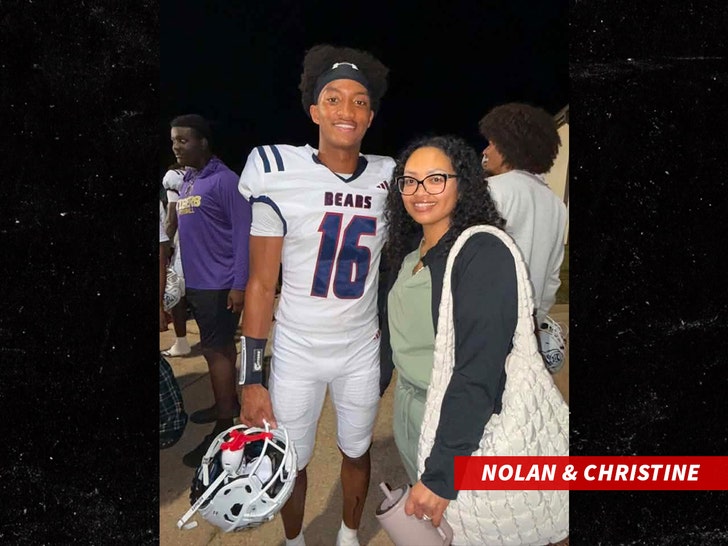
Tatum contextualized the situation by comparing it to other high-profile cases where families seek out specific advocates or media platforms they trust. He drew a parallel to Nolan Wells’ mother, Christine Wonsley, who has enlisted the prominent civil rights attorney Ben Crump to represent her family and advocate for justice in her son’s case. Tatum argued that just as Wonsley sought a legal advocate she believed would best serve her interests, the Hudson family naturally sought a media platform they felt would present their story fairly and accurately, free from what they might perceive as prejudgment or bias from other outlets. This, he suggested, is a natural inclination for individuals under intense public pressure, seeking an avenue to be heard and understood.
The Question of Judicial Ethics and Influence
A significant portion of the controversy centers on Judge Ashlee Cole’s role as a sitting Chancery Court Judge and the perceived conflict of interest her involvement presents. Critics have argued that a judge, by virtue of their position, holds significant influence and that facilitating such an interview could be seen as an attempt to sway public opinion or even indirectly impact an ongoing investigation. The concern stems from the principle that judicial officers must maintain strict impartiality and avoid any actions that could compromise the integrity of the justice system or create an appearance of impropriety.
Tatum, however, offered a robust defense of Judge Cole’s actions, clarifying the scope of her judicial authority. He explained that a Chancery Court Judge in Mississippi primarily presides over civil matters, including family court issues, divorces, child custody, probate, and equity cases. Crucially, he pointed out that her jurisdiction does not extend to criminal investigations or proceedings. Therefore, Tatum contended, Judge Cole has no direct authority or influence over the criminal investigation into Nolan Wells’ death. Her involvement, from this perspective, was purely as a family member seeking media engagement, not as a judicial officer leveraging her position to interfere with a criminal matter.
Furthermore, Tatum challenged the notion of Judge Cole’s alleged "influence" by posing a rhetorical question: if she possessed the kind of sway and power critics attribute to her, why would Warren Hudson be publicly accused of killing his best friend, and why would he need to resort to a social media platform to convey his version of events? Tatum argued that if a judge could truly manipulate the narrative or investigation, Hudson would likely not be facing such intense public scrutiny or feel the need to publicly defend himself through an interview, suggesting that the very existence of the interview underscores the limitations, rather than the extent, of any potential influence.
Nolan Wells’ Last Moments: Warren Hudson’s Account
During his interview with Brandon Tatum, Warren Hudson provided his detailed account of the events leading up to Nolan Wells’ disappearance and subsequent death. This marked Hudson’s first extensive public statement on the matter, a crucial moment for both the investigation and public perception. Hudson unequivocally denied any involvement in Nolan’s death or any alleged tampering with the teen’s phone, which has been a point of contention in the public discourse.
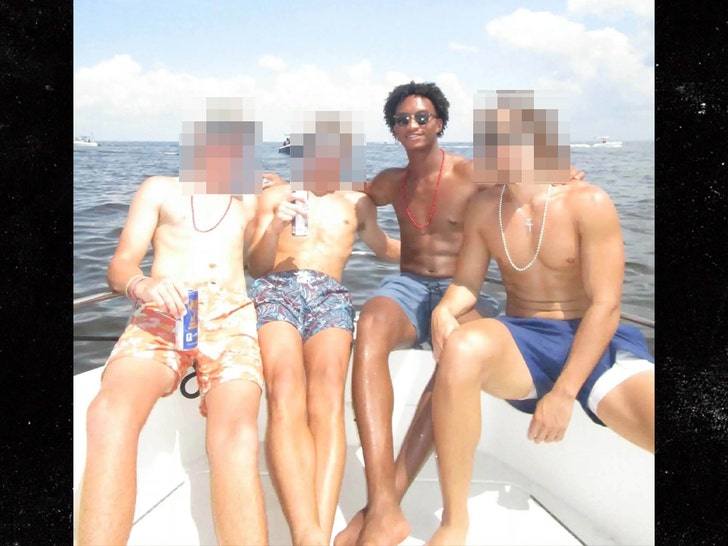
Hudson recounted that he, along with Nolan and other friends, had been on Horn Island, a barrier island off the coast of Mississippi, known for its remote and natural beauty. According to Hudson, as weather conditions deteriorated or plans changed, the group made repeated pleas to Nolan to leave the island with them. However, Hudson claimed that Nolan steadfastly refused these requests, choosing instead to remain behind while the others departed. This detail is critical to Hudson’s defense, implying that Nolan made a conscious decision to separate from the group, thereby absolving Hudson of direct responsibility for his subsequent disappearance.
The specific timeline and circumstances of Nolan’s refusal to leave, and what happened after the group departed, remain subjects of intense public and investigative interest. Hudson’s account attempts to fill critical gaps in the narrative, but it also opens new avenues for questioning and corroboration as authorities continue their investigation into the exact cause and manner of Nolan Wells’ death.
The Broader Context: Media, Justice, and Public Perception
The Nolan Wells case, and the controversy surrounding Warren Hudson’s interview, highlights several broader implications for contemporary journalism, judicial ethics, and the administration of justice in the age of social media.
-
Media Platforming and Bias: The debate over Tatum’s interview underscores the challenges faced by news organizations and commentators in maintaining impartiality, or the appearance thereof, especially when dealing with highly sensitive cases and politically charged figures. Critics of Tatum’s interview argue that platforms, regardless of their stated intentions, inevitably shape narratives. Proponents argue for the importance of allowing all parties to tell their stories, particularly when facing public condemnation. The distinction between providing a platform and endorsing a narrative remains a contentious issue in media ethics.
-
Judicial Conduct and Public Trust: Judge Cole’s involvement, even if legally permissible given her jurisdiction, raises questions about the optics of judicial conduct. The judiciary is predicated on public trust, which requires judges to not only be impartial but also to appear impartial in all their dealings. Any action that could be perceived as leveraging judicial status for personal or familial advantage, even in a non-judicial capacity, can erode this trust. This case prompts a closer examination of guidelines for judges engaging in public activities, particularly those that intersect with high-profile criminal matters where family members are involved.
-
The "Court of Public Opinion": The intense public interest, fueled by social media, demonstrates the significant role the "court of public opinion" plays in modern justice. Accusations, defenses, and theories spread rapidly, often ahead of official findings. This creates immense pressure on investigators, legal teams, and individuals involved. The decision by Warren Hudson’s family to seek a media platform reflects an understanding of this dynamic – a belief that shaping the public narrative is as crucial as navigating the legal one.
-
Advocacy and Justice for Nolan Wells: Amidst these broader debates, the central focus remains on achieving justice for Nolan Wells. The involvement of Ben Crump, a lawyer renowned for his work on civil rights cases involving young Black men, signifies the family’s determination to ensure a thorough and unbiased investigation. Crump’s presence often signals a commitment to challenging official narratives and advocating for marginalized voices, suggesting that Wells’ family may suspect broader systemic issues or negligence in the handling of the case. His engagement elevates the case to a national level of awareness, intensifying the demand for transparency and accountability.
The Path Forward: Unanswered Questions and Ongoing Investigation
As of the latest reports, the official investigation into Nolan Wells’ death remains ongoing. Warren Hudson’s interview with Brandon Tatum provides his account, but it does not definitively resolve the myriad questions surrounding Wells’ final moments. Authorities will need to corroborate Hudson’s statements with forensic evidence, witness testimonies, and other investigative findings to piece together a comprehensive picture.
The family of Nolan Wells, represented by attorney Ben Crump, continues to call for a transparent and exhaustive inquiry, emphasizing their desire for truth and justice. The confluence of a tragic death, public accusations, a high-profile media interview, and questions of judicial ethics ensures that the case of Nolan Wells will continue to be closely watched by the public and media alike, underscoring the complexities inherent in modern criminal investigations and the relentless pursuit of truth. The outcome will not only bring resolution to a grieving family but may also set precedents for how similar high-stakes narratives are navigated in the public sphere.

0 Comments