
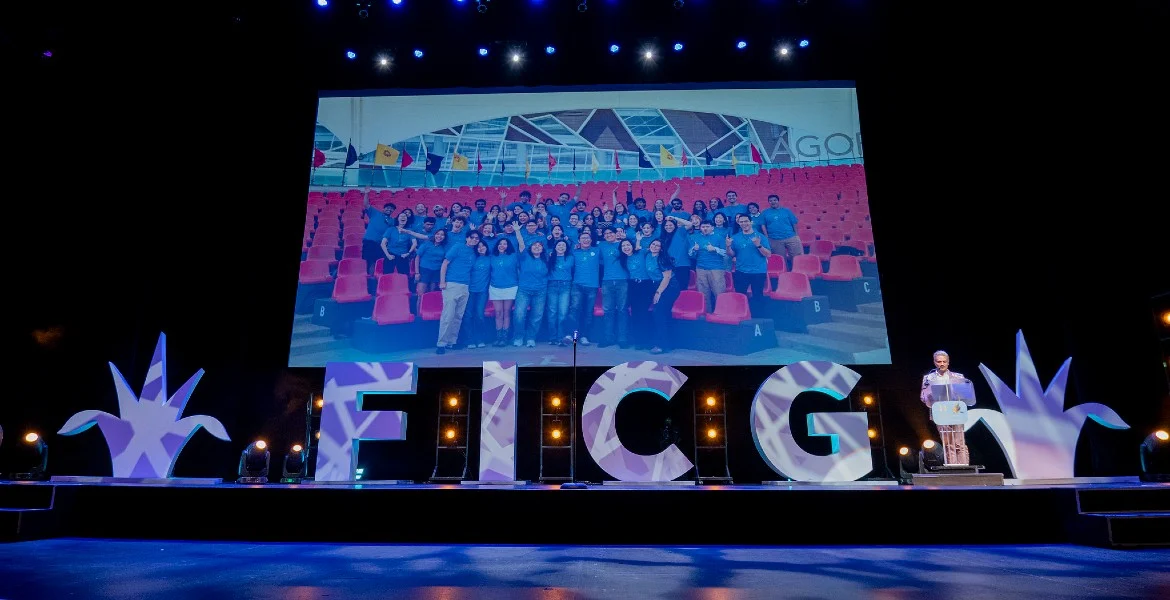
The international film circuit in Latin America has entered a pivotal phase as two of the region’s most influential cinematic events, the Guadalajara International Film Festival (FICG) and the Santiago International Film Festival (SANFIC), officially opened their respective calls for entries. These announcements mark a critical moment for filmmakers across the globe, particularly those within the Ibero-American sphere, as they seek platforms that offer not only prestige but also tangible pathways to international distribution and Academy Award consideration. As the industry grapples with shifting exhibition models, these festivals continue to serve as essential gatekeepers and catalysts for independent cinema.
The 42nd Edition of the Guadalajara International Film Festival: A Global Benchmark
The Guadalajara International Film Festival has solidified its status as the most significant film event in Latin America. For its 42nd edition, scheduled to take place from March 6 to 13, the festival has invited submissions across a diverse array of categories, reflecting the multifaceted nature of contemporary storytelling. The call for entries encompasses feature-length films in fiction, documentary, and animation, with specific tracks for Mexican and Ibero-American productions, as well as a dedicated international competition.
Central to the FICG’s mission is the promotion of social diversity and environmental consciousness. This is evidenced by the inclusion of the Premio Maguey, a prestigious accolade dedicated to films exploring queer and LGBTQ+ themes. Since its inception, the Premio Maguey has become a global reference for sexual diversity in cinema, often premiering works that go on to achieve critical success at festivals like Berlin or Sundance. Similarly, the Socio-Environmental Film Award highlights the festival’s commitment to using cinema as a tool for ecological advocacy, a theme that has gained increasing traction among global audiences and programmers.
Local talent is also prioritized through the "Hecho en Jalisco" (Made in Jalisco) section. This category is designed to bolster the regional film industry in Guadalajara and its surrounding areas, providing a platform for local creators to showcase their work alongside international heavyweights. The festival’s regional focus ensures that while it remains a global event, it continues to nourish the grassroots industry that serves as its foundation.
Short Film Competitions and the Legacy of Rigo Mora
The short film format remains a vital proving ground for emerging talent, and the FICG has structured its 42nd edition to reflect this importance. The festival is currently accepting Ibero-American fiction and documentary shorts, as well as works for the Premio Rigo Mora, an international competition specifically for animated short films.
Named in honor of the late Mexican animator and filmmaker Rigo Mora—a close collaborator of Guillermo del Toro and a pioneer in the stop-motion movement—the award carries significant weight in the animation community. In recent years, Mexico has emerged as a global powerhouse in animation, and the Premio Rigo Mora serves as a focal point for this creative explosion. Furthermore, the short film categories for Jalisco-based productions ensure that the next generation of local animators and storytellers has a direct path to professional recognition.
Financial Incentives and the Pathway to the Oscars
One of the most compelling aspects of the FICG call for entries is the substantial financial support offered to winners. Feature films are eligible for prizes of up to 500,000 Mexican pesos (approximately $27,000 USD), while short films can receive up to 200,000 Mexican pesos (approximately $11,000 USD). In an era where independent film financing is increasingly precarious, these cash prizes represent a significant resource for filmmakers to clear debts, fund marketing campaigns, or seed their next projects.
Beyond the financial rewards, the FICG offers a strategic advantage that few other festivals in the region can match: official recognition from the Academy of Motion Picture Arts and Sciences (AMPAS). The winners of the Ibero-American Documentary Feature, Ibero-American Short Film, and the Premio Rigo Mora are automatically eligible for consideration in the shortlists of the Academy Awards. This "Oscar-qualifying" status elevates the FICG from a regional celebration to a critical stop on the road to the Dolby Theatre in Hollywood, attracting high-caliber submissions from around the world.
Submission Guidelines and Deadlines for FICG
To maintain the highest standards of contemporary relevance, the festival requires that all participating productions be completed between 2026 and 2027. Furthermore, films must have their Mexican or Latin American premiere during the festival, depending on the specific competition category. This exclusivity ensures that the FICG remains a primary source of "fresh" content for distributors and critics.
The festival has implemented a tiered submission deadline to encourage early participation. Registration is free of charge for all entries submitted before August 20. Following this grace period, the final deadline for short films is set for October 16, while feature-length projects have until October 31 to finalize their applications. These regulations are strictly enforced to allow the programming committee sufficient time to curate a selection that balances artistic merit with thematic diversity.
SANFIC 22: Strengthening the Southern Cone’s Cinematic Identity
While the FICG dominates the northern part of the region, the Santiago Festival Internacional de Cine (SANFIC) continues to be the premiere cinematic event in Chile and a vital hub for the Southern Cone. SANFIC has officially opened the call for its 22nd edition, which will run from November 2 to 8. Organized by the Corpartes Foundation and produced by Storyboard Media, the festival has spent over two decades fostering a sophisticated film culture in Santiago.
The 22nd edition features three main competitive strands: the International Competition, the Chilean Cinema Competition, and the National Talent Short Film Competition. By maintaining these distinct categories, SANFIC ensures a dialogue between global trends and local narratives. The festival has historically been a launchpad for Chilean filmmakers who have gone on to win Academy Awards and Silver Bears, such as Sebastián Lelio and Pablo Larraín.
Deadlines and Eligibility for the Santiago Circuit
The submission window for SANFIC is currently open and will remain so until August 14. To be eligible, works must have been completed after February 1, 2025. This ensures that the festival showcases the most recent developments in global cinema. In terms of fees, the festival maintains an accessible approach for local creators, offering free registration for all Chilean productions. International entries are required to pay a modest fee of $30 USD.
A key priority for the SANFIC programming team is the "premiere" status of its selections. The festival gives significant weight to films that are making their national or international debut in Santiago. This strategy not only increases the festival’s prestige but also attracts international press and buyers who are looking for undiscovered gems in the South American market.
Reflecting on Recent Success: A Benchmark for Quality
The caliber of films expected for the 22nd edition of SANFIC can be gauged by the winners of its most recent iteration. The prize for Best Film in the International Competition was awarded to "Un poeta" by Colombian director Simón Mesa. Mesa, a filmmaker known for his rigorous aesthetic and social insight, also shared the Best Director award with Spanish filmmaker Carlos Marqués-Marcet, who was recognized for his work "Polvo serán."
In the Chilean Cinema Competition, the top honors went to "Al sur del invierno está la nieve" by Sebastián Vidal Campos, a film that resonated with critics for its evocative atmosphere and local specificity. Additionally, Silvina Schnicer was awarded Best Director for "La Quinta," further cementing SANFIC’s reputation for identifying and rewarding directorial excellence. These winners underscore the festival’s role in bridging the gap between established masters and the new guard of Ibero-American cinema.
The Strategic Importance of Festival Markets: Industria FICG and SANFIC Industria
While the public-facing screenings garner the most media attention, the true engine of these festivals lies in their "Industry" sections. Both FICG and SANFIC have developed robust market platforms—Industria FICG and SANFIC Industria—that run parallel to the film screenings. These sections are dedicated to works-in-progress, co-production forums, and networking meetings between producers, sales agents, and festival programmers.
For filmmakers submitting their work to the current calls, the opportunity to participate in these industry hubs is often as valuable as winning a trophy. These markets provide the necessary infrastructure for films to find international sales agents and secure distribution in territories outside of their home countries. In the context of Latin American cinema, where domestic markets are often small, international co-production and distribution are essential for the financial viability of any project.
Broader Implications for the Ibero-American Film Industry
The simultaneous opening of these calls for entries highlights the resilience of the Ibero-American film industry in the face of global economic challenges. Festivals like FICG and SANFIC act as a bulwark against the homogenization of content, ensuring that local stories, told in local languages, have a chance to compete on the world stage.
Furthermore, the "Oscar-qualifying" nature of several categories at the FICG reflects a broader trend of the Academy of Motion Picture Arts and Sciences becoming more international. By decentralizing the qualifying process and empowering festivals in Mexico and elsewhere, the Academy is allowing for a more diverse pool of candidates, which in turn enriches the global cinematic landscape.
As the deadlines approach in August and October, the global film community will be watching closely. The selections made by the programmers at Guadalajara and Santiago will likely define the "ones to watch" for the 2027 award season and beyond. For filmmakers, these calls for entries represent more than just a contest; they are an invitation to join a prestigious lineage of storytellers who have used these festivals to change the course of cinematic history.
Chronology of Key Dates and Deadlines
To assist filmmakers in their planning, the following timeline summarizes the critical windows for both festivals:
Guadalajara International Film Festival (FICG 42):
- August 20: Final day for free registration for all categories.
- October 16: Final deadline for all Short Film submissions.
- October 31: Final deadline for all Feature-Length Film submissions.
- March 6–13: Festival dates.
Santiago International Film Festival (SANFIC 22):
- August 14: Final deadline for all submissions (International and National).
- November 2–8: Festival dates.
The opening of these calls serves as a reminder of the enduring power of the film festival as a space for discovery, community, and artistic validation. As Guadalajara and Santiago prepare to welcome the next wave of cinematic innovation, the focus remains firmly on supporting the creators who continue to push the boundaries of the medium.

0 Comments