
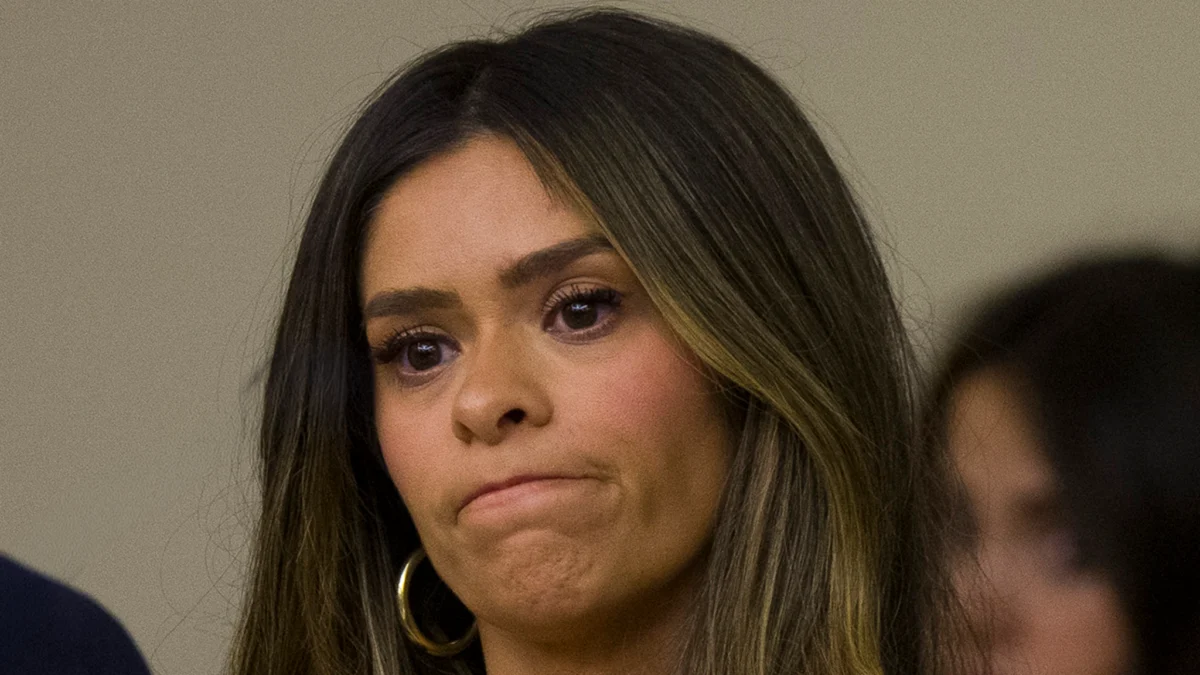
Utah-based social media personality Taylor Frankie Paul has emphatically rejected recent child custody proposals from her former partners, Tate Paul and Dakota Mortensen, signaling her resolve to fight for greater parental involvement in her children’s lives. The contentious dispute, which has unfolded publicly and privately over several months, intensified with Paul’s refusal to accept agreements that would grant her less than 50 percent custody of her three children. This development, reported on July 30, 2026, marks another significant chapter in the ongoing legal battles surrounding Paul, whose personal life has frequently garnered widespread public attention.
Escalating Custody Battle Over Children
According to reports from Page Six, citing a source close to the situation, Paul recently received two distinct custody proposals. One originated from Tate Paul, her ex-husband and father of her two elder children, Indy and Ocean. The other came from Dakota Mortensen, her most recent ex-partner and father of her youngest child, Ever. Both proposals reportedly sought a 60 percent custody split in favor of the fathers, leaving Paul with 40 percent of the parenting time. This arrangement was swiftly and unequivocally rejected by Paul, who, through her representatives, conveyed her determination to prioritize her children’s best interests and maintain substantial involvement in their upbringing. Sources indicate Paul views these proposals as an attempt by her ex-partners to collectively diminish her role as a primary caregiver, a move she is prepared to challenge vigorously in court. Her stance underscores a growing pattern of high-conflict family law cases involving public figures, where personal disputes are often magnified by media scrutiny and the inherent complexities of shared parenting after contentious separations.
A History of Complex Relationships and Public Scrutiny
Taylor Frankie Paul first rose to prominence within the "Mormon TikTok" community, a segment of social media influencers sharing aspects of their lives within the context of the Church of Jesus Christ of Latter-day Saints. Her candid portrayals of marriage, motherhood, and daily life resonated with millions, quickly establishing her as a significant online personality. However, her public image took a dramatic turn in 2022 when she publicly disclosed details of her "soft-swinging" lifestyle and subsequent divorce from Tate Paul, igniting a firestorm of controversy within her predominantly conservative online following. This period marked a shift from wholesome family content to more personal and often turbulent narratives, attracting both fervent support and intense criticism.
Taylor Paul was married to Tate Paul from 2016 to 2022. During their marriage, they welcomed daughter Indy, now 8 years old, and son Ocean, 6. Their separation and subsequent divorce were widely publicized, contributing to Paul’s controversial public persona. Following her divorce, Paul entered a relationship with Dakota Mortensen, which lasted from 2022 until early 2026. Their union resulted in the birth of their son, Ever, now 2 years old. Both relationships, characterized by periods of public display and subsequent dramatic unraveling, have consistently placed Paul at the center of media attention, blurring the lines between her public persona and private struggles. The current custody disputes are a direct continuation of these complex personal histories, further complicated by the public nature of her career.
Chronology of Legal Filings and Protective Orders
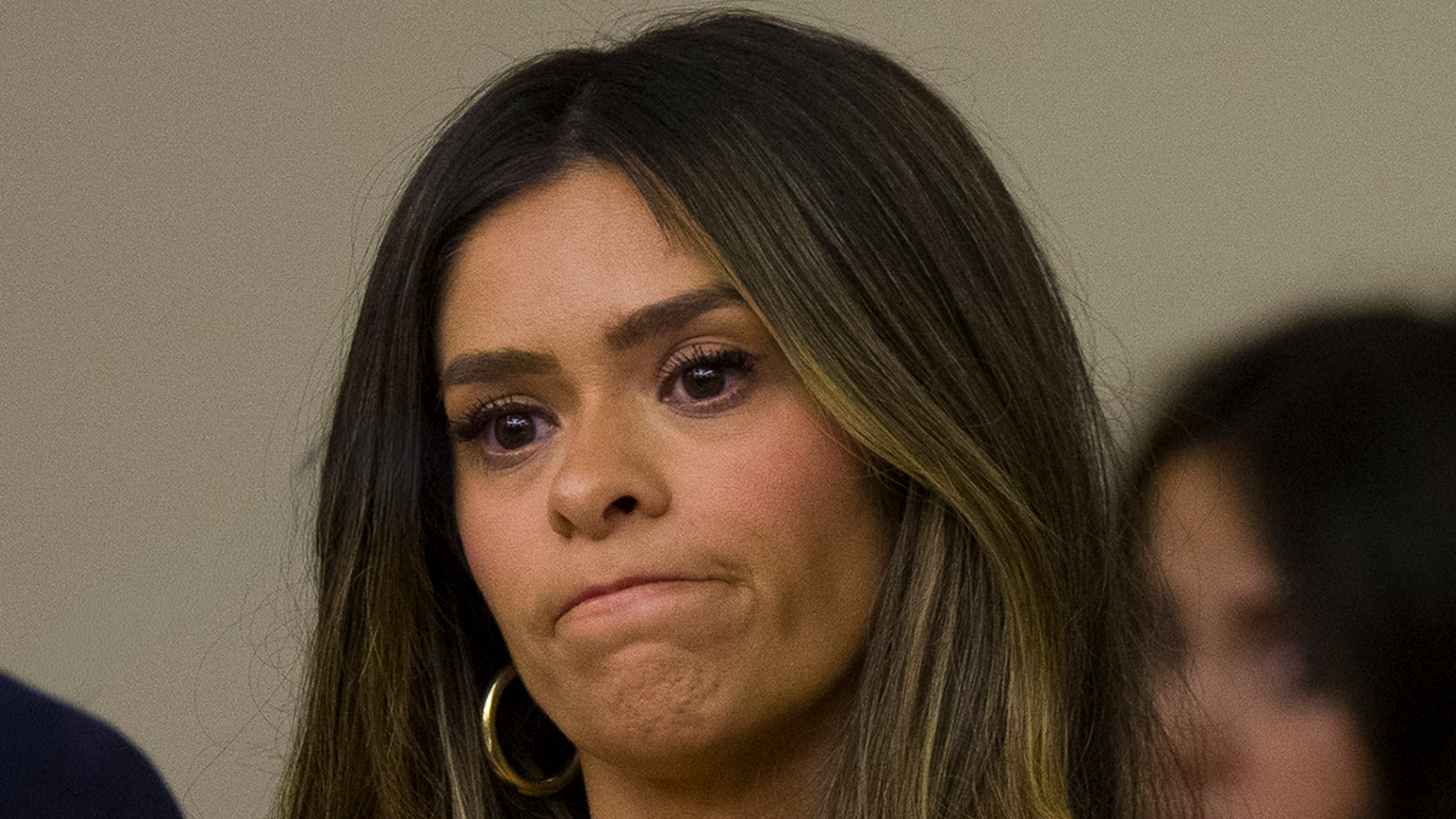
The current custody battle is not an isolated incident but rather the latest development in a series of legal confrontations involving Paul and her former partners. The timeline of these legal actions paints a picture of escalating tensions and a fraught co-parenting environment:
- March 2026: Dakota Mortensen was granted temporary custody of their son, Ever. This decision came after reports of multiple physical altercations between Paul and Mortensen. Simultaneously, Mortensen was issued a protective order against Paul, signaling the court’s concern for his safety and the well-being of their child in Paul’s immediate care. Such protective orders are typically issued when there is credible evidence of domestic violence or threats, requiring the restrained party to maintain a certain distance and avoid contact with the protected individual.
- April 2026: In a reciprocal legal move, Taylor Frankie Paul was also granted a protective order against Dakota Mortensen. This indicated that the court recognized a pattern of mutual conflict and deemed it necessary to provide protection for both parties, underscoring the volatile nature of their separation. Reciprocal protective orders are less common but can be issued when both parties present compelling evidence of threats or harm, necessitating legal boundaries for both individuals.
- June 2026: Tate Paul, Taylor’s ex-husband, filed for a temporary restraining order against her. Concurrently, he submitted a petition seeking sole custody of their children, Indy and Ocean. This move by Tate Paul further compounded Taylor’s legal challenges, suggesting a concerted effort to limit her parental rights across both her relationships. A petition for sole custody is a significant legal step, often initiated when one parent believes the other is unfit or poses a risk to the children’s welfare, and it typically requires substantial evidence to be granted.
These successive legal maneuvers highlight a deeply entrenched conflict, moving from temporary restraining orders to more permanent custody reconfigurations. The cumulative effect of these filings has created a complex legal landscape for Taylor Frankie Paul, who is now facing challenges from both of her children’s fathers simultaneously.
Legal Framework and Challenges in High-Conflict Custody Cases
Child custody decisions in the United States, including states like Utah where these proceedings are likely taking place, are governed by the "best interests of the child" standard. This principle dictates that all judicial decisions regarding custody and visitation must prioritize the physical safety, emotional well-being, and developmental needs of the children involved. Factors considered by courts typically include:
- The child’s wishes: Depending on age and maturity.
- The parents’ ability to provide a stable home environment.
- The child’s relationship with each parent.
- Each parent’s mental and physical health.
- Any history of domestic violence, substance abuse, or child abuse.
- The child’s adjustment to their home, school, and community.
In cases marked by high conflict, multiple protective orders, and allegations of domestic altercations, courts often scrutinize parental fitness more intensely. A parent’s history of instability, public controversies, or legal infractions can significantly influence judicial outcomes, particularly when seeking primary custody. The current situation, with two fathers independently seeking majority custody, suggests that concerns about Paul’s stability or parenting environment may have been presented to the courts. Conversely, Paul’s rejection of the 60/40 proposals and her stated commitment to her children’s best interests indicate her belief that she can provide an adequate and beneficial environment, despite the ongoing legal and personal challenges. The legal process is designed to be deliberative, often involving mediation, psychological evaluations, and extensive evidentiary hearings to arrive at a final determination that serves the children’s long-term welfare.
The Interplay of Public Life and Private Disputes
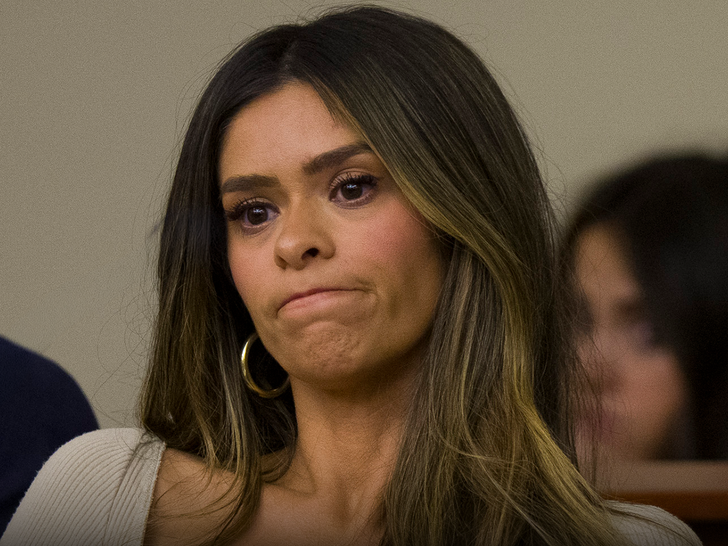
Taylor Frankie Paul’s status as a prominent social media personality adds a unique layer of complexity to her custody battles. Unlike private citizens, her life is under constant public scrutiny, with every development, legal filing, and personal revelation becoming fodder for online discussion and media headlines. This intense public gaze can significantly impact court proceedings, as judges and legal professionals may be aware of public narratives, even if they strive to remain impartial based solely on evidence presented in court.
The "Secret Lives of Mormon Lives" star’s career relies heavily on her personal brand and relatability. Ongoing legal disputes, especially those involving allegations of domestic altercations and custody battles, can severely damage a public figure’s reputation and earning potential. Sponsorships, brand deals, and audience engagement are often sensitive to public perception, and prolonged negative publicity can lead to a decline in opportunities. For Paul, whose content has increasingly veered into discussions about her personal struggles, the line between authentic sharing and overexposure becomes particularly thin. This dynamic creates a challenging environment where the need to protect her children’s privacy clashes with the demands of maintaining a public profile, potentially influencing how she navigates both her legal battles and her career.
Broader Societal Context: Social Media and Family Law
The case of Taylor Frankie Paul exemplifies a growing trend in family law where social media plays an unprecedented role. Information shared online, whether by the parties involved or by third parties, can become evidence in court. Public statements, videos, and even casual posts can be meticulously analyzed by legal teams, potentially bolstering or undermining a parent’s case. For public figures, the challenge is amplified, as their entire digital footprint is often accessible and can be weaponized in legal proceedings.
Furthermore, the public nature of such disputes raises ethical questions regarding the children involved. While adults choose to live their lives in the public eye, their children do not. Exposure to parental conflicts, especially those playing out in sensationalized media, can have profound psychological and emotional impacts on developing minds. Legal systems are increasingly grappling with how to protect children’s privacy and well-being in an era where their parents’ lives are extensively documented online. This case serves as a poignant reminder of the delicate balance between freedom of expression, public interest, and the fundamental right to privacy and protection for minors caught in the crossfire of high-profile parental disputes.

The Road Ahead for Co-Parenting and Legal Resolution
Taylor Frankie Paul’s firm rejection of the proposed 60/40 custody splits signals her intent to engage in a protracted legal battle. Sources close to Paul suggest she believes her ex-partners are collaborating to achieve primary custody, and she reportedly "can’t wait to witness them lose" in court. This combative stance indicates that an amicable resolution through mediation or negotiation may be difficult to achieve in the near future. Instead, the parties are likely headed towards more intensive litigation, potentially involving multiple court hearings, expert testimonies, and a comprehensive review of all allegations and evidence.
The court’s ultimate decision will hinge on a thorough assessment of each parent’s ability to provide a safe, stable, and nurturing environment, always prioritizing the best interests of Indy, Ocean, and Ever. Given the history of protective orders and allegations of domestic altercations, the court will likely consider the safety and emotional well-being of the children paramount. The outcome could range from a continued shared custody arrangement, albeit with revised percentages, to one parent being granted sole custody with supervised visitation for the other, depending on the severity and credibility of the evidence presented. For Taylor Frankie Paul, Tate Paul, and Dakota Mortensen, the journey through the legal system promises to be arduous and emotionally taxing, with the future of their children’s upbringing hanging in the balance. The resolution of these intertwined custody battles will not only shape their individual lives but also continue to draw public attention to the complexities of modern family dynamics, especially when played out under the unforgiving spotlight of social media.

0 Comments