
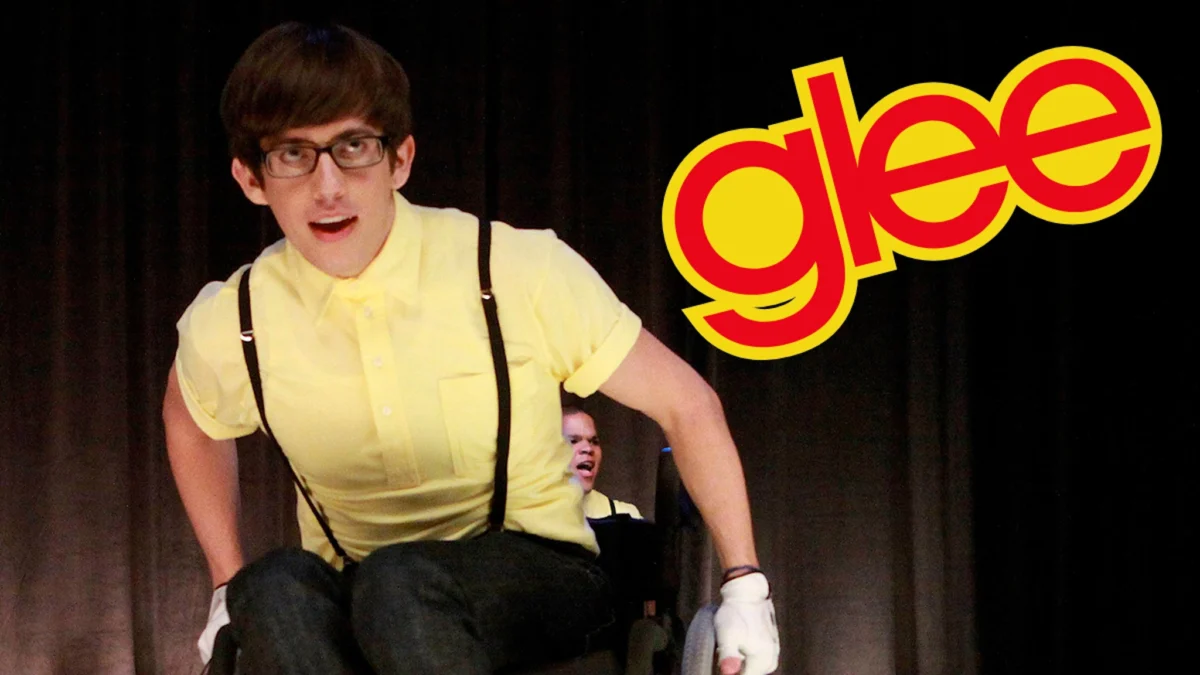
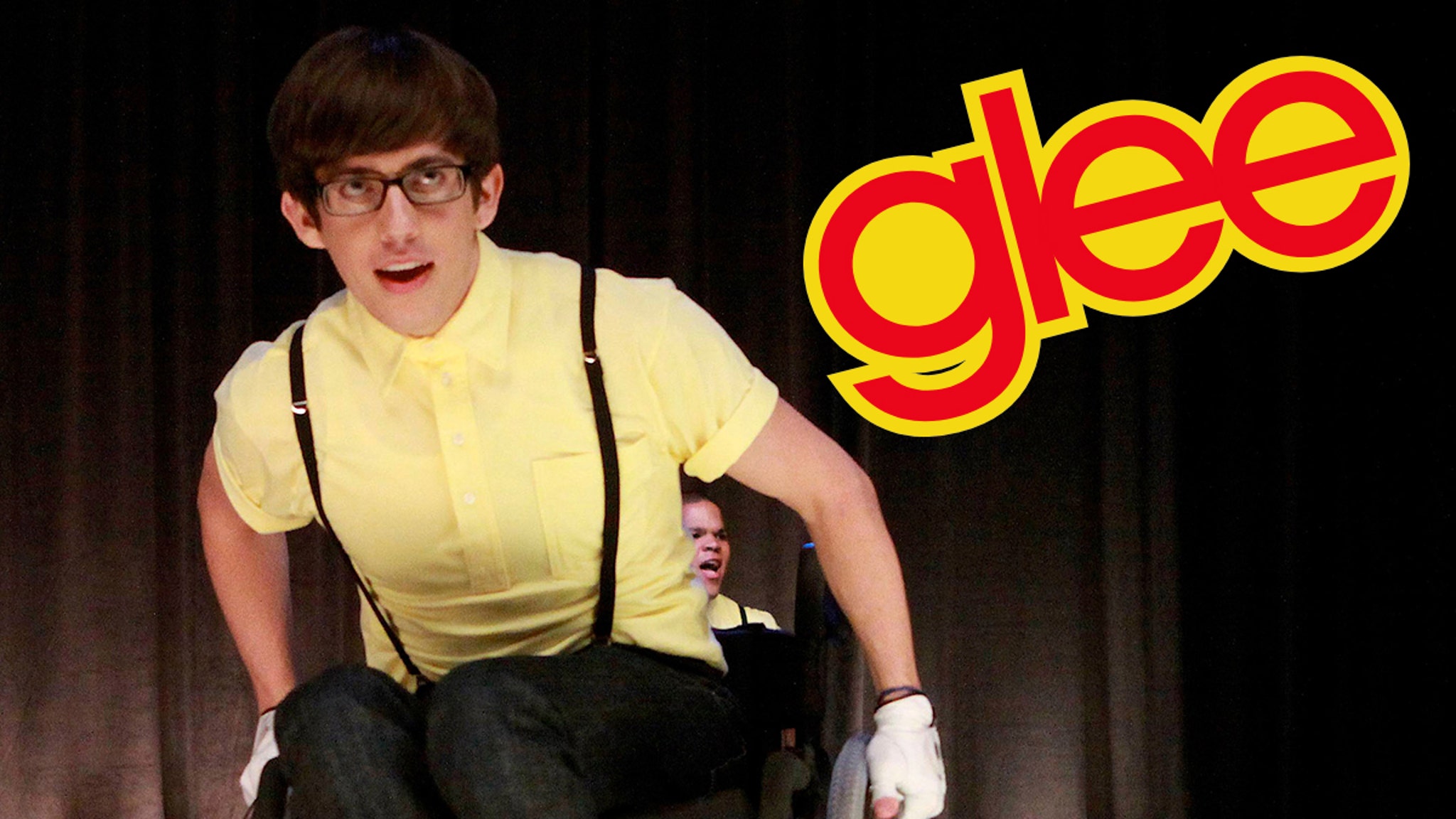
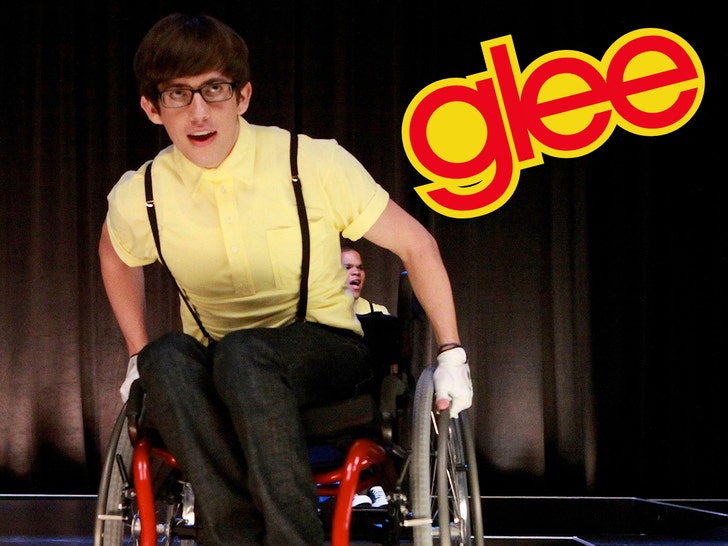
Kevin McHale, widely recognized for his role as Artie Abrams in the groundbreaking musical dramedy Glee, issued a fiery rebuke on Wednesday, July 30, 2026, against individuals propagating "curse" narratives regarding the untimely deaths of several of his former castmates. Taking to the social media platform X (formerly Twitter), McHale expressed profound outrage, lambasting those who frame the real-life tragedies of his colleagues as part of a fantastical, malevolent conspiracy tied to the beloved television series. His strong words underscore a deep-seated frustration within the Glee community over the persistent and often insensitive speculation that has shadowed the show’s legacy.
McHale’s impassioned statement was direct and unequivocal. "Let me log off today because the way too many of you talk about real people who have passed as a ‘sacrifice’ or a ‘curse’ in regards to a tv show is fking diabolical and untethered from any sort of humanity or reality," he wrote, concluding with a blunt "Get fked." This raw outburst highlights the emotional toll such theories exact on those who knew and grieved for the deceased, transforming genuine human loss into fodder for speculative online discourse. The actor’s decision to use such stark language reflects a breaking point, signaling his refusal to tolerate the dehumanizing nature of these discussions.
The Genesis of the ‘Glee Curse’ Narrative
The concept of a "Glee curse" emerged and gained traction among certain segments of the fanbase following a series of tragic and unforeseen deaths involving prominent cast members. This narrative posits that an inexplicable, supernatural ill-fortune plagues those associated with the show, linking their personal misfortunes and fatalities directly to their involvement in the series. While such theories are common in pop culture, often associated with productions experiencing multiple unfortunate events, the context of Glee is particularly poignant given the youth and public affection for the actors involved.
The show, which premiered in 2009, quickly became a cultural phenomenon, celebrated for its inclusive themes, dynamic musical performances, and honest portrayal of teenage life. It championed diversity and addressed sensitive topics such as LGBTQ+ rights, bullying, and disability, earning critical acclaim and a devoted global following. However, the subsequent years would see the cast grappling with a succession of personal tragedies that profoundly impacted the tight-knit ensemble and shocked the millions who had come to adore them.
A Chronology of Unspeakable Loss
Three primary deaths have fueled the "Glee curse" narrative, each profoundly affecting the show’s production, its cast, and its dedicated audience:
The Passing of Cory Monteith (Finn Hudson)
The first devastating blow came with the death of Cory Monteith, who played the beloved football quarterback and aspiring singer Finn Hudson. Monteith was found dead in his Vancouver hotel room on July 13, 2013, at the age of 31. The official cause of death was determined to be an accidental overdose from a toxic mix of heroin and alcohol. Monteith had openly struggled with substance abuse since his teenage years, having entered rehab earlier that year. His death sent shockwaves through Hollywood and among Glee fans worldwide, leading to an outpouring of grief.
His character, Finn Hudson, was central to the show’s narrative, particularly his on-screen and real-life relationship with Lea Michele (Rachel Berry). The series addressed his death in a critically acclaimed tribute episode titled "The Quarterback," which aired in October 2013. The episode powerfully conveyed the raw pain of loss, blurring the lines between the actors’ real emotions and their characters’ grief, making it one of the most poignant moments in television history. Monteith’s death was a stark reminder of the hidden battles many public figures face, shattering the illusion of the carefree lives often associated with stardom.
The Suicide of Mark Salling (Noah ‘Puck’ Puckerman)
Another somber chapter in the Glee saga unfolded with the death of Mark Salling, who portrayed the rebellious but ultimately endearing Noah "Puck" Puckerman. Salling died by suicide on January 30, 2018, at the age of 35. His death occurred while he was awaiting sentencing after pleading guilty to possession of child pornography. He had been arrested in December 2015, and the subsequent legal proceedings cast a dark shadow over his career and personal life.
Salling’s tragic end was met with a complex public reaction. While some mourned the loss of a young life, his death was inextricably linked to the severe criminal charges against him, which significantly altered public perception and distinguished his situation from the other cast tragedies. For his former colleagues, it represented another layer of complexity and pain, forcing them to reconcile the individual they knew with the serious allegations and conviction. The nature of his legal troubles meant that his death, while deeply sad, did not elicit the same widespread public sympathy as Monteith’s or Rivera’s, adding a difficult dimension to the "curse" narrative.
The Drowning of Naya Rivera (Santana Lopez)
The third major tragedy to strike the Glee family was the death of Naya Rivera, celebrated for her iconic portrayal of the fierce and vulnerable Santana Lopez. Rivera tragically drowned in Lake Piru, California, on July 8, 2020, at the age of 33. Her body was discovered five days after she went missing during a boating trip with her then 4-year-old son, Josey Hollis Dorsey. Authorities concluded that Rivera had managed to save her son by putting him back onto the pontoon boat before succumbing to the currents herself.
The search for Rivera captivated the nation, with many Glee cast members joining the efforts and expressing their anguish on social media. Her death was particularly heartbreaking due to the heroic circumstances of her final moments, ensuring her son’s safety at the cost of her own life. Rivera’s vibrant personality, powerful vocals, and pioneering representation of a Latina lesbian character had made her a beloved figure, and her loss deeply resonated with fans and the LGBTQ+ community. The proximity of her death to Monteith’s (both in July, seven years apart) further fueled the "curse" theories among those seeking patterns in misfortune.
The Enduring Emotional Toll on Surviving Cast Members
For the surviving cast and crew of Glee, these repeated tragedies have created a unique and profound burden. Beyond the personal grief of losing friends and colleagues, they have been forced to navigate their sorrow under intense public scrutiny, often contending with the very "curse" theories McHale so vehemently condemned. Each loss reopens old wounds and forces a re-evaluation of their shared history.
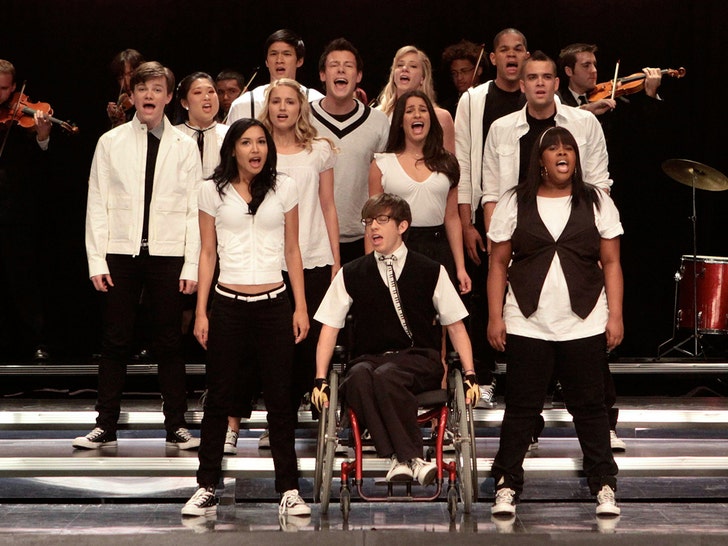
Actors like Lea Michele, Chris Colfer, Amber Riley, Jenna Ushkowitz, and Darren Criss, who spent formative years alongside Monteith, Salling, and Rivera, have publicly and privately grappled with these losses. Their bond, forged through the demanding production schedule and the show’s meteoric rise, transformed them into a surrogate family. The subsequent losses have tested this bond, requiring immense resilience and mutual support. McHale’s recent outburst is not an isolated incident but rather a public articulation of the private anguish and frustration many of them likely feel when personal grief is sensationalized and distorted into a macabre narrative.
Fan Reactions and the Call for Empathy
McHale’s direct and emotional appeal resonated strongly with a significant portion of the Glee fanbase and wider social media users. Many quickly rallied behind him, echoing his sentiments that such "curse" discussions are not only disrespectful but also deeply insensitive to the grieving families and friends of the deceased. Comments flooded X, emphasizing the humanity of the individuals lost, arguing that reducing their lives and deaths to a fictionalized "curse" strips away the dignity of their memory.
Supporters highlighted the importance of distinguishing between fictional characters and real people, stressing that while celebrity lives are public, their deaths are deeply personal tragedies. The prevailing sentiment among those backing McHale was a call for greater empathy and a recognition that speculative theories, however harmless they might seem to their proponents, can inflict real pain on those directly affected. The consensus was that memorializing these individuals should focus on their contributions, their lives, and the genuine sorrow of their passing, rather than on manufactured narratives.
Ryan Murphy’s Revival Speculation: A Catalyst for Renewed Discussion
The timing of McHale’s strong statement is particularly noteworthy, coinciding with recent comments from Glee co-creator Ryan Murphy regarding the possibility of revisiting the series. Earlier this week, Murphy publicly revealed that he has been contemplating a potential revival, citing a younger generation’s recent discovery of the show through streaming platforms. This speculation inevitably reignited discussions around Glee‘s legacy, including the lingering shadow of the cast tragedies.
Murphy’s comments, while offering a glimmer of hope for fans eager for more Glee, inadvertently served as a catalyst for the resurgence of "curse" theories. For some, the idea of a revival without the original cast members who are no longer with us brings a fresh wave of grief and prompts renewed engagement with the show’s complex history. This renewed chatter likely pushed McHale to his breaking point, compelled to defend the memory of his friends against what he perceives as a callous and disrespectful narrative.
The prospect of a Glee revival presents a delicate challenge. Any new iteration would inevitably have to acknowledge the immense losses and the profound impact they had on the original series and its cast. Murphy and his team would face the formidable task of honoring the show’s past while charting a respectful path forward, carefully navigating the sensitivities surrounding the tragedies that have become an indelible part of the Glee narrative.
The Broader Implications of ‘Curse’ Narratives in Pop Culture
The phenomenon of attributing a "curse" to a film or television production is not unique to Glee. Historically, similar narratives have emerged around various projects, often following a series of unfortunate events, accidents, or deaths associated with them. Notorious examples include the "Poltergeist curse," linked to the deaths of several cast members after the film’s release, and the supposed "curse of The Omen," with various cast and crew experiencing bizarre accidents during production.

These narratives often stem from a human psychological tendency to seek patterns and explanations, however improbable, for random or tragic events. In the context of celebrity, where lives are often highly visible and intensely scrutinized, personal tragedies can become magnified and intertwined with the public’s perception of the associated works. While these theories may offer a compelling, albeit dark, mythology for some fans, they frequently disregard the very real human suffering involved.
The ethical implications of promoting such "curse" theories are significant. They can trivialize genuine grief, reduce complex personal struggles to sensationalist lore, and contribute to a culture where empathy is overshadowed by morbid curiosity. McHale’s outburst serves as a powerful reminder of the human cost when the lines between entertainment and reality become dangerously blurred, and when the lives of public figures are treated as mere elements in a fictional narrative.
The Enduring Legacy of Glee
Despite the shadows cast by these tragedies, Glee‘s cultural impact remains undeniable. The show broke barriers, championed inclusivity, and inspired millions with its message of acceptance and the power of music. It provided a platform for discussions on mental health, identity, and the challenges of adolescence, resonating deeply with a generation of viewers. The songs, the characters, and the overarching themes continue to be celebrated, cementing its place in television history.
Kevin McHale’s poignant demand for respect highlights the ongoing tension between the show’s joyous legacy and the profound grief that has become intertwined with its narrative. His statement is a plea for humanity, urging fans to remember Cory, Naya, and Mark not as victims of a mythical curse, but as real people whose lives were tragically cut short, leaving behind grieving families, friends, and a lasting impact on those who knew and loved them. As discussions about Glee‘s future unfold, the imperative to remember its past with dignity and compassion remains paramount.

0 Comments