
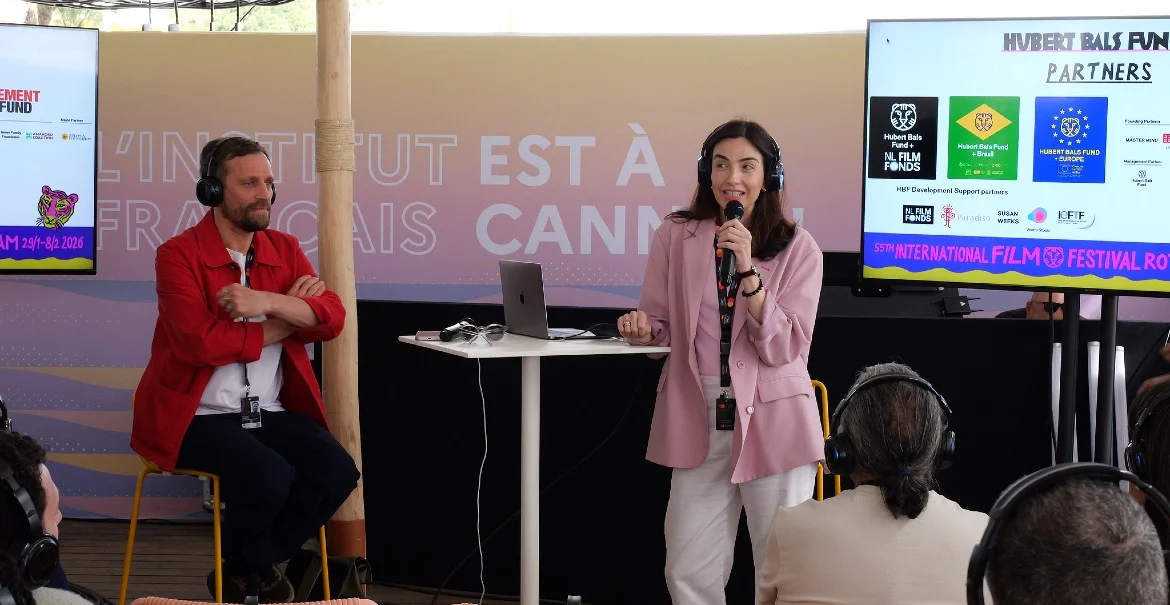
The Institut Français, in close collaboration with the Festival de Cannes and the Marché du Film, has officially announced the opening of the call for projects for the 18th edition of La Fabrique Cinéma. This prestigious professional development program is designed specifically to identify and nurture emerging talent from around the globe, focusing on directors and producers working on their first or second feature-length films. The program remains a cornerstone of the Cannes Film Festival’s commitment to diversity, providing a platform for cinematic voices from emerging markets to access the highest levels of the international film industry.
Eligible projects include works of fiction, documentary, and animation, provided they are in the development stage and have a projected budget of no more than three million euros. A defining characteristic of La Fabrique Cinéma is its emphasis on early-stage international collaboration; the selection committee prioritizes projects that have not yet secured a vast network of partners. Specifically, projects must either have no co-producers at the time of application or, at most, one single associated international co-producer. This requirement ensures that the program’s resources are directed toward filmmakers who stand to benefit most from the networking and financing opportunities provided in Cannes.
Strategic Objectives and Eligibility Criteria
The 18th edition of La Fabrique Cinéma continues its mission to bridge the gap between creative vision and financial viability. To be eligible, the director of the project must be working on their first or second feature film. Furthermore, the accompanying producer must demonstrate a proven track record, having produced at least one feature-length film within the last five years. This dual requirement ensures that the creative-producer duo possesses the foundational experience necessary to navigate the complexities of a high-level market like Cannes.
By capping the budget at three million euros, the Institut Français targets the "mid-range" of independent cinema—a segment that often faces the greatest challenges in securing financing in a global market dominated by either micro-budget indie films or high-budget studio productions. The program acts as an accelerator, providing the tools and connections needed to move these projects from the script or early development phase into active production.
A Two-Phase Mentorship and Professional Residency
The structure of La Fabrique Cinéma is divided into two distinct phases, designed to maximize the impact of the program on the participating projects. The first phase is a comprehensive online session held prior to the festival. During this period, participants engage in virtual consultations and preparatory workshops, allowing them to refine their scripts, budgets, and presentation materials before arriving on the French Riviera.
The second phase consists of a physical residency during the Festival de Cannes. According to the current cycle, this intensive period will culminate during the festival in May, providing participants with unparalleled access to the world’s most influential film professionals. During their time in Cannes, the selected directors and producers will participate in the Producers Network, an exclusive forum within the Marché du Film designed to facilitate connections between producers from different territories.
The program of activities is exhaustive and tailored to the specific needs of each project. Key components include:
- Personalized Coaching: One-on-one sessions with industry veterans to refine the project’s creative and commercial appeal.
- Pitching Workshops: Intensive training on how to effectively present projects to potential investors and distributors.
- Masterclasses: Sessions led by world-renowned filmmakers and industry leaders sharing insights on the craft and business of cinema.
- Targeted Meetings: Individual meetings with French and European co-producers, sales agents, and distributors.
- Musical Collaboration: A unique aspect of the program includes the opportunity to meet with international film composers, emphasizing the importance of sound and score in the early stages of development.
Historical Context and the Role of the Institut Français
La Fabrique Cinéma was established by the Institut Français as part of its broader mandate to promote French culture and international cultural exchange. Since its inception, the program has become a vital gateway for filmmakers from "Cinemas of the South"—regions including Africa, Latin America, Asia, and Eastern Europe—to enter the European co-production ecosystem.
Over the past seventeen editions, La Fabrique has supported hundreds of projects, many of which have gone on to achieve significant critical and commercial success. Notable alumni of the program have seen their finished films premiere at major festivals such as Berlin, Venice, and Toronto, often returning to Cannes in official competition. The program’s success is rooted in the "Cannes effect," where the mere association with the festival provides a project with a "seal of quality" that attracts further investment and interest from international sales agents.
The Institut Français operates this program in partnership with the French Ministry of Europe and Foreign Affairs, as well as the International Organization of La Francophonie and other regional partners. This multi-institutional support underscores the program’s role as an instrument of cultural diplomacy, fostering artistic freedom and professional growth in regions where local film industries may lack robust infrastructure.
Focus on Latin American Cinematic Talent
The importance of La Fabrique Cinéma for the Latin American film industry cannot be overstated. In the most recent edition, the program highlighted three significant projects from the region, showcasing the diversity of storytelling currently emerging from South America.
Among the selections was "A Última Cachorra" by Brazilian director Nina Kopko, a project that reflects the vibrant and socially conscious nature of contemporary Brazilian cinema. Ecuador was represented by Rob Mendoza with "Ovnis en el trópico," a project that blends local narratives with genre elements. Additionally, Maria Gracia Saavedra of Venezuela participated with "What We Don’t Say," a testament to the resilience of Venezuelan filmmakers working under challenging domestic conditions.
The inclusion of these projects highlights the program’s commitment to geographical diversity. For Latin American filmmakers, the primary challenge is often transitioning from local funding to the international co-production model required for features with global reach. La Fabrique Cinéma provides the specific expertise needed to navigate European funding bodies, such as the CNC (Centre national du cinéma et de l’image animée) in France, which frequently partners with international projects.
Application Timeline and Procedural Urgency
The application process for the 18th edition is characterized by a strict quota system, reflecting the high demand for the program. Applications will remain open until a total of 180 submissions have been received. If this quota is not met, the final deadline is set for September 29. However, historical data suggests that the 180-project limit is typically reached well before the official closing date, often within the first few weeks of the call opening.
To assist potential applicants, the Institut Français has scheduled an informational webinar for August 12. This session will provide detailed guidance on the selection process, the required documentation, and tips for a successful application. Prospective participants are encouraged to visit the official Institut Français website to register for the seminar and access the application portal.
Analysis: The Impact of Co-production on Global Cinema
The rise of programs like La Fabrique Cinéma reflects a broader shift in the global film industry toward the co-production model. In an era where domestic markets are increasingly fragmented, international collaboration has become a necessity rather than a luxury. Co-productions not only pool financial resources but also broaden a film’s potential audience by securing distribution in multiple territories from the outset.
Furthermore, the €3 million budget cap is a strategic choice. This "middle-tier" of filmmaking is where much of the world’s most innovative and artistic cinema resides. By supporting projects at this scale, La Fabrique ensures that cinema remains a medium for diverse cultural expression rather than just a commercial product. The program’s focus on first and second-time directors is also crucial; it addresses the "sophomore slump" or the difficulty many directors face in securing a larger budget for their second project after an initial independent success.
The integration of music composers into the program is another forward-thinking move. Traditionally, music is considered in the post-production phase. By encouraging directors to engage with composers during development, La Fabrique promotes a more holistic approach to filmmaking, where the sonic landscape of the film is developed in tandem with the visual and narrative elements.
Conclusion and Future Outlook
As La Fabrique Cinéma prepares for its 18th edition, its role within the Cannes ecosystem is more vital than ever. By providing emerging filmmakers with the social and professional capital needed to succeed, the program ensures a steady influx of new perspectives into the global film market.
The success of the upcoming 2027 cycle will likely be measured not just by the number of deals signed in Cannes, but by the long-term sustainability of the careers it helps launch. For directors from Latin America, Africa, and Asia, the program represents a rare opportunity to bypass traditional barriers to entry and present their stories on the world’s most prestigious stage. As the industry continues to evolve, the mentorship and networking facilitated by the Institut Français will remain essential in maintaining the vibrancy and diversity of international cinema.

0 Comments