
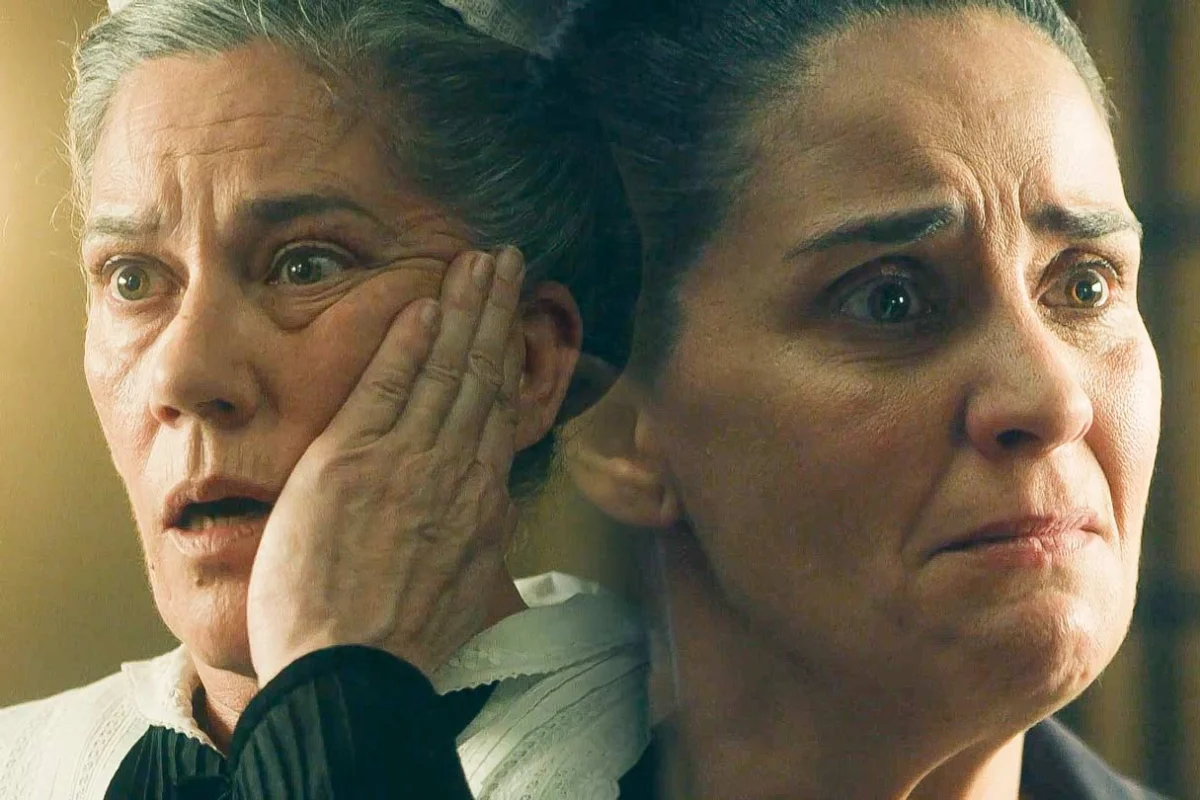
The highly anticipated reunion of the Arcos sisters, Petra and Tomasa, on the popular Spanish drama ‘La Promesa’ has unfolded not as a heartwarming family embrace, but as a volatile arena of emotional warfare. Fifteen years of separation have done little to mend the fractured bond between the two women, instead amplifying the deep-seated resentments and unspoken grievances that now define their relationship. Each interaction, as evidenced in recent episodes, becomes a charged exchange, a battlefield where old wounds are reopened with startling ferocity, revealing a chasm of misunderstanding and pain that seems insurmountable.
The latest confrontations, meticulously chronicled within the narrative of ‘La Promesa,’ paint a stark picture of two sisters who have grown apart, not just geographically, but emotionally and ideologically. The initial spark for their current animosity appears to stem from Tomasa’s immediate and unyielding criticism of Petra’s perceived idleness. Tomasa, embodying a hardened pragmatism, confronts Petra with accusations of laziness, a familiar barb from their shared past. Petra, engaged in the mundane task of washing diapers, attempts to defend herself, but her explanation is swiftly dismissed and twisted by Tomasa into a condescending jab at Petra’s perceived subservience to the household’s other maids, whom Tomasa derisively labels as "princesses."
This early exchange sets the tone for the escalating tension. Petra, attempting to de-escalate the situation and perhaps impart a lesson learned from her own experiences, calmly suggests that Tomasa might benefit from trying to make others’ lives easier. This seemingly innocuous piece of advice is met with outright hostility. Tomasa, unwilling to accept any form of tutelage from her sister, vehemently rejects Petra’s counsel, making it clear that she resents any attempt by Petra to lecture her. The dynamic is established: Petra seeks understanding and perhaps reconciliation, while Tomasa appears driven by a deep-seated need to assert dominance and perhaps inflict emotional pain.
Escalation of Accusations and Betrayal
The verbal sparring quickly morphs into more direct accusations, revealing the extent to which their past actions continue to haunt their present. Petra, mustering her courage, directly confronts Tomasa with a grave accusation: that she deliberately sabotaged Doña Leocadia’s dress. This is not a mere suspicion; it is a specific charge rooted in a perceived act of malice. The gravity of this accusation is compounded by Tomasa’s lack of any genuine denial. Instead, she admits to the act with a chilling indifference, even a degree of contempt, further fueling the flames of Petra’s distress. Her dismissive response, "You have no proof. What are you going to do besides cry?" underscores a profound lack of remorse and a disturbing enjoyment in causing Petra pain.
This admission marks a critical turning point in the sisters’ interaction. Petra, visibly shaken and bewildered by the depth of her sister’s malice, utters a statement that encapsulates her profound disconnect from the woman she once knew: "I don’t recognize you, Tomasa." This expression of shock and disappointment, however, is met with an even more devastating retort from Tomasa, a verbal onslaught that systematically dismantles Petra’s character and self-worth.

A Sibling’s Scathing Indictment
Tomasa’s response is not merely an emotional outburst; it is a calculated and brutal dissection of Petra’s perceived weaknesses. "Nor I you, Petra," she begins, immediately mirroring Petra’s sentiment of unfamiliarity but twisting it into a weapon. "You seem pathetic defending a maid, always lowering your head. It embarrasses me to see what you’ve become. Always letting yourself be trampled. You’re nothing but everyone’s laughingstock." This torrent of criticism is relentless, painting Petra as a figure of pity and contempt, stripped of any agency or strength. The harsh words reveal a deep-seated judgment and a desire to wound Petra at her most vulnerable points.
Tomasa does not stop at a character assassination; she delves into the past, dredging up painful memories and contrasting them with Petra’s present demeanor. She recalls a "cold and hard" Petra, a woman who purportedly advocated for ruthless ambition and the necessity of stepping on others to achieve one’s goals. This recollection is not presented as a fond memory, but as a bitter indictment of Petra’s perceived betrayal of her own supposed principles. "The one who supposedly taught me to be strong," Tomasa venomously adds, implying that Petra’s current "weakness" is a personal affront to their shared history and her own formative experiences.
Petra’s Unexpected Resilience and the Unseen Secret
The emotional barrage from Tomasa, however, elicits an unexpected response from Petra. Instead of succumbing to the onslaught, she finds a wellspring of inner strength and articulates a sharp, insightful counter-argument. "If that was my purpose, it’s clear I didn’t achieve it, Tomasa," Petra states with newfound clarity. "Because you are not a strong woman. You are just bitter. And that is not the same." This observation strikes at the heart of Tomasa’s own insecurities, exposing the root of her animosity not as a strength of character, but as a corrosive bitterness. Petra’s words resonate with a profound truth, hitting a nerve that Tomasa clearly feels.
Recognizing the impact of her words, Petra makes a desperate attempt at reconciliation. In a poignant plea, she extends an olive branch: "Why are you behaving like this? Answer me. We are sisters. Tell me, and we’ll try to fix it." This heartfelt appeal, a genuine offer of dialogue and a desire to mend the broken fabric of their relationship, is met with a wall of silence and what appears to be an unyielding refusal from Tomasa. The visual of Petra’s outstretched hand, left hanging in the air, is a powerful metaphor for the vast distance that now separates them.
The Shadow of a Fifteen-Year-Old Secret
The dramatic confrontations between Petra and Tomasa unequivocally point to a significant, unspoken secret that has festered for fifteen years, poisoning their relationship and fueling Tomasa’s deep-seated animosity. This unresolved incident from their past is the invisible specter that looms over their every interaction. While the specific details of this secret remain undisclosed within the current narrative arc, its impact is palpable. Tomasa’s profound resentment and her seemingly insatiable desire for retribution suggest a profound sense of betrayal or injustice connected to this event.
The reunion, instead of providing closure, has only intensified the pain and magnified the bitterness. Petra’s longing for reconciliation stands in stark contrast to Tomasa’s apparent pursuit of vengeance. The dynamic between them suggests that whatever transpired fifteen years ago has irrevocably altered their sisterly bond, leaving an "abyss without a bridge." The future of their relationship on ‘La Promesa’ hinges on the eventual revelation of this hidden secret and whether either sister possesses the capacity for forgiveness and genuine understanding. The ongoing narrative promises further exploration of this complex familial conflict, leaving viewers to speculate on the nature of the past trauma and its enduring consequences.

0 Comments