
The San Sebastián International Film Festival (SSIFF) has officially expanded the lineup for its upcoming 74th edition, scheduled to take place from September 18 to 26. In a significant announcement that underscores the festival’s longstanding commitment to Ibero-American cinema, organizers revealed a new batch of titles for the prestigious Official Selection and the New Directors category. Among the most anticipated additions are two major Latin American productions that will vie for the Golden Shell (Concha de Oro), the festival’s highest honor: "Mis muertos tristes" by Chilean auteur Pablo Larraín and "Glaxo" by Argentine director Benjamín Naishtat. These selections signal a robust presence for Southern Cone storytelling on the global stage, highlighting a blend of established cinematic masters and rising visionary talents.
The inclusion of these films reinforces San Sebastián’s status as a primary gateway for Latin American cinema into the European market. For decades, the festival has served as a critical platform for regional filmmakers to gain international distribution and critical acclaim. The 74th edition continues this tradition by placing high-budget co-productions alongside experimental debut features, showcasing the diversity of genres and narrative techniques currently emerging from the region.
Pablo Larraín and the Supernatural Turn in Mis muertos tristes
Chilean filmmaker Pablo Larraín returns to San Sebastián with "Mis muertos tristes," a project that represents a stylistic and thematic departure for the director known for his "Pinochet trilogy" and high-profile English-language biopics like "Jackie" and "Spencer." Based on four short stories by the acclaimed Argentine writer Mariana Enríquez—often cited as the leading voice of contemporary Latin American gothic fiction—the film is a production of the Chilean powerhouse Fabula in collaboration with Argentina’s K&S Films.
The narrative centers on Ema, portrayed by the veteran Mercedes Morán, a woman possessed of the uncanny ability to see and hear the deceased. Her solitary existence is disrupted by the arrival of her niece, Julie (Carolina Álvarez), an event that unearths long-buried family secrets and triggers a series of strange phenomena that ripple through their entire neighborhood. The cast is rounded out by Dolores Fonzi, further solidifying the film’s pedigree with some of the most respected names in South American acting.
One of the most notable aspects of "Mis muertos tristes" is its evolution from a streaming format to a cinematic epic. Originally conceived as a four-part miniseries for Netflix, the project was reconfigured into a feature film with a substantial runtime of 186 minutes. This transition highlights a growing trend where prestige television content is being elevated to "event cinema" status for major festival competitions. Despite having showcased numerous acclaimed works at San Sebastián in the past—including "No," "Neruda," and "Ema"—this marks the first time a Larraín feature will compete directly for the Golden Shell, marking a milestone in his storied relationship with the Donostia-based event.
Benjamín Naishtat Explores Historical Tension in Glaxo
Competing alongside Larraín is Benjamín Naishtat, whose latest feature, "Glaxo," arrives with high expectations following his recent successes at the festival. A co-production between Argentina’s Rei Pictures and Brazil’s RT Features, "Glaxo" is an adaptation of the celebrated novel by Hernán Ronsino. The film is set in 1957 in the town of Chivilcoy, located in the province of Buenos Aires. The plot follows the lives of four young men whose destinies are irrevocably altered by the arrival of a former police commissioner and his wife, weaving a tale of local tension, memory, and the creeping influence of institutional power.
Naishtat has assembled a high-profile ensemble cast, including pop icon and actress Lali Espósito, alongside seasoned performers Marcelo Subiotto, Esteban Bigliardi, Esteban Lamothe, Manu Fanego, and Alan Sabbagh. The director’s return to the Official Selection comes just one year after he and co-writer María Alché won the Best Screenplay award for the philosophical comedy "Puan" (2023). Furthermore, Naishtat previously secured the Silver Shell for Best Director in 2018 for "Rojo," a film that, like "Glaxo," meticulously deconstructed the social climate of mid-20th-century Argentina. His consistent presence in the competition suggests that "Glaxo" will be a formidable contender for the festival’s top prizes.
New Directors Section: A Launchpad for Emerging Talent
Beyond the main competition, the San Sebastián Film Festival also announced the first 14 titles selected for the New Directors section. This category is dedicated to the first or second features of promising filmmakers and is considered one of the most vital segments of the festival for discovering the next generation of global cinema. Two Latin American films stand out in this year’s selection: the Mexican drama "Morro" and the Chilean-French-Argentine co-production "Bloques erráticos."
These films will compete for the New Directors Award, which carries a €50,000 prize shared between the director and the Spanish distributor. Additionally, these titles are eligible for the DAMA Youth Award, voted on by a jury of students and young cinema enthusiasts, providing a dual layer of recognition for the selected filmmakers.
Rodrigo García Saiz and the Emotional Landscapes of Morro
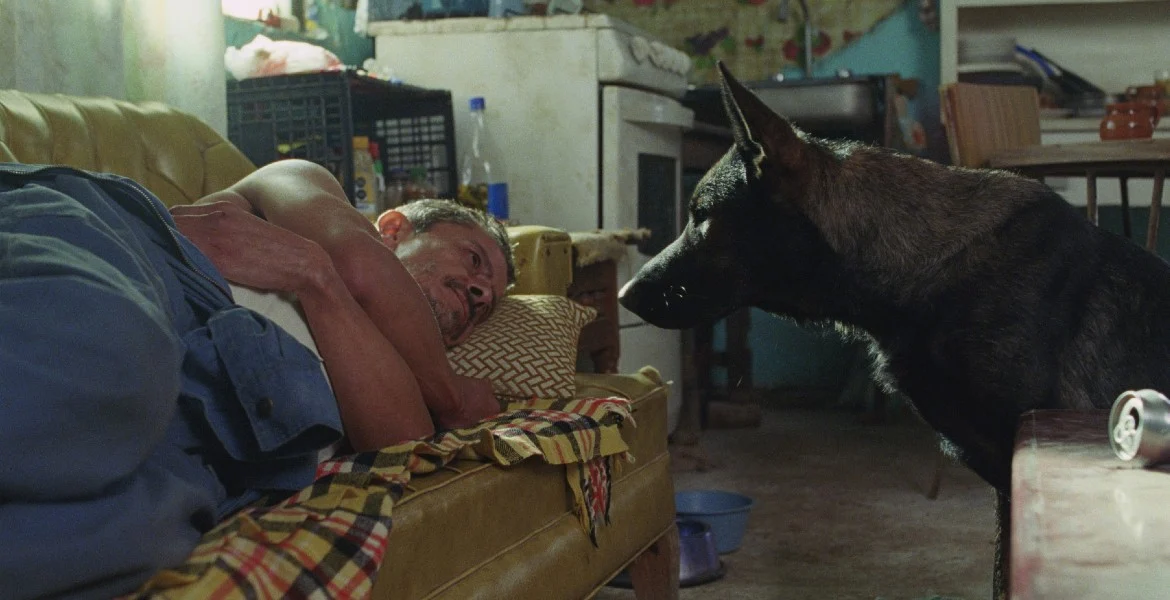
Mexican director Rodrigo García Saiz presents his second feature film, "Morro," following the success of his debut "Lluvia." Set in a small Mexican town and shot on 35mm film, "Morro" tells the story of Mateo, a veterinarian grappling with the devastating loss of his son. In the depths of his grief, Mateo finds an unexpected source of emotional solace in a wounded dog belonging to a local crime lord.
Produced by Central Films, The 42 Film, and Calouma Films, "Morro" is described as a poignant exploration of guilt, mourning, and the complex bonds between humans and animals. By choosing to shoot on 35mm, García Saiz emphasizes a tactile, cinematic texture that aligns with the film’s raw emotional themes. The project reflects a broader movement in Mexican cinema that moves away from urban centers to explore the psychological nuances of rural life amidst the country’s social complexities.
Thomas Woodroffe’s Surrealist Vision in Bloques erráticos
Making his feature-length debut is Chilean director Thomas Woodroffe with "Bloques erráticos" (Erratic Blocks). This ambitious co-production involves Chile (Bloques Erráticos), France (La Belle Affaire), and Argentina (Un Puma), and features an international cast led by French cinema icon Denis Lavant and Chilean actor Daniel Muñoz.
The film’s premise is strikingly original: it follows the ghost of a 19th-century filmmaker, Lucien Castelnau, who is released from a glacier after a century of entrapment. He finds himself wandering through a futuristic Patagonia, a landscape transformed by time and environmental change. The project has already garnered significant industry attention, having won the Eurimages New Lab Award – Outreach at the Rotterdam International Film Festival’s CineMart. With French agent MPM Premium handling international sales, "Bloques erráticos" is positioned as a high-concept arthouse title that blends historical reflection with speculative fiction.
Industry Implications and the Co-production Model
The 74th edition of San Sebastián arrives at a time of significant transition for the Latin American film industry. The prevalence of co-productions—such as the partnerships between Chile, Argentina, Brazil, and France seen in this year’s lineup—highlights the necessity of international collaboration in an era of fluctuating domestic subsidies. In particular, the Argentine film industry is currently navigating a period of uncertainty regarding state funding (INCAA), making the support of festivals like San Sebastián and the participation of international partners like RT Features and Fabula more critical than ever.
The presence of streaming giants like Netflix in the production of "Mis muertos tristes" also signals a shifting landscape where digital platforms are increasingly willing to support auteur-driven projects that eventually find a home on the traditional festival circuit. This "hybrid" model allows directors like Larraín to work with larger budgets while maintaining the artistic integrity required for competition at an "A-list" festival.
Conclusion and Future Outlook
As the September 18 opening date approaches, the 74th San Sebastián International Film Festival is shaping up to be a definitive showcase for the resilience and creativity of Latin American cinema. By balancing the return of established masters like Larraín and Naishtat with the introduction of bold new voices like García Saiz and Woodroffe, the festival continues to fulfill its role as a premier cultural bridge.
The coming weeks are expected to bring further announcements regarding the full lineup, including the remaining titles for the Official Selection and the Perlak section, which features the best films from other major festivals. For now, the spotlight remains firmly on the Southern Cone and Mexico, as these four films prepare to represent their respective nations in one of the world’s most demanding and prestigious cinematic arenas. The outcomes in Donostia will likely set the tone for these films’ international trajectories throughout the remainder of the awards season and into the next year.

0 Comments