
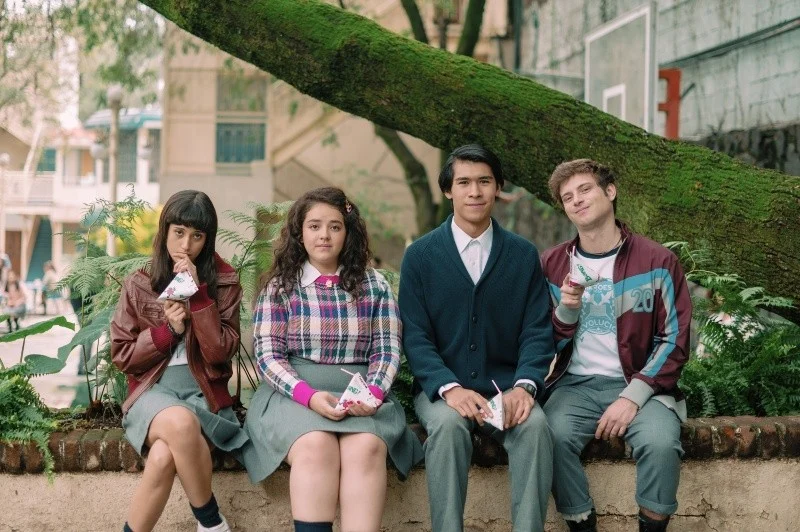
The eagerly anticipated second season of Samuel Kishi’s critically acclaimed series, "Nadie nos va a extrañar," is set to premiere on Prime Video on August 7th, 2026, promising viewers a deeper exploration into the emotional complexities of adolescence amidst the tumultuous backdrop of 1990s Mexico. Director Samuel Kishi has revealed that the series’ initial success was not a product of aggressive promotional campaigns but rather an organic, word-of-mouth phenomenon driven by an exceptionally engaged audience. This genuine connection with its viewership, Kishi notes, profoundly influenced the creative direction of the new installment, challenging the team to evolve the narrative authentically rather than simply replicating a winning formula.
The Organic Genesis of a Streaming Success
The first season of "Nadie nos va a extrañar" captivated audiences with its honest portrayal of youthful experiences, earning a devoted following that championed its storytelling. Unlike many contemporary series where renewal is often contingent on immediate viewership numbers and strategic marketing, Kishi emphasizes that the true momentum for his show came from the viewers themselves. This grassroots enthusiasm transformed the series into a benchmark for organic growth on streaming platforms, demonstrating the power of authentic storytelling in cutting through the noise of an oversaturated content market. For Prime Video, the series represents a significant triumph in its strategy to invest in high-quality, regionally produced content that resonates globally, tapping into universal themes through a distinct cultural lens. The success underscored a growing demand for narratives that prioritize emotional depth and relatable character development over conventional plot devices, positioning "Nadie nos va a extrañar" as a valuable asset in the competitive streaming landscape.
Navigating the Nineties: A Deeper Dive into Mexico’s Past
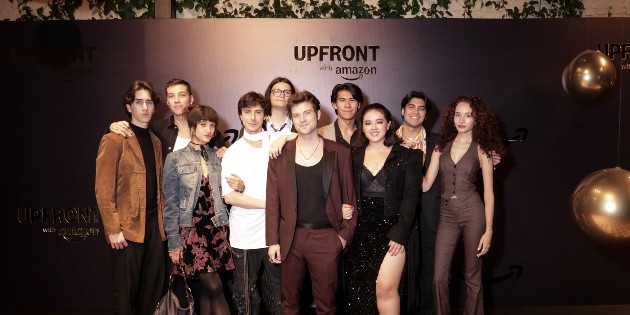
The second season faces the unique challenge of expanding a beloved narrative without succumbing to the pressure of pre-defined expectations. Instead of merely prolonging the story for the sake of audience retention, Kishi, alongside screenwriters Adriana Pelusi and Gibrán Portela, aimed to address the lingering questions and unresolved emotional arcs left by the first season. Their primary objective was to maintain the narrative honesty that forged such a strong bond with the audience, while simultaneously propelling their protagonists from the cusp of adolescence into the fraught territory of young adulthood in a Mexico grappling with profound crises, collective losses, and pervasive uncertainty during the 1990s.
The decision to anchor the series firmly in the 1990s serves as more than just a nostalgic backdrop; it transforms the era into a dynamic character within the story. The 1990s in Mexico were a period of immense social and economic upheaval, most notably marked by the "Crisis del Tequila" in 1994-1995, a severe economic recession triggered by a sudden devaluation of the peso. This era witnessed widespread financial instability, rising unemployment, and a general sense of disillusionment following earlier promises of modernization and prosperity under NAFTA. Politically, it was a time of transition, with the long-dominant Institutional Revolutionary Party (PRI) facing increasing scrutiny and the beginnings of a more pluralistic political landscape. Culturally, it was a bridge between the analog past and the digital future, a world before pervasive internet and smartphones, where social interactions, communication, and the very fabric of daily life differed significantly from today. The series leverages this historical context to explore what it truly means to mature when the certainties of youth begin to crumble under the weight of external pressures and personal tragedies.
The Creative Vision: Samuel Kishi on Honesty and Emotion
In an interview, Kishi expressed a mix of excitement and apprehension regarding the second season’s launch, tempered by immense gratitude for the unwavering loyalty of the series’ fanbase. "I feel very happy with the premiere of the second season, with nerves, with uncertainty, but also very grateful for how the series has connected with a very loyal audience," Kishi stated. He noted the overwhelmingly positive feedback received from the trailer and poster releases, which quickly dispelled any initial doubts about the necessity of a continuation.
Kishi attributes the resounding success of the first season to its foundation in genuine storytelling rather than calculated adherence to fleeting trends. He described the series as connecting with the public "in a very organic way," emphasizing the "honesty of its making, the performances, the chemistry of the young actors, and how different generations have seen themselves reflected in the story." He characterized it as a universal "coming-of-age" narrative, a genre that consistently resonates because it tackles the timeless journey of self-discovery, identity formation, and navigating the transition from childhood to adulthood.
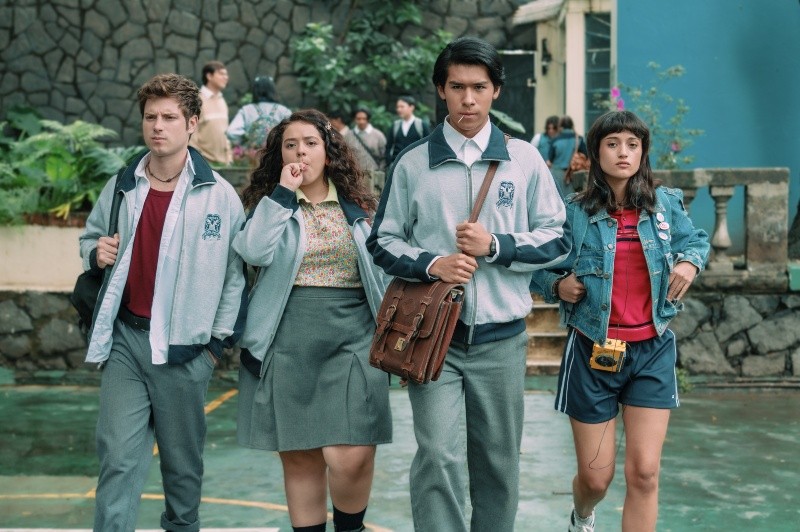
Despite the heightened expectations following the first season’s impactful conclusion, Kishi affirmed that the creative team deliberately avoided allowing external pressure to dictate their process. "We never started from the place of fulfilling expectations or nervousness. We started from telling this story with a lot of love and a lot of honesty," he explained. This philosophy, he believes, is crucial: "If one makes a series expecting all the applause and all the approvals, one starts from the wrong place. The nature of this series has always been to tell things with honesty." During filming, the primary compass was internal emotional resonance. "Every time we did a sequence, we asked ourselves if we were feeling something, if we cared about what was happening. We were the first spectators. If we got emotional, we knew we were on the right track," Kishi elaborated, highlighting a deeply intuitive and character-driven approach to filmmaking.
Crafting the Narrative: Insights from Screenwriters Adriana Pelusi and Gibrán Portela
While Samuel Kishi’s directorial compass was honesty, screenwriters Adriana Pelusi and Gibrán Portela shared that the same principle guided the writing of the new episodes. Instead of altering the series’ essence in response to the first season’s warm reception, they chose to accompany their characters through a new, distinct phase of their lives. Pelusi explained, "We had an idea from when we started writing the first season about what things we wanted to happen if there was a second. Even knowing how the first season ended, we had a clear direction of where we would take it." She acknowledged that audience reactions, actor performances, and the collaborative work with Kishi did refine certain plans, but the overarching narrative path was established early on.
For Pelusi and Portela, maintaining a close connection to recognizable experiences was paramount. This season, the characters confront the dilemmas and decisions that emerge as adolescence gives way to adulthood. Portela noted the advantage of writing with the established actors and characters in mind: "It was also very beautiful to write now with the actors and characters present, because now we know how they breathe and how they react." He stressed their commitment to avoiding stereotypes and portraying emotions that feel authentic to the audience. "We want to explore those doubts, those decisions that at that moment seem definitive for life. We remain faithful to what the first season was and to the stories we know, because we believe that from the closest, one can connect with many people."
Pelusi also highlighted the unusually collaborative creative dialogue between the writing team and the director—a dynamic she finds rare in the industry. "Normally, screenwriters finish writing and disappear from the process. Here we could talk with Samuel about how he imagined the scenes, what we wanted, and how he was building that universe. It’s rare to have these conversations from a place where ego doesn’t weigh, but rather the intention of doing something that everyone is happy with." She added that the second season expands the visual and narrative universe established in the first, attributing much of this growth to Kishi’s vision and the collective belief in the project on set.
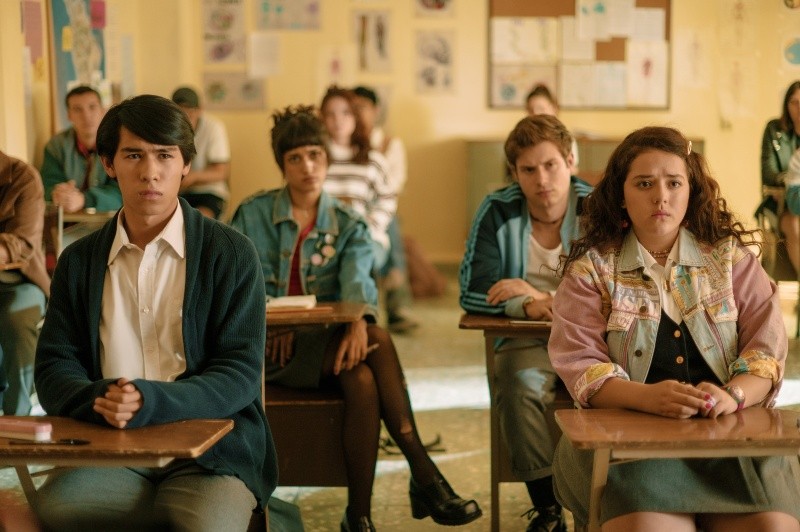
The choice to retain the 1990s setting was also deliberate, rooted in the writers’ personal familiarity with the era. Portela explained, "It’s an era we know. There were no cell phones, and that made many situations happen differently: going out to look for someone, knocking on a door, waiting for a call, or traversing the city to find answers. That way of living feels close to us, and from there we can write with more truth." This personal perspective, he concluded, ultimately becomes a bridge to the audience: "Talking about current youth would be more distant for us. We prefer to start from what we lived, because we believe that the more intimate a story is, the more possibilities it has of becoming universal."
Themes of Growth, Loss, and Mental Health
The new season explicitly integrates the broader societal context of 1990s Mexico with greater intensity, making the era’s economic crises and social transformations an integral part of the characters’ personal journeys. Kishi previewed this shift, stating, "We dared to show a Mexico of the nineties going through economic crises and different social changes. That context practically becomes another character within the story." This integration moves beyond mere aesthetic nostalgia, using the period to highlight the unique pressures and uncertainties faced by young people coming of age during a period of national instability.
Furthermore, the series delves deeper into the emotional fallout from the first season’s poignant conclusion. Kishi acknowledged that mental health was a rarely discussed topic in the 90s, often dismissed with phrases like "échale ganas" (tough it out). "Many times you couldn’t even express that you were sad or depressed," he recalled. The series aims to portray how these young characters navigate profound grief and emotional distress, finding solace and support networks without the widespread information and resources available today. It questions how individuals cope with loss, confront future anxieties, and transition into adulthood. "What do we do when something as painful as losing a friend happens? What do we do with the fear of the future? They find answers in friendship and in the care networks they build among themselves," Kishi reflected, underscoring the vital role of interpersonal connections in times of adversity.
While not autobiographical, Kishi admitted that directing the series involved a profound reconnection with his own adolescence. Recalling details like "la ley del poste" (a childhood game), tazos (collectible chips), playground games, and listening to music while staring at the ceiling, he found ample narrative playground. He even identified personal experiences that subtly influenced creative choices, such as a damp stain on a ceiling in the first season serving as a metaphor for depression—an image he encountered during a difficult period in his own life. "All projects, even when they come by commission, I have to take them to a personal level. If I don’t leave part of my DNA, I cannot move," he asserted, emphasizing the deeply personal nature of his craft.
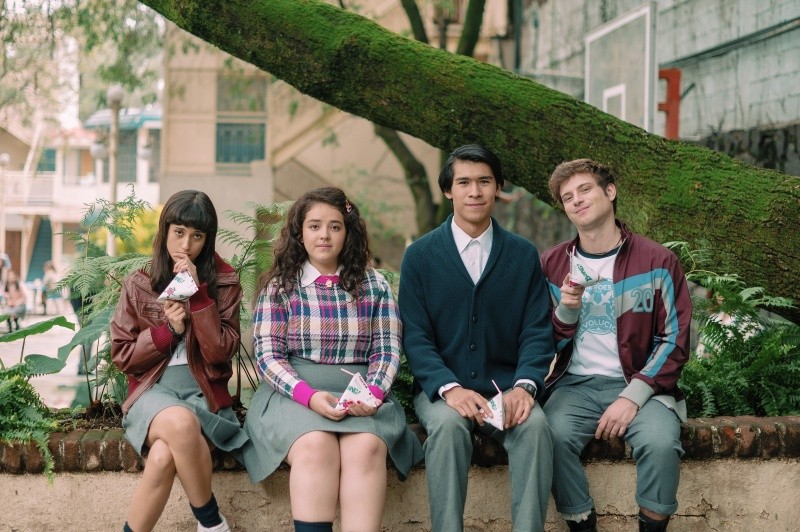
Kishi’s approach to directing actors, particularly the young cast, also stems from this philosophy of authenticity and trust. He stressed that his methodology remains consistent across all age groups, prioritizing finding "talented, but also generous people" during casting. "Acting consists of constantly giving and receiving; that’s why it’s fundamental that there is that disposition among colleagues," he explained. He commended the youthful cast for their energy, willingness to learn, and generosity on set, qualities he believes translated directly into their compelling performances.
The second season picks up immediately after the events of the previous finale, depicting the protagonists in their final year of high school. Kishi clarified that while the possibility of continuation was considered during the initial development, the first season was also crafted to stand alone. The objective for the new installment was to ensure an organic progression rather than a forced extension. "We worried about it being an organic continuation. The second season is born from the questions left by the first and from the consequences the characters experience as they grow. We didn’t want to invent a continuation; we wanted to continue telling the same story," he concluded, setting a clear intention for a narrative that feels both earned and essential.
A Broader Impact: Mexican Content on the Global Stage
"Nadie nos va a extrañar" exemplifies the growing prominence of Mexican and Latin American content on global streaming platforms. Prime Video, like its competitors, has significantly invested in local productions, recognizing the universal appeal of culturally specific narratives when told with authenticity and depth. The series not only showcases the immense talent within Mexico’s film and television industry—from directors and writers to actors and crew—but also contributes to a richer, more diverse global content library. Its success can inspire further investment in regional storytelling, providing opportunities for emerging voices and unique perspectives to reach international audiences. This strategic shift by streaming giants is not merely about market penetration but about fostering a global dialogue through shared human experiences, regardless of geographical or cultural origin. The series’ exploration of the 90s also serves as a valuable historical and cultural document, offering both those who lived through the era and younger generations a nuanced perspective on a pivotal decade in Mexico’s recent past. As the series prepares for its second season, it stands as a testament to the power of sincere storytelling to resonate deeply and universally, cementing its place as a significant contribution to contemporary television.

0 Comments