
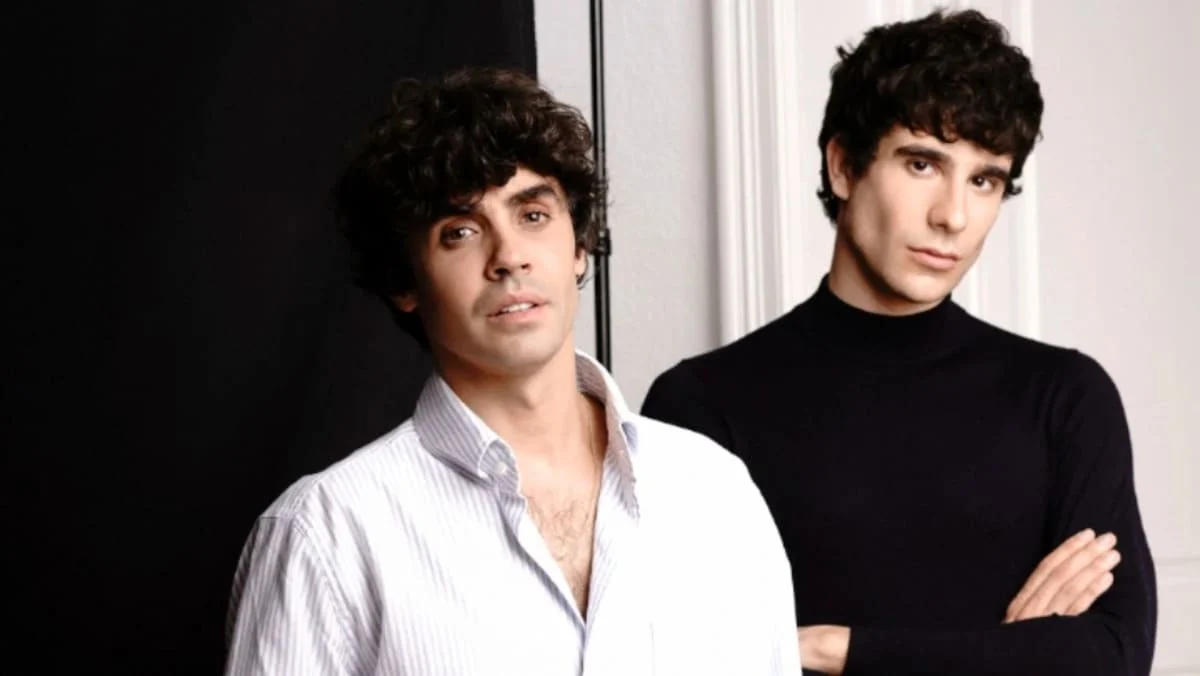
A proposed seven-episode series detailing the tumultuous life of the iconic Spanish socialite Carmina Ordóñez, penned by her son Julián Contreras Jr., has been brought to light, revealing ambitious creative choices and significant hurdles that ultimately led to its shelving. The project, which had garnered initial interest from the prominent production company of Javier Calvo and Javier Ambrossi, known collectively as "Los Javis," ultimately failed to materialize, leaving its intricate narrative confined to script pages. Recent revelations on the Antena 3 program "Y ahora Sonsoles" have peeled back the layers of this unproduced work, offering a glimpse into Contreras Jr.’s dramatic vision for his mother’s story and the complex dynamics that shaped it.
The script, according to information shared by the program, aimed to meticulously reconstruct various pivotal stages of Carmina Ordóñez’s life, giving considerable weight to the individuals who profoundly influenced her personal journey. A particularly striking element of the narrative, as unveiled by the show, was the positioning of Spanish singer Isabel Pantoja as the primary antagonist. This portrayal was reportedly rooted in the intricate and often contentious relationship between Ordóñez and Pantoja, further exacerbated by the familial discord surrounding the inheritance of the bullfighter Francisco Rivera "Paquirri," Ordóñez’s former husband and the father of her eldest sons, Francisco and Cayetano Rivera.
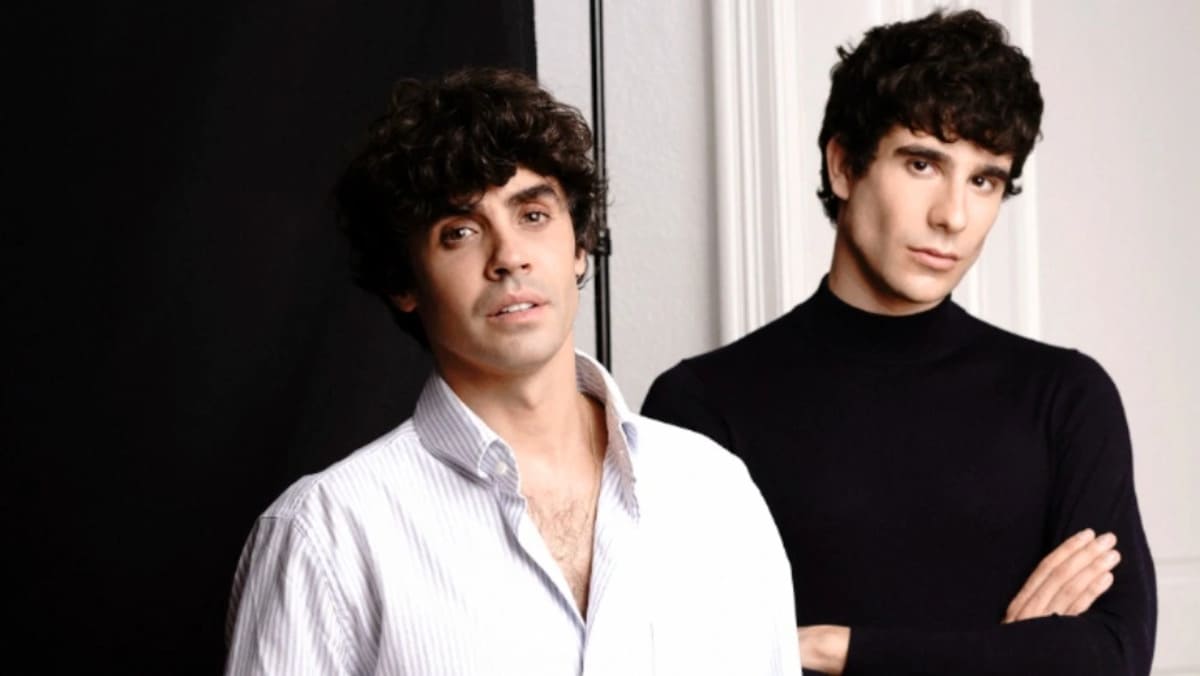
The journey of this ambitious project began with its presentation to Los Javis’ production company, Suma Content, a firm renowned for its success in adapting complex personal narratives into compelling television dramas, such as "Paquita Salas" and "Veneno." Their interest signaled a potential for a high-quality production that could bring Ordóñez’s captivating, albeit often tragic, life story to a wider audience. However, the negotiations, fraught with challenges, eventually broke down, leading to the project’s indefinite postponement.
According to journalist Nacho Gay, who reported on "Y ahora Sonsoles," a significant impediment to the series’ progression was the financial demands put forth by Julián Contreras Jr. The scriptwriter reportedly sought compensation not only for his creative labor as a screenwriter but also for the inherent rights associated with leveraging his mother’s celebrated and often scrutinized public persona. This dual financial expectation presented a substantial hurdle for potential producers navigating the complex landscape of intellectual property and talent compensation.
Beyond the financial considerations, Contreras Jr. is reported to have maintained an unyielding stance regarding the integrity of his script. The program indicated that he refused any modifications to the original text, stating a strict adherence to "not a single sentence" being altered. Such a rigid requirement, while demonstrating a deep personal connection to the narrative, is often incompatible with the collaborative and iterative nature of television production. The development process typically involves extensive script doctoring, rewrites, and adjustments to align with budgetary constraints, directorial visions, and the evolving demands of network executives and audience engagement strategies. This inflexibility likely proved to be a significant roadblock in reaching a mutually agreeable production framework.
Isabel Pantoja: The Script’s Central Antagonist
The script’s depiction of Isabel Pantoja as the principal antagonist is arguably one of the most provocative aspects of Julián Contreras Jr.’s envisioned series. The narrative reportedly frames her role through the lens of her complex relationship with Carmina Ordóñez, a relationship that was frequently characterized by public rivalry and personal animosity. Furthermore, the script allegedly delves into the bitter familial disputes that erupted in the wake of Paquirri’s death, particularly concerning the division of his estate and the ensuing public spectacle.
It is crucial to note, as "Y ahora Sonsoles" emphasized, that this characterization of Pantoja as the narrative’s villain is presented as Julián Contreras Jr.’s specific perspective and artistic interpretation within his script. This is not presented as an objective historical reconstruction but rather as a dramatic framework designed to amplify the narrative tension and emotional arc of his mother’s story. The script’s purpose, in this regard, is to serve as a compelling fictional account, utilizing conflict and defined roles to engage viewers.
The script reportedly included a particularly vivid and symbolically charged scene: a dramatic confrontation set within a bullring. This imagined encounter would have featured Carmina Ordóñez, Isabel Pantoja, singer Lolita Flores (daughter of Lola Flores, a contemporary and sometimes rival of Ordóñez), and Paquirri himself. The visual composition of this scene was described as highly impactful, with both Ordóñez and Pantoja depicted in traditional "folclórica" attire, evoking a powerful sense of Spanish cultural heritage and heightened dramatic stakes. Such a scene would have aimed to encapsulate the intense rivalries and emotional turmoil that defined this era of Spanish celebrity culture.
The Understated Presence of Fran and Cayetano Rivera
In stark contrast to the prominent role assigned to Isabel Pantoja, the script reportedly relegated Carmina Ordóñez’s elder sons, Fran Rivera and Cayetano Rivera, to a more peripheral status. According to the disclosed details, their presence in the narrative would have been largely testimonial, characterized by occasional mentions rather than central plot involvement. This creative choice suggests that Julián Contreras Jr. intended to focus the narrative primarily through his own viewpoint and the intimate relationships that were most formative to his mother’s life.
The script’s narrative focus appears to have been meticulously curated to center on Julián Contreras Jr.’s personal experience and the relationships that most intimately surrounded his mother during the most significant periods of her life. This would imply a deeply personal and subjective approach to storytelling, emphasizing the emotional core of Ordóñez’s journey as experienced and interpreted by her younger son.
One particular scene described in the script would have depicted Carmina Ordóñez entering a bar populated by several key figures in her life. This gathering would have included her sister Belén Ordóñez, Lolita Flores, socialite Charo Vega, Julián Contreras Sr. (Carmina’s husband and Julián Jr.’s father), and notably, Julián Contreras Jr. himself, who would have been portrayed as a bartender within the fictional setting. This scene appears designed to encapsulate a specific social milieu and the intricate web of relationships that formed Carmina’s personal world, offering a more intimate and perhaps nostalgic portrayal of her connections.
Color as a Narrative Device: Charting Carmina’s Life Stages
The script’s creative vision extended to the meticulous use of visual language, with color playing a significant role in demarcating the different emotional phases of Carmina Ordóñez’s life. The proposal reportedly envisioned a deliberate chromatic palette to underscore her experiences. During periods of happiness and triumph, Carmina would have been depicted in vibrant, saturated colors, symbolizing her vivacity and zest for life. Conversely, moments of profound sadness and hardship would have been visually represented through the dominance of black, reflecting the somberness of her emotional state.
Furthermore, the script proposed a striking transition to black and white cinematography during the depiction of the most challenging chapters of her life. This stylistic choice would have served as a powerful visual cue, allowing for a clear differentiation between the protagonist’s emotional states and amplifying the dramatic impact of the series. By employing such a distinct visual language, Contreras Jr. aimed to create a more immersive and emotionally resonant viewing experience, using color as a fundamental storytelling element.
As of the latest reports, the project remains in its unproduced state. While the initial interest from Los Javis’ production company did not culminate in a formal agreement, the detailed revelations about its potential scenes, character portrayals, and creative decisions offer valuable insight into Julián Contreras Jr.’s comprehensive vision for a television series centered on the unforgettable Carmina Ordóñez. The script stands as a testament to the enduring fascination with Ordóñez’s life and the complex tapestry of relationships and events that defined her public and private existence. The unproduced series, though shelved, provides a compelling case study in the challenges of bringing deeply personal and potentially contentious narratives to the screen.
The unfulfilled potential of this series raises broader questions about the intersection of personal history, creative ambition, and the commercial realities of the entertainment industry. The detailed script, with its dramatic characterizations and stylistic intentions, underscores the artistic possibilities that can emerge from such personal projects. However, it also highlights the significant obstacles, including financial negotiations and creative control, that must be navigated for such ambitious endeavors to reach fruition. The story of Julián Contreras Jr.’s Carmina Ordóñez series serves as a reminder that even compelling narratives and esteemed production interest do not always guarantee a path to the screen.

0 Comments