
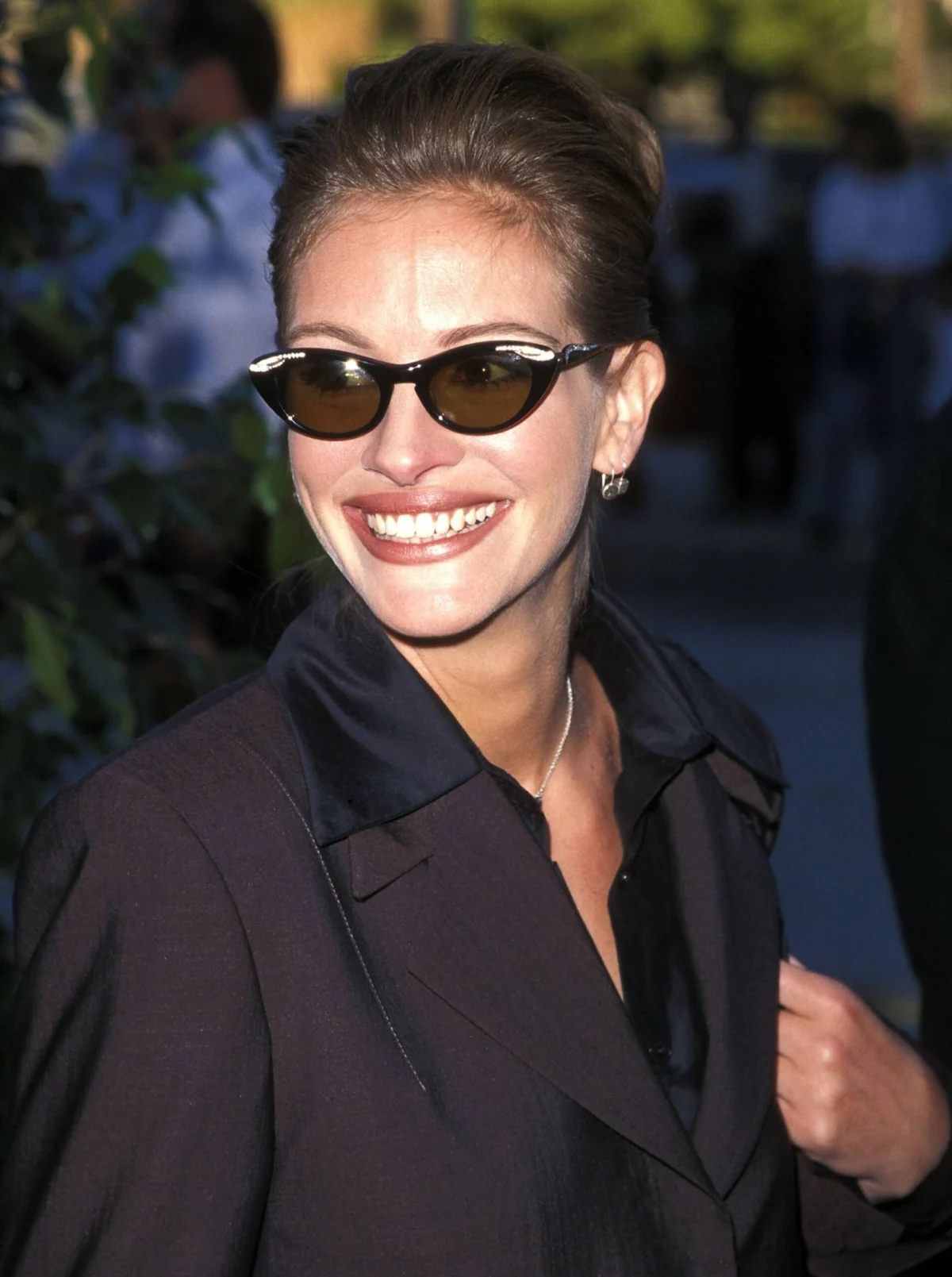
The global fashion industry has officially designated the 1990s aesthetic as the primary architectural framework for the Spring-Summer 2026 accessory market, with sunglasses emerging as the central focal point of this revival. Industry analysts and creative directors from leading luxury houses have observed a decisive shift in consumer behavior, where eyewear is no longer categorized merely as a seasonal utility for sun protection but as a permanent, year-round staple of personal branding. This transition is characterized by the integration of high-performance optics with archival silhouettes, effectively bridging the gap between vintage nostalgia and futuristic minimalism. As the Spring-Summer 2026 collections debut across major fashion capitals, the dominance of narrow ovals, oversized aviators, and technical wraparound frames confirms that the industry is leaning heavily into the "rockstar" persona—a trend that prioritizes bold, identity-defining accessories that transition seamlessly from daylight hours to evening social engagements.

Historical Chronology of the 1990s Eyewear Revival
The resurgence of 1990s eyewear did not occur in isolation but followed a meticulously documented trajectory over the last decade. Following the "maximalist" era of the early 2010s, which favored large, logo-heavy frames, the mid-2020s saw a gradual contraction in frame dimensions. By 2024, "micro-frames" popularized by independent designers began to penetrate the mainstream, setting the stage for the more refined, structurally balanced silhouettes of 2026.

The 1990s were originally defined by a rejection of the 1980s’ opulence, favoring instead the "heroin chic" and "grunge" aesthetics that demanded slimmer, more industrial-looking eyewear. Icons of that era, ranging from cinematic characters in The Matrix to pop-culture luminaries, established a blueprint for the narrow, dark lenses that have now been reimagined for the SS26 season. The current iteration, however, incorporates advanced materials such as lightweight bio-acetates and polarized gradient lenses, providing a level of comfort and optical clarity that was technologically unavailable thirty years ago. This chronological evolution reflects a broader industry pattern where trends undergo a 30-year cycle, returning to the forefront just as a new generation of consumers seeks to redefine archival styles through a contemporary lens.

Market Data and Consumer Behavior Analysis
Data from global retail intelligence firms indicate that the premium eyewear sector is projected to maintain a compound annual growth rate (CAGR) of 5.6% through 2028, with the "archival-inspired" segment outperforming traditional classic designs. In the first quarter of the 2026 fiscal year, search queries for "90s narrow sunglasses" and "wraparound shield lenses" saw a 45% increase compared to the previous year. This surge is largely attributed to the "accessory effect," an economic phenomenon where consumers invest in high-visibility luxury accessories as a more accessible entry point into prestige brands compared to ready-to-wear couture.

Furthermore, demographic analysis reveals that Gen Z and Millennial consumers are the primary drivers of the SS26 eyewear trends. These cohorts exhibit a strong preference for "trans-seasonal" items—accessories that can be worn regardless of the weather or time of day. The trend of wearing sunglasses at night, once reserved for high-profile celebrities attempting to maintain a "low-key" profile, has become a mainstream stylistic choice. Retailers have responded by increasing the production of "Category 1" and "Category 2" lenses—lightly tinted or translucent options that allow for visibility in low-light environments while still providing the aesthetic benefits of the frame.
.jpg)
Categorization of Dominant SS26 Silhouettes
The Spring-Summer 2026 season is defined by five distinct silhouettes, each serving a specific niche within the luxury market. These styles have been adopted by major houses including Saint Laurent, Gucci, Balenciaga, and Miu Miu, signaling a unified industry direction.

Narrow Oval Frames
The narrow oval frame remains the most direct homage to 1990s minimalism. Characterized by slim vertical profiles and elongated horizontal axes, these frames are designed to sit slightly lower on the bridge of the nose. Major designers have utilized amber and tortoiseshell acetates for daytime wear, while jet-black polished resins are preferred for evening looks. The narrow oval is positioned as a "clean girl" or "quiet luxury" accessory, providing a sophisticated break from basic attire without overwhelming the wearer’s facial features.

Oversized Aviators
Departing from the traditional wire-rimmed military style, the SS26 aviator features thick acetate borders and exaggerated proportions. This silhouette combines the glamour of the 1970s with the industrial grit of the 1990s. Brands like Tom Ford have emphasized this style as a "statement piece" that functions as the primary focus of an outfit. Market reports suggest that oversized aviators are particularly popular in the "luxe-commuter" segment, where they are paired with relaxed tailoring and oversized blazers.

Wraparound and Shield Designs
The wraparound frame, once associated exclusively with high-performance sports, has been recontextualized as a high-fashion "rockstar" accessory. These designs, championed by houses such as Balenciaga, often feature single-piece shield lenses and futuristic, rimless constructions. The "wraparound" aesthetic taps into the "cybercore" and "techno-orientalism" movements that have gained traction in urban fashion hubs. These frames are noted for their ability to create an immediate sense of anonymity and power.

Rectangular Cat-Eye Hybrid
The rectangular cat-eye represents a structural compromise between two classic shapes. By sharpening the corners of a standard rectangle and adding a slight upward tilt, designers have created a frame that offers a lifting effect to the face. This silhouette is frequently seen in collections from Cartier and other heritage brands, often embellished with subtle metallic hardware. It is marketed as a versatile "bridge" piece that suits a wide variety of face shapes.

Translucent and Tinted Lenses
A significant technical trend for SS26 is the rise of the translucent lens. Moving away from the opaque "blackout" lenses of previous seasons, these frames feature pale blues, soft grays, and sunset yellows. This allows the wearer’s eyes to remain visible, facilitating social interaction while maintaining the stylistic edge of eyewear. This trend is particularly relevant for the "indoor eyewear" movement, where sunglasses are worn as a permanent part of an ensemble in galleries, restaurants, and clubs.

Industry Responses and Production Standards
Leading figures in the eyewear industry have commented on the necessity of balancing aesthetic revival with modern sustainability and health standards. "The challenge for SS26 was to take a silhouette that was originally quite disposable and turn it into a piece of heirloom quality," stated a lead designer for a major Italian eyewear conglomerate. This has led to the widespread adoption of "high-definition" (HD) lenses and blue-light filtering technology across 90s-inspired collections.

From a manufacturing perspective, the industry is seeing a shift toward "circular fashion." Several luxury brands have announced that their SS26 eyewear lines are produced using up to 60% recycled acetate or bio-based polymers derived from renewable sources. This move is a direct response to increasing regulatory pressure and consumer demand for environmentally responsible luxury goods. The integration of these materials has not compromised the "vintage" feel of the frames; rather, it has improved their durability and reduced their carbon footprint.

Broader Implications and Global Fashion Impact
The dominance of 1990s eyewear in the SS26 season has broader implications for the global fashion landscape. It signals a continued move toward "personality-driven" styling, where the individual uses accessories to signal subcultural affiliations. The "rockstar" energy cited by fashion critics is an indication of a post-pandemic desire for visibility and theatricality in everyday life.

Furthermore, the success of these eyewear trends is influencing other sectors, including beauty and hair styling. The narrow silhouettes of SS26 frames are driving a resurgence in sleek, "wet-look" hair and minimalist makeup, as these styles do not compete with the geometry of the glasses. In the retail sector, the high sell-through rates of these specific frames are prompting department stores to expand their eyewear floor space, treating the category with the same level of importance as handbags or footwear.

As the industry looks toward the latter half of the decade, the Spring-Summer 2026 season will likely be remembered as the moment when the 1990s revival reached its peak of sophistication. By blending the raw energy of the past with the technological and ethical standards of the present, the fashion world has ensured that these iconic silhouettes remain relevant for a new era of global consumers. The sunglasses of SS26 are more than just a seasonal trend; they are a testament to the enduring power of archival design and the constant evolution of personal style in a digitally-driven world.

0 Comments