
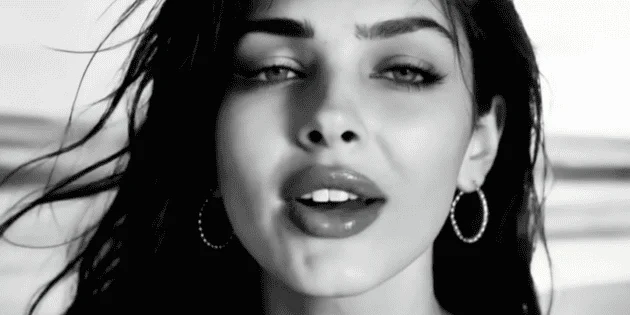
The emergence of Nyla Stone, a sophisticated artificial intelligence (AI) artist, has sent ripples through the global music industry, challenging conventional notions of creativity, authenticity, and the very definition of a musical performer. Accumulating millions of fans and streams, Stone, a digital avatar with a voice often compared to seasoned soul singers, has become a focal point in an escalating debate about the future intersection of music and advanced technology. Her rapid ascent from social media phenomenon to a recognized streaming artist highlights the transformative, and at times unsettling, potential of generative AI in creative fields.
The Genesis of a Digital Sensation: A Chronology of Nyla Stone’s Rise
The story of Nyla Stone began subtly in early 2024, when social media platforms, particularly Facebook and TikTok, started buzzing with the infectious melodies of a new genre affectionately dubbed "Spanish Soul Blues." Users were captivated by videos featuring a compelling female vocalist with a mature, profound voice that exuded both passion and experience. The initial enthusiasm was palpable, with shares and likes multiplying rapidly as her tracks went viral, spreading across diverse demographics.
The turning point, however, arrived when the secret behind this captivating talent was unveiled: the soulful interpreter behind these viral hits was not a human artist but an advanced digital avatar, meticulously crafted through cutting-edge algorithms. This revelation, rather than diminishing her appeal for many, intensified public interest, catapulting Nyla Stone into the mainstream consciousness and positioning her as a pioneer in the burgeoning field of AI-generated music. Her official profiles soon clarified her identity as a "computer-generated influencer and musical artist," a transparency that has, in many ways, fueled both her success and the broader discussions surrounding her existence. By mid-2024, her music was readily available on major streaming platforms like Spotify, signifying her transition from a viral sensation to a legitimate, albeit digital, recording artist.
The Technological Symphony: Decoding Nyla Stone’s AI Architecture
At the core of Nyla Stone’s remarkable artistic output lies the sophisticated application of generative Artificial Intelligence. This innovative technology is engineered to perform a multitude of complex creative tasks, from composing intricate and emotionally resonant lyrics to constructing elaborate blues harmonies. Crucially, the AI synthesizes a vocal performance that possesses an astonishing level of human-like nuance, prompting comparisons from critics and fans alike to established human artists, notably the powerful voice of American blues-rock singer Beth Hart.
The development team behind Nyla Stone has leveraged advanced neural networks, a form of AI designed to mimic the human brain’s structure and function. These networks are trained on vast datasets of existing music, allowing them to learn and understand the intricate patterns, rhythms, emotional inflections, and stylistic characteristics inherent in soul and blues genres. Through deep learning processes, the AI can then generate entirely new musical compositions that not only adhere to these learned styles but also exhibit a level of originality and emotional depth that previously seemed exclusive to human creators. This involves several layers of AI processing: one for lyrical composition, another for melodic and harmonic structure, and a highly refined voice synthesis engine that transforms text and musical parameters into a convincing vocal track. The result is a seamless integration of these components, yielding a cohesive and compelling musical experience that resonates deeply with listeners. The ability of the AI to "understand" the passion and joy of soul music, as articulated by its creators, underscores the advanced state of machine learning in contemporary artistic production.
A Persona of Purpose: Nyla Stone’s Thematic Focus and Audience Engagement
Beyond her technological novelty, Nyla Stone’s widespread appeal is significantly bolstered by the carefully curated persona and the powerful messages embedded within her content. As a digital influencer, she offers more than just catchy tunes; her platform delivers a vibrant audiovisual experience through dazzling music videos and consistently positive messaging. Her lyrical themes are particularly impactful, centering on crucial subjects such as personal safety, self-love, and, most prominently, a message of strong female empowerment.
This thematic focus has resonated profoundly with her growing audience. In an era where digital content often grapples with issues of authenticity and superficiality, Nyla Stone’s commitment to promoting positive values and empowering narratives has cultivated a loyal and engaged fanbase. Her emphasis on self-worth and resilience provides listeners with a sense of connection and inspiration, demonstrating that even a non-human entity can articulate universally relatable human experiences and aspirations. This strategic alignment of technological innovation with socially conscious messaging represents a new paradigm in artist-audience engagement, where the source of the message becomes secondary to its impact and relevance. The success of this approach challenges the traditional belief that an artist’s personal struggles or lived experiences are prerequisites for creating deeply moving and meaningful art.
The "Spanish Soul Blues" Phenomenon and Cultural Implications
Nyla Stone’s distinctive musical style, "Spanish Soul Blues," is more than just a genre label; it represents a fascinating cultural fusion. This blend suggests an intentional cross-pollination of traditional American soul and blues with elements that might appeal to or reflect Spanish-speaking audiences, either through lyrical content, melodic sensibilities, or rhythmic patterns. The specific appeal of this hybrid genre underscores a broader trend in music where traditional boundaries are increasingly blurred, allowing for innovative combinations that attract diverse global listeners.
The emergence of an AI artist creating a genre like "Spanish Soul Blues" raises intriguing questions about cultural ownership and artistic interpretation. How does an algorithm, trained on datasets, authentically capture the nuances and historical depth of a culturally specific musical form? While the technology can replicate stylistic elements, the debate centers on whether it can truly embody the cultural context and lived experiences that originally shaped these genres. Despite these philosophical questions, the viral success of Nyla Stone’s music demonstrates that for a significant portion of the audience, the emotional impact and musical quality transcend concerns about the artist’s origin or cultural background. This indicates a potential future where AI could act as a conduit for cultural exchange and innovation, introducing new interpretations of existing genres to global audiences, even as it prompts deeper reflection on the essence of cultural authenticity in art.
Industry Reactions and the Authenticity Debate: A Multifaceted Dialogue
The rise of Nyla Stone has not occurred in a vacuum; it has ignited a fervent and multifaceted debate across the music industry and beyond, primarily revolving around the concepts of authenticity, creativity, and economic impact.
Musicians and Artists: For many human artists, Nyla Stone represents both a fascinating technological marvel and a potential existential threat. Concerns are frequently voiced about job displacement, particularly for session musicians, vocalists, and even songwriters, as AI’s capabilities expand. The core question for artists often revolves around the definition of "artistry." Can an algorithm truly be an artist, or is it merely a sophisticated tool? Many argue that art stems from human experience, emotion, and vulnerability, elements that an AI, by its nature, cannot possess. There’s also anxiety about the devaluation of human creativity if AI-generated content becomes indistinguishable or even preferred by audiences and industry gatekeepers.
Music Labels and Producers: From a business perspective, the emergence of AI artists like Nyla Stone presents enticing opportunities. Labels could potentially reduce production costs associated with human artists, such as touring expenses, marketing campaigns focused on personal branding, and extensive recording sessions. AI artists offer scalability, consistency, and the ability to produce content rapidly without the logistical complexities often associated with human talent. Producers might view AI as a powerful new tool for generating ideas, arrangements, or even entire tracks, streamlining the creative process. However, they also grapple with questions of long-term audience engagement and the potential for a homogenized sound if AI becomes too dominant.
Ethicists and Academics: The academic and ethical communities are scrutinizing Nyla Stone’s phenomenon through lenses of intellectual property, creative ownership, and the evolving relationship between humans and technology. A primary concern is copyright: Who owns the rights to AI-generated music? Is it the programmers, the AI itself, or should it be considered public domain? These questions challenge existing legal frameworks designed for human creators. Furthermore, there’s a debate about the emotional connection between artist and audience. While fans may enjoy Nyla Stone’s music, can they form the same kind of deep, empathetic bond with a digital entity as they might with a human artist who shares their struggles and triumphs?
The Audience: For fans, the reaction is often polarized. Many embrace the music for its intrinsic quality, enjoying the melodies and messages regardless of the source. For them, good music is simply good music. Others express a sense of unease or even disappointment upon discovering the AI origin, feeling a disconnect or a perceived lack of "soul" that they associate with human performance. Yet, the millions of reproductions Nyla Stone continues to accumulate suggest that a significant portion of the audience is either unconcerned by her digital nature or actively intrigued by it, choosing to engage with her content on its artistic merit alone. This highlights a generational shift in how art is consumed and perceived, with newer generations potentially more open to non-human forms of creativity.
The Legal and Ethical Landscape of AI Music
The rapid advancement of AI in creative fields, exemplified by Nyla Stone, is outpacing the development of clear legal and ethical guidelines. The question of copyright ownership remains one of the most contentious issues. Under most current copyright laws, a work must be created by a human author to be protected. If an AI generates music autonomously, who holds the copyright? Is it the human programmer who wrote the code, the company that owns the AI system, or should AI-generated works fall into the public domain? Different jurisdictions are beginning to explore various approaches, but a global consensus is far from established, leading to potential legal quagmires as AI music proliferates.
Beyond copyright, concerns around transparency are paramount. While Nyla Stone’s creators have been open about her AI nature, not all AI-generated content might be similarly disclosed. This raises ethical questions about misleading consumers and the potential for "deepfakes" in audio, where AI could mimic the voice or style of existing human artists without their consent, leading to issues of identity theft and creative appropriation. Industry bodies are increasingly advocating for clear labeling of AI-generated or AI-assisted content to maintain trust and ensure fair play within the creative ecosystem. The economic impact on human artists is another significant ethical consideration. If AI can produce music at a fraction of the cost and time, what does this mean for the livelihoods of human musicians who rely on their craft for income? These ethical dilemmas require urgent attention from policymakers, legal experts, and industry stakeholders to ensure a fair and sustainable future for both human and AI creativity.
The Future of Music: A Hybrid Landscape?
Nyla Stone’s success offers a compelling glimpse into what the future of music might entail. It is unlikely that AI will entirely replace human artists; rather, a more probable scenario involves a hybrid landscape where AI serves as a powerful tool and collaborator. Human artists might utilize AI to generate new melodies, harmonies, or lyrical ideas, breaking through creative blocks or exploring new sonic territories. AI could also be employed in production, mixing, and mastering, automating tedious tasks and allowing human engineers to focus on artistic direction.
The evolution of live performances could also be dramatically influenced. While Nyla Stone currently exists primarily as a digital avatar in videos, the future could see AI artists performing through advanced holographic projections, augmented reality experiences, or even in virtual concerts within metaverses, offering immersive experiences unlike anything possible with human performers alone. This could open up new revenue streams and fan engagement models.
Furthermore, the very definition of "artist" is set to expand. We may see the rise of "AI curators" or "AI directors" – human individuals or teams who guide and refine the creative output of AI systems, much like a conductor leads an orchestra. Their artistry would lie in their ability to prompt, select, and shape the AI’s creations into cohesive and compelling works. This transformative potential aligns with broader industry predictions that AI in music will grow exponentially, creating new markets and redefining existing ones. The journey of Nyla Stone is not merely about an AI singer; it is a testament to an accelerating technological revolution poised to reshape the very fabric of human creative expression and consumption, prompting humanity to reconsider its unique role in the artistic process.
Nyla Stone continues to amass millions of reproductions across various platforms, symbolizing a pivotal moment in the music industry. Her existence forces a re-evaluation of fundamental questions about what constitutes art, who can be an artist, and how technology will continue to intertwine with human creativity. As the debate evolves, one thing remains clear: the boundaries of musical expression are expanding, and the digital age is ushering in an unprecedented era where algorithms, like Nyla Stone, can not only mimic human talent but also captivate hearts and minds on a global scale.

0 Comments