
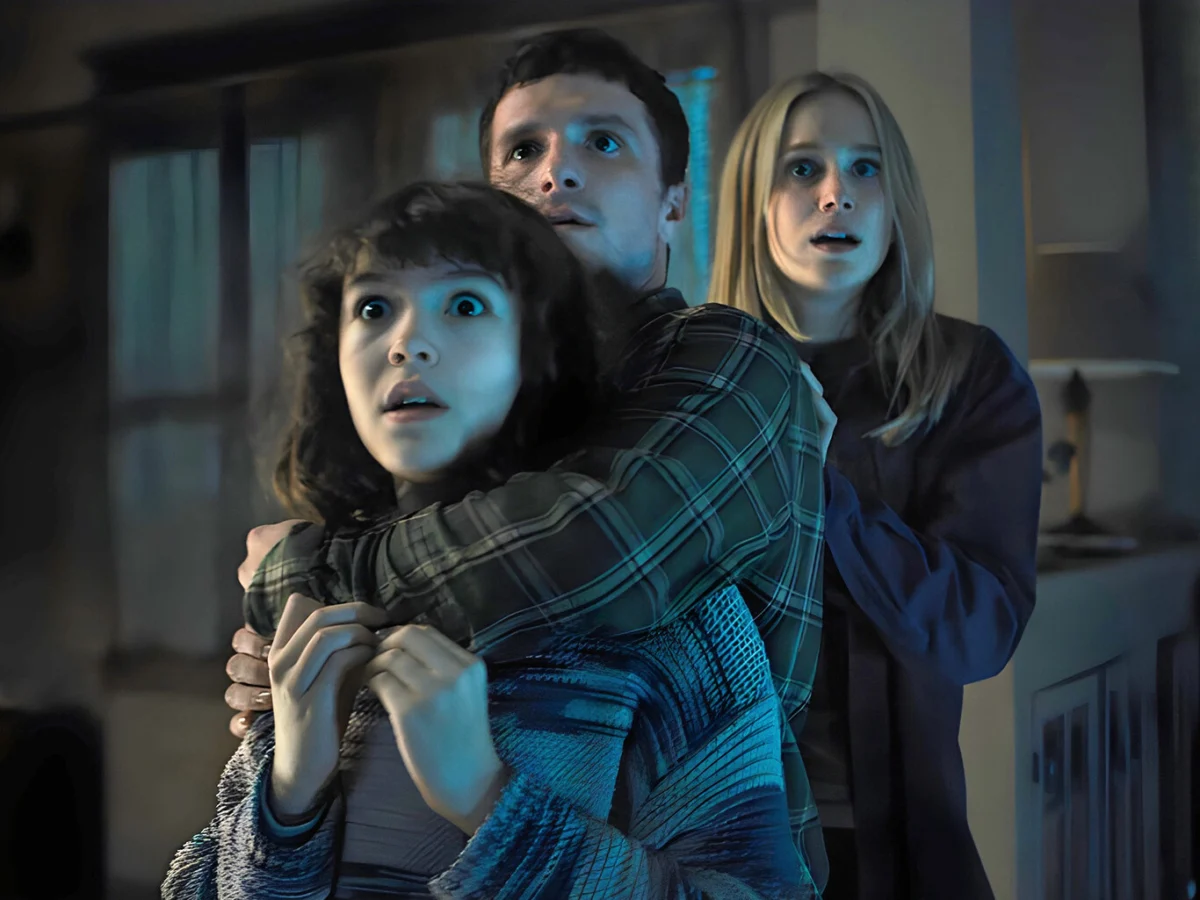
The transition of the Five Nights at Freddy’s franchise from a niche indie video game to a dominant cinematic force reached a new milestone this week as the second installment, Five Nights at Freddy’s 2, officially debuted on the HBO Max streaming platform. This release comes approximately 238 days after the film’s initial theatrical run, marking a strategic window designed to maximize both box office revenue and long-term streaming engagement. The arrival of the sequel on digital platforms solidifies the series’ standing as a modern horror pillar, proving that the synergy between gaming communities and traditional film production can yield significant commercial results despite polarized critical reception.
Since its inception, the Five Nights at Freddy’s (FNAF) brand has operated as a cultural phenomenon that defies traditional marketing logic. Originally created by independent developer Scott Cawthon in 2014, the game series relied on atmosphere, minimalist mechanics, and a deeply convoluted "lore" that encouraged community participation. This foundation proved to be the perfect catalyst for a film adaptation. When the first live-action movie premiered in 2023, it shattered expectations by grossing over $290 million globally. The sequel has followed a similar trajectory, securing its place in the streaming library of HBO Max after a successful theatrical run that saw it earn upwards of $238 million worldwide.
The Evolution of a Digital Phenomenon
To understand the success of Five Nights at Freddy’s 2 on streaming, one must examine the unique history of the property. Unlike many horror franchises that originate from literature or original screenplays, FNAF was birthed in the era of the "Let’s Play" video format. Content creators and streamers played a pivotal role in disseminating the game’s mysteries, turning a simple survival horror title into a sprawling narrative universe. By the time Blumhouse Productions and Universal Pictures greenlit the first film, there was already a global audience of millions intimately familiar with characters like Freddy Fazbear, Bonnie, Chica, and Foxy.
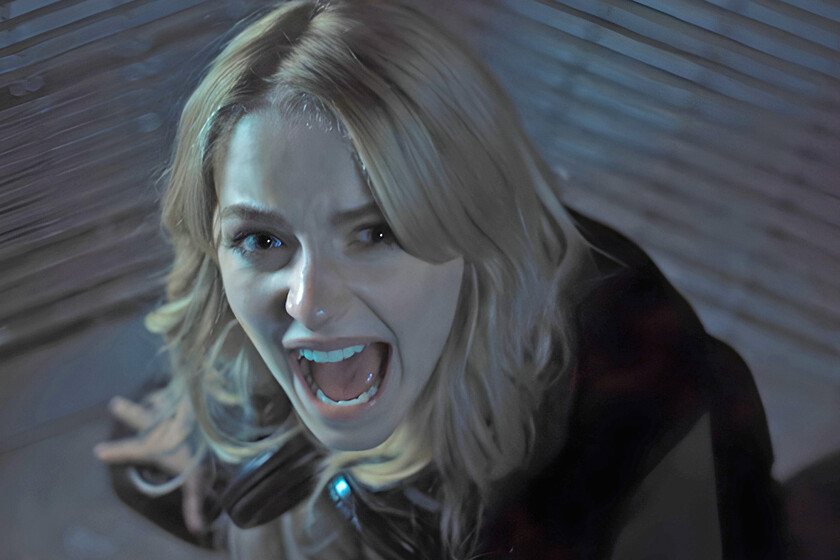
The sequel, which takes place one year after the events of the first film, continues the story of Mike Schmidt, portrayed by Josh Hutcherson. The narrative expands on the haunting history of the animatronic characters and the dark secrets of the pizzeria that serves as the primary setting. The decision to move the film to HBO Max reflects a broader industry trend where high-profile horror titles serve as "tentpole" content for streaming services, driving subscriptions among younger demographics who grew up with the intellectual property.
Production Philosophy and the Use of Practical Effects
One of the most cited reasons for the franchise’s success among fans is the production team’s commitment to practical effects. In an era where many blockbusters rely heavily on Computer-Generated Imagery (CGI), the Five Nights at Freddy’s films utilized the expertise of Jim Henson’s Creature Shop to bring the animatronics to life. This choice was not merely aesthetic; it was a deliberate nod to the source material’s tactile, mechanical nature.
By using physical suits and sophisticated puppetry, the filmmakers managed to capture a sense of "uncanny valley" dread that CGI often struggles to replicate. This dedication to craftsmanship has been a major talking point in fan circles, distinguishing the FNAF movies from other video game adaptations. The sequel doubled down on this approach, introducing "Withered" versions of the classic characters and new animatronic threats that required even more complex mechanical engineering. This commitment to physical production has helped the film maintain a sense of grounded realism, which is essential for the horror genre’s effectiveness.
A Comparative Analysis of Box Office and Critical Reception
The financial performance of Five Nights at Freddy’s 2 reinforces the "critic-proof" nature of certain fan-driven franchises. Upon its theatrical release, the film faced a familiar hurdle: a stark divide between professional film critics and the general public. On review aggregator sites like Rotten Tomatoes, the film received low marks from critics, who often cited a perceived over-reliance on "fan service" and a plot that was difficult for uninitiated viewers to follow.

However, the audience data tells a different story. The film maintained a high approval rating from viewers, hovering around 82%. This discrepancy highlights a shift in the modern media landscape where niche community satisfaction is often more predictive of commercial success than traditional critical acclaim. Financially, the sequel’s $238 million haul—achieved on a relatively modest production budget—represents a massive return on investment for Blumhouse. When compared to other major 2024 and 2025 releases, the FNAF franchise consistently punches above its weight class, proving that targeted storytelling for a dedicated base is a viable alternative to broad-appeal blockbusters.
The Streaming Strategy and Digital Timeline
The 238-day window between the theatrical premiere and the HBO Max debut is a calculated move by the distributors. In the current post-pandemic film economy, the "theatrical-to-digital" pipeline has become increasingly fluid. While some films move to streaming within 45 days, the extended theatrical exclusivity for Five Nights at Freddy’s 2 allowed the film to exhaust its box office potential and drive home-video sales before becoming available as part of a subscription service.
The inclusion of the film on HBO Max is expected to trigger a resurgence in social media engagement. Historically, horror films experience a "second life" on streaming platforms, as they are easily shareable and encourage repeat viewings. For HBO Max, the acquisition of this title is a strategic win, providing the platform with a high-engagement asset that appeals to Gen Z and Alpha audiences—demographics that are increasingly difficult for traditional media companies to capture.
Broader Implications for Video Game Adaptations
The success of the Five Nights at Freddy’s cinematic universe is part of a larger trend that includes the Super Mario Bros. Movie and the HBO series The Last of Us. For decades, video game adaptations were viewed with skepticism by Hollywood executives due to a string of high-profile failures in the 1990s and early 2000s. However, recent years have seen a "golden age" of the genre, characterized by a greater respect for the source material and the involvement of the original creators.
In the case of FNAF, the involvement of Scott Cawthon in the screenwriting and production process ensured that the film stayed true to the "lore" that fans spent a decade deciphering. This trend suggests that the future of successful adaptations lies in a collaborative approach between game developers and film directors. Furthermore, the mention of other internet-born phenomena like "The Backrooms" indicates that studios are looking beyond traditional gaming consoles to find the next big horror hit, scouting platforms like YouTube and TikTok for stories with pre-built audiences.
Chronology of the Five Nights at Freddy’s Film Journey
To understand the current state of the franchise, it is helpful to look at the timeline of its development:
- August 2014: The first Five Nights at Freddy’s game is released, becoming an overnight sensation on YouTube.
- 2015-2017: Initial attempts at a film adaptation begin at Warner Bros. before eventually moving to Blumhouse Productions.
- October 2023: The first Five Nights at Freddy’s movie is released, earning $290 million and setting records for Blumhouse.
- Late 2024: The sequel enters theaters, focusing on a darker tone and expanding the cast of animatronics.
- Present Day: Five Nights at Freddy’s 2 arrives on HBO Max, completing its transition from a theatrical event to a streaming staple.
Official Responses and Industry Outlook
While official statements from Blumhouse often emphasize the "fan-first" mentality, industry analysts point to the franchise as a blueprint for sustainable horror filmmaking. Jason Blum, the founder of Blumhouse, has frequently noted that horror is one of the few genres that still consistently draws audiences to theaters. By combining the low-overhead model of horror production with the massive reach of an established gaming IP, the studio has created a nearly invincible commercial formula.
The arrival of Five Nights at Freddy’s 2 on HBO Max is not just a win for subscribers; it is a signal to the industry that the "internet-to-cinema" pipeline is fully operational. As the film begins its streaming tenure, rumors of a third installment are already circulating, with fans anticipating a further deep-dive into the complex history of Afton Robotics and the missing children incident that serves as the series’ dark core.

In conclusion, the debut of Five Nights at Freddy’s 2 on HBO Max represents the culmination of a decade-long journey from a solo developer’s project to a multi-million dollar film franchise. By prioritizing practical effects, respecting the established lore, and understanding the digital habits of its audience, the series has carved out a unique space in the cinematic landscape. Whether or not it ever gains the favor of traditional critics seems irrelevant; the numbers and the fans have already spoken, cementing Freddy Fazbear’s place in the pantheon of modern horror icons.

0 Comments