
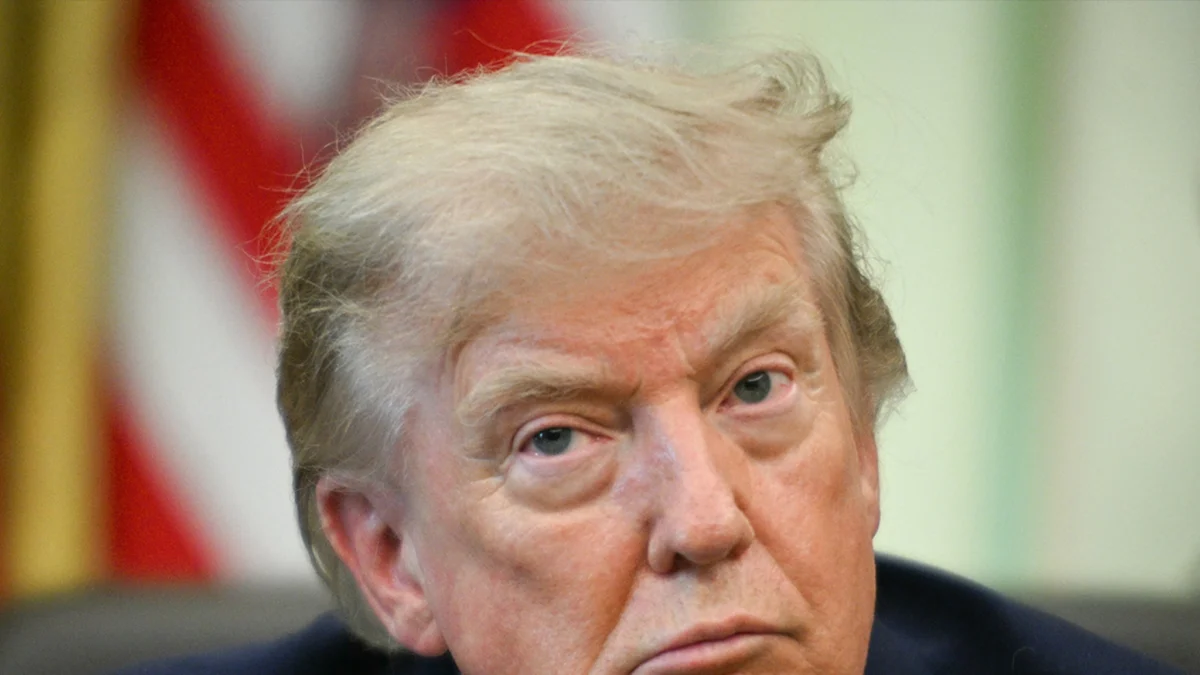
President Donald Trump confirmed on Tuesday, August 11, 2026, that the highly unusual mid-flight switch from the iconic Air Force One to a smaller military aircraft last month was not a decision he made, but rather a directive from his dedicated security detail. The extraordinary maneuver, which saw the President covertly transferred amid a credible threat linked to Iran following a NATO summit in Turkey, underscored the gravity of contemporary presidential security challenges and the lengths to which protective agencies will go to safeguard the nation’s commander-in-chief.
The President’s Statement and Confirmation
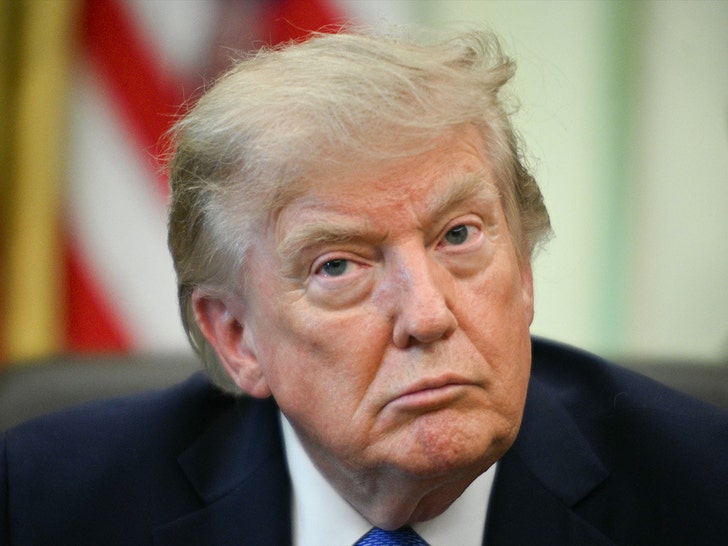
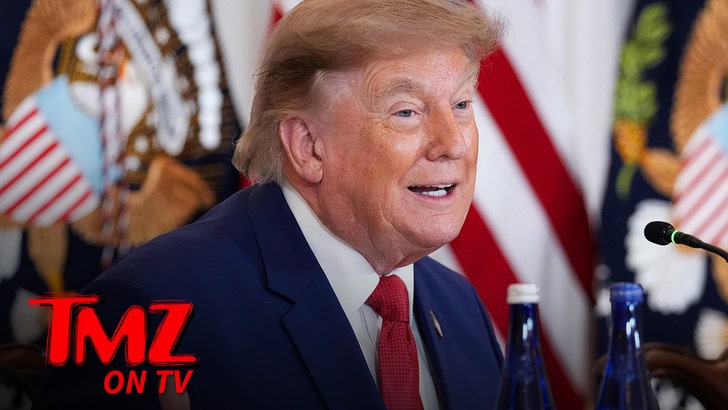
Speaking publicly on the matter for the first time since the details emerged, President Trump addressed the clandestine operation, emphasizing his reliance on the experts tasked with his protection. "I go by Secret Service and the military. They wanted me to go in a different flight, different plane," Trump stated. He added, with an air of pragmatism, "I just have to do what they say." This brief but definitive statement served as the official confirmation of a story initially broken by The Washington Post, which detailed an elaborate deception designed to ensure the President’s safety. Trump, however, refrained from divulging any additional specific details regarding the nature or origin of the threat, adhering to the standard protocols that shroud such high-stakes security operations in secrecy.
Unveiling the Elaborate Security Maneuver
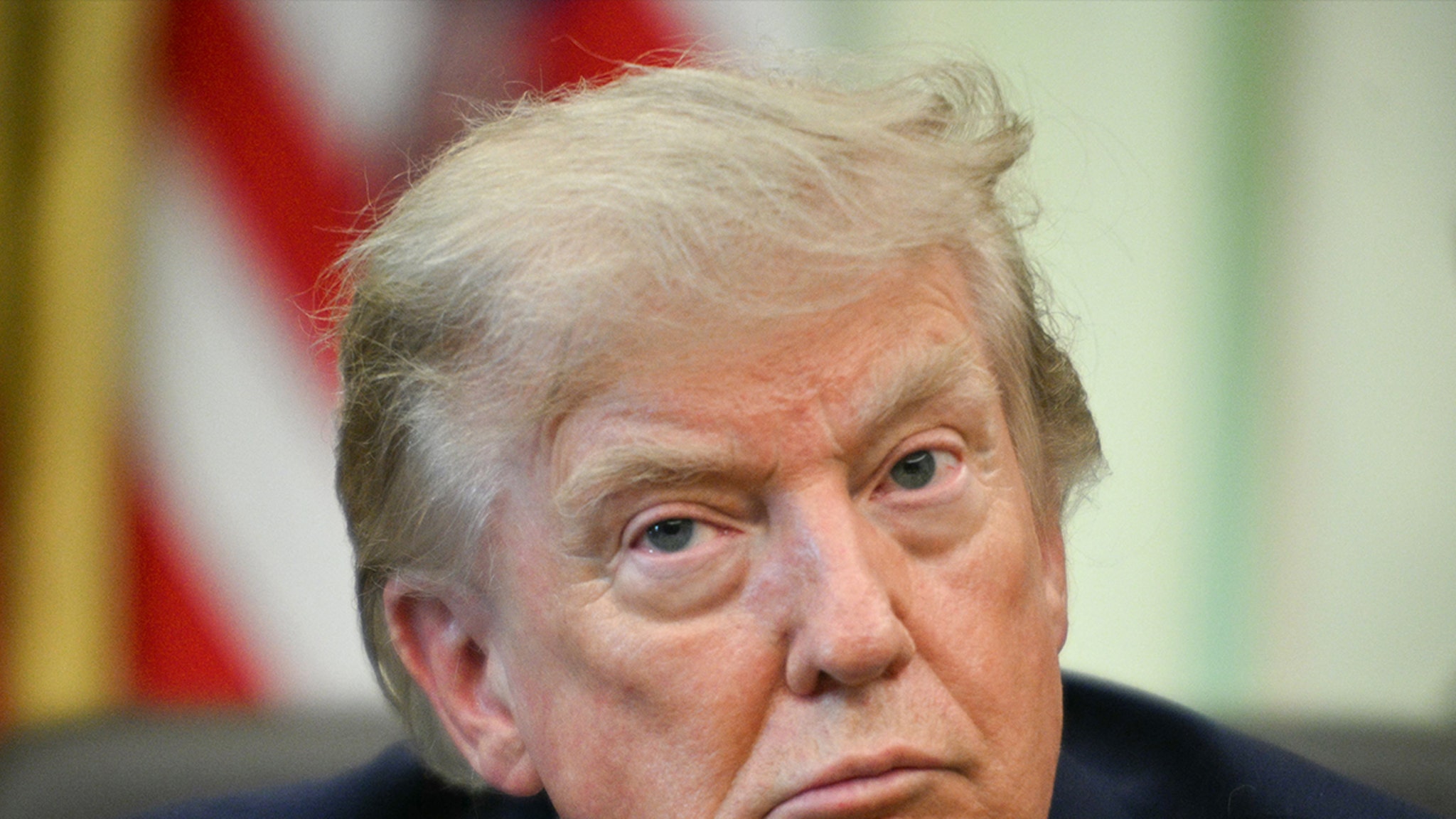
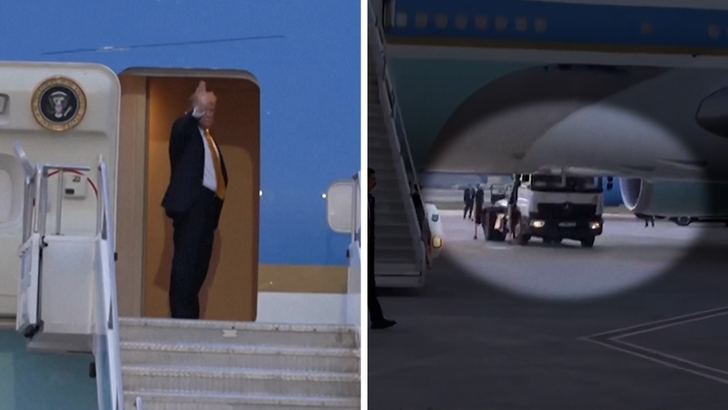
The incident in question reportedly occurred following a NATO summit held in Turkey last month, placing the timeline of the event around late July 2026. According to The Washington Post‘s exposé, the operation involved a meticulously planned departure from the summit’s host country. Instead of boarding the waiting Air Force One, the President was discreetly ushered into an airport catering vehicle. This unassuming vehicle then transported him to a smaller, undisclosed military aircraft, which then departed for an undisclosed location, presumably back to the United States or a secure intermediate destination.
Simultaneously, the VC-25A, commonly known as Air Force One when the President is aboard, proceeded with its scheduled departure. Aboard this primary presidential jet were White House staffers and members of the press corps, none of whom were reportedly aware that the President was not among them. The aircraft, therefore, served as an elaborate decoy, drawing potential attention and resources away from the President’s actual flight path, a tactic often employed in military and intelligence operations to misdirect adversaries. This level of deception highlights the sophistication and extreme measures deemed necessary by presidential security teams in an increasingly complex global threat landscape.
The Credible Threat: A Shadow from Iran
The primary catalyst for this unprecedented security measure was identified as a "credible threat linked to Iran." While the specifics of this threat remain classified, its nature was evidently severe enough to warrant such a drastic deviation from standard presidential travel protocols. By 2026, relations between the United States and Iran had long been characterized by periods of intense geopolitical tension, intermittent confrontations, and a complex web of proxy conflicts across the Middle East. Whether the threat involved direct targeting of the President, an attack on Air Force One, or a broader regional destabilization attempt that could imperil presidential travel, the intelligence assessment clearly indicated a significant and immediate danger.
The strategic location of Turkey, a NATO ally but also a nation with its own intricate and sometimes fraught relationship with both the U.S. and Iran, adds another layer of complexity. NATO summits themselves are high-profile events, attracting global attention and often serving as potential targets for state and non-state actors seeking to make political statements or cause disruption. The convergence of a critical diplomatic event in a geopolitically sensitive region, coupled with a specific Iranian threat, created a high-risk scenario that demanded extraordinary protective measures.
Air Force One: More Than Just a Plane, a Decoy
Air Force One, the iconic call sign for any U.S. Air Force aircraft carrying the President, is arguably the most recognized symbol of American power and continuity. The primary aircraft used for presidential transport are two highly customized Boeing 747-200B series aircraft, designated VC-25A. These flying fortresses are equipped with state-of-the-art defensive countermeasures, secure communications systems, advanced avionics, and can be refueled in mid-air, allowing them to remain airborne indefinitely in an emergency. They are designed to function as a mobile command center, capable of withstanding various attacks, including electromagnetic pulses, and enabling the President to govern from the sky.
The decision to use Air Force One as a decoy, therefore, was not taken lightly. It speaks volumes about the perceived severity of the threat. To intentionally send such a high-value asset, complete with White House personnel and journalists, on a diversionary route without the President onboard, underscores the belief that the physical presence of the aircraft itself, with its symbolic weight, would be enough to draw the attention of potential adversaries. This strategy, while logistically complex and undoubtedly costly, prioritized the President’s personal safety above all else, even at the risk of momentarily misleading his own staff and the press pool. The sheer expense and operational complexity involved in maintaining and deploying these aircraft mean that any deviation from their standard use is indicative of a truly exceptional circumstance.
Presidential Security Protocols: A Multi-Layered Defense
The protection of the President of the United States is a responsibility shared primarily by the U.S. Secret Service and the Executive Protection Detail within the U.S. military. These agencies operate under stringent protocols, constantly assessing global and domestic threats, and employing a multi-layered defense strategy that encompasses intelligence gathering, physical security, and emergency contingency planning. Presidential travel, in particular, is subject to exhaustive planning, with advance teams meticulously scouting locations, routes, and potential vulnerabilities.
In situations involving credible threats, the Secret Service, in conjunction with military intelligence and other federal agencies, has the authority to make critical decisions regarding the President’s movement and safety. These decisions are often made with limited input from the President himself, especially when time is of the essence or when revealing operational details could compromise security. President Trump’s statement, "I just have to do what they say," reflects this established chain of command and the understanding that his personal security is paramount to national security. Such a complex operation involving a plane switch would have necessitated coordination across multiple intelligence agencies, the Department of Defense, the State Department, and potentially even foreign governments, all operating under extreme secrecy.
Implications and Broader Impact
The revelation of this incident carries several significant implications. Firstly, it provides a rare public glimpse into the shadowy world of presidential security and the constant, evolving threats that confront the leader of the free world. It reinforces the understanding that even with unparalleled resources, presidential protection is a continuous, high-stakes endeavor that sometimes requires unconventional tactics.
Secondly, the specific attribution of the threat to "Iran" further complicates the already strained relationship between Washington and Tehran. While President Trump did not elaborate, such a statement, even indirect, could be interpreted as an official acknowledgement of direct Iranian intent to harm the U.S. President. This could potentially escalate diplomatic tensions or justify future retaliatory measures, depending on the specifics of the threat and any subsequent investigations. It also raises questions about the intelligence capabilities that detected and thwarted the threat, and whether this incident signals a new, more aggressive phase in the covert struggle between the two nations.
Thirdly, the use of Air Force One as a decoy, while effective, also introduces a psychological element. It demonstrates to adversaries that the U.S. is capable of sophisticated deception and is willing to go to extraordinary lengths to protect its leadership. Conversely, it might also spark public concern about the vulnerability of the presidency and the potential for a successful attack, even against the most protected individual on the planet. For the White House staff and journalists aboard the decoy plane, the eventual revelation of the President’s absence likely provoked a mix of relief, concern, and perhaps a unique understanding of the intense pressure under which security forces operate.
Finally, this event may lead to a re-evaluation of presidential travel protocols, particularly for visits to high-risk regions. While the specifics of this operation are unlikely to be fully declassified, its success in mitigating a credible threat could lead to the formalization of similar contingency plans for future presidential movements. It highlights the dynamic nature of security planning, which must constantly adapt to new intelligence, evolving threats, and technological advancements by adversaries. The cost of such an operation, both financially and in terms of logistical complexity, is a secondary consideration when the safety of the President is at stake, reinforcing the nation’s unwavering commitment to presidential protection.
As the global geopolitical landscape continues to shift, the incident serves as a stark reminder that the threats to national leadership are ever-present and require vigilance, adaptability, and an unwavering commitment to operational security. The Secret Service and military’s decisive action, and President Trump’s subsequent confirmation, underscore the perilous realities that underpin the highest office in the United States.

0 Comments