
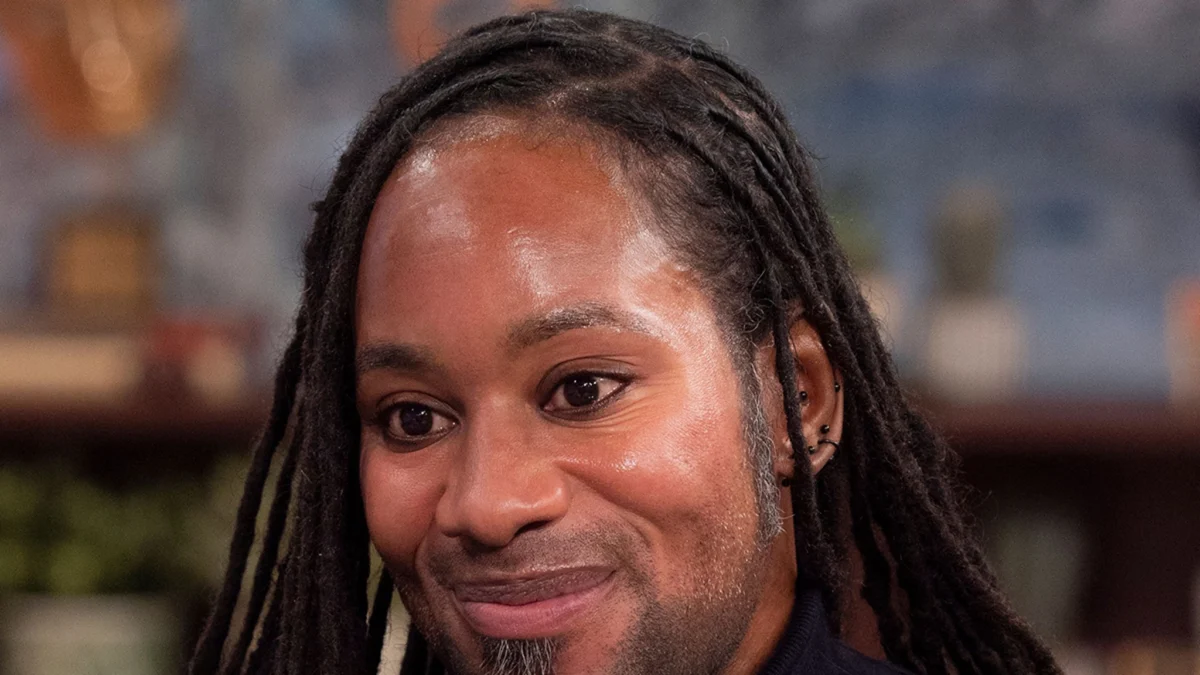
The academic world is in mourning following the tragic death of Dr. Jason Arday, the former Cambridge Professor who had recently resigned amidst serious allegations of plagiarism. Dr. Arday, a celebrated figure whose meteoric rise saw him become the youngest Black professor at the University of Cambridge, was found deceased at his London residence on Friday, August 15, 2026. The Metropolitan Police have initiated an investigation into the circumstances surrounding his death, which they have described as "unexpected" but not suspicious. He was 41 years old.
Official Confirmation and Initial Response
The University of Cambridge confirmed Dr. Arday’s passing through a statement issued by Vice-Chancellor Professor Deborah Prentice. "We are desperately saddened to hear this tragic news," Professor Prentice stated, expressing profound condolences. "Our heartfelt sympathies go to Jason Arday’s family and friends at this incredibly difficult time." The announcement sent shockwaves through the global academic community, particularly given the recent public scrutiny surrounding his professional conduct.
Details regarding the discovery of Dr. Arday’s body were provided by the Metropolitan Police. Officers were dispatched to his home on Friday afternoon after receiving a report that a man had been found unresponsive. Emergency services declared him dead at the scene. In adherence to standard protocol, his next of kin were notified, though his name was withheld from public release by the police at that time. While the death is being treated as "unexpected," investigators have stated there are currently no suspicious circumstances, and efforts are underway to ascertain the precise cause of death.
The Ascendancy of a Groundbreaking Scholar
Jason Arday’s journey to the hallowed halls of Cambridge was, by many accounts, an extraordinary narrative of resilience and intellectual achievement. Born in Clapham, South London, Arday overcame significant early life challenges, including being diagnosed with autism spectrum disorder and not learning to speak until the age of 11. Despite these obstacles, he developed an exceptional academic prowess, dedicating his research to critical areas of race, education, and inequality. His work was widely celebrated for its profound insights into societal disparities and its potential to drive meaningful change.
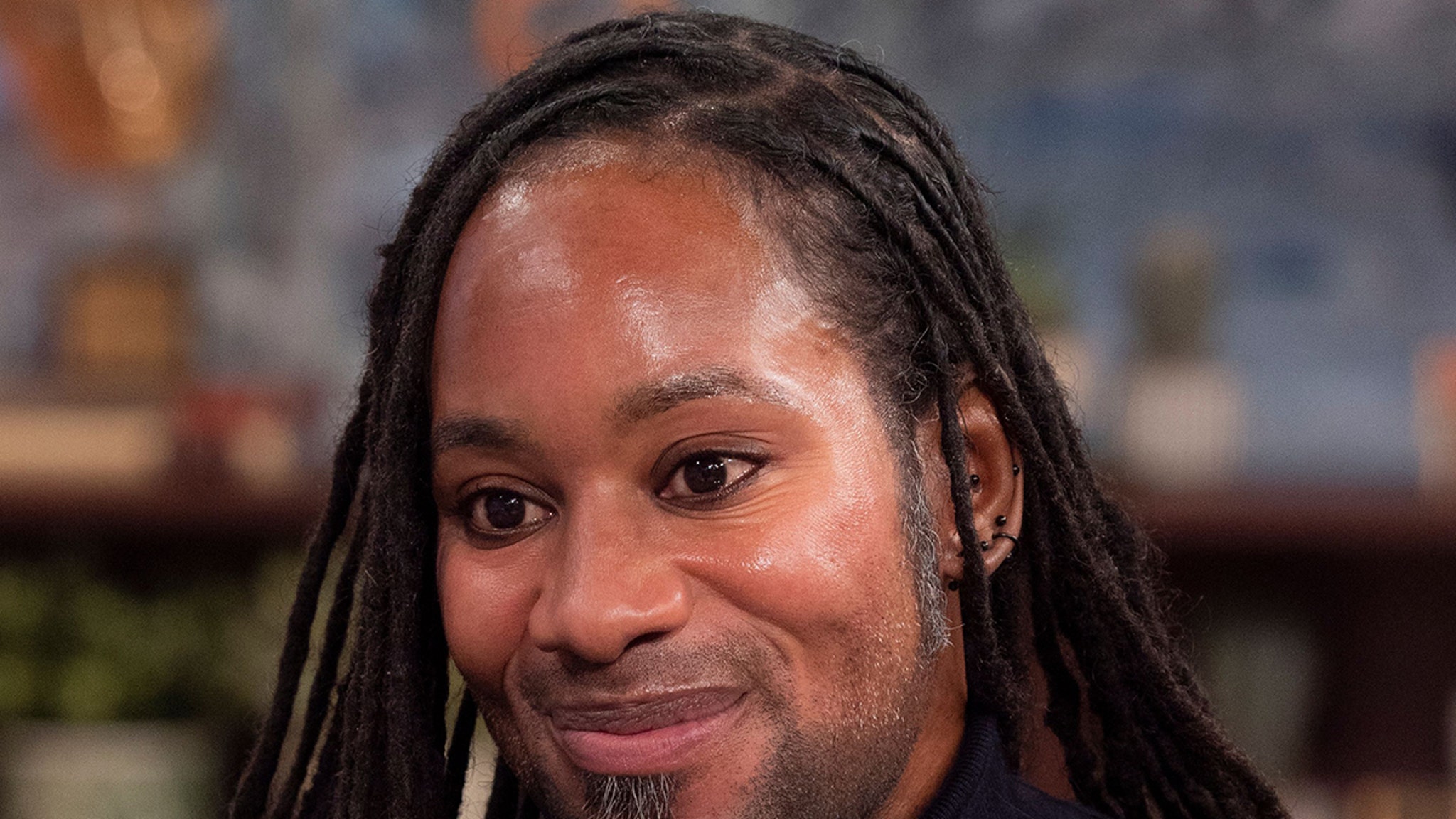
In 2023, at the age of 37, Arday made history by being appointed Professor of Sociology of Education at the University of Cambridge, becoming the institution’s youngest Black professor. This appointment was lauded as a landmark moment for diversity and inclusion within elite academic institutions. His role at Cambridge followed distinguished positions at Durham University and the University of Glasgow, where his research contributions had already garnered significant recognition. Arday was not only an academic but also a compelling public speaker, frequently sharing his personal story and advocating for greater equity in education. His unique background and inspiring trajectory made him a beacon of hope and a powerful role model for many aspiring scholars from underrepresented backgrounds.
Emergence of Academic Misconduct Allegations
The glowing narrative surrounding Dr. Arday began to unravel in the months leading up to his death, when serious allegations of plagiarism surfaced. These accusations cast a long shadow over his previously unblemished academic record and ignited a fierce debate about integrity within scholarly pursuits. The core of the allegations centered on his published works and doctoral thesis.
The scrutiny intensified following an investigation published by The Times of London. The newspaper’s report meticulously detailed instances where passages in Dr. Arday’s 2015 Ph.D. thesis were found to be "identical or near-identical" to material penned by other researchers, published at earlier dates, without proper attribution. Such findings in academic discourse are considered grave violations of ethical standards, undermining the very foundation of intellectual honesty. Plagiarism, at its heart, is the act of presenting another person’s words, ideas, or research as one’s own, and it carries severe repercussions, ranging from academic sanctions to irreparable reputational damage. For a scholar of Arday’s stature, these allegations were particularly devastating, challenging the authenticity of his original contributions.
Beyond his doctoral work, the investigation by The Times also reportedly extended to other projects and publications associated with Dr. Arday, suggesting a pattern of questionable academic practices. While the full extent of the alleged misconduct and the specific number of plagiarized instances were not publicly detailed, the revelations sparked a widespread discussion about the rigor of academic vetting processes, especially for high-profile appointments.
Scrutiny Over Other Public Claims
Compounding the plagiarism allegations, sections of the British press also began to raise questions regarding other aspects of Dr. Arday’s public persona and achievements. Notably, doubts were cast on his assertions that he had raised a substantial sum—reportedly $7.4 million—for charity through various athletic endeavors. Among these claims was the remarkable feat of running 30 marathons in 35 days. While such accomplishments would be extraordinary for any individual, the media scrutiny highlighted a lack of verifiable evidence to support these specific claims, further fueling skepticism about the accuracy of his public narrative.
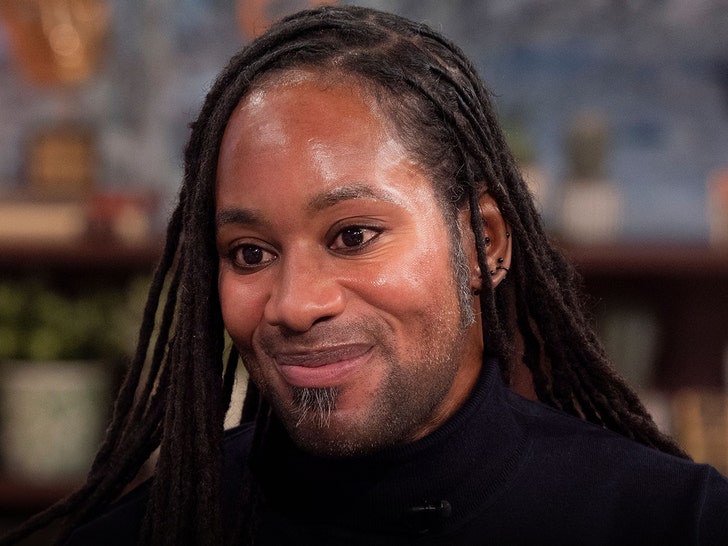
These combined allegations created a crisis of credibility for Dr. Arday. In academia, the currency of trust is paramount, and any compromise on integrity, whether in research or public statements, can have profound and far-reaching consequences for an individual’s career and an institution’s reputation.
University of Cambridge’s Response and Investigation
Initially, the University of Cambridge had publicly expressed its support for Dr. Arday when the first murmurs of plagiarism began to emerge. This initial stance reflected the institution’s commitment to its faculty and perhaps a desire to protect the reputation of a groundbreaking appointment. However, as the evidence mounted, particularly after the detailed exposé in The Times of London, the university was compelled to take more decisive action.
On August 5, 2026, Cambridge announced the launch of a formal internal investigation into Dr. Arday’s "qualifications and honorary appointments." This move signaled a serious escalation in the university’s response, indicating that the allegations were now being treated with the utmost gravity. The scope of the investigation was broad, aiming to thoroughly review the integrity of his academic record and the validity of the claims that underpinned his various professional accolades.
The pressure exerted by the ongoing investigation and the intense media scrutiny proved immense. Shortly after the university initiated its formal inquiry, Dr. Arday tendered his resignation from his professorial position at Cambridge. While the university did not publicly elaborate on the specifics of his resignation, it was widely understood to be a direct consequence of the escalating scandal and the imminent findings of the internal review. His departure marked a sudden and dramatic end to what had once been heralded as a pioneering tenure.
The Unfolding Tragedy and Broader Implications
The news of Dr. Arday’s death on August 15, 2026, just ten days after his resignation, cast a pall over the entire episode. The Metropolitan Police’s ongoing investigation, while deeming the death "unexpected but not suspicious," will undoubtedly seek to understand the circumstances that led to this tragic outcome. In such cases, a coroner’s inquiry is typically convened to formally determine the cause of death, often involving toxicology reports and a review of any relevant medical history. The swiftness of his passing after such a public and career-altering scandal has naturally led to widespread speculation and grief.

Dr. Arday’s death brings into sharp focus several critical issues within the highly competitive and often unforgiving world of academia. Firstly, it underscores the immense pressure faced by scholars, particularly those who achieve high-profile positions and represent significant milestones in diversity. The expectation to continually perform, publish, and maintain an impeccable public image can be crushing. Secondly, the incident reopens discussions about academic integrity and the mechanisms institutions employ to prevent and detect plagiarism. While universities have robust systems in place, high-profile cases like Arday’s often prompt a re-evaluation of these safeguards and the vetting processes for senior appointments.
Moreover, this tragedy forces a somber reflection on mental health within academia. The relentless pursuit of excellence, coupled with the public nature of intellectual work, can create environments where individuals struggling with immense pressure or personal challenges may find themselves isolated. While it is crucial to avoid speculation regarding the direct causes of Dr. Arday’s death, the broader context of the scandal and its immediate aftermath highlights the critical importance of mental health support for academics facing intense scrutiny and career crises.
A Complex and Contested Legacy
Jason Arday’s legacy is now indelibly marked by a profound duality. On one hand, he remains an inspirational figure who shattered barriers, becoming a symbol of hope and achievement for underrepresented communities in academia. His early life story, his dedication to studying inequality, and his groundbreaking appointment at Cambridge will continue to resonate. He was a powerful advocate for change, and his initial impact on the discourse around race and education was significant.
On the other hand, the allegations of plagiarism and the questions surrounding his other public claims present a deeply troubling aspect of his career. These accusations challenge the very core of academic honesty and cast a shadow over his intellectual contributions. The academic community grapples with how to reconcile these contrasting narratives – the inspiring trailblazer versus the scholar whose integrity was called into question.
The University of Cambridge, a venerable institution built on centuries of intellectual rigor, will likely face continued scrutiny regarding its handling of the allegations and its broader processes for ensuring academic integrity. This tragic event serves as a stark reminder of the immense responsibilities that accompany academic leadership and the profound human cost when those responsibilities, or the pressures associated with them, become overwhelming.
As the police investigation continues and the academic community processes this immense loss, Jason Arday’s life and death will undoubtedly fuel further discussions on academic ethics, the pressures of public scholarship, and the crucial need for support systems within institutions that demand so much from their brightest minds. His story, complex and heartbreaking, will likely serve as a cautionary tale and a catalyst for introspection across the global scholarly landscape.

0 Comments