
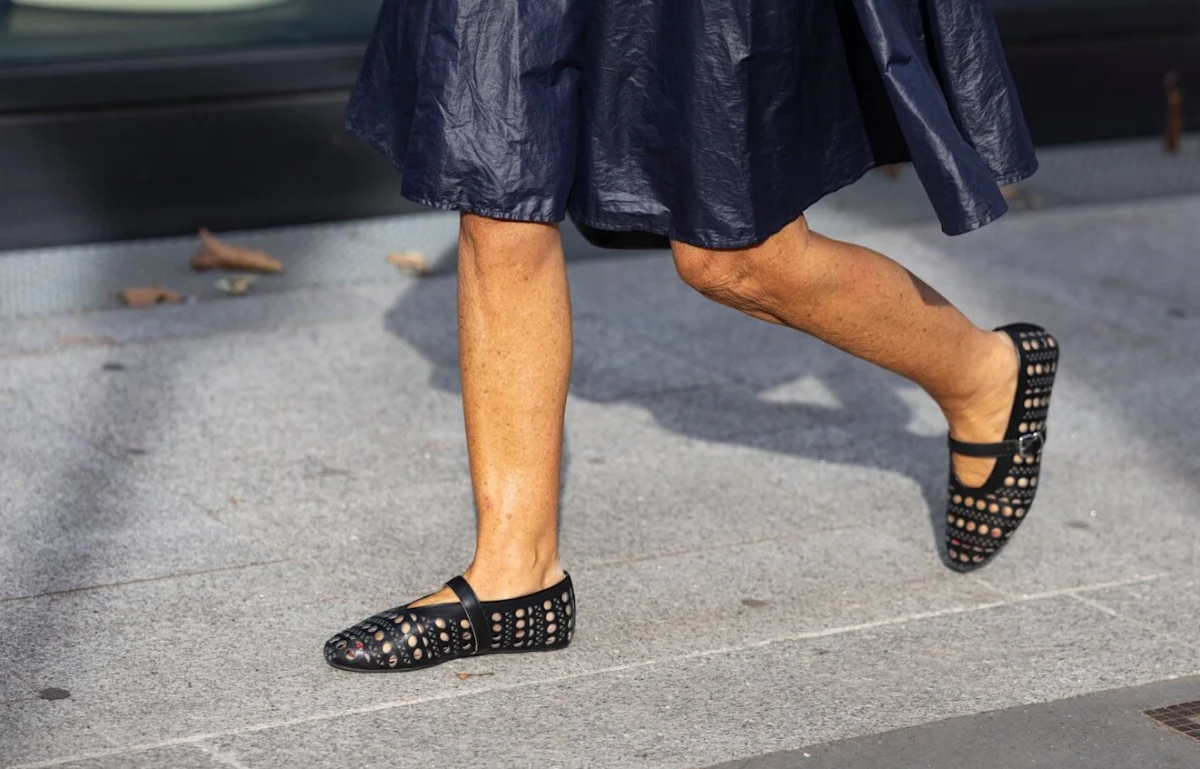
As the fashion industry pivots toward the final quarter of 2026, the traditional transition from summer to autumn is undergoing a stylistic transformation. September has long been characterized by a sartorial "gray area," where the warmth of late summer clashes with the impending coolness of October. Historically, this period forced a choice between the lingering breathability of sandals and the premature weight of closed boots. However, the 2026 market has identified a definitive solution: the woven ballerina. This footwear category, characterized by its intricate lattice-work and semi-permeable structure, has emerged as the essential bridge for the "shoulder season," allowing for thermal comfort without sacrificing the aesthetic lightness of summer.

Major retailers ranging from high-street giants like H&M and Parfois to premium artisanal labels such as Lottusse and Micuir have finalized their autumn collections with a heavy emphasis on texture. The shift toward woven textures reflects a broader 2026 industry trend: the move away from "flat" minimalism toward "tactile" luxury. By utilizing interlaced leather, suede, and synthetic fibers, designers are offering a product that provides the structural integrity of a shoe with the ventilation properties of a sandal.
The Evolution of the Transitional Wardrobe: A 2026 Chronology
The rise of the woven ballerina in 2026 is not an isolated event but the culmination of a three-year shift in consumer behavior. Following the "Balletcore" explosion of 2024, which reintroduced the classic flat to the mainstream, 2025 saw the rise of the Mary Jane. By the spring of 2026, the market demanded more variety in breathability.

The chronology of this trend’s peak began in late July 2026, when early "Pre-Fall" collections debuted in Paris and Madrid. Market analysts noted a 22% increase in searches for "breathable flats" compared to the same period in 2025. By mid-August, the "woven" or "mesh" aesthetic had moved from niche luxury houses to accessible retail, positioning itself as the primary footwear choice for the return-to-work season.
Market Analysis: From Fast Fashion to Artisanal Heritage
The current market landscape for woven ballerinas is divided into three distinct tiers, each catering to a different consumer segment while adhering to the same overarching trend.

- The Accessible Tier (Parfois, H&M): These brands have focused on versatility and trend-responsiveness. By incorporating buckled straps and mesh-like weaving, they provide the "Mary Jane" silhouette that remains highly popular in 2026. Their price points, typically ranging from €29.99 to €79.99, allow for mass-market adoption.
- The Contemporary Premium Tier (Massimo Dutti, Vivaia, Bobbies Paris): This segment emphasizes material innovation. Vivaia, for instance, continues to dominate the "eco-tech" space by using recycled plastics to create woven textures that are machine-washable—a key selling point for transitional footwear that faces unpredictable autumn weather. Massimo Dutti has focused on "vintage-coded" leather weaving, appealing to a sophisticated professional demographic.
- The Luxury Artisanal Tier (Lottusse, Micuir): These brands represent the "Quiet Luxury" movement that has defined 2026. Lottusse, with its heritage in Spanish leatherwork, utilizes high-grade suede and traditional hand-weaving techniques. Micuir focuses on small-batch production, offering metallic finishes that transition seamlessly from office environments to evening social events.
In-Depth Review of the Season’s Essential Models
To understand the broader impact of this trend, one must examine the specific design choices made by leading brands for the Autumn 2026 season.
The Return of Earth Tones: Parfois and Lottusse
Brown and camel hues have reclaimed their status as the dominant palette for autumn. Parfois has introduced a dark chocolate woven model featuring a Mary Jane buckle, priced at €29.99. This design capitalizes on the "retro-school" aesthetic. In contrast, Lottusse offers a premium camel suede version for €265. The use of suede in a woven format is particularly significant this year, as it provides a softer, more matte finish that aligns with the "boho-chic" revival seen on 2026 runways.

The Color Pop: Massimo Dutti’s Cherry Red
While neutrals dominate, "Cherry Red" has remained the standout accent color of 2026. Massimo Dutti’s woven leather ballerina (€129) serves as a statement piece. Fashion psychologists suggest that the continued popularity of red in footwear is a response to the "dopamine dressing" movement, providing a vibrant contrast to the often muted tones of autumn trench coats and denim.
Technical Innovation: Vivaia’s Cream Mesh
The cream-colored woven flat by Vivaia (€160) addresses the consumer’s desire for a "forever summer" aesthetic. By using a technical knit that mimics the look of woven straw or leather, the brand provides a lightweight alternative that maintains its shape. Data from retail trackers indicates that light-colored flats are seeing higher-than-average sales in September 2026 as consumers attempt to extend the life of their summer linen wardrobes.

The Sophisticated Dark: Martinelli
Black remains the safest investment for the professional sphere. Martinelli’s iteration (€79.96) features a slightly pointed toe and an interlaced leather pattern that offers a more formal silhouette than the rounded-toe versions found elsewhere. This model is specifically marketed toward the "commuter" demographic—women seeking a balance between the comfort of a flat and the elegance of a traditional pump.
Industry Implications and Sustainability
The shift toward woven footwear also carries implications for the global supply chain. Woven designs often require more manual labor or more sophisticated knitting machinery than standard flat shoes. This has led to a minor resurgence in Mediterranean manufacturing hubs, particularly in Spain and Italy, where traditional leather weaving is a heritage craft.

Furthermore, the "trans-seasonal" nature of these shoes supports the growing "Slow Fashion" movement. By purchasing a shoe that functions effectively in both summer and autumn, consumers are reducing the frequency of seasonal replacements. Industry reports from the third quarter of 2026 suggest that "versatility" is now the second most important factor for footwear consumers, trailing only behind "comfort."
Expert Perspectives and Future Outlook
Fashion consultants and retail directors have voiced a consensus on the longevity of this trend. "The woven ballerina is not a fleeting fad; it is a structural response to changing climates and lifestyle needs," says Elena Gijón, a journalist specialized in luxury and fashion. "We are seeing a permanent shift where the boundaries between seasonal collections are blurring. A shoe that offers both protection and breathability is the logical conclusion of modern footwear design."

As we look toward the winter of 2026, the influence of the woven flat is expected to evolve. Market forecasts suggest that the next iteration will involve "lined" woven shoes—flats that maintain the interlaced exterior aesthetic but feature shearling or thermal linings for colder temperatures.
Conclusion: The Impact of the Woven Flat on 2026 Style
The transition from sandals to woven ballerinas in September 2026 represents more than just a change in weather; it reflects a sophisticated understanding of texture, functionality, and market positioning. Whether through the affordable trend-focus of H&M or the heritage craftsmanship of Micuir, the woven flat has secured its place as the definitive footwear of the year.

For the consumer, the benefits are clear: a reduction in "wardrobe friction" during the year’s most difficult dressing period. By integrating these eight essential models—from the golden sophistication of Micuir to the powder green freshness of H&M—individuals can navigate the end of summer with a style that is both proactive and perennial. The woven ballerina is, without doubt, the cornerstone of the Autumn 2026 wardrobe, proving that the most successful fashion innovations are those that solve the practical dilemmas of daily life.

0 Comments