
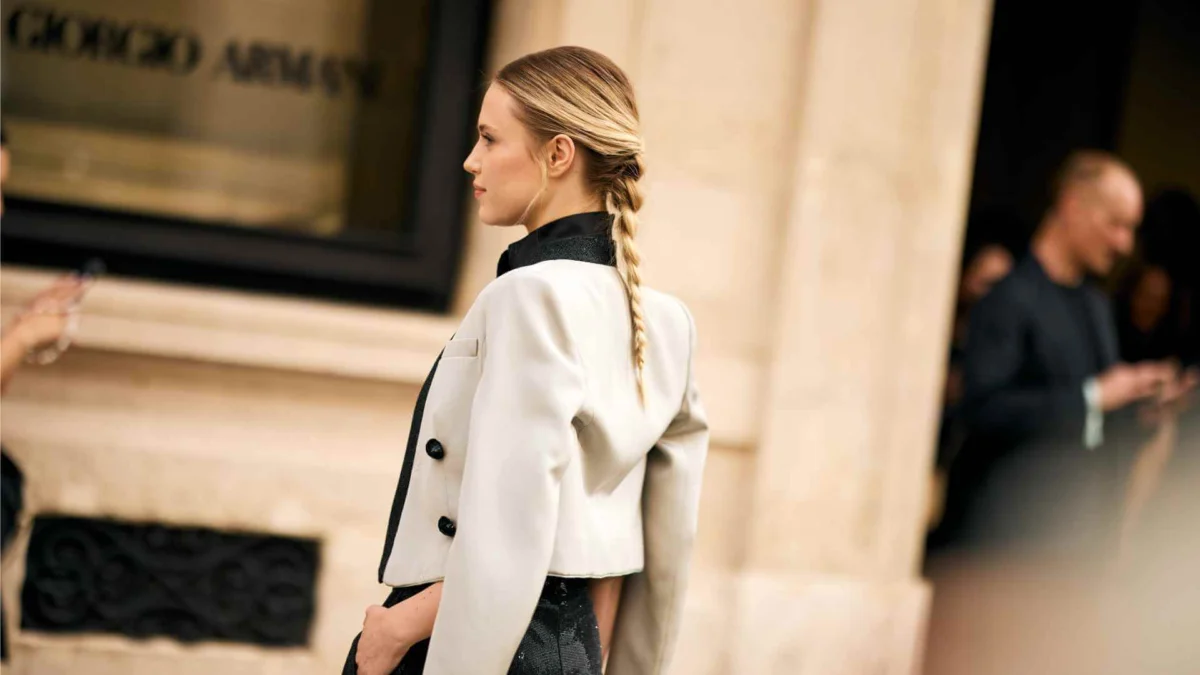
The global hair care and color industry is undergoing a significant shift as the transition from the peak of summer into the professional atmosphere of September approaches. While personal style remains the ultimate arbiter of fashion, industry experts are noting a distinct move away from high-maintenance, flat, and overly saturated tones. Miguel Bling, a renowned hair stylist, color expert, and director of You Glow Salon in Madrid, has identified several key hair color trends that are losing their appeal this season. As an ambassador for L’Oréal Professionnel, Bling emphasizes that the current aesthetic focuses on longevity, natural dimension, and the health of the hair fiber—elements that are often compromised by the "passing" trends of the moment.
The philosophy guiding this seasonal shift is centered on the concept of "aging beautifully." In the professional salon world, a successful color service is no longer measured solely by its appearance upon leaving the chair, but by how it evolves over six to eight weeks. Bling notes that for the remainder of the summer and the onset of autumn, the goal is to avoid colors that lose their integrity when exposed to environmental stressors such as UV radiation, chlorine, and mineral-heavy water. This transition marks a broader industry movement toward "quiet luxury" and naturalism, moving away from the stark, artificial aesthetics that dominated previous years.

The Decline of Platinum and Ultra-Cold Blonde Tones
For several seasons, the pursuit of the "perfect" ice-white or platinum blonde was a dominant force in salon requests. However, this trend is rapidly cooling. According to Bling, excessively cold and platinum shades are increasingly viewed as outdated for the current season. The primary critique of these tones is their lack of dimension. When a hair color is stripped of all warmth and depth to achieve a near-white finish, it often appears flat and lifeless under the natural light of late summer.
Furthermore, the structural integrity of the hair is a major concern. Achieving platinum levels of lift requires aggressive chemical processing that leaves the hair cuticle porous. When these porous strands are exposed to the sun and salt water, they lose their ability to hold onto cool-toned toners. The result is a color that "ages" poorly, often turning a dull, muddy grey or an unwanted yellow within days. The industry is seeing a pivot toward "buttery blondes" and "honey-toned highlights" which incorporate warmth to mimic the natural reflection of sunlight. Data from consumer trend reports suggest a 15% increase in requests for "warm-spectrum" blondes compared to the same period three years ago, signaling a move toward health-conscious aesthetics.
The Oxidation Crisis: Moving Away from Saturated Coppers
The "copper craze" of 2023, which saw a massive surge in vibrant, fiery oranges and deep auburns, is maturing into a more subdued palette. Bling points out that intense, oversaturated orange-coppers are no longer the preferred choice for those looking to stay ahead of the fashion curve. The issue is not the color copper itself—which remains a classic—but rather the "artificiality" and the poor aging process of highly saturated versions.

A significant factor in the decline of intense copper is oxidation. When high-intensity pigments are exposed to the elements, the color molecules break down, leading to a "washed-out" orange that lacks sophistication. Bling identifies an often-overlooked culprit in this degradation: mineral accumulation. Metals present in domestic water supplies, such as copper and iron, can attach to the hair fiber. When these minerals react with UV rays or hair dyes, they accelerate the oxidation process, leading to brittle hair and a distorted color.
The current trend favors "terracotta" or "nude copper" shades—colors that have been "cooled down" slightly to provide a more balanced, sophisticated look. Professionals are now focusing on "metal detox" treatments to neutralize mineral buildup before applying color, ensuring that the result remains faithful to the intended shade rather than veering into a brassy, unrefined orange.
The Practicality Gap: The Fall of High-Intensity Fantasy Tones
High-intensity fantasy colors—vibrant pinks, purples, and blues—are also seeing a decline as the season shifts. While these colors have enjoyed a long tenure as symbols of creative expression, their practicality in a professional or late-summer context is being questioned. These shades are typically achieved using direct pigments or semi-permanent dyes that do not penetrate the hair cortex deeply. Consequently, they are highly susceptible to "bleeding" or fading.

The frequent washing necessitated by summer heat, combined with the stripping effects of pool chlorine, means that high-intensity fantasy tones require bi-weekly salon refreshes to maintain their vibrancy. Bling explains that when these tones begin to fade, they do so unevenly, often leaving the hair looking patchy and unkempt. In an era where "low-maintenance luxury" is the desired outcome, the labor-intensive nature of fantasy colors has made them less attractive.
Market analysis indicates that consumers are now opting for "color glazes" or "pastel washes" that provide a hint of creative color without the commitment or the harsh fading cycle of high-saturation dyes. This shift reflects a broader socio-economic trend where consumers are seeking higher value and longer-lasting results from their professional services.
Chronology of the Shift: From Artificiality to Naturalism
To understand why these colors are falling out of favor, it is necessary to look at the timeline of hair color trends over the last decade.

- 2014–2017: The Era of Extremes. This period was defined by the rise of "Instagram hair," characterized by heavy balayage, silver-grey tones, and neon fantasy colors. The focus was on the photograph, not the longevity.
- 2018–2021: The Transition. As hair health became a priority, "root smudging" and "lived-in color" began to emerge, allowing for longer gaps between appointments.
- 2022–Present: The New Naturalism. The post-pandemic landscape has solidified a preference for colors that enhance rather than mask. This has led to the current rejection of flat platinums and oversaturated tones in favor of multi-tonal, dimensional shades.
Supporting Data and Industry Implications
The shift in color trends is reflected in the research and development focus of major cosmetic conglomerates. Companies like L’Oréal and Wella have seen a surge in the demand for acidic toners and glosses, which prioritize shine and cuticle closure over aggressive lightening. According to industry reports, the professional hair color market is expected to grow by 5% annually, with a significant portion of that growth attributed to "gloss and tone" services rather than traditional "permanent color" applications.
Furthermore, environmental data shows that increasing UV levels and changing water quality in urban areas are forcing stylists to adapt their techniques. The "Metal Detox" technology mentioned by Bling is a direct response to the scientific finding that 64% of the population has high levels of metal in their water, which can lead to a 87% higher risk of hair breakage during coloring. This scientific reality is a major driver behind the trend toward more "stable" colors that do not react poorly to mineral buildup.
Broader Impact and Professional Recommendations
The move away from these "outdated" colors has significant implications for the salon industry. Stylists are now being trained more as "hair doctors" than just artists, focusing on the chemistry of the hair. For clients looking to transition away from platinum or intense copper, experts recommend a gradual shift.

- For the Platinum Client: Introduce "lowlights" to create dimension and move toward a "beige blonde" that requires less frequent bleaching.
- For the Copper Client: Incorporate brown-based toners to create a "cinnamon" or "chestnut" finish that retains warmth without the neon-orange oxidation.
- For the Fantasy Color Client: Suggest "watercolor" techniques where the pigment is diluted, allowing it to fade gracefully into a blonde base rather than turning a muddy grey.
In conclusion, the trends for late summer and September 2024 are defined by a rejection of the high-maintenance and the artificial. As Miguel Bling and other industry leaders suggest, the modern standard of beauty is found in colors that are durable, dimensional, and respectful of the hair’s natural health. While the "bold" looks of the past will always have a place in avant-garde circles, the mainstream professional path is currently paved with shades that promise a sophisticated transition from the sun-drenched days of August to the structured routines of the coming autumn.

0 Comments