
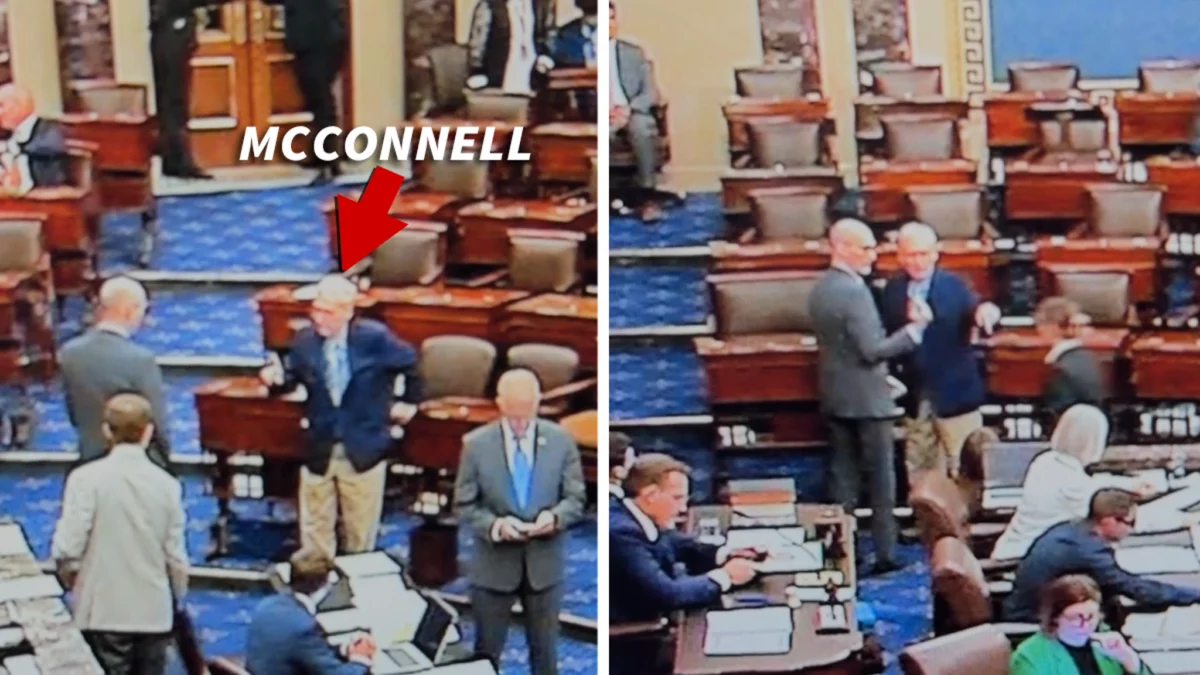
New revelations have emerged regarding the health and capacity of Senator Mitch McConnell, the Republican leader, with recently surfaced videos from June 4, 2026, depicting moments of profound disorientation on the Senate floor, just days before his reported hospitalization. These disturbing clips, brought to light on August 20, 2026, show the long-serving Kentucky Senator exhibiting signs of confusion, including incorrect voting, necessitating direct intervention from his staff, fellow senators, and even the Senate Clerk to guide his actions during a grueling "vote-a-rama" session. The footage has intensified concerns about the 84-year-old’s fitness to serve and comes amid a prolonged absence from public view, with his current medical condition remaining undisclosed since June 14th.
Initial Revelation and Context
The videos, which quickly garnered significant public attention, offer a stark glimpse into McConnell’s struggles during a high-stakes legislative period. The incidents occurred during an exhaustive 18-hour "vote-a-rama," a marathon series of amendment votes often preceding major appropriations bills or budget resolutions. Such sessions are notoriously taxing, requiring senators to cast dozens of votes, maintain acute awareness of complex legislative details, and often engage in strategic maneuvering over extended periods. For any legislator, such a session demands peak mental acuity and physical endurance. For a seasoned leader like McConnell, whose political career spans decades and is defined by his sharp strategic mind and iron grip on his caucus, these visible signs of faltering have sent ripples of concern through Washington D.C. and across the nation.
A Demanding Legislative Marathon: The "Vote-a-Rama" of June 4th
The "vote-a-rama" on June 4th was particularly intense, featuring no fewer than 29 separate votes on various amendments. This legislative procedure is a staple of the Senate calendar, designed to allow members of both parties to offer amendments to budget resolutions or other major bills, often serving as opportunities for political messaging, challenging opponents, or forcing difficult votes. The rapid-fire nature of these votes, coupled with the intricate legislative language and the sheer volume of decisions to be made, requires senators to be consistently alert and informed. During such sessions, leadership roles become even more critical, as leaders are expected to guide their party members through complex procedural votes, ensure party unity, and manage legislative strategy. The environment of a "vote-a-rama" is inherently designed to test the mental and physical stamina of all participants, making any lapse in concentration or judgment particularly noticeable.
Detailed Chronology of Incidents
The sequence of events captured on video from June 4th paints a troubling picture:
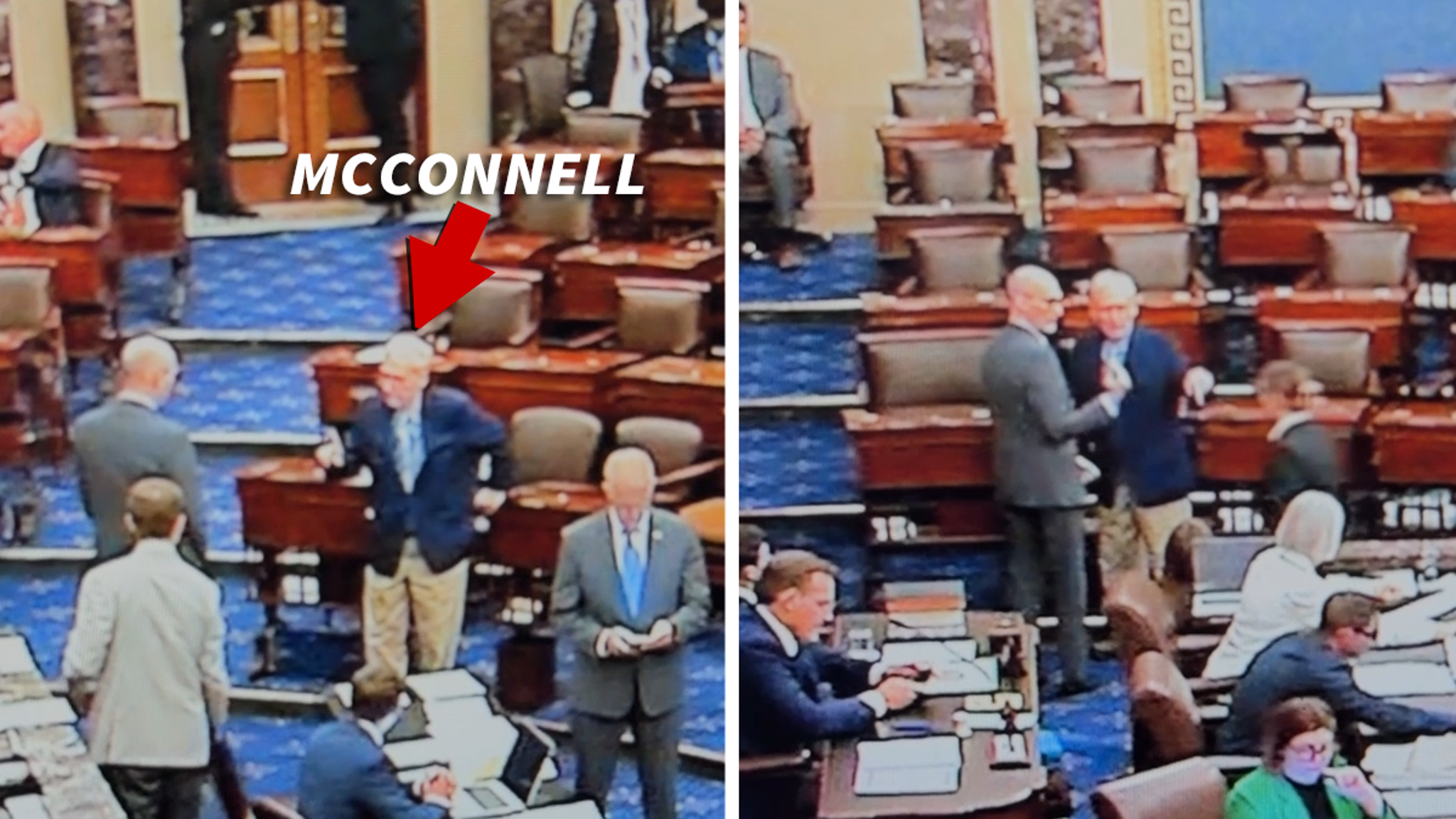
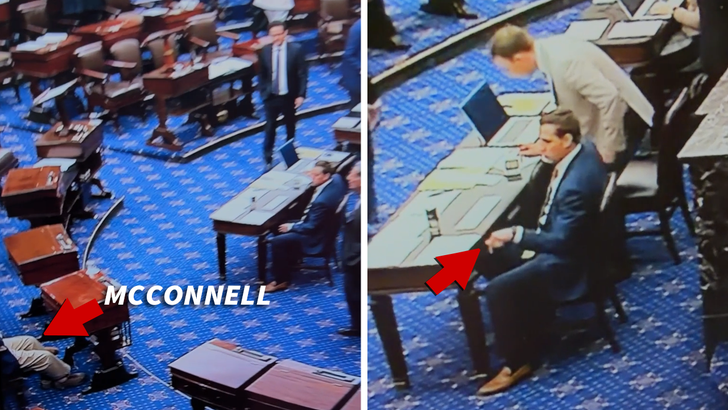
The first significant incident unfolded during an early vote. Senator McConnell initially cast a "yea" vote, a decision that seemingly contradicted his party’s stance or the pre-determined strategy for that particular amendment. Almost immediately, a concerned Senate Clerk approached McConnell’s Chief of Staff, engaging in what appeared to be an urgent, hushed conversation. This interaction strongly suggested an awareness of McConnell’s misstep. Following this brief but intense huddle, the Chief of Staff swiftly communicated with the Senator, leading McConnell to visibly alter his vote from "yea" to "nay." This correction, prompted by external intervention, was the first public indication of a lapse in his decision-making process.
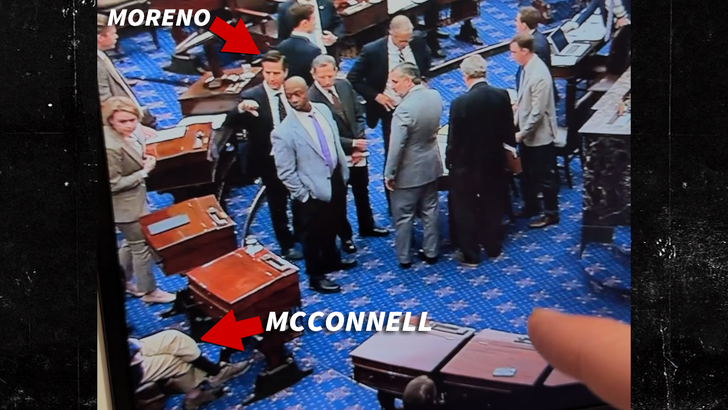
Later in the session, another revealing moment occurred involving Senator Bernie Moreno. As a vote was called, Moreno, a Republican colleague, was observed discreetly but clearly signaling to McConnell with a distinct "thumbs-down" gesture. McConnell, without apparent independent consideration, mirrored this signal and subsequently cast a "nay" vote. This interaction raised questions about McConnell’s autonomy in voting and his reliance on cues from those around him, rather than on his own assessment of the legislative matter at hand.
Perhaps the most striking and concerning incident involved direct guidance from the Senate Clerk. In a subtle yet unambiguous gesture, the Clerk was seen with his hand positioned below the desk, offering a "thumbs-down" signal to Senator McConnell. The Senator then promptly replicated the gesture and cast his vote accordingly. This highly unusual direct instruction from a non-elected official responsible for recording votes to a sitting senator, especially one of McConnell’s stature, underscores the severity of his apparent confusion. It suggests a situation where his capacity to understand and respond to the voting procedure was so diminished that even basic procedural cues were required.
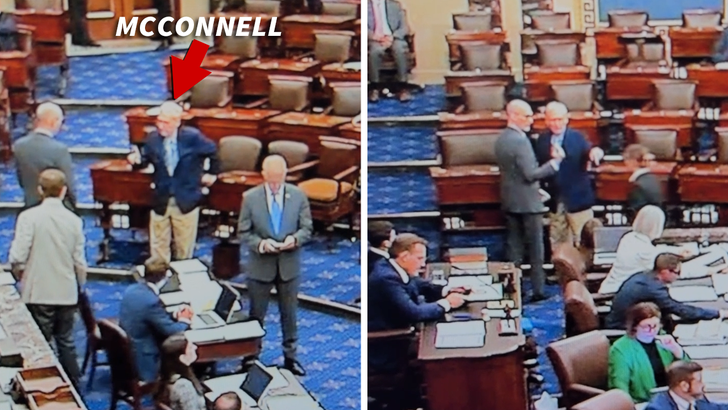
Beyond these specific voting incidents, the videos also contained snippets showing Senator McConnell remaining largely stationary and unresponsive for an extended period, reportedly up to six hours, as the Senate continued its business around him. While senators often sit quietly during debates, this prolonged period of apparent immobility, particularly in the context of the preceding incidents, contributed to the overall impression of a senator struggling to engage with the demanding legislative environment.
Signs of Disorientation on the Floor
The visible cues of McConnell’s disorientation were multifaceted. His initial incorrect vote, followed by the need for immediate correction, pointed to a breakdown in his ability to process information or recall established party positions. The reliance on non-verbal signals from colleagues and staff, rather than active participation in the voting process, suggested a diminished capacity for independent decision-making. The prolonged periods of stillness, atypical for a leader who is usually highly engaged in floor dynamics, added to the picture of a senator experiencing significant cognitive or physical fatigue. These observations collectively indicate a pattern of behavior that deviates sharply from McConnell’s long-established reputation for sharp strategic thinking and active leadership.
The Role of Staff and Colleagues
The videos inadvertently highlight the crucial, often unseen, role played by Senate staff and fellow members in supporting their elderly or ailing colleagues. The quick actions of McConnell’s Chief of Staff and the Senate Clerk demonstrate an immediate awareness of his difficulties and a readiness to intervene to ensure the legislative process continued smoothly, and perhaps, to protect the Senator’s image. Senator Moreno’s subtle guidance also speaks to a culture of informal assistance among colleagues, particularly in high-pressure situations. While these interventions may have been intended to be helpful, their very necessity underscores the gravity of McConnell’s condition and the challenges faced by those around him in managing his responsibilities.
McConnell’s Recent Health History
While the specific details of McConnell’s health in 2026 are not fully public, the incidents of June 4th did not occur in a vacuum. Throughout his later career, and particularly in the years leading up to 2026, McConnell had faced various health challenges that had, at times, led to public speculation. Prior to this episode, there had been reports of a fall, a concussion, and other minor health incidents. While his office consistently downplayed these concerns, attributing them to the normal course of aging or demanding schedules, the June 4th videos present a more overt and sustained display of impairment than previously observed. These prior incidents, though often presented as isolated, now contribute to a broader narrative of an individual whose health may be increasingly impacting his ability to perform the rigorous duties of his office.
Absence from Public View and Unknown Condition
Following the June 4th incidents, Senator McConnell was reportedly hospitalized approximately ten days later, placing his hospitalization around June 14th. Since that date, he has not been seen publicly, and his office has maintained a tight-lipped stance regarding the specifics of his condition, citing privacy concerns. This lack of transparency, while understandable from a personal standpoint, has fueled intense speculation and heightened public anxiety, particularly given his pivotal role in the Senate. The public’s right to know about the health of such a powerful and influential figure, balanced against personal medical privacy, remains a contentious issue in American politics. His prolonged absence from the public stage, combined with the concerning video footage, has intensified calls for greater clarity regarding his health status and his capacity to continue serving.
Reactions from Capitol Hill
The revelation of these videos has elicited a range of reactions across Capitol Hill. Officially, many Republican colleagues have expressed their "deep concern" for Senator McConnell’s well-being, wishing him a swift recovery while often refraining from commenting directly on his fitness for office. Public statements have largely focused on solidarity and respect for his long career. However, privately, sources within the Republican caucus reportedly acknowledge the profound challenges these incidents present. Discussions about potential succession plans, while not openly confirmed, are undoubtedly underway behind closed doors.
From the Democratic side, responses have been more nuanced. While some have expressed sympathy for a fellow senator, others have subtly, or at times more directly, raised questions about the implications of a leader’s compromised health on the functioning of the Senate. Calls for transparency regarding the health of senior elected officials have grown louder, transcending partisan lines. Political analysts and medical experts, speaking generally about the symptoms observed, have underscored the importance of thorough medical evaluation in such cases, often highlighting how cognitive decline can manifest in subtle but impactful ways.
Implications for Senate Leadership and the Republican Party
The implications of Senator McConnell’s apparent health struggles are far-reaching, particularly for the Republican Party and the legislative landscape. As Senate Minority Leader, McConnell wields immense power, shaping his party’s legislative agenda, guiding its strategy against the majority, and playing a critical role in judicial and executive branch nominations. His absence or diminished capacity creates a vacuum at the top of the Republican hierarchy.
Internally, the situation could trigger a significant power struggle within the Republican caucus. Potential successors, such as Senators John Thune, John Cornyn, or Rick Scott, who have long been considered contenders for leadership roles, might see an accelerated timeline for their ambitions. A leadership transition, especially under these circumstances, could lead to internal divisions, potentially impacting party unity and its ability to present a cohesive front on major policy issues.
From a legislative standpoint, McConnell’s absence could significantly alter the dynamics of the Senate. His renowned strategic acumen and ability to enforce party discipline have been instrumental in many legislative battles. Without his steady hand, the Republican Party might struggle to effectively counter the Democratic agenda, especially on critical legislation, appropriations, or appointments. This could potentially shift the balance of power in the Senate, even if only temporarily, impacting the progress of key bills and the overall legislative output.
Broader Debate on Official Health and Transparency
Beyond the immediate political ramifications, these events have reignited a broader national debate about the health and transparency of senior elected officials. In a democracy, citizens expect their leaders to be fully capable of performing their duties, especially those in positions of immense power. The advanced age of many members of Congress, including a significant number in leadership roles, has increasingly brought this issue to the forefront.
Critics argue that current disclosure requirements for official health are insufficient, allowing leaders to operate with significant health challenges without public scrutiny. Proponents of greater transparency advocate for more stringent health evaluations or clearer protocols for public disclosure, particularly when a leader’s health visibly impacts their performance. Conversely, arguments for personal privacy and the potential for political weaponization of health information remain strong. The McConnell situation, however, underscores the tension between these two principles, forcing a re-evaluation of how society balances a leader’s right to privacy with the public’s right to know about the capacity of those who govern them. These discussions are likely to intensify, potentially leading to calls for new policies or norms regarding the health of elected officials in the years to come.

0 Comments