
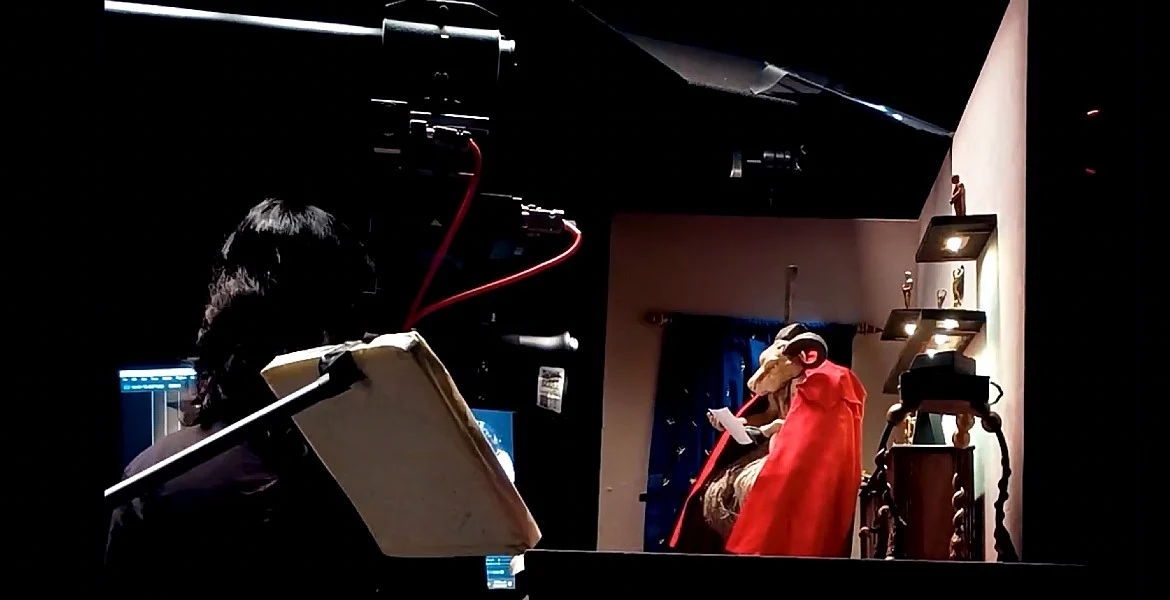
The International Animation Center, popularly known as El Taller del Chucho, has officially revealed the two winning projects for the third edition of Fotogramas Vivos, a specialized residency program dedicated to the intricate art of stop-motion animation. Based in Guadalajara, Mexico, this prestigious residency aims to elevate the technical standards of stop-motion in the region, providing a platform for emerging filmmakers to refine their craft under the guidance of industry veterans. The program is designed not only to strengthen the development of individual projects but also to forge professional links between rising talents and the studio’s ongoing high-profile productions.
The selection process for this third cycle culminated in the naming of two distinct projects that reflect the diverse storytelling capabilities of contemporary stop-motion. The first winner is the Colombian project titled Día cinco, directed by María Gutiérrez and Luis Gabriel Prada Urrea. This short film explores the sobering reality of daily life amidst the long-standing history of violence in Colombia, utilizing the tactile nature of stop-motion to bring a grounded, human perspective to social conflict. The second winner is a binational Mexican-Romanian production titled El lobo y la luna (The Wolf and the Moon), directed by Paulo Daniel Apodaca Mercado and Agata Tabacu. This project pivots toward the genre of children’s fantasy, weaving a narrative centered on the universal themes of love and emotional acceptance.
The Vision Behind Fotogramas Vivos
In a statement regarding the residency’s evolution, Angélica Lares, the Director of El Taller del Chucho, emphasized the studio’s commitment to discovering and nurturing fresh perspectives within the animation community. According to Lares, the residency was born out of a desire to hear new voices and provide them with the infrastructure necessary to tell their stories effectively. While the studio has a history of offering isolated workshops and technical courses, the leadership identified a critical need for a more comprehensive support system.
The Fotogramas Vivos program was specifically structured as a year-long residency to ensure that projects do not merely remain in the conceptual phase but reach a stage of complete production. This long-term commitment allows for a deeper immersion into the complexities of stop-motion, a medium that demands an extraordinary amount of time, precision, and physical resources. By guiding filmmakers through the entire lifecycle of a short film, El Taller del Chucho is positioning itself as a central hub for the professionalization of animation in Latin America.
A Curriculum of Excellence: Mentors and Advisors
The two winning projects will now enter an intensive phase of training and production within the walls of El Taller del Chucho. This phase covers the entire spectrum of filmmaking, including specialized modules on pre-production, production, and post-production. To ensure the highest level of instruction, the residency has assembled a panel of distinguished educators and industry leaders.
The teaching faculty includes Juan Medina, a multi-Ariel Award-winning animator; Melanie Coombs, the Academy Award-winning producer of Mary and Max; Jorge Villalobos, a veteran in animated storytelling; and specialists Cecilia Andalón and Paola Chaurand. Complementing this educational framework is a group of advisors who provide high-level creative and technical guidance. This advisory board features León Fernandez, known for his masterful puppet fabrication; Carlos Carrera, the acclaimed director of Ana and Bruno and The Crime of Padre Amaro; and Rita Basulto, a highly decorated stop-motion director whose work has been showcased at major international festivals.
The presence of such high-caliber mentors underscores the residency’s objective: to bridge the gap between amateur experimentation and world-class cinematic production. The expertise offered ranges from the structural integrity of puppet armatures to the nuances of executive production and international distribution.
The Collaborative Spirit of the Residency
One of the unique features of the Fotogramas Vivos residency is its collaborative ecosystem. While only two projects were selected as the primary winners, the first phase of the residency involved a total of seven promising projects from across the Ibero-American region. These included:
- Al amanecer (Mexico) by Santiago Amorelli Mejía.
- El corazón del Tastoan (Mexico) by Axel Francisco Noguez Merino.
- Bekaura: Resguardo indígena de Karmata Rúa (Colombia) by Irati Dojura Landa Yagarí.
- Loreal, tormenta solar (Chile) by Eduardo Andrés Elli.
- Menú del día (Argentina) by Valentina Aylín Arteaga Nova.
In a move designed to foster a sense of community and shared learning, the creators of these five projects have been invited to participate in the production of the two winning films. This "learning-by-doing" approach ensures that even those whose projects were not selected for full development still gain hands-on experience in a professional studio environment. This model helps build a robust network of stop-motion professionals who can support one another in future endeavors, effectively strengthening the regional industry as a whole.
Overcoming the Economic and Technical Barriers of Stop Motion
Stop-motion animation is widely regarded as one of the most demanding and expensive forms of filmmaking. Unlike digital animation, which relies on software and processing power, stop-motion requires the physical construction of every element seen on screen. Angélica Lares pointed out that the primary challenges facing emerging creators in the region are the lack of professionalization in executive production and the significant financial investment required.
The cost of stop-motion is driven by the need for large, specialized teams and the high price of materials. A single production requires the creation of intricate puppets with internal skeletons (armatures), detailed sets built to scale, and a vast array of props. Furthermore, the slow pace of production—where a full day of work might only yield a few seconds of usable footage—means that labor costs are substantially higher than in live-action or 2D animation. By providing access to El Taller del Chucho’s state-of-the-art facilities and equipment, the residency alleviates many of the financial burdens that typically stifle independent animation projects in Latin America.
A Proven Track Record of Success
The impact of El Taller del Chucho’s residency programs is already evident in the international film circuit. Several projects developed during the first two editions of Fotogramas Vivos have gone on to achieve critical acclaim. A standout example is Teatro secreto (Secret Theater), directed by Diego Martínez Gutiérrez. This co-production between Mexico and Spain celebrated its world premiere at the 2025 Annecy International Animation Film Festival, the most prestigious animation event in the world. Furthermore, the film is currently a contender for the Ariel Award for Best Animated Short Film in Mexico.
Other notable works produced under the program’s umbrella include El valle de los hombres sin rostro (The Valley of the Faceless Men) and Munstro by Jaime Eduardo Rodríguez Morales. The success of these films serves as a testament to the effectiveness of the residency’s mentorship model and its ability to produce content that resonates with both local and international audiences.
Historical Context: El Taller del Chucho and the Guadalajara Hub
To understand the significance of this residency, it is essential to recognize the role of El Taller del Chucho (officially the Centro Internacional de Animación) in the global animation landscape. Founded in Guadalajara, Mexico, the studio was established with the support of visionary filmmaker Guillermo del Toro. The city of Guadalajara has long been recognized as Mexico’s "Silicon Valley" of animation, housing a dense concentration of creative talent and technical expertise.
The studio gained worldwide fame for its pivotal role in the production of Guillermo del Toro’s Pinocchio, which won the Academy Award for Best Animated Feature. The facility was designed to handle large-scale international productions while simultaneously nurturing local talent. The Fotogramas Vivos residency is a direct extension of this dual mission, ensuring that the legacy of Mexican stop-motion continues to grow through new generations of filmmakers.
Broader Implications for the Animation Industry
The selection of projects from Colombia, Mexico, and Romania in this latest edition highlights the increasingly globalized nature of stop-motion. As streaming platforms and international distributors look for unique, culturally specific content, programs like Fotogramas Vivos provide the necessary "polish" to make Latin American stories competitive on a global scale.
The thematic choices of the winners—social violence in Colombia and universal themes of acceptance—demonstrate that stop-motion is being used as a serious medium for complex storytelling, moving beyond its traditional association with purely lighthearted children’s content. By supporting these narratives, El Taller del Chucho is helping to redefine the boundaries of the genre.
As the third edition of Fotogramas Vivos moves into its intensive production phase, the eyes of the animation world will be on Guadalajara. The successful completion of Día cinco and El lobo y la luna will not only add two new titles to the studio’s portfolio but will also signify a major step forward for independent animation in the Global South. Through mentorship, financial support, and a collaborative spirit, El Taller del Chucho continues to solidify its position as a beacon for the stop-motion community, proving that with the right resources, local stories can indeed achieve universal reach.

0 Comments