
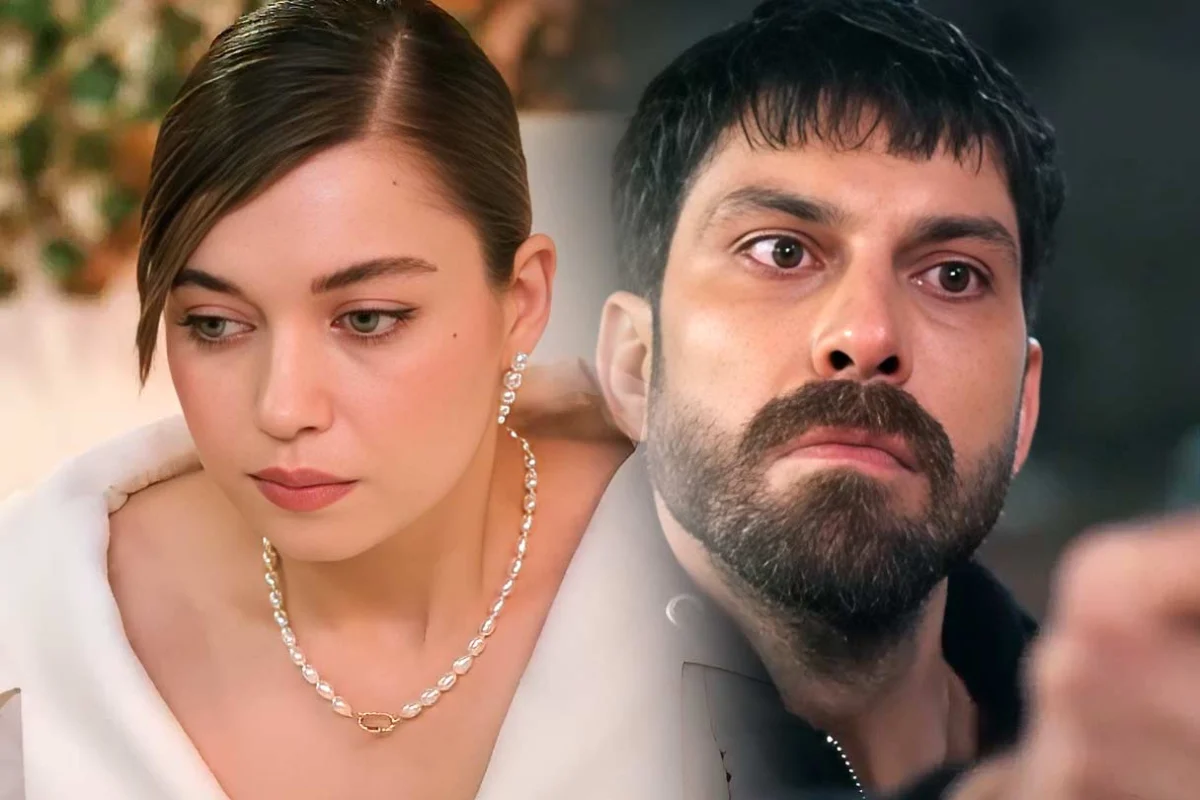
The critically acclaimed Turkish drama "Bir Zamanlar Çukurova," known internationally as "Una nueva vida" or "Once Upon a Time in Çukurova," is poised to deliver a dramatic and emotionally charged shift in its narrative as it heads into its final episodes. Viewers are set to witness a substantial time jump that will propel the series forward several years, revealing a transformed landscape for the Korhan family. This leap will showcase protagonists Ferit and Seyran not only as parents but also usher in the ultimate phase of their complex saga, hinting at both newfound stability and the resurfacing of long-dormant threats.
The upcoming episodes mark a pivotal moment for the series, which has captivated audiences with its intricate plotlines, marked by intense family feuds, clandestine betrayals, and the relentless pursuit of power and love. After months of navigating the turbulent aftermath of their conflicts, particularly the intense rivalry with the formidable "Gran Señora," the fictional universe of "Una nueva vida" is about to introduce a significant temporal shift. This narrative device is expected to redefine the destinies of all the central characters, offering a glimpse into how their lives have evolved and the lasting impact of their past struggles.
The narrative is set to move beyond the immediate present, exploring the subsequent years and the profound changes that have swept through the Korhan household. This transition is not confined to Ferit and Seyran alone; their journey will mirror the transformations experienced by other key figures like Suna and Abidin, as well as the wider family circle. For the first time since the series’ inception, the Korhan family appears to have achieved a semblance of the stability and peace they have ardently sought.
Ferit and Seyran’s Dream of Family Realized
The temporal leap unveils a reality starkly contrasting with the tumultuous events that have defined the series thus far. Ferit and Seyran, against all odds, appear to have successfully cultivated the family life they had long envisioned. The narrative will reveal that the couple has not only adopted a child but is also anticipating the arrival of a daughter, thus fulfilling a deeply cherished aspiration that had previously seemed almost unattainable due to Seyran’s past health challenges.
This portrayal signifies a profound departure from the volatile and conflict-ridden relationship that characterized the early stages of their union. In this future, Ferit and Seyran are depicted as a united front, embarking on a new chapter defined by tranquility and optimistic anticipation. Their journey from intense animosity and societal pressures to a harmonious family unit underscores the series’ exploration of resilience and enduring love. The challenges they overcame, including societal expectations and personal insecurities, have seemingly forged a bond capable of weathering future storms.
The Korhan Mansion Reawakens with New Life
The transformative effect of the time jump extends to the broader Korhan family, breathing new life into the iconic mansion. Suna and Abidin are shown as parents to a young daughter, contributing to a vibrant atmosphere within the Korhan estate. The mansion, once a symbol of grandiosity and often a stage for dramatic confrontations, is now filled with the joyful presence of children, mirroring the long-held vision of the family patriarch, Halis Korhan.
Halis, the venerable head of the family, is presented as deeply moved by the sight of multiple generations coexisting under one roof. This scene emphasizes the continuity of the Korhan lineage, a primary concern for the patriarch throughout the series. The generational harmony depicted serves as a poignant testament to the family’s enduring legacy and the hope for its future.

Furthermore, Seyran achieves a significant personal milestone: the completion of her university studies. This accomplishment represents the reclamation of her personal aspirations, which were repeatedly deferred due to the life-altering circumstances of her marriage to Ferit. Her graduation signifies not only academic success but also a personal triumph, demonstrating her ability to balance her familial responsibilities with her individual ambitions, a theme that has been central to her character arc.
Fleeting Happiness Foreshadows Renewed Peril
However, this period of profound peace and familial bliss proves to be ephemeral. The narrative is designed to introduce a sharp, disorienting turn of events that shatters the tranquility. During a joyous celebration marking Seyran’s graduation, a chilling discovery is made: the two young Korhan granddaughters have vanished without a trace. What begins as a day of immense celebration rapidly descends into a new nightmare for Ferit and his family, plunging them back into a state of fear and uncertainty.
Initial suspicions immediately fall upon Karam, a character driven by a desire for retribution following the downfall of the "Gran Señora." His known animosity and past actions make him a prime suspect in the abduction. However, as the investigation unfolds, it becomes apparent that the true source of danger lies not with Karam but emanates from an entirely unexpected quarter, setting the stage for a more intricate and deeply rooted threat. This twist suggests that the ramifications of past conflicts are far from over and that new adversaries may emerge from the shadows of their history.
The Past Resurfaces to Shatter Tranquility
The chilling abduction serves as a catalyst for the return of two of the series’ most memorable antagonists: Tarık and Saffet. Their re-emergence is strategically placed to directly link the series’ denouement to its earlier seasons, forcing Ferit, Seyran, Suna, and Abidin into a final, desperate confrontation with the individuals who irrevocably altered the course of their lives.
The return of Tarık and Saffet signifies more than just a rehashing of past conflicts; it represents a critical turning point that ignites the ultimate grand struggle of "Una nueva vida." Their reappearance is the direct trigger for the conclusive resolution of the Korhan family’s overarching narrative. This plot development highlights the enduring influence of past actions and the cyclical nature of conflict within the series. It underscores a central theme: that unresolved issues and deeply ingrained animosities have a persistent capacity to disrupt even the most hard-won peace.
The introduction of the time jump is not merely a narrative device to illustrate character evolution; it serves a deeper purpose. It demonstrably illustrates that even in moments when peace seems assured and the trials of the past appear to have been definitively overcome, the echoes of history possess an undeniable power to shape and irrevocably alter the future. This final act promises to be a powerful exploration of legacy, consequence, and the enduring strength of family bonds in the face of relentless adversity. The series is poised to deliver a conclusion that is both emotionally resonant and dramatically impactful, leaving viewers with a lasting impression of the Korhan family’s extraordinary journey.
The strategic implementation of this time jump allows for a comprehensive examination of character development and the long-term consequences of the choices made by the protagonists. It offers a perspective on how the characters have matured, adapted, and perhaps even been scarred by their experiences. The narrative is designed to provide a sense of closure while also acknowledging the complex and often unpredictable nature of life, suggesting that peace is a fragile state, constantly threatened by the resurfacing of old demons and the emergence of new ones. The final episodes are anticipated to be a poignant reflection on the enduring power of family, love, and the unyielding fight for a better future, even when confronted by the darkest aspects of the past.

0 Comments