
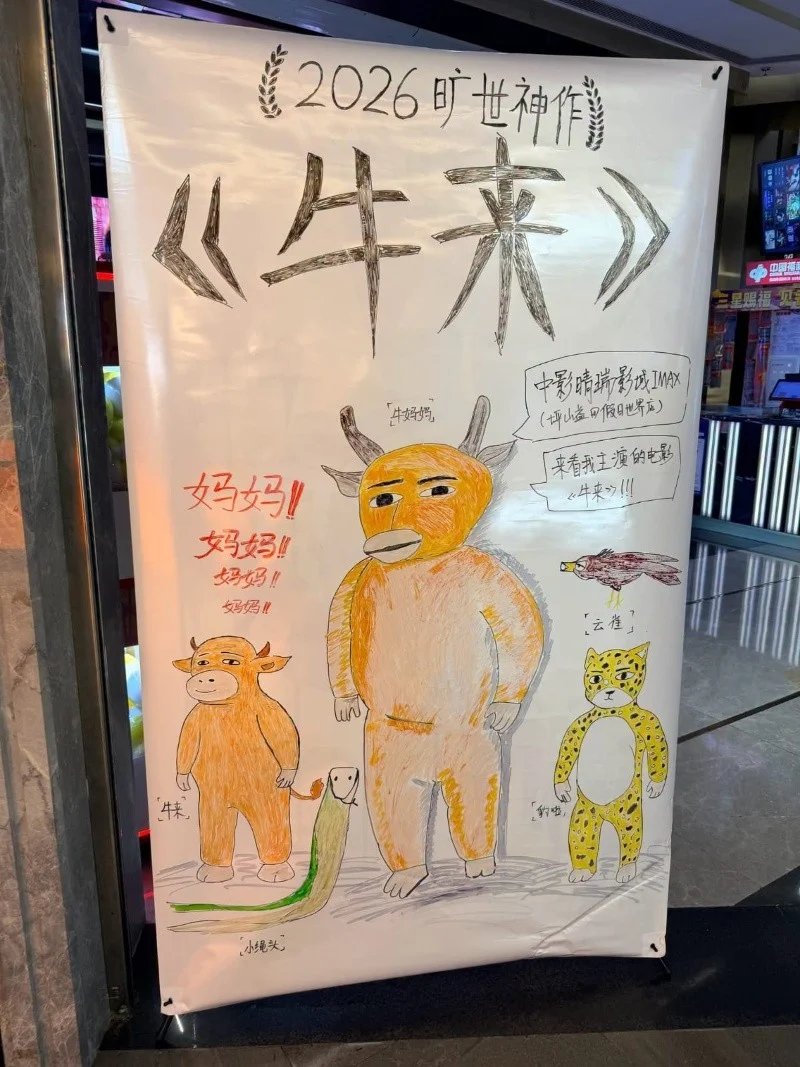
In an era increasingly defined by the breathtaking advancements of artificial intelligence (AI) in generating sophisticated imagery, a modest Chinese animated film has unexpectedly captured the public’s imagination by embracing precisely what most major productions strive to conceal: technical imperfections, visible limitations, and a distinctly handcrafted aesthetic. This cinematic paradox, unfolding in the competitive landscape of modern entertainment, highlights a potential shift in audience appreciation and challenges conventional notions of quality in digital artistry.
The film in question, "Niu Lai," is the result of a five-year labor of love by the mother-daughter duo, Xin Yumeng and Sun Lifang, who collectively undertook various production roles to bring their vision to life. Far from the slick, highly polished digital animation prevalent in global cinema, "Niu Lai" presented a raw, unrefined visual style upon its release in Chinese cinemas on August 5, 2026. This initial debut was met with minimal promotional fanfare and an almost negligible public response, setting the stage for what seemed destined to be an obscure, independent project.
The Contemporary Animation Landscape and AI’s Ascendance
To fully grasp the significance of "Niu Lai’s" trajectory, it is crucial to understand the broader context of the animation industry today. For decades, the global animation sector, spearheaded by giants like Pixar, Disney, and DreamWorks, has been on an relentless quest for visual perfection. This pursuit manifests in increasingly intricate character designs, photorealistic environments, complex simulations of physics, and seamless integration of cutting-edge digital effects. Billions of dollars are invested annually in technology, talent, and computational power to push the boundaries of what is visually achievable, aiming for a level of immersion and detail that often blurs the line between animation and live-action.
Simultaneously, the past few years have witnessed the meteoric rise of generative AI tools, capable of creating stunning images, videos, and even entire narrative sequences with unprecedented speed and efficiency. Platforms like Midjourney, DALL-E, and RunwayML have democratized access to sophisticated visual generation, allowing creators – and even casual users – to produce high-quality content that, in many cases, can mimic or even surpass the output of human artists in terms of technical precision and aesthetic uniformity. This technological revolution has ignited fervent debates within creative industries about the future of artistry, the value of human labor, and the very definition of originality. Many fear that AI’s ability to automate and perfect creative tasks could lead to a homogenization of visual styles, job displacement, and a diminished appreciation for the unique, often imperfect, touch of the human hand.
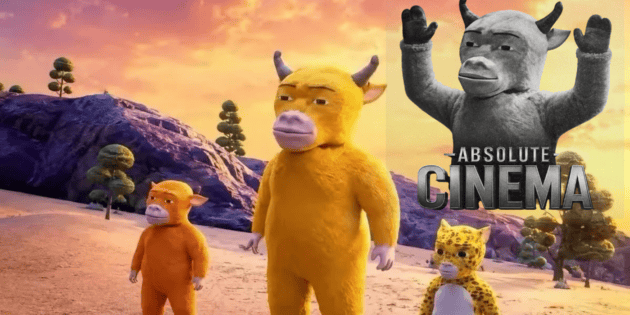
It is against this backdrop of hyper-perfection and AI-driven efficiency that "Niu Lai’s" success emerges as a striking counter-narrative. The film, with its evident technical limitations and handcrafted charm, stands as a stark contrast to the dominant trends, offering a different kind of visual experience that, surprisingly, resonated deeply with a segment of the audience.
A Chronicle of Organic Virality
The initial theatrical run of "Niu Lai" in August 2026 was, by all accounts, unremarkable. Without the backing of a major studio or a substantial marketing budget, the film struggled to attract an audience. However, its unusual aesthetic soon caught the attention of internet users. What began as a trickle of online criticisms and even outright mockery, quickly transformed into a flood of shared content. Viewers began posting screenshots and short clips of "Niu Lai," highlighting its peculiar animation style, its visible "errors," and its overall departure from conventional polish. These posts, initially intended as satirical commentary, inadvertently sparked widespread curiosity.
The viral phenomenon intensified as more users, intrigued by the online buzz, sought out the film to experience its purported strangeness firsthand. This organic, user-generated publicity proved far more potent than any traditional advertising campaign. The very qualities that initially invited derision—its imperfections and artisanal look—became its most compelling selling points. People were drawn to the novelty, the distinctiveness, and the sheer audacity of a film that dared to be different in an age of digital uniformity.
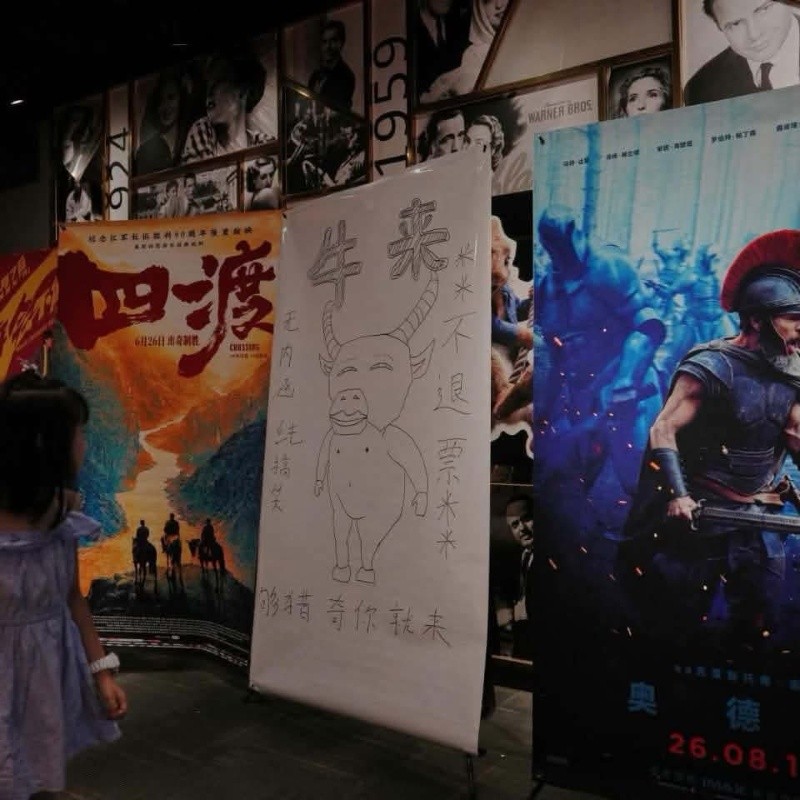
This groundswell of public interest not only salvaged "Niu Lai" from obscurity but propelled it into an unexpected box office success. Cinemas, caught off guard by the sudden demand, found themselves adapting to the film’s unique marketing. In a poignant testament to the film’s handcrafted ethos, workers in some theaters reportedly fashioned hand-drawn posters to announce showtimes, further reinforcing the image of a production far removed from the lavish budgets and sophisticated marketing strategies typical of Hollywood and major Chinese studios. This grassroots promotion became an integral part of "Niu Lai’s" narrative, symbolizing its rebellion against the polished commercial machine.
The Aesthetic of Authenticity: Embracing Imperfection
"Niu Lai" tells the heartwarming story of a newborn calf embarking on a journey of self-discovery, growth, friendship, courage, and sacrifice. While the narrative themes are universal and appealing, it was undoubtedly the film’s distinctive visual execution that became its primary talking point. The animation style is characterized by what many described as "errors," "technical limitations," and a "completely artisanal aesthetic." Characters move with a less-than-fluid grace, environments exhibit a simplified, often raw quality, and the overall visual effect is one that clearly bears the "fingerprints" of its human creators.
This aesthetic, which deliberately or by necessity eschews the pursuit of digital perfection, resonated with a surprising segment of the audience. For many, the visible imperfections were not drawbacks but rather hallmarks of authenticity. In a world saturated with hyper-produced content where every pixel is polished to an almost indistinguishable sheen, "Niu Lai" offered something refreshingly raw and human. It was a tangible reminder that art could be "limited, irregular, and clearly made by people," a stark contrast to the increasingly seamless and often soulless output of automated systems.
The film’s visual identity became a kind of artistic statement—a quiet rebellion against the relentless march towards uniformity and realism. It suggested that there is an inherent charm and appeal in the handmade, the imperfect, and the idiosyncratic. This appeal taps into a deeper human yearning for connection with the creator, for evidence of effort and passion, rather than merely the flawless execution of a technical brief. The "human touch," once considered a potential flaw, was recontextualized as a valuable asset, making the film difficult to confuse with any AI-generated production.
Broader Implications: A Mirror to Modern Cinema and Audiences
The unexpected success of "Niu Lai" offers several profound insights into the evolving landscape of contemporary cinema, audience preferences, and the ongoing dialogue between human creativity and artificial intelligence.
Firstly, it demonstrates a diversification of audience tastes. While high-budget, technologically advanced films continue to draw massive crowds, "Niu Lai" proves that there is also a significant appetite for content that is perceived as authentic, unconventional, or even imperfect. This suggests that audiences are not monolithic in their demands for visual fidelity; some actively seek out experiences that stand apart from the mainstream, finding value in narratives and aesthetics that prioritize sincerity and originality over technical polish. This phenomenon aligns with broader cultural trends that celebrate DIY culture, independent artistry, and niche communities.
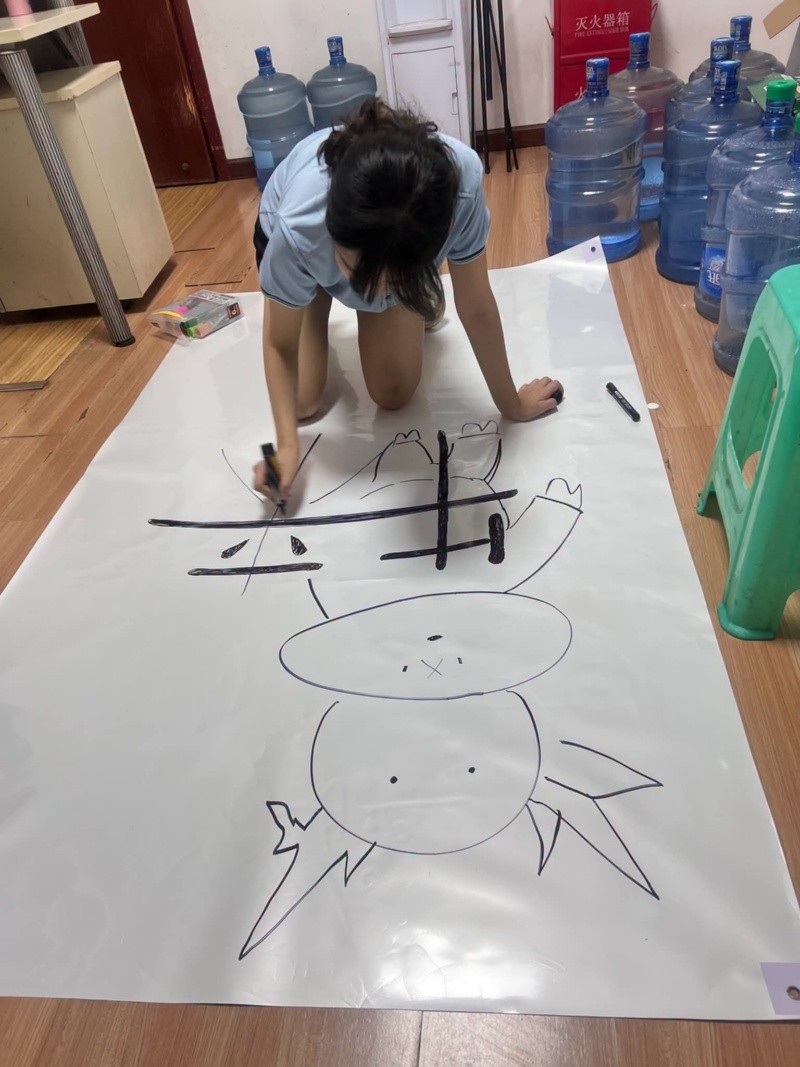
Secondly, "Niu Lai’s" journey underscores the transformative power of organic, social media-driven promotion. The film’s reliance on genuine (albeit initially negative) public reaction to generate buzz highlights a shift in effective marketing strategies. In an age where traditional advertising can be expensive and easily tuned out, user-generated content, viral discussions, and genuine word-of-mouth recommendations often carry more weight and reach. This case study could inspire independent filmmakers and smaller studios to rethink their promotional approaches, focusing on creating content that sparks conversation, regardless of initial critical reception.
Thirdly, the film sparks a vital debate within China and beyond about the definition of "quality" in animation. Some critics and industry veterans within China have expressed concern that celebrating a film with apparent technical limitations might inadvertently lower industry standards, encouraging less rigorous production values. Conversely, proponents argue that "Niu Lai" is a testament to independent creativity and a powerful example of direct, unfiltered connection with the audience. They see it as a validation of artistic expression that prioritizes heart and distinctiveness over mere technical prowess, fostering a more diverse and vibrant cinematic ecosystem.
Finally, and perhaps most significantly, "Niu Lai" serves as a timely cultural commentary on the relationship between human artistry and AI. In a period where AI is rapidly advancing towards generating increasingly "perfect" and indistinguishable images, "Niu Lai" found its niche precisely because it was not perfect. It did not attempt to compete with digital perfection on its own terms. Instead, it converted its perceived limitations into its greatest strengths, offering an experience that is undeniably human-made. This film subtly asks a crucial question: as technology allows us to create flawless visual content with increasing ease, where does the true value of art lie? Is it in the impeccable execution, or in the unique, often imperfect, imprint of the human spirit?
"Niu Lai" stands as a compelling paradox in the contemporary media landscape. Its success is a testament to the enduring appeal of authenticity, the unpredictable dynamics of viral marketing, and a potential shift in how audiences value artistic output in an age dominated by advanced technology and the relentless pursuit of perfection. By embracing its imperfections, this small, rudimentary film carved out a significant space, reminding us that sometimes, the most resonant art is not that which is flawlessly executed, but that which is profoundly, visibly human.

0 Comments