

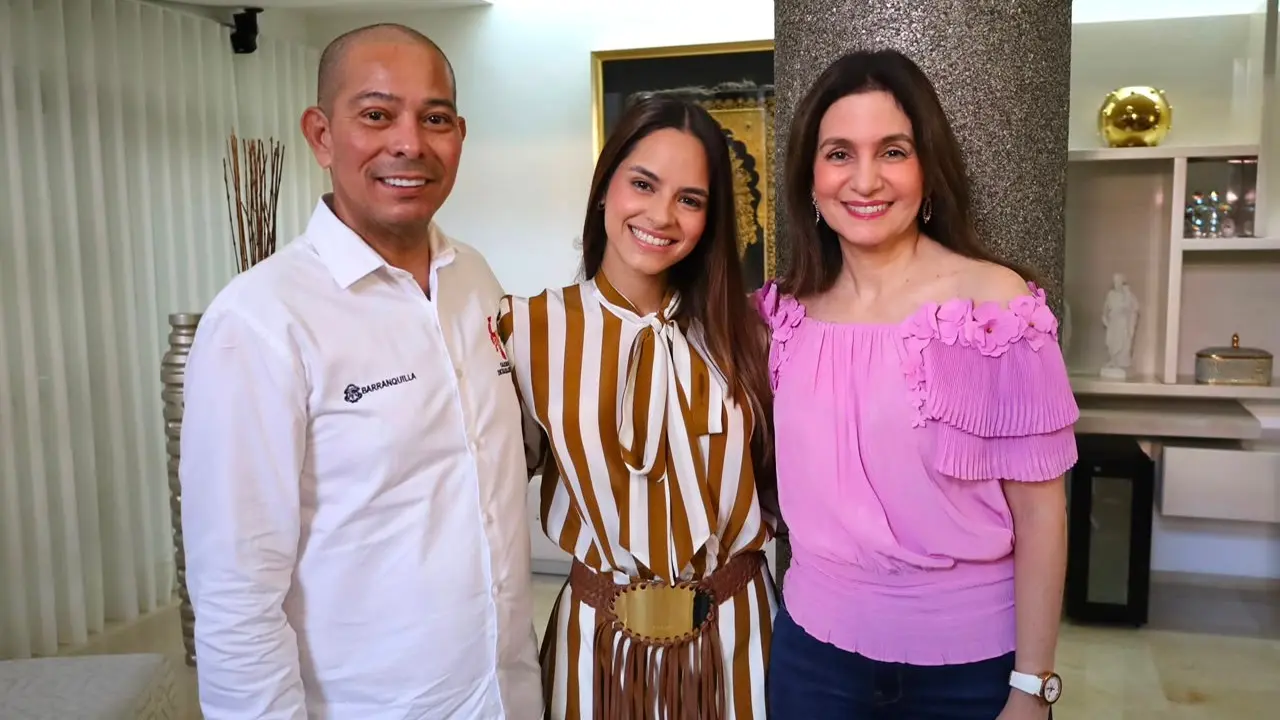
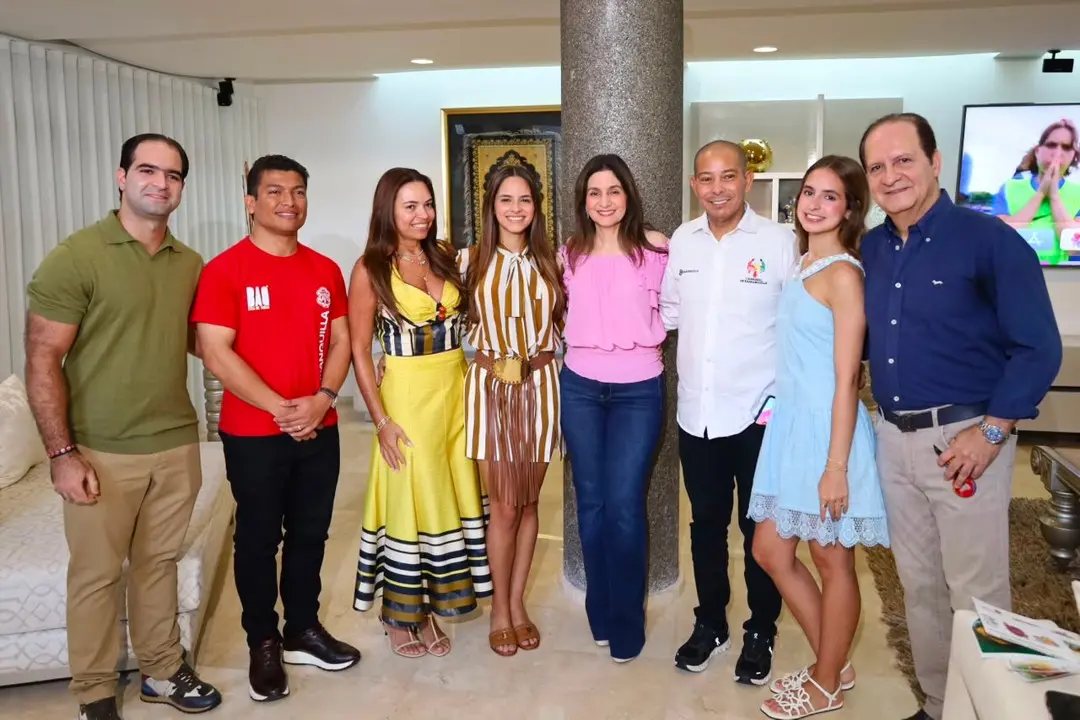
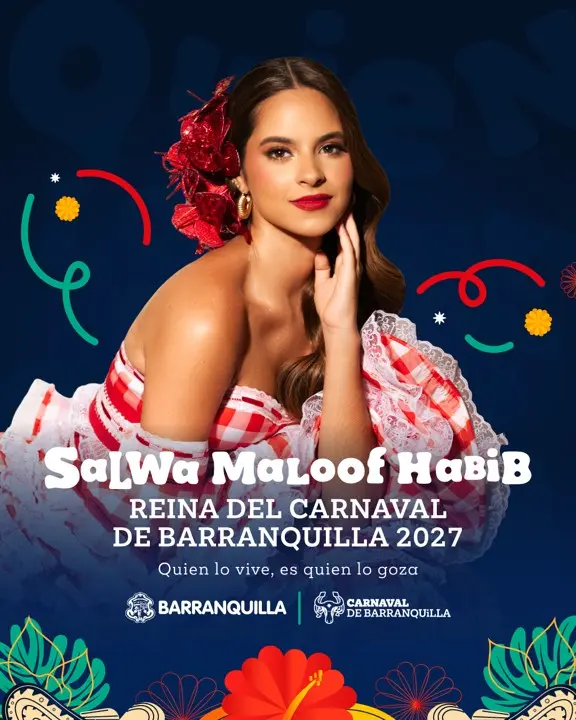
The vibrant city of Barranquilla is abuzz with anticipation as Salwa Maloof Habib has been officially designated as the Queen of the 2027 Carnival, the most significant cultural celebration in Colombia. In a departure from traditional protocol, the announcement was made not through a phone call, but with a personal visit from the First Lady of the District, Katia Nule, who delivered the crown directly to Maloof Habib’s home. This symbolic gesture underscores the profound importance of this year’s festivities, which are set to be characterized by a spirit of solidarity and a commitment to supporting those affected by recent natural disasters.
The decision by the Board of Directors of the Barranquilla Carnival to appoint Salwa Maloof Habib signifies more than just the selection of a figurehead for the grand event. It reflects a carefully considered choice that aligns with the carnival’s overarching philanthropic mission for 2027. As stated by the First Lady during the emotional presentation, "This year, our Carnival will be a carnival of solidarity." She further emphasized the nation’s collective consciousness of ongoing challenges, asserting, "We have not forgotten what is happening in Colombia; on the contrary, we are here, with our queen, and we will continue to receive aid to send to the most affected areas." This statement clearly positions the 2027 Carnival as a platform for national unity and humanitarian assistance.
A Queen with a Heart for Service: Salwa Maloof Habib’s Profile
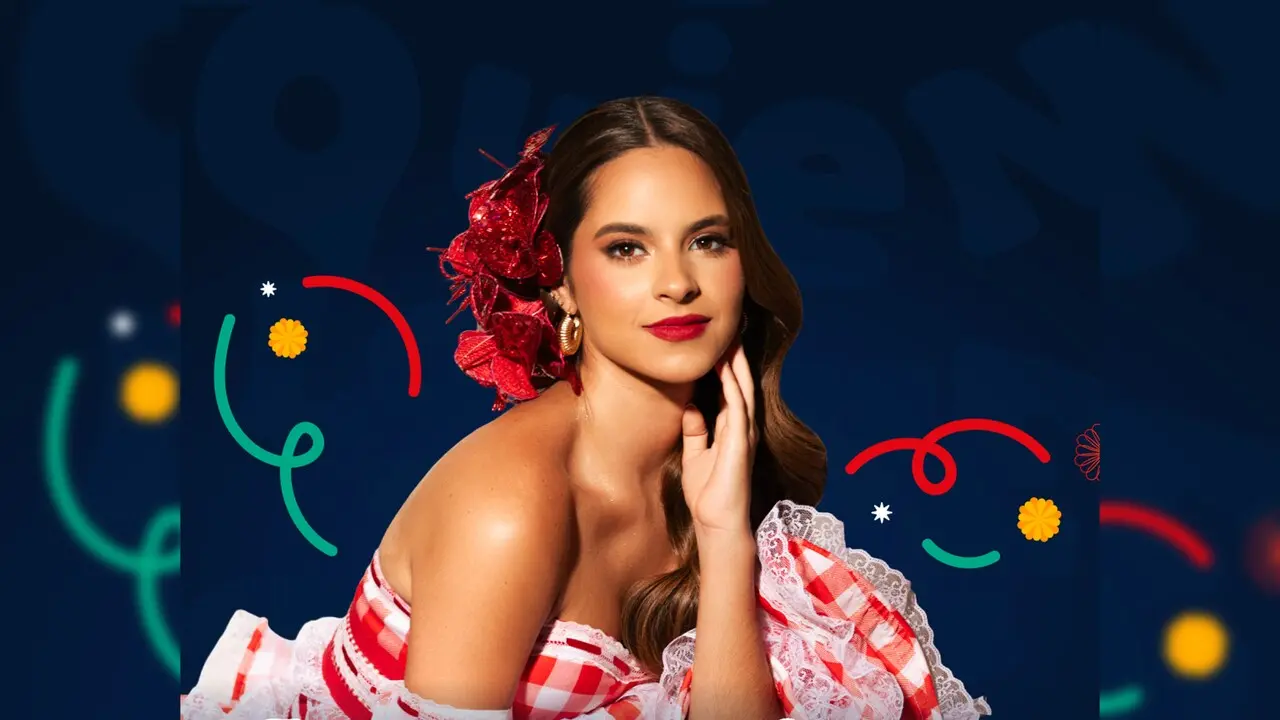
At 24 years old, Salwa Maloof Habib embodies a unique blend of passion for Colombian culture and a deep-seated commitment to community service. Her background and personal ethos make her an ideal ambassador for a carnival that aims to be both a celebration of joy and a beacon of hope. While specific details about her professional background and volunteer work beyond her artistic affiliations were not elaborated in the initial announcement, her family’s connection to the carnival and her own artistic training suggest a well-rounded individual prepared for the demanding role of queen. The emphasis on her leadership potential and dedication to service indicates that her reign will be marked by meaningful engagement beyond the traditional festivities.
Deep Roots in Barranquilla’s Cultural Tapestry
Salwa Maloof Habib’s connection to the Barranquilla Carnival is deeply ingrained, stemming from a family legacy steeped in the city’s rich cultural heritage. She is the daughter of Shadia Habib and Dieb Maloof, and her sister, Samia Maloof, herself a former Reina del Carnaval de los Niños (Queen of the Children’s Carnival) in 2024, has paved a path for Salwa within the carnival’s royal lineage. This familial tie to the celebration signifies a lifelong immersion in its rhythms and traditions.
Her artistic journey began at the esteemed Julie de Donado academy, a renowned institution for fostering talent in Barranquilla. Over the years, Salwa has diligently honed her skills under the tutelage of prominent figures in Colombian folklore. Her current active participation in the cumbiamba La Misma Vaina further solidifies her dedication to preserving and promoting the cumbia, one of the most emblematic dances of Colombia, characterized by its African and indigenous roots and its vibrant expression of Caribbean culture.
Her personal reflections on the essence of these dances—"For me, the drum is a heartbeat, cumbia is a ray of light, and mapalé is the purest expression of who I am: body, mind, and spirit in motion"—reveal a profound emotional and spiritual connection to her cultural heritage. This deep personal resonance is a powerful asset for a queen who is expected to inspire and connect with diverse audiences.
A Carnival with a Purpose: Responding to National Crisis
The designation of Salwa Maloof Habib as Queen of the 2027 Barranquilla Carnival arrives at a critical juncture for Colombia. The nation has recently experienced a significant earthquake, leaving many regions devastated and in urgent need of support. The decision to pivot the carnival’s focus towards humanitarian aid reflects a collective desire to leverage the power of this massive cultural event for the greater good.
The Barranquilla Carnival is not merely a series of parades and parties; it is a cornerstone of Colombian identity and a significant economic driver for the region. Historically, the carnival has evolved from its early 20th-century origins into a world-renowned spectacle, drawing hundreds of thousands of national and international visitors. Its economic impact is substantial, with estimates often reaching millions of dollars in revenue from tourism, hospitality, and local commerce. In 2023, for instance, the carnival generated an estimated economic impact of over 300 billion Colombian pesos (approximately $75 million USD), showcasing its importance as a national asset.
This year, however, the carnival’s traditional exuberance will be intertwined with a palpable sense of purpose. The focus on collecting aid for earthquake-affected areas transforms the celebration into an act of national solidarity. This approach is not unprecedented for major cultural events, which often serve as rallying points during times of crisis. The success of such initiatives hinges on effective organization, widespread public participation, and transparent distribution of collected resources.
The Road to the 2027 Carnival: A Countdown to Unity
With Salwa Maloof Habib’s appointment, the official countdown to the Barranquilla Carnival 2027 has begun. The main festivities are scheduled to take place from February 6th to February 9th, 2027, culminating in the iconic Battle of Flowers. This four-day event is a meticulously planned undertaking, involving thousands of performers, musicians, dancers, and artisans, as well as extensive logistical operations for crowd control, security, and public services.
The announcement of the Queen typically marks the beginning of an intensive period of preparation, including the creation of her court, the design of her regalia, and the development of the carnival’s thematic programming. For 2027, these preparations will undoubtedly be infused with the overarching theme of solidarity. The carnival’s organizers will likely collaborate with national disaster relief agencies and local authorities to ensure that the aid collected is efficiently channeled to those most in need.
The implications of this humanitarian focus are multifaceted. Firstly, it has the potential to foster a deeper sense of national unity and empathy, bringing Colombians together in a shared effort to support their fellow citizens. Secondly, it offers a powerful platform for raising awareness about the ongoing recovery efforts and encouraging sustained engagement from the public and the international community. Finally, it could set a precedent for future carnivals and large-scale cultural events, demonstrating their capacity to serve as catalysts for social change and humanitarian action.
The selection of Salwa Maloof Habib as Queen is a clear signal that the Barranquilla Carnival 2027 is poised to be a historic celebration, one that will not only showcase the unparalleled joy and cultural richness of Colombia but also embody the resilience, compassion, and unwavering spirit of its people in the face of adversity. The coming months will reveal the full scope of this ambitious endeavor, as Barranquilla prepares to lead the nation in a celebration of life, culture, and profound solidarity.

0 Comments