
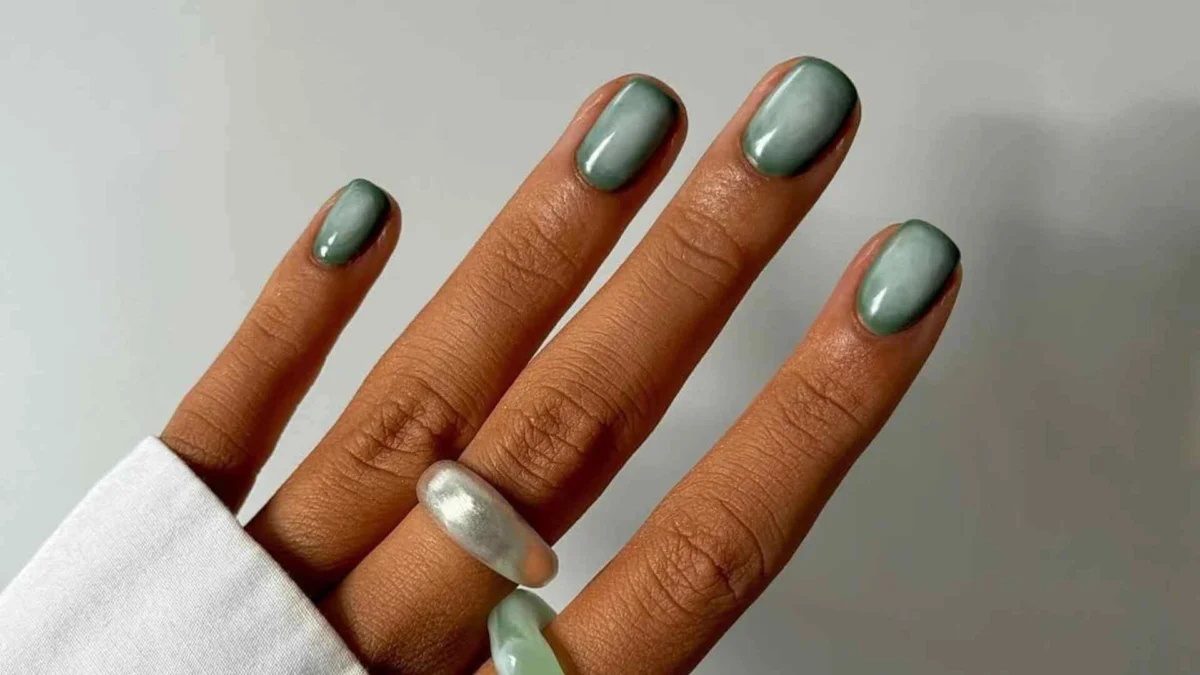
The transition from the height of summer to the professional "rentrée" of September represents a pivotal moment in the global beauty and fashion industries. As the vacation season concludes, consumers increasingly seek aesthetic strategies to maintain the physical markers of leisure, most notably the sun-kissed glow acquired during the warmer months. This seasonal shift has prompted beauty experts and dermatologists to analyze how specific color palettes in nail care can optically enhance skin melanin levels, providing a seamless bridge between the vibrant aesthetics of August and the more subdued, sophisticated requirements of the autumn workplace.
The "September effect" in the beauty sector is not merely a matter of personal preference but is rooted in the science of color theory and visual perception. According to industry analysts, the demand for specific manicure shades surges during the first three weeks of September as individuals return to urban environments. The primary objective is to create a visual contrast that makes the skin appear deeper and more radiant, even as the actual tan begins its natural physiological fade.

The Science of Visual Contrast in Aesthetic Design
The efficacy of certain nail colors in enhancing a tan is grounded in the principles of simultaneous contrast and color temperature. When a dark or highly saturated color is placed adjacent to the skin, the eye perceives the skin tone as lighter or more luminous by comparison. Conversely, when warm-toned pigments are utilized, they draw out the golden and bronze undertones of the skin, emphasizing the warmth of a fading tan.
Professional manicurists from leading European salons, including the influential d-uñas network, have identified a shift toward "transitional tones." These are colors that possess enough depth to signal the approach of autumn while retaining the warmth necessary to highlight sun-exposed skin. This strategic selection of pigments serves a dual purpose: it adheres to the evolving fashion cycle while providing a functional "bronzing" effect for the hands.
A Chronology of the September Transition
The beauty industry operates on a strict seasonal timeline that dictates consumer behavior and product availability. To understand the current landscape of September manicure trends, it is essential to observe the chronology of the transition:

- Late August: The peak of "vibrant" trends, such as neon corals and bright whites, which provide maximum contrast against deep tans.
- Early September (The Rentrée): A shift toward "quiet luxury" and professional aesthetics. Consumers move away from neon shades in favor of sophisticated, earth-toned palettes.
- Mid-September: The introduction of deep jewel tones and "food-inspired" aesthetics (e.g., espresso, cherry, and olive), which align with the autumn/winter fashion runways debuted in February.
This timeline reflects a broader cultural movement toward intentionality in grooming. The manicure is no longer viewed as an isolated accessory but as a critical component of an individual’s professional image and psychological well-being during the return to routine.
Five Definitive Tones for the September Manicure
Based on market data and expert consultations, five specific color categories have emerged as the leaders for the September 2026 season. Each of these shades offers a unique mechanism for enhancing the appearance of the skin.
1. Deep Burgundy and Bordeaux
Burgundy remains a perennial favorite for the transition into autumn. Experts from d-uñas suggest that this color functions exceptionally well in September because it bridges the gap between the bright reds of summer and the near-black tones of winter. From a color-theory perspective, the blue and purple undertones in burgundy create a sharp contrast with the yellow and orange pigments of a tan, making the skin appear significantly more golden. This "deepening" effect is particularly effective for those who have achieved a medium-to-deep tan.

2. Chocolate and Mocha Browns
The "latte makeup" and "espresso nails" trends continue to exert significant influence over the beauty market. Dark brown shades, ranging from milk chocolate to deep mahogany, are highly effective at emphasizing a tan because they belong to the same color family as tanned skin but exist at a much lower value (darkness). This creates a monochromatic harmony that looks sophisticated in a corporate environment while ensuring the hands look sun-kissed. Data from global beauty retailers indicates a 22% increase in the sale of brown-toned polishes compared to the same period five years ago, signaling a long-term shift in consumer preference.
3. Olive and Forest Greens
Olive green is often cited by stylists as the "new neutral." For the September transition, olive tones—specifically those with a warm, yellow base—are highly effective at highlighting the olive and bronze undertones of the skin. While green can be a polarizing choice, its popularity has grown due to its association with nature and "earthy" aesthetics. Industry experts note that olive green is particularly flattering for individuals with warm skin tones, as it prevents the skin from looking sallow during the initial stages of tan loss.
4. Warm Nude and Terracotta
For those adhering to a minimalist or "clean girl" aesthetic, the warm nude remains the gold standard. The key to the September nude is the avoidance of pale, cool-toned beiges, which can make tanned skin look ashy. Instead, experts recommend "toasted" nudes, caramels, and light terracotta shades. These colors mimic the natural pigments of a tan, creating an elongated look for the fingers and a healthy, radiant appearance for the skin. This category is currently the most requested in professional salons for clients in high-level corporate positions.

5. Pearl and Champagne Chrome
The "glazed donut" nail phenomenon has evolved into a more sophisticated "champagne pearl" finish for the late 2020s. By using a warm, metallic or pearlescent base, the manicure catches the light and reflects it back onto the skin. This luminosity mimics the natural sheen of well-hydrated, sun-exposed skin. Champagne tones, in particular, provide a subtle glow that is less harsh than silver but more modern than traditional gold, making it a versatile option for both day and evening wear.
Industry Implications and Consumer Behavior
The strategic use of color to enhance physical attributes reflects a broader trend in the "premiumization" of the nail care industry. Market research firm Statista reports that the global nail polish market is projected to reach a valuation of approximately $20 billion by 2027, driven largely by the professional services sector and the rise of "intelligent" beauty consumers.
Consumers are no longer satisfied with generic color choices; they are increasingly seeking "color analysis" and "skin-tone matching" services. This has led to the emergence of specialized training for nail technicians, focusing on the intersection of dermatology and aesthetics. The ability to recommend a specific shade of burgundy based on a client’s specific tan depth is now a hallmark of a high-end salon experience.

Furthermore, the "social media effect" cannot be overstated. Platforms such as TikTok and Instagram serve as real-time laboratories for trend testing. In September, hashtags related to "bronzing manicures" and "September nails" see a significant uptick in engagement, influencing retail inventory and salon booking patterns. This digital feedback loop ensures that trends move faster and with greater geographical reach than in previous decades.
Post-Summer Nail Health: The Foundation of the Manicure
While color choice is paramount, dermatologists emphasize that the visual success of a September manicure depends heavily on the health of the nail and the surrounding skin. Exposure to saltwater, chlorine, and increased UV radiation during the summer months can lead to dehydration of the nail plate and cuticles.
To maximize the "bronzing" effect of a manicure, experts recommend a three-step recovery protocol for the month of September:

- Intensive Hydration: The use of jojoba-based cuticle oils and urea-enriched hand creams to restore the skin’s lipid barrier.
- Keratin Support: Applying strengthening treatments to combat the brittleness often caused by summer environmental stressors.
- Exfoliation: Gentle chemical exfoliation of the hands to remove dead skin cells, which can make a tan look dull or "muddy."
By ensuring the "canvas" of the hand is healthy and hydrated, the chosen pigment can perform its optical function more effectively.
Conclusion: The Professionalization of Seasonal Beauty
The shift in manicure trends during September 2026 illustrates a sophisticated understanding of how beauty rituals intersect with seasonal transitions. By moving away from the literalism of summer neons and embracing the strategic depth of burgundy, chocolate, and olive, consumers are able to navigate the return to professional life without sacrificing the aesthetic benefits of their summer vacations.
This evolution in nail care reflects a wider movement toward "functional beauty," where cosmetic choices are designed to solve specific visual problems—in this case, the preservation of a radiant, sun-kissed appearance. As the industry continues to integrate color science with professional service, the September manicure will remain a critical tool for those looking to extend the spirit of summer into the reality of autumn.

0 Comments