
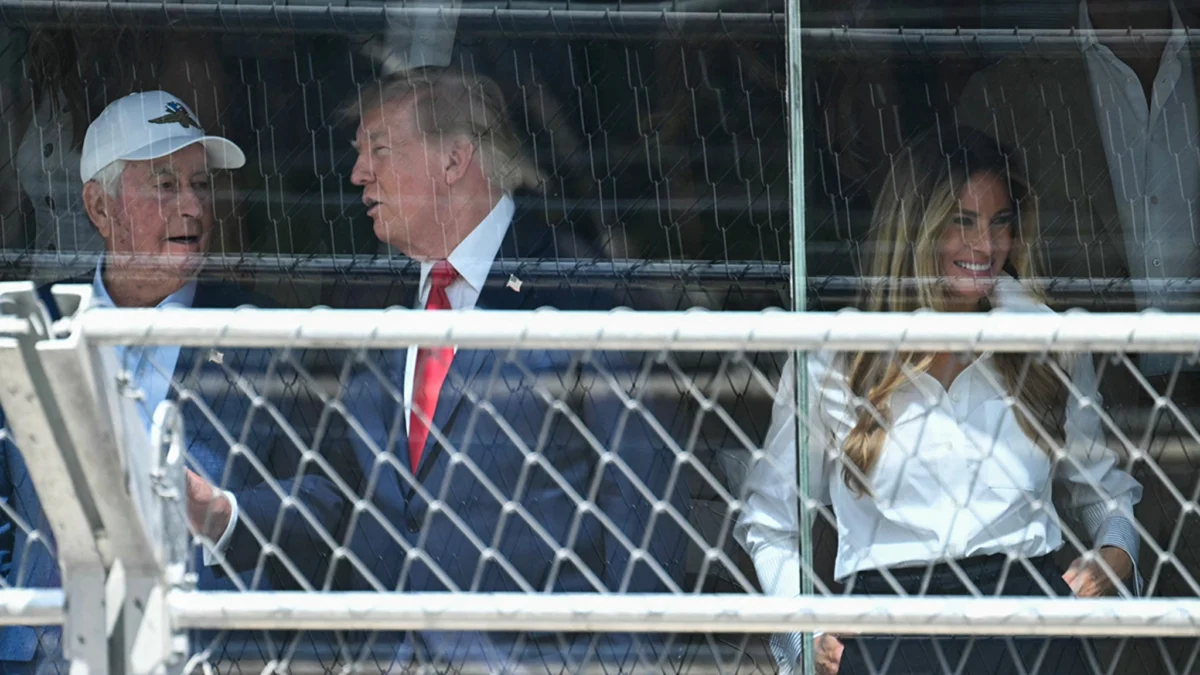
Washington D.C. witnessed a high-octane spectacle on August 23, 2026, as the Freedom 250 Grand Prix, the city’s inaugural IndyCar race, roared to life. Amidst the thunderous engines and cheering crowds, President Donald Trump took center stage, not just as a spectator but as a vocal proponent, claiming his personal intervention was instrumental in fast-tracking an event that had reportedly been stalled for two decades. The President, speaking to FOX Sports during the race, asserted that he single-handedly cut through years of bureaucratic red tape, facilitating the event’s approval in a mere "15 minutes" after longtime friend and IndyCar owner Roger Penske sought his assistance.
The President’s Bold Claim and the Event’s Genesis
President Trump’s assertion that he expedited the Washington D.C. IndyCar race from a two-decade-long aspiration to a reality in a quarter of an hour has garnered significant attention. The President highlighted the protracted efforts of Roger Penske, the legendary owner of Team Penske and a titan in the motorsports world, who, according to Trump, had made over 200 trips to Washington over 20 years in a fruitless attempt to bring the prestigious open-wheel series to the nation’s capital. Trump’s narrative positions his involvement as the crucial catalyst, transforming years of stagnation into immediate action. This claim, delivered with the President’s characteristic flair for highlighting his deal-making prowess, underscored a narrative of executive efficiency and a direct approach to complex logistical challenges. The Freedom 250 Grand Prix itself, a significant addition to the IndyCar calendar, aimed to blend the thrill of professional motorsport with the iconic backdrop of American political power.
Decades in the Making: The Road to D.C. Racing
The idea of hosting a major motorsport event on the streets of Washington D.C. has indeed been a recurring topic of discussion within racing circles and city planning offices for many years. The allure of a street race in the capital is undeniable: it offers a unique blend of sporting excitement, international exposure, and a potential economic boom for the city. However, the logistical and political hurdles associated with transforming the highly structured and traffic-dense streets of D.C. into a temporary race circuit are immense. Previous proposals reportedly faced numerous obstacles, including concerns over traffic disruption, noise pollution, environmental impact, security requirements, and the sheer complexity of obtaining permits from various federal and local agencies. These challenges typically involve extensive negotiations with city councils, public works departments, law enforcement, and local communities, often spanning several years of feasibility studies, impact assessments, and public consultations. The historical context suggests that any effort to stage such an event would naturally encounter significant resistance and require extraordinary coordination, making the "15-minute" resolution a striking departure from historical norms.
Roger Penske’s Enduring Vision
Roger Penske, a figure synonymous with success in American motorsports and a highly respected businessman, has long been known for his ambitious vision. His reported two-decade quest to bring IndyCar to Washington D.C. speaks volumes about the perceived value and potential of such an event. Penske, who acquired the IndyCar Series and the Indianapolis Motor Speedway in 2019, has been a driving force in expanding the series’ reach and prestige. His determination to establish a race in a prominent global capital like Washington D.C. aligns with his broader strategy of elevating IndyCar’s profile. Given his extensive experience in navigating complex business and political landscapes, Penske’s inability to secure the D.C. race for so long prior to Trump’s intervention highlights the unique difficulties inherent in the project. The relationship between Trump and Penske, described as a "longtime friend," suggests a direct line of communication that could bypass traditional channels, potentially explaining the President’s rapid involvement and subsequent claim of swift resolution.
The Freedom 250 Grand Prix: A Capital Spectacle
The Freedom 250 Grand Prix was designed to be more than just a race; it was conceived as a national event. The temporary street circuit, likely winding through some of D.C.’s most recognizable avenues, offered a dramatic backdrop for the high-speed competition. Transforming public streets into a race track involves a monumental effort, including the installation of concrete barriers, catch fencing, grandstands, media centers, medical facilities, and temporary pit lane infrastructure. This transformation would typically begin weeks in advance, requiring meticulous planning and execution. President Trump enthusiastically claimed that the event exceeded all expectations in terms of attendance, with an estimated 300,000 to 350,000 people reportedly wanting to attend. While official attendance figures for large-scale urban events can be challenging to verify precisely, such a turnout would represent an unprecedented gathering for a sporting event in the capital, inevitably leading to significant traffic management issues, including the closure of multiple bridges and arterial roads to accommodate both the race circuit and the massive influx of spectators. The "Freedom 250" banner itself carried symbolic weight, associating the event with national pride and the capital’s historical significance.

Presidential Engagement on the Track
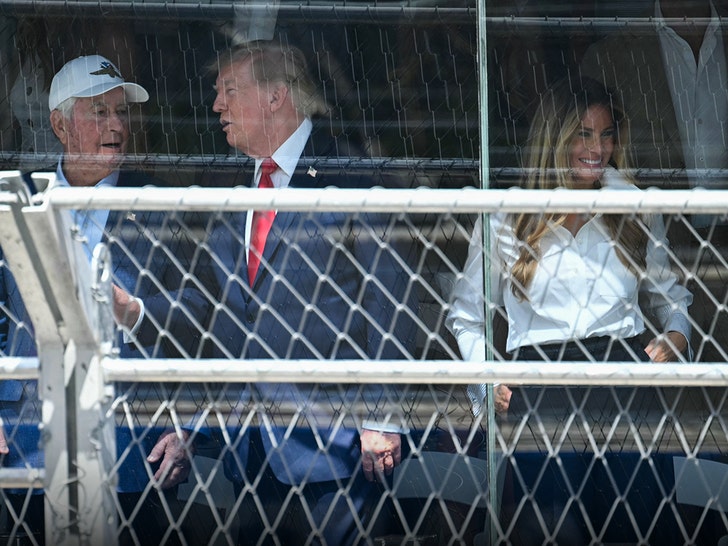
President Trump’s presence at the Freedom 250 Grand Prix was a central feature of the day’s festivities. Before the race commenced, he engaged directly with drivers and team owners, offering words of encouragement. His advice — "Good luck, do well, have fun" — was delivered with a lighthearted touch. Notably, he nearly advised them to "be safe" before humorously stopping himself, quipping that such a mindset might not be conducive to winning in the highly competitive world of IndyCar racing. This interaction provided a moment of levity and personal connection with the athletes.
A highlight of the President’s involvement was his ceremonial lap around the course in "The Beast," the highly armored presidential limousine. This gesture, a staple of major racing events when dignitaries are present, allowed President Trump to experience a portion of the track firsthand and offered a unique photo opportunity for attendees. He acknowledged the stark difference between his heavily fortified vehicle and the nimble IndyCars, joking that his ride was a "nice secure car" that was "slightly slower" than what fans were about to witness. Following this, he had the distinct honor of waving the green flag, signaling the official start of the Freedom 250 Grand Prix, a traditional and highly visible role for an event’s most distinguished guest. These moments underscored the significant profile the event held, drawing the direct participation of the nation’s highest office.
First Lady Melania Trump’s Charitable Outreach
The First Lady, Melania Trump, also played a significant role in the Grand Prix festivities, albeit with a focus on her charitable initiatives. FOX Sports and IndyCar partnered with her "Fostering the Future" initiative, which is dedicated to supporting foster children as they transition out of the foster care system. This collaboration highlighted the event’s broader community engagement and philanthropic dimensions. "Fostering the Future" aims to provide resources, mentorship, and opportunities to young adults who are aging out of foster care, helping them navigate the challenges of independence, pursue higher education, or enter the workforce. Melania Trump eloquently described the program as "more than an educational initiative," emphasizing its scope as a "generational investment in America’s talent pipeline." The partnership with a high-profile sporting event like the Freedom 250 Grand Prix provided a substantial platform to raise awareness and support for this crucial cause, aligning the excitement of the race with a meaningful social impact. Such collaborations are increasingly common in major sporting events, allowing them to contribute positively to the communities they temporarily transform.
Navigating Logistical Hurdles in the Nation’s Capital
The execution of a street race in a city as complex and significant as Washington D.C. involves an extraordinary array of logistical challenges that extend far beyond simply closing roads. The coordination required spans multiple government agencies, from the Metropolitan Police Department and the Department of Transportation to the Secret Service and the National Park Service, given the city’s unique federal landscape. Traffic management plans would need to be meticulously developed and communicated to the public well in advance, detailing road closures, alternative routes, and public transportation adjustments. The impact on daily commutes, local businesses, and resident access would be substantial, necessitating comprehensive mitigation strategies. Furthermore, safety protocols for both racers and spectators are paramount, involving extensive barrier systems, emergency response planning, and medical facilities strategically placed around the circuit. The noise generated by high-performance race cars would also be a significant consideration for residents and businesses along the race route, likely requiring specific noise ordinances or mitigation efforts. The cleanup and restoration of public streets post-race would also be a major undertaking, ensuring the city quickly returns to its normal state. These multifaceted challenges are precisely why such an event has historically been so difficult to realize in D.C.
Economic Impact and Community Response
While precise official figures for the 2026 Freedom 250 Grand Prix are still being compiled, major sporting events of this magnitude typically generate substantial economic activity for host cities. The influx of hundreds of thousands of spectators, as claimed by President Trump, would translate into significant revenue for local businesses, including hotels, restaurants, retail establishments, and transportation services. Tourism dollars, combined with direct event spending on staffing, logistics, and supplies, could easily inject tens of millions of dollars into the local economy, supporting jobs and stimulating growth. Beyond direct financial benefits, the race also offered invaluable global media exposure for Washington D.C., showcasing its iconic landmarks to an international audience.
However, such events are not without their critics. Concerns often arise from residents and businesses about the inevitable disruption to daily life, including traffic congestion, noise, and restricted access. The cost to taxpayers for enhanced security, public services, and infrastructure modifications also becomes a point of contention. Local community responses would likely be mixed, with some embracing the excitement and economic boost, while others express frustration over the inconveniences. For the Freedom 250, the city’s ability to effectively manage these trade-offs would be crucial in shaping public perception and determining the event’s long-term viability.
Political Undercurrents and Future Prospects
President Trump’s enthusiastic embrace of the Freedom 250 Grand Prix and his prominent role in its execution also carried distinct political undertones. By taking credit for rapidly resolving a long-standing civic challenge, he reinforced a public image of decisive leadership and effective problem-solving. Associating with a popular sporting event like IndyCar also allows for broad public engagement and can be seen as a way to connect with diverse segments of the electorate. The "Freedom 250" branding itself resonated with themes often invoked in political discourse.
Looking ahead, the success and perceived impact of this inaugural D.C. IndyCar race will undoubtedly influence the prospects for future events. If the economic benefits are substantial and public disruption is managed effectively, it could pave the way for the Freedom 250 Grand Prix to become an annual fixture on the IndyCar calendar, joining other iconic street circuits like Long Beach, Toronto, and St. Petersburg. Conversely, if logistical challenges or public discontent prove overwhelming, it could deter future endeavors. The event serves as a critical case study in how a major capital navigates the complexities of hosting world-class motorsport while balancing the needs of its residents and the aspirations of its leaders.
Official Statements and Broader Implications
Following the event, official statements from IndyCar and local D.C. authorities would provide a more complete picture of its success and challenges. Roger Penske, whose efforts spanned decades, would likely offer insights into the final push that made the race possible, potentially corroborating or elaborating on President Trump’s "15-minute" claim. IndyCar officials would undoubtedly praise the event’s atmosphere, competitive racing, and the unique opportunity to showcase their series in the nation’s capital. From the perspective of D.C. city officials, their statements would likely focus on the economic benefits, the city’s capacity to host large-scale events, and lessons learned for future planning.
The broader implications of the Freedom 250 Grand Prix extend beyond motorsport. It demonstrates the powerful intersection of sports, politics, and urban development. The President’s direct intervention, as claimed, highlights how executive influence can sometimes expedite processes that would otherwise languish in bureaucracy. It also underscores the enduring appeal of live sporting events as communal experiences and economic drivers. The success of this race, particularly with its high-profile presidential endorsement, could set a precedent for how major events are brought to the nation’s capital, potentially inspiring future ventures that blend entertainment, economic development, and political engagement. From its rapid conception to its massive turnout, the Freedom 250 Grand Prix in Washington D.C. will likely be remembered as a landmark event, not just for IndyCar racing, but for the capital city itself, symbolizing speed and decisive action, much as its most prominent advocate had promised.

0 Comments